33 Best Resection of gallbladder Clinics in Turkey — AUD Prices


Medically reviewed by
Fahad Mawlood
How it works
How Much Does Resection of gallbladder Cost in Turkey in AUD?
Gallbladder resection in Turkey typically costs from AUD $3,900 to AUD $6,800. Prices depend on the surgical method, clinic tier, surgeon experience, and included package services. Most Turkish clinics include preoperative tests, general anaesthesia, and airport transfers in their quotes.
- Laparoscopic surgery: AUD $3,900 to AUD $6,800 for minimally invasive keyhole removal.
- Robotic-assisted surgery: typically adds 30–50% to the cost due to advanced equipment requirements.
- Comprehensive packages: often include hotel accommodation and meals, starting from approximately A$4,200.
- City-based pricing: Istanbul and Antalya packages may cost 15–20% more than regional city options.
Bookimed Expert Insight: Australian patients find high value in clinics like Lokman Hekim Akay Hospital, where packages cost approximately A$4,200. This includes all tests, hotel stays, and full meals, which simplifies the travel experience. For those seeking advanced tech, Memorial Göztepe Hospital offers the da Vinci XI robotic system. Choosing a JCI-accredited facility like Anadolu Medical Center or Memorial Şişli provides additional peace of mind through internationally audited safety standards.
| Turkey | Thailand | |
|---|---|---|
| Resection of gallbladder | from AUD $3,900 | ≈ AUD $6,300 |
Resection of gallbladder Packages in Turkey — November 2026 (AUD Pricing for Australians)
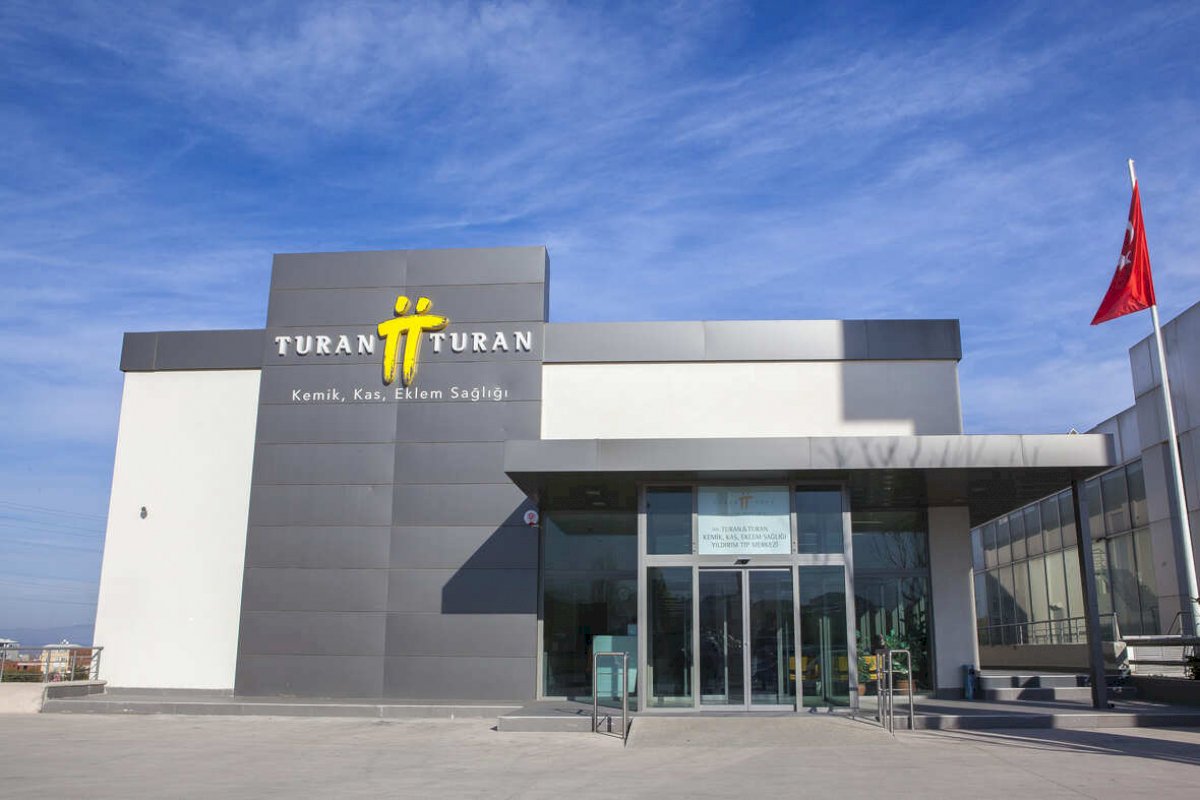

Best Resection of gallbladder Clinics in Turkey for Australians: 33 Verified Options and AUD Prices

Lokman Hekim Istanbul Hospital
Mehmet Saydam




Hisar Hospital Intercontinental
Kivanc Derya Peker

















Resection of gallbladder Overview in Turkey
- Resection of gallbladder - from AUD $3,923The gallbladder removal to resolve gallstones or inflammation with small incisions for faster recovery.
- Bookimed deposit: $200 or €200.
- Clinic deposit: Pay a set percentage in advance.
Our Trusted Doctors for Australian Patients
View all Doctors
Kaplan Baha Temizgonul
Dr. Kaplan Baha Temizgonul is a specialist bariatric surgeon at Lotus Bariatrics in Istanbul. He has managed patient follow-ups for up to 17 years after sleeve gastrectomies. Dr. Temizgonul trained at Bakirkoy Dr. Sadi Konuk Hospital, a high-volume center for laparoscopic surgery. He also gained surgical experience in emergency medicine at the Syrian border.
- Operates at Lotus Bariatrics, which maintains a 95% success rate for obesity treatment.
- Performs gastric bypass, sleeve gastrectomy, and stomach stapling procedures.
- Maintains an active role in medical research with several published articles.
- Works at a clinic authorized by the Turkish government for international health tourism.

Koray Karabulut
Dr. Koray Karabulut is a general surgeon at Memorial Göztepe Hospital in Istanbul. He specializes in liver transplantation and robotic HPB surgery. He completed a research fellowship in liver tumors at the Cleveland Clinic. He also trained in minimally invasive surgery at IRCAD in France.
- Served as the responsible specialist at Fırat University Liver Transplant Center.
- Completed specialized robotic HPB surgery training at Ageo Medical Center in Japan.
- Authored clinical guidelines for the Turkish Surgical Society.
- Published over 400 scientific papers in journals like Surgery and Surg Endosc.
Salih Yilmaz

Adnan Bulut
Video Stories from Bookimed Patients
Reviews about Bookimed: Discover Patients' Insights
All reviews



Share this content
 Anna Leonova

FAQ about Resection of gallbladder in Turkey
Is it safe to get gallbladder removal surgery in Turkey?
Gallbladder removal in Turkey is safe when performed at accredited hospitals such as Memorial Şişli or Anadolu Medical Center. These facilities hold JCI accreditation and international affiliations. Specialists use minimally invasive laparoscopic and robotic-assisted techniques for faster recovery and higher surgical precision.
- Accredited facilities: Memorial Şişli was Turkey's first JCI-accredited hospital and upholds global safety standards.
- Advanced technology: Memorial Göztepe Hospital provides robotic
Which surgical technique is most commonly used for gallbladder removal in Turkey?
Laparoscopic cholecystectomy, or keyhole surgery, is the standard technique for gallbladder removal in Turkey. Surgeons perform this minimally invasive procedure through small abdominal incisions. They often complete it in under 2 hours. Over 98% of cases proceed without needing conversion to traditional open surgery.
- Keyhole technique: Surgeons use a camera and tiny instruments to safely remove the gallbladder.
- Robotic assistance: Some centres like Memorial Göztepe Hospital use the da Vinci XI robotic system.
- Hospital stay: Patients typically spend 0–2 days in hospital depending on their recovery speed.
- Low risk: Minimal scarring and faster recovery compared to traditional open abdominal surgery methods.
Bookimed Expert Insight: Turkish surgical teams frequently perform no-drain procedures, which can significantly improve comfort during early recovery. Some Istanbul clinics offer gallbladder-preserving stone removal. During your consultation, confirm whether the surgeon plans a full cholecystectomy or this less common preservation technique.
Patient Consensus: Most patients in Turkey receive keyhole surgery as the default option unless unexpected complications arise. The process is straightforward. Many clinics include VIP transfers to handle all logistics between the airport and hospital.
How long is the required hospital stay and total trip duration for gallbladder removal in Turkey?
Laparoscopic gallbladder removal in Turkey typically requires a 1-night hospital stay and a total trip duration of 4 to 7 days. Specialists such as Dr Adnan Bulut at Lokman Hekim Akay Hospital use minimally invasive techniques. These often allow same-day walking and discharge within 24 to 48 hours.
- Hospital stay: Patients usually spend 1 night in hospital for observation after laparoscopic surgery.
- Trip duration: Patients should plan for 4 to 7 days to cover pre-op tests and final checkups.
- Surgical time: The procedure itself is brief, typically taking about 1 hour under general anaesthesia.
- Package inclusions: Many clinics bundle 1–2 hospital nights with 2–4 hotel nights for recovery.
- Travel readiness: Surgeons generally clear patients for flights once they eat and walk comfortably.
Bookimed Expert Insight: While many Istanbul clinics offer 0-day hospital stays, packages at Ankara or Bursa centres often include 2 nights of inpatient care for the same price. This extra night provides a safer buffer for Australian travellers before moving to a hotel or heading to the airport.
Patient Consensus: Patients in Turkey report walking and eating normally shortly after the anaesthetic wears off. Most experienced a smooth transition from a 1-night hospital stay to a nearby hotel before flying home.
When is it safe to fly back home after gallbladder removal in Turkey?
For an uncomplicated laparoscopic gallbladder removal in Turkey, most patients are safe to fly home after 7 to 10 days. Australians facing long-haul flights should ideally wait 10 to 14 days. This helps ensure comfort and reduces the risk of deep vein thrombosis during the journey.
- Short-haul flights: Wait at least 7 days until abdominal core pain and bloating subside.
- Long-haul flights: Allow 10 to 14 days for internal healing before the 14+ hour journey.
- Open surgery: Plan for 4 to 6 weeks as large incisions require longer stabilisation.
- Luggage limits: Avoid lifting more than 5kg for several weeks to prevent incisional hernias.
- Travel clearance: Obtain a written fit-to-fly certificate during the mandatory final post-operative checkup.
Bookimed Expert Insight: While many clinics like Turan Turan Health Group offer packages with only 1 night in hospital, Australian patients should look for all-inclusive deals that bundle 5 to 7 nights of hotel stay. This extra time allows residual surgical gas to dissipate before the pressure changes of a long-haul flight.
Patient Consensus: Patients in Turkey found walking comfortably and managing digestion were better readiness signals than scar appearance. They suggest booking aisle seats for frequent stretching and arranging airport wheelchair assistance to avoid straining core muscles.