62 Best Porcelain bridge Clinics in Turkey — AUD Prices


Medically reviewed by
Fahad Mawlood
How it works
How Much Does Porcelain bridge Cost in Turkey in AUD?
In Turkey, a porcelain bridge typically costs from AUD $590 to AUD $2,200. Total costs depend on the number of units required, the choice of zirconia or metal-fused porcelain, and the specific dental clinic tier. Standard inclusions often cover panoramic X-rays, local anaesthetic, and transfers between the airport and clinic.
- Number of units: Total price increases with every additional crown used to span the gap.
- Zirconia foundation: Often adds a 20–30% premium over metal-fused porcelain for better durability and aesthetics.
- Major medical hubs: Primary destinations for dental tourism include Istanbul, İzmir, and Antalya.
- Clinic service level: Fees in Istanbul may run 15–20% higher than those in regional cities.
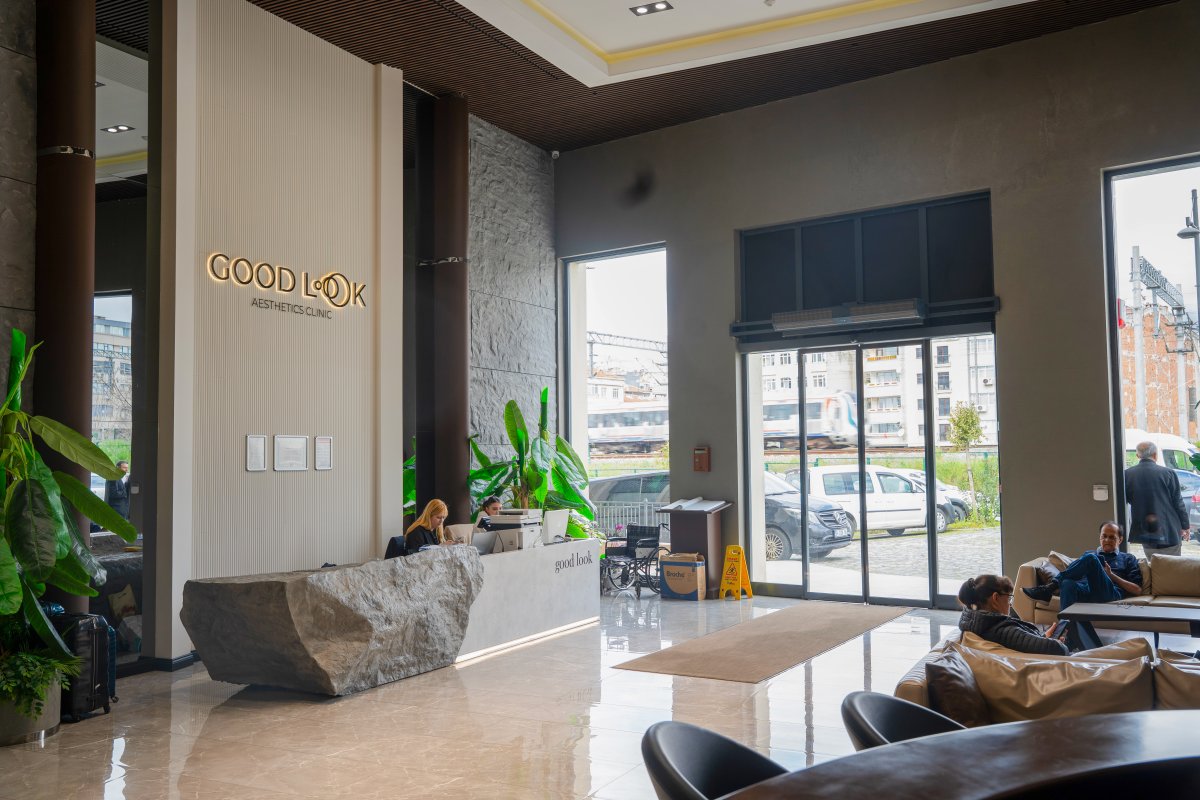
Bookimed Expert Insight: While many Australians focus on price, value lies in the equipment and material guarantees provided. Large networks like Hospitadent Dental Group use the CEREC technique for precise digital fitting. Some clinics, including Good Look Clinic, even offer 20-year guarantees on zirconia restorations. Choosing clinics accredited by TÜV NORD or JCI ensures high international safety standards are met at a fraction of Australian private clinic fees.
| Turkey | Thailand | |
|---|---|---|
| Porcelain bridge | from AUD $590 | from AUD $590 |
Best Porcelain bridge Clinics in Turkey for Australians: 62 Verified Options and AUD Prices





Memorial Şişli Hospital
Asli Tapan Kavusturan





Hair Clinic






Porcelain bridge Overview in Turkey
- Dental bridge installation - from AUD $223This therapy replaces missing teeth, involving anchoring an artificial tooth to adjacent natural ones, improving smile and chewing ability.
- Maryland bridge installation - from AUD $223The procedure involves securing a false tooth using wings glued to the adjoining teeth, enhancing smile aesthetics.
- Dental bridge for molars - from AUD $519This therapy replaces missing back teeth, using crowns on adjacent teeth for support, improving chewing ability.
- Porcelain bridge - from AUD $593The operation creates a natural-looking artificial tooth to replace missing ones, using durable yet cosmetic material.
- Zirconia dental bridge - from AUD $267This therapy replaces missing teeth using strong, tooth-colored ceramics, giving a natural look with improved chewing function.
- Cantilever bridge - from AUD $519This therapy replaces missing teeth using anchor teeth and a prosthetic tooth, providing firmness and a natural look.
- Resin bonded bridge - from AUD $415This therapy replaces a missing tooth, using a false tooth connected by resin to neighboring teeth, leaving them intact.
- Bookimed deposit: $200 or €200.
- Clinic deposit: Pay a set percentage in advance.
Our Trusted Doctors for Australian Patients
View all Doctors
Ertan Etemoglu
32 years specializing in dental implants and porcelain bridges – Dr. Etemoglu works at a state-of-the-art clinic in central Istanbul.
- Member of the American Dental Association
- Specializes in Oral Surgery, Cosmetic Dentistry, and Implantology
- Fluent in English and Turkish with multilingual assistants
- Focuses on All-on-4/6 dental implants and complex cases

Maryam Fazeli
Specializes in aesthetic smile design and Hollywood Smile applications – Dr. Fazeli focuses on creating natural-looking porcelain bridges at Nifa Dent International.
- Prosthetic dental treatment specialist with 10 years of experience
- Completed specialization at Izmir Katip Çelebi University
- Fluent in English, Persian, and Azerbaijani for international patients
Koray Atik
Dr. Koray Atik specializes in aesthetic dentistry, with international training in London. He offers porcelain bridges among other advanced dental solutions.
- Graduated from Hacettepe University Faculty of Dentistry
- Specializes in aesthetic dentistry and dental implantology
- Contributes as a columnist to Milliyet Newspaper
- Provides a wide range of dental procedures including porcelain bridges

Mustafa Orkun Ertugrul
Specializes in restorative dentistry with a focus on aesthetic treatments like porcelain bridges at İstinye Dental Hospital.
- 11 years of experience in restorative dentistry
- Trained in direct and indirect restorative treatments
- Member of the Restorative Dentistry Association
- Published research on aesthetic restorative materials
Video Stories from Bookimed Patients
Reviews about Bookimed: Discover Patients' Insights
All reviewsShare this content
 Anna Leonova

FAQ about Porcelain bridge in Turkey
Is the porcelain bridge procedure in Turkey painful?
Porcelain bridge procedures in Turkey are typically painless. Dentists use local anaesthesia to numb the area during tooth preparation. Most patients report feeling only pressure or vibrations rather than sharp pain. Major centres in Istanbul and Izmir use digital 3D imaging for precise fittings.
- Anaesthesia coverage: Specialists use local anaesthesia so patients feel nothing while teeth are shaped.
- Post-treatment sensation: Minor sensitivity to hot or cold is common for 3–5 days after fitting.
- Tooth preparation: Patients often describe the grinding process as a vibrating sensation rather than pain.
- Jaw fatigue: Longer appointments at clinics like WestDent may cause temporary jaw soreness.
- Bite adjustments: Some patients need minor bridge adjustments to resolve chewing pressure sensitivity.
Bookimed Expert Insight: Bookimed data shows that high-volume clinics like Inter Dental Turkey use on-site digital labs. This often removes the need for multiple adjustment sessions. These clinics serve hundreds of Australian patients who prefer this faster digital fitting process.
Patient Consensus: Patients in Turkey describe the work as manageable. They mostly report numbness rather than pain. They highlight that bridges look natural. Many suggest using temporary bridges to reduce sensitivity between appointments.
How long do porcelain bridges placed in Turkey typically last?
Porcelain bridges in Turkey typically last 10 to 15 years. Premium materials like zirconia often reach 20 years. Longevity depends on material choice, oral hygiene, and specialist fitting. Turkish clinics use digital workflows and international brands for durable, natural-looking results.
- Material durability: Zirconia bridges generally last 15–20 years due to high fracture resistance.
- PFM longevity: Porcelain-fused-to-metal (PFM) bridges usually last between 10 to 12 years.
- Extended warranties: Clinics like Good Look Clinic offer 20-year guarantees on zirconia restorations.
- Modern technology: Centres use CEREC and digital scanners for precise, long-lasting prosthetic fits.
Bookimed Expert Insight: Data shows that the longest-lasting bridges come from clinics with in-house labs, such as Inter Dental Turkey. These facilities use REDON and Dentsply Sirona technologies to control the entire manufacturing process. This precision reduces the risk of structural failure compared to off-site laboratory work.
Patient Consensus: Patients in Turkey report that zirconia bridges match their natural teeth perfectly and feel incredibly strong. Many mention that professional cleaning every 6 months is key to keeping their bridge functional.
What is the difference between a dental bridge and a dental implant when considering treatment in Turkey?
The main difference between a bridge and an implant is how the new tooth is supported. A bridge uses adjacent teeth as anchors. An implant sits on a titanium post surgically placed into the jawbone. Implants preserve natural bone and surrounding teeth but require more time.
- Treatment speed: Bridges are completed in 1–2 weeks. Implants usually require 3–6 months for osseointegration.
- Tooth preservation: Implants stand alone. Bridges require filing down healthy adjacent teeth to serve as anchors.
- Long-term durability: Implants often last a lifetime. Bridges typically need replacement every 10–15 years.
- Surgical requirements: Implants involve minor surgery. Bridges are a non-surgical prosthetic option.
Bookimed Expert Insight: Many patients overlook the same-day crown technology available in Turkey. Clinics like Hospitadent Dental Group use CEREC digital milling to create bridge components in one visit. This allows travellers to complete a porcelain bridge in a single trip. It avoids the 3-month wait required for traditional implants.
Patient Consensus: Turkish clinics provide excellent colour matching for zirconia bridges. This ensures restorations look natural and feel secure. Patients recommend checking if quotes include temporary teeth and lab fees for a smooth transition during healing.
What types of porcelain bridges are available for patients visiting Turkey?
Patients in Turkey can access several types of porcelain bridges. These include full-ceramic, zirconia, and porcelain-fused-to-metal (PFM) options. Clinics in Istanbul and Izmir use CAD/CAM technology like CEREC. They use brands such as Ivoclar Vivadent for durable, functional dental restorations.
- Zirconia bridges: Durable, metal-free restorations providing high strength and a natural white appearance.
- PFM bridges: Metal base covered with porcelain, offering a cost-effective solution for back teeth.
- E-max bridges: Aesthetic glass-ceramic restorations ideal for mimicking natural enamel on front teeth.
- Implant-supported bridges: Permanent porcelain bridges anchored to implants rather than adjacent teeth.
- Maryland bridges: Conservative resin-bonded options requiring minimal preparation of the surrounding teeth.
Bookimed Expert Insight: Many leading Turkish clinics, such as Hospitadent Dental Group, operate in-house dental labs. They use REDON or CEREC equipment. This allows specialists to perform colour matching and adjustments on-site. This digital workflow often reduces the wait time for a permanent bridge to just 3–5 days.
Patient Consensus: Patients in Turkey report that zirconia bridges match their natural teeth colour closely. They suggest confirming the material brand and manufacturer in writing before travelling to get high-quality results.
How long do I need to stay in Turkey for my porcelain bridge treatment?
Standard porcelain bridge treatment in Turkey usually requires a stay of 5 to 7 days. This allows time for tooth preparation, laboratory fabrication, and final fitting. If using same-day CEREC technology, the timeframe may be shorter. However, a 7-day trip allows for a better fit.
- Treatment timeline: Most clinics recommend 5–7 days for lab-made bridges.
- Initial appointment: Specialists prepare abutment teeth and take digital impressions on day 1 or 2.
- Fabrication period: Laboratory technicians craft the permanent bridge over 3–4 days for a precise fit.
- Final fitting: Surgeons cement the permanent bridge and check your bite on day 5 or 7.
Bookimed Expert Insight: Inter Dental Turkey and other clinics use on-site digital labs to speed up production. Having technicians in-house often allows for same-day adjustments. This removes the need for a second trip if the bite or colour needs fine-tuning.
Patient Consensus: Patients visiting Turkey recommend allowing extra days for colour matching and bite adjustments. Most appreciated that temporary bridges were provided while waiting for their final natural-looking zirconia results.
Why is Turkey a popular destination for Australian dental patients seeking porcelain bridges?
Australia-based patients choose Turkey for porcelain bridges to access quality materials and fast treatment at lower costs. Major clinics in Istanbul and Izmir provide fixed bridge solutions within a single week.
- Quality materials: Clinics use original Straumann and Ivoclar Vivadent components for durable, metal-free porcelain restorations.
- Fast-track technology: On-site labs and CEREC CAD/CAM systems allow for custom bridge fabrication in days.
- Expert specialists: Many Turkish prosthodontists have 20+ years of experience and hold American Dental Association memberships.
- Inclusive logistics: Typical packages bundle specialised dental work with VIP airport transfers and 4-star hotel accommodation.
Bookimed Expert Insight: Turkish dental clinics like Hospitadent Dental Group serve over 150,000 patients annually. They operate as one-stop centres. Unlike Australia, where labs and specialists often work separately, Turkish clinics use on-site digital labs. This allows them to adjust the fit and colour of a zirconium bridge instantly. These clinics can complete complex multi-unit work in a single 5–7 day trip.
Patient Consensus: Patients value the precise colour matching and caring staff who simplify the travel process in Turkey. They often note travel packages make the journey worthwhile. Many recommend confirming bite alignment with the surgeon before flying home.