12 Best Orchiectomy Clinics in Turkey — AUD Prices


Medically reviewed by
Yesim Yildirim
How it works
How Much Does Orchiectomy Cost in Turkey in AUD?
Orchiectomy in Turkey typically costs from AUD $5,000 to AUD $9,200. The total price depends on the surgical approach, clinic reputation, and the specific needs of the patient. Packages usually include the surgical procedure, anaesthesia, and a hospital stay in major hubs like Istanbul or Antalya.
- Surgical approach: Simple scrotal procedures for gender-affirming care generally cost less than complex inguinal oncological surgeries.
- Bilateral surgery: Removing both testicles typically adds 40–60% to the cost compared to a single procedure.
- Clinic location: Packages in Istanbul may run 15–20% higher than those in regional cities like Izmir.
- Surgeon expertise: Senior urologists with 30+ years of experience may command a premium for complex cases.
Bookimed Expert Insight: Choosing a multi-specialty hospital provides excellent value for Australian patients. For example, Hisar Hospital Intercontinental offers packages starting around A$3,600 that include urologists with 30+ years of experience. High-tier options often bundle private rooms and JCI-accredited care for approximately A$4,500. This ensures access to senior specialists and international quality standards while still maintaining significant savings for those travelling from Australia.
| Turkey | Thailand | |
|---|---|---|
| Orchiectomy | from AUD $5,000 | from AUD $5,600 |
Best Orchiectomy Clinics in Turkey for Australians: 12 Verified Options and AUD Prices

Hisar Hospital Intercontinental
Basri Cakiroglu




Dr. Bugra Cetin- Uroaesthetic Clinic
Dr Bugra Cetin



Medipol Mega University Hospital
Selami Albayrak






Orchiectomy Overview in Turkey
- Orchiectomy - from AUD $4,980The surgery involves removal of one or both testicles, traditionally used to treat testicular cancer or prostate issues.
- Removal of testicle tumor - from AUD $6,036This procedure excises a testicular mass, enhancing health and potentially preventing cancer spread.
- Testicular prosthesis - from AUD $6,036This surgery adds a testicular prosthesis replacing a missing one, offering a natural look and boosting self-esteem.
- Bookimed deposit: $200 or €200.
- Clinic deposit: Pay a set percentage in advance.
Our Trusted Doctors for Australian Patients
View all Doctors
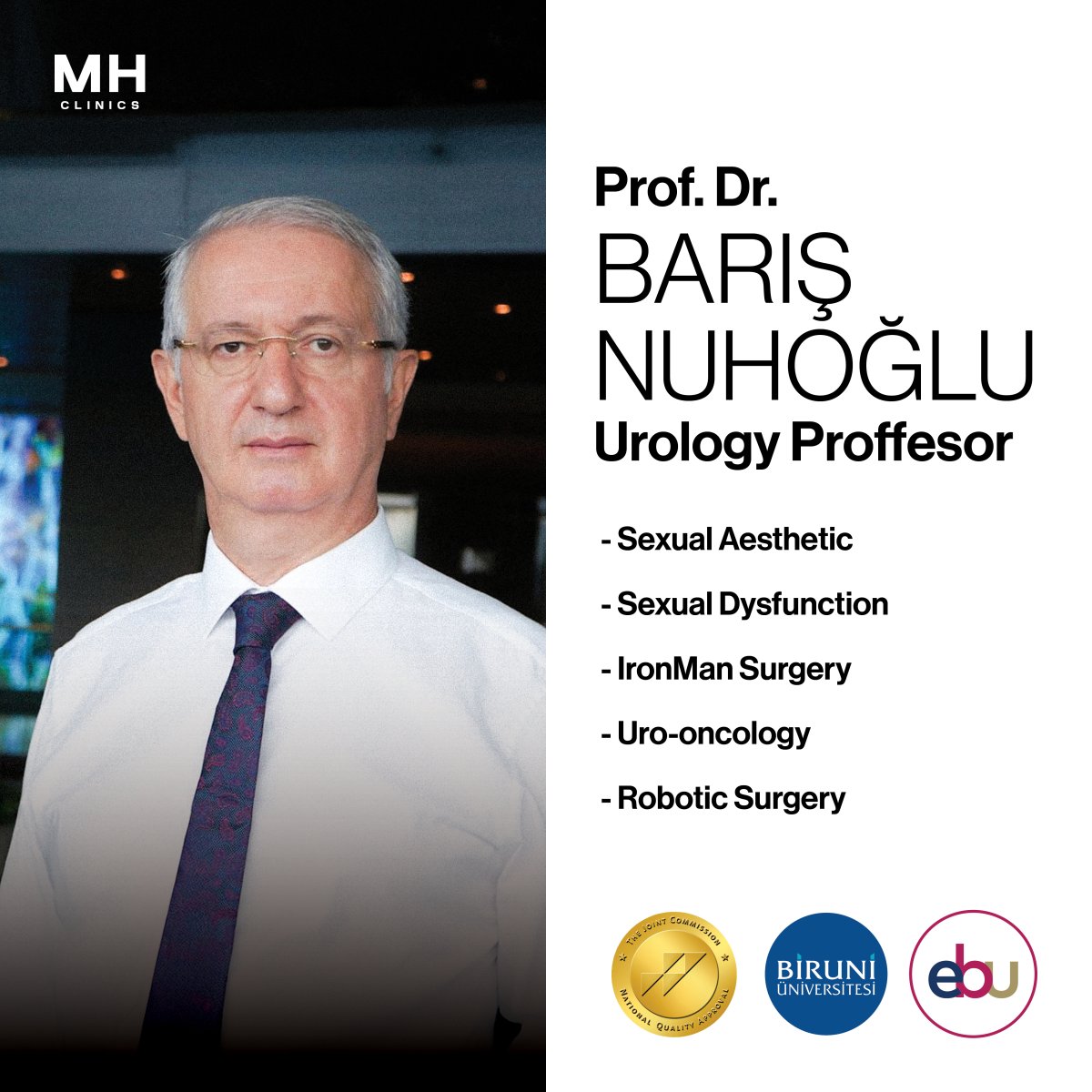
Baris Nuhoglu
Dr Bugra Cetin
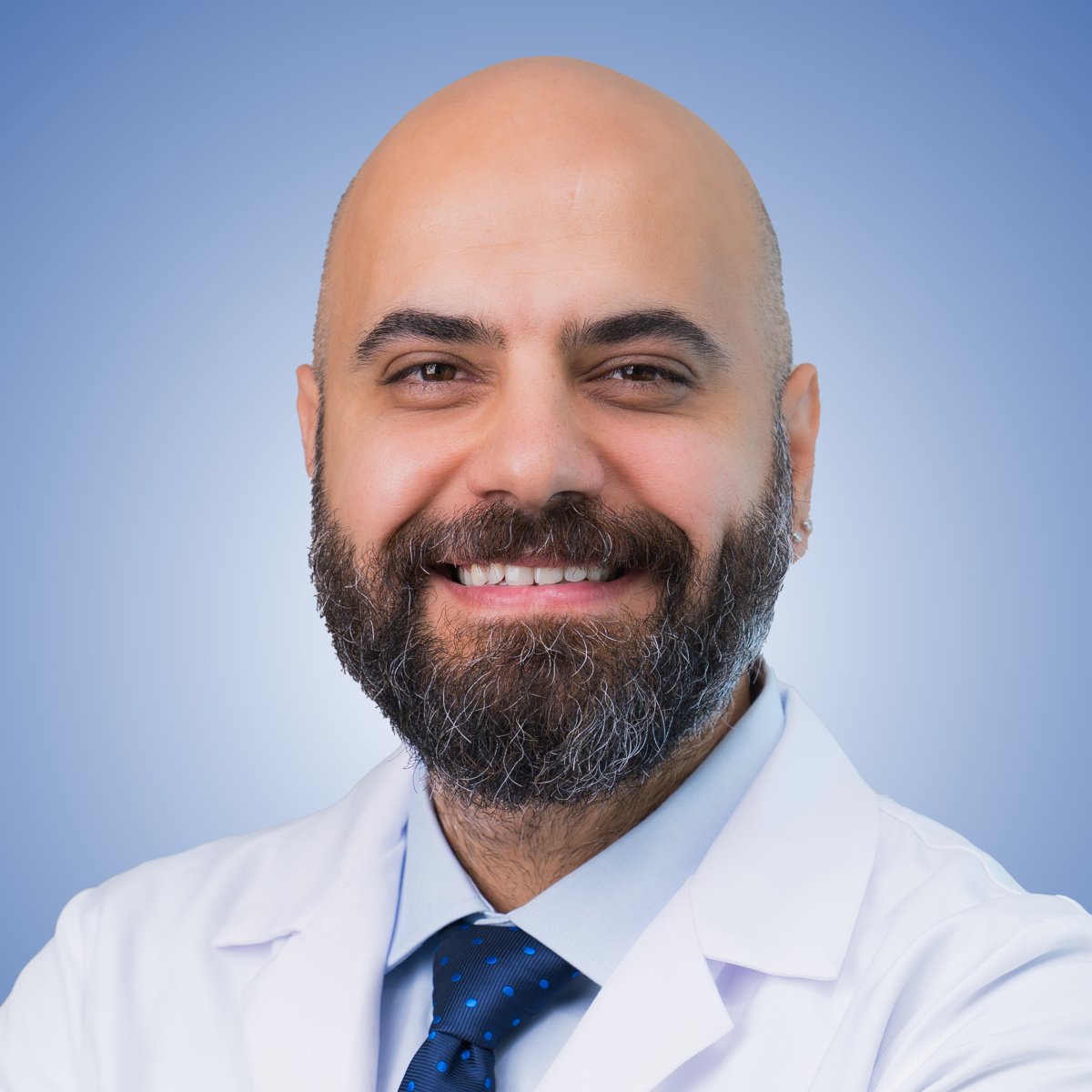
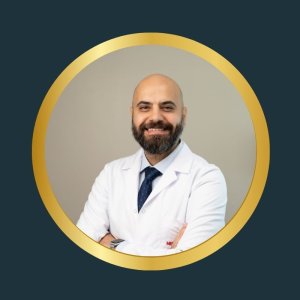
Dr. Bugra Cetin is a board-certified urological surgeon at Uroaesthetic in Istanbul. He specializes in penile prosthesis surgery, genital reconstruction, and male sexual health. Dr. Cetin has performed hundreds of successful penile implant and reconstructive procedures. He holds a PhD in Molecular Medicine and acts as a Rigicon Global Reference Center specialist.
- Member of the International and European Societies for Sexual Medicine.
- Treats erectile dysfunction, Peyronie’s disease, and complex urethral strictures.
- Uses microsurgical and endoscopic techniques for varicocelectomy and bladder procedures.
- Works at Uroaesthetic, a clinic holding ISO and European Board of Urology certifications.
Basri Cakiroglu
Dr. Basri Cakiroglu is an Associate Professor of Urology at Hisar Hospital Intercontinental in Istanbul. He specializes in urooncology, pediatric urology, and male infertility treatment. Dr. Cakiroglu performs complex surgical interventions using the robotic da Vinci system. He works at a JCI-accredited hospital that serves over 500,000 patients annually.
- Performs robotic prostatectomy and kidney-sparing surgeries.
- Treats conditions including varicocele, prostatitis, and polycystic kidney disease.
- Specializes in andrology, infertility, and pediatric urological care.
- Authored numerous medical articles in international and local journals.

Cenk Acar
Dr. Cenk Acar is a urological surgeon at Hisar Hospital Intercontinental in Istanbul. He has performed over 500 surgeries for urological cancers. He was the first doctor in Turkey to apply bipolar prostate enucleation. Dr. Acar completed a fellowship in robotic and laparoscopic surgery at The Netherlands Cancer Institute.
- Performed over 250 HOLEP procedures for benign prostate enlargement.
- Expert in intraoperative fluorescence imaging for robotic urological surgeries.
- Specializes in sentinel lymph node dissections for prostate cancer treatment.
- Works at a JCI-accredited hospital serving 500,000 patients annually.
Video Stories from Bookimed Patients
Reviews about Bookimed: Discover Patients' Insights
All reviews


Share this content
 Anna Leonova

FAQ about Orchiectomy in Turkey
Will an orchiectomy in Turkey affect hormone levels and fertility?
Biological impacts of an orchiectomy depend entirely on whether one or both testicles are removed. Unilateral removal usually allows the remaining testicle to maintain normal testosterone and fertility. Bilateral removal causes permanent sterility and requires lifelong hormone replacement therapy to manage health.
- Unilateral impact: Remaining testicle typically compensates to maintain normal testosterone levels and fertility.
- Bilateral impact: Results in immediate sterility and requires permanent testosterone replacement therapy (TRT).
- Sperm banking: Specialists recommend cryopreservation before surgery if future biological fatherhood is desired.
- Tumour removal: Procedures for testicular tumours in Turkey range from $4,000 to $6,800.
Bookimed Expert Insight: Turkish urologists often lead large-scale research. Surgeons like Dr. Orhan Ünal Zorba have published over 29 international papers. Data shows clinics like Men's Health Clinics specialise in male fertility and andrology. Patients benefit from this high-volume expertise. This helps the remaining testicle function optimally after surgery.
Patient Consensus: Men report testosterone levels often return to normal within months. Some have fathered healthy children after surgery. They suggest regular blood tests in Turkey to monitor hormone balance. They also recommend discussing sperm banking early.
Why do international patients choose Turkey for an orchiectomy?
International patients choose Turkey for an orchiectomy to access board-certified urologists and JCI-accredited facilities. The procedure costs significantly less than in Australia. The available advanced techniques include scarless v-NOTES surgery and laparoscopic approaches. These provide high-quality clinical outcomes without the long waiting lists found in public healthcare systems.
- Significant savings: Procedure costs range from $3,300 to $6,100, saving up to 65% compared to Australian averages.
- Expert specialists: Surgeons like Dr Basri Cakiroglu at Hisar Hospital Intercontinental bring 30+ years of clinical experience.
- Advanced techniques: Facilities like Hisar Hospital offer v-NOTES, a scarless surgical method for faster recovery times.
- Accredited infrastructure: Major centres like Medipol Mega University Hospital hold JCI accreditation and serve 1,000,000+ patients annually.
- Comprehensive packages: Clinics often bundle surgical fees, private hospital rooms, and local transfers. These are all included in one price.
Bookimed Expert Insight: Turkish urology departments often function within massive multi-specialty complexes. For example, Medipol Mega houses 70 departments. This allows for immediate cross-specialty support from oncologists or endocrinologists. This is crucial if the orchiectomy is part of a complex cancer treatment plan. For Australian patients, this integrated care provides a level of safety. It is usually reserved for major metropolitan teaching hospitals.
Patient Consensus: Patients found the medical teams friendly and the entire process perfectly organised. One quote covers hotel stays and logistics, making the journey through Istanbul feel seamless.
What types of orchiectomy procedures are performed in Turkish clinics?
Turkish clinics perform radical inguinal, simple, and subcapsular orchiectomies for oncology, trauma, and gender-affirming care. Specialists at JCI-accredited facilities in Istanbul and Antalya use techniques ranging from scrotum-preserving surgery to scarless v-NOTES approaches. They often incorporate concurrent prosthetic insertion to maintain physical appearance.
- Radical inguinal orchiectomy: standard for testicular cancer, removing the testicle and spermatic cord.
- Simple scrotal orchiectomy: direct scrotal incision used for trauma, hormone therapy, or gender affirmation.
- Subcapsular technique: removes functional tissue while leaving the outer capsule for cosmetic volume.
- Combined gender-affirming surgery: bilateral removal often bundled with scrotectomy or urethral relocation.
- Scarless v-NOTES surgery: minimally invasive approach used by specialists like Dr Sema Karakas.
Bookimed Expert Insight: Simple orchiectomies cost from $3,300. Patients seeking gender-affirming care should note: Turkish law requires a court order before surgeons proceed. Top-tier clinics like Hisar Hospital bundle private rooms and specialist fees into A$3,600–A$4,400 packages. This provides significant value compared to Australian averages.
Patient Consensus: The medical teams in Turkey are friendly and provide perfect support throughout the process. Patients recommend confirming whether the scrotum is preserved or removed during bilateral procedures.
What is the typical recovery timeline after an orchiectomy in Turkey?
Most patients recover from an orchiectomy in Turkey within 4 to 6 weeks. An initial 1-day hospital stay is standard. Recovery follows international urological protocols. It is managed by experienced specialists like Dr Orhan Ünal Zorba, who has 25+ years of surgical expertise.
- Immediate phase: Rest and pain management dominate the first 48 to 72 hours post-surgery.
- Walking mobility: Short indoor walks start early, with normal walking typically returning within 2 weeks.
- Work return: Desk-based roles often resume 1 to 2 weeks after initial healing.
- Physical limits: Heavy lifting over 5 kg and strenuous exercise must wait 4 to 6 weeks.
Bookimed Expert Insight: Turkish urology centres often bundle recovery essentials that Australians usually pay for separately. For example, packages at Hisar Hospital Intercontinental include private rooms and specialist follow-ups. This helps monitor for early signs of haematoma or infection before the flight home.
Patient Consensus: The first few days are the most challenging, but painkillers make it manageable. Men found the medical teams in Turkey very friendly. They felt comfortable walking within a week.