68 Best Moustache transplantation Clinics in Turkey — AUD Prices

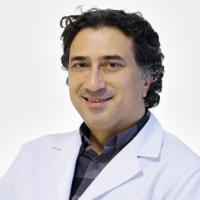
Medically reviewed by
Ergin Er
How it works
How Much Does Moustache transplantation Cost in Turkey in AUD?
In Turkey, Moustache transplantation typically costs from AUD $1,400 to AUD $1,800. The final price depends on the chosen technique, total grafts required, and the inclusion of luxury accommodation or transport services. Most Turkish clinics include hotel stays, private airport transfers, and post-operative medications in their standard packages.
- Technique selection: DHI methods often cost 20–30% more than FUE due to specialised equipment.
- Graft count: Costs rise by approximately 15% for high-density transplants exceeding 1,500 grafts.
- City location: Istanbul clinics may carry a 10–15% premium over regional hubs like Antalya.
- Package inclusions: Premium tiers frequently bundle 24/7 patient monitoring and local city tours into the price.
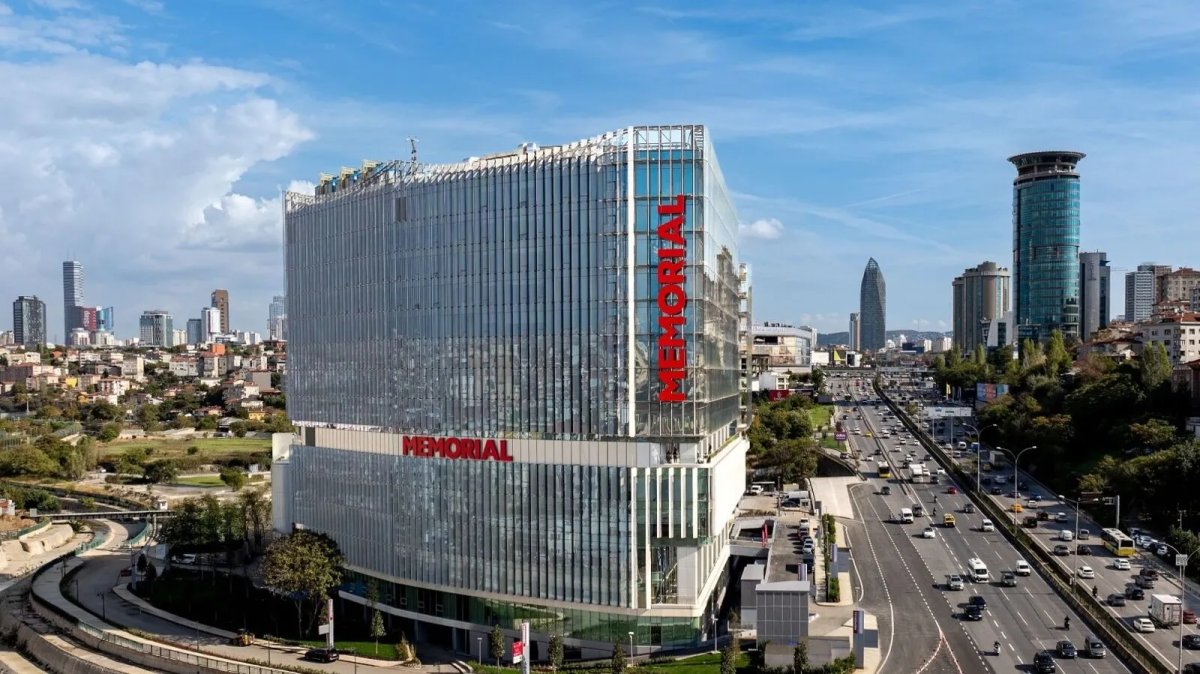
Bookimed Expert Insight: Choosing clinics in Istanbul or Antalya provides access to specialists with immense procedural volume. For instance, Dr. Oya Şişman has performed over 3,500 transplants, while Dr. Salim Ozd has completed over 5,000 cases. Many facilities, such as the JCI-accredited Memorial Şişli Hospital, offer transparent pricing for Australians. You can find all-inclusive packages around A$3,200 that cover a luxury hotel stay, private car transfers, and personal shopping assistants.
| Turkey | Thailand | |
|---|---|---|
| Moustache transplantation | from AUD $1,400 | ≈ AUD $2,700 |
Best Moustache transplantation Clinics in Turkey for Australians: 68 Verified Options and AUD Prices


Memorial Şişli Hospital
Orhan Babucçu





Hisar Hospital Intercontinental
Hasan Sahin




Memorial Bahçelievler Hospital
Salim Salimov

Memorial Göztepe Hospital

Moustache transplantation Overview in Turkey
- Beard transplant - from AUD $1,359This operation restores facial hair growth by grafting healthy follicles into balder areas, offering natural-looking results.
- Moustache transplantation - from AUD $1,359The procedure restores hair growth in the upper lip area, using follicles from other body parts, guaranteeing natural look.
- Bookimed deposit: $200 or €200.
- Clinic deposit: Pay a set percentage in advance.
Our Trusted Doctors for Australian Patients
View all Doctors
Leyla Arvas
Dr. Leyla Arvas specializes in moustache transplantation with extensive training in microsurgery and aesthetic procedures at top international hospitals.
- Trained in microsurgery at Taiwan's Chang Gung Memorial Hospital
- Experienced in laser treatments for facial aesthetics
- Performs surgeries at well-qualified hospitals like Taksim Acıbadem
- Expert in various aesthetic and reconstructive procedures

Hakan Ikizoglu
Dr. Hakan Ikizoglu specializes in moustache transplantation with 12 years of experience in hair restoration techniques.
- Expert in Safir FUE, DHI, and Hybrid transplantation methods
- Performs beard, eyebrow, and eyelash transplants alongside moustache procedures
- Holds additional qualifications in Health Services Management and Business Administration
- Graduated from Uludag University with medical degree

Cemal Firat
Professor Cemal Firat specializes in microsurgery and aesthetic procedures at Medical Park Antalya Hospital Complex.
- 24 years of experience in plastic and reconstructive surgery
- Expertise in nerve injuries and microsurgical techniques
- Trained at Inonu University, a leading Turkish medical school
- Published research on tissue regeneration and burn healing
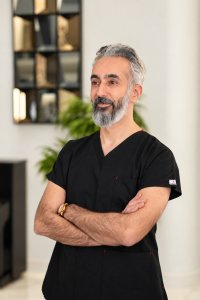
Furkan Erol Karabekmez
Dr. Furkan Erol Karabekmez is a plastic surgeon at his private clinic in Ankara. He completed a research fellowship at the prestigious Mayo Clinic in the USA. He is an EBOPRAS-certified surgeon, meeting European standards for aesthetic and reconstructive procedures. Dr. Karabekmez specializes in complex cases like revision rhinoplasty and congenital deformity repair.
- Holds a diploma from the European Board of Plastic, Reconstructive and Aesthetic Surgery.
- Published over 50 peer-reviewed articles and delivered 120+ scientific presentations.
- Performs surgeries at Acıbadem Ankara Hospital, an internationally accredited facility.
- Former research fellow at the Mayo Clinic department of plastic surgery.
Video Stories from Bookimed Patients
Reviews about Bookimed: Discover Patients' Insights
All reviews


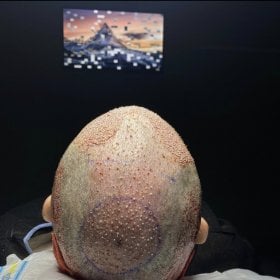
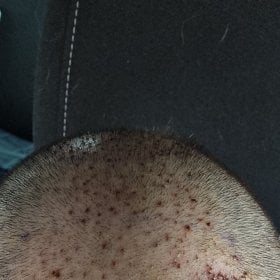
Moustache transplantation: Before & after photos
View all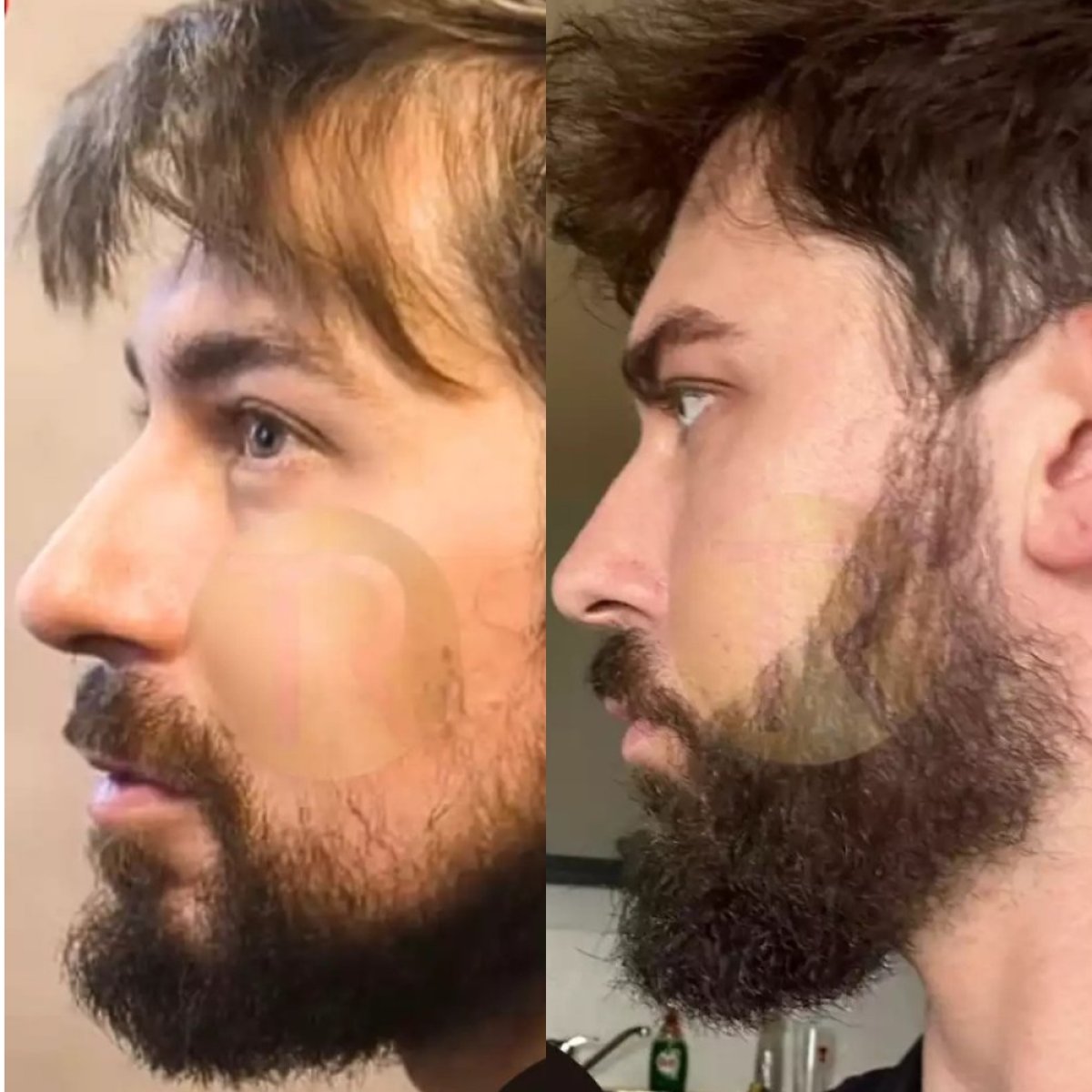
Share this content
 Anna Leonova

FAQ about Moustache transplantation in Turkey
What are the risks involved in a moustache transplantation procedure in Turkey?
Moustache transplantation in Turkey poses risks like infection, scarring, and unnatural hair growth. Some clinics may use unqualified technicians, raising complication chances. Proper surgical technique and choosing JCI- or ISAPS-accredited clinics help ensure natural results and reduce common side effects such as swelling and numbness.
- Infection and hygiene: risk rises if clinics lack strict sterilisation.
- Graft placement: wrong angles cause unnatural, porcupine-like hair growth.
- Scarring: improper technique can leave visible or permanent scars.
- Technician-led procedures: unqualified staff increase chances of poor results.
- Swelling and numbness: usually temporary, affecting face after surgery.
Bookimed Expert Insight: Clinics like Lokman Hekim Istanbul Hospital with JCI and ISO certifications offer stricter hygiene and surgeon-led procedures. Experienced specialists such as Dr Hakan Ikizoglu in Istanbul perform hybrid FUE-DHI methods, reducing unnatural hair angle risks. Some clinics schedule comprehensive follow-ups, which is vital for managing side effects and ensuring proper healing.
Patient Consensus: Patients in Turkey note good care and detailed guidance post-surgery. Staying 1–2 weeks post-op helps manage swelling and sleep position. Many highlight how surgeon involvement in channel opening improves natural hair direction and final look.
Who is a good candidate for a moustache transplant procedure in Turkey?
A good candidate for a moustache transplant in Turkey is a man with patchy or uneven facial hair, healthy donor hair, and realistic expectations. Clinics like Istanbul Aesthetic Plastic Surgery Center and surgeons such as Dr Erkam Caymaz use FUE or DHI techniques to deliver natural results under local anaesthesia with sedation.
- Donor hair availability: healthy follicles at the back of the head are needed.
- Common reasons: genetics, scars, or asymmetry in moustache hair growth.
- Health status: absence of serious conditions to allow a smooth recovery.
- Procedure duration: may last up to 9 hours using FUE, DHI, or hybrid methods.
- Post-op care: a 3–5 day stay in Turkey is recommended for aftercare and scab removal.
Bookimed Expert Insight: Clinics with high patient volumes, like CE International Hospital serving 12,000 patients annually, often offer an 18-month warranty on graft growth. Experienced surgeons such as Dr Erkam Caymaz perform over 5,300 moustache transplants using techniques that focus on natural hair angles. For Aussies, packages with remote follow-up and sedation options ease recovery and travel stress.
Patient Consensus: Patients find Turkey’s balance of price and quality attractive, with smooth coordination from airport pickup to hotel stays. They note sedation during anaesthesia injections reduces discomfort, and staying 3–5 days post-op helps healing. Final results usually appear around 6 months after surgery.
What techniques are used for moustache transplantation in Turkey?
Moustache transplantation in Turkey mainly uses Follicular Unit Extraction (FUE) with manual graft implantation and the Deep Sleep Method for sedation. Surgeons split follicular units into 1-2 grafts to ensure a natural look. Procedures last about 9 hours and rely on precise follicle placement to avoid scarring.
- FUE graft harvesting: standard, taking hair from the back of the head.
- Manual implantation: thousands of tiny punctures create natural angles and direction.
- Deep Sleep Method: ketamine sedation eases local anaesthetic injections.
- Follicular splitting: 1-2 grafts per site prevent cobblestoning and unnatural thickness.
- Recovery: initial healing takes about 15 days, full results appear after 6 months.
Bookimed Expert Insight: Many Turkish clinics focus heavily on manual graft splitting and precise implantation angles, which extends procedure duration but improves natural results. Clinics like Dr. Erkam Caymaz’s Hair Upload Clinic use unique protocols for natural hair flow, showing how surgeon experience and technique choice matter more than surgery length alone.
Patient Consensus: Patients appreciate detailed care and surgeon support throughout the long procedure. Many note the comfort boost from sedation and say results look natural by 6 months. Australians value clear instructions on graft splitting and sleeping position to get the best outcomes in Turkey.
How long does the recovery process take after moustache transplantation in Turkey?
Recovery after a moustache transplant in Turkey takes about 7–10 days for scabs to shed and initial healing. Hair shedding occurs at 2–4 weeks, with final natural density developing progressively over 3–12 months. Clinics schedule follow-ups the day after surgery for safe recovery support.
- Initial healing: scabs and crusts shed within 7–10 days.
- Hair shedding phase: occurs between 2 and 4 weeks post-op.
- ‘Ugly duckling’ phase: sparse hair growth lasts until 2–3 months.
- Final density: develops gradually over 3 to 12 months.
- Post-op care: weekly medication and shampoo use with doctor monitoring.
Bookimed Expert Insight: Turkey clinics like Dr Erkam Caymaz’s Hair Upload Clinic limit operations to one VIP patient daily, ensuring careful follow-up. Many Istanbul clinics perform 3,500+ FUE procedures annually, backed by certified surgeons who handle each step personally, which helps maintain smooth, supported recovery.
Patient Consensus: Patients in Turkey say healing is visible by day 10 and the shedding phase is normal. Sleeping on the back for 15 days feels tough but protects grafts. Clear instructions and follow-ups make the process easier and provide confidence in the outcome.
When will final results be visible after a moustache transplant in Turkey?
Final results after a moustache transplant in Turkey usually appear between 8 and 12 months. New fine hairs start growing at 3 to 4 months, with noticeable density by 6 months. Full thickness and a natural look settle by the 12-month mark.
- Initial hair growth: fine hairs visible at 3–4 months post-op.
- Noticeable density: most see clear moustache growth between 5 and 6 months.
- Recovery phase: redness and bumps last 3 to 7 months, called the "ugly duckling" phase.
- Final results: full thickness and natural appearance typically by 12 months.
- Assessment: final check at 12 months to consider any additional grafts.
Bookimed Expert Insight: Clinics in Istanbul like Reborn Clinics and Dr. Erkam Caymaz’s Hair Upload Clinic focus on natural growth patterns for moustache transplants with follow-up at 12 months. Understanding the "ugly duckling" phase helps patients avoid early disappointment and plan social downtime smartly. Most Turkish surgeons recommend patience through 6 months before judging results.
Patient Consensus: Patients in Turkey advise against checking the moustache daily early on. Growth speeds up after 4 months, and solid results appear after 8 to 12 months. Redness and uneven texture last several months but don't affect the long-term outcome.
Does the moustache transplantation procedure in Turkey cause pain?
Moustache transplantation in Turkey is low in pain. Local anaesthesia numbs donor and recipient areas, causing a brief sharp sting only during injections. The surgery itself feels like pressure, not pain. Post-op discomfort is minor and temporary, easily managed with simple painkillers.
- Local anaesthesia: causes brief sharp sting during multiple injections.
- Surgery phase: graft extraction and implantation are painless, felt as pressure only.
- Procedure duration: about 9 hours with breaks, outpatient, no overnight stay.
- Recovery discomfort: itching and tingling last 10–14 days, manageable with care.
- Some clinics offer sedation to ease anxiety during injections.
Bookimed Expert Insight: The painful part is always the anaesthetic injections lasting seconds. Surgeons like Dr Salim Ozd in Istanbul, with 5,000+ transplants, use dual-handed techniques to speed this up. Patients from Australia benefit by asking clinics for sedation or numbing creams to reduce injection pain.
Patient Consensus: Patients in Turkey say the sharp sting from injections is the worst part, but after that there is no pain during surgery. Itching is the main annoyance during healing. Many recommend planning ahead to sleep face-up and request sedatives if anxious.
Why is Turkey a popular destination for moustache transplants?
Turkey is popular for moustache transplants due to skilled surgeons performing FUE and DHI techniques, 24/7 follow-up, and affordable costs starting from $900 to $1,200. Istanbul clinics hold international accreditations and serve thousands of patients yearly, ensuring quality and natural results.
- Expert surgeons: Dr Erkam Caymaz performs 5,300+ transplants personally using exclusive protocols.
- Techniques: FUE, DHI, unshaven and afro hair transplants are common for natural hair flow.
- High patient volume: CE International Hospital treats around 12,000 patients annually with hair transplants.
- Medical tourism: Soraca Med includes accommodation, transfers, and 24/7 monitoring during recovery.
- Recovery: Final hair growth appears 6 to 12 months after surgery with initial shedding normal.
Bookimed Expert Insight: Clinics in Istanbul excel by personally having surgeons perform every transplant, raising quality over clinics that delegate to technicians. Packages often include recovery help and VIP transfers, a smart move for Australian patients wanting a smooth trip and healing. High patient volumes at top clinics show real trust in expertise and care.
Patient Consensus: Patients highlight Turkey for natural moustache results and surgeon attention. Many appreciate all-in clinics with easy travel plans and ongoing WhatsApp support. Combining surgery with a short holiday in Turkey is common, helping with stress-free healing and good outcomes.