21 Best Laser mole removal Clinics in Turkey — AUD Prices


Medically reviewed by
Fahad Mawlood
How it works
How Much Does Laser mole removal Cost in Turkey in AUD?
Laser mole removal in Turkey typically costs from AUD $150 to AUD $380. The final price depends on the number of moles, the specific laser technology used, and the clinic location. Quotes usually include a dermatoscopic examination and the procedure itself.
- Number of moles: Pricing often starts per lesion, but many clinics offer discounted packages for removing multiple moles in one session.
- Laser technology: Using advanced CO2 fractional or Fotona lasers may increase the base cost by approximately 20–40%.
- City locations: Istanbul, Antalya, and Ankara are the primary hubs, with Istanbul clinics sometimes charging 15–20% more than regional centres.
- Clinical expertise: Premium facilities with international accreditations often include a formal consultation with a specialist dermatologist in their pricing.
Bookimed Expert Insight: Choosing a JCI-accredited facility like Memorial Antalya Hospital or Memorial Şişli ensures high safety standards for minor procedures. While base prices start low, look for clinics like Quartz Hospital that use advanced lasers for better cosmetic results. Some specialists, such as Dr Makbule Dundar, have over 25 years of experience in dermoscopy, which is vital for correctly identifying benign moles before laser treatment.
| Turkey | Thailand | |
|---|---|---|
| Laser mole removal | from AUD $150 | from AUD $76 |
Best Laser mole removal Clinics in Turkey for Australians: 21 Verified Options and AUD Prices




Memorial Bahçelievler Hospital
Asli Tatliparmak


Memorial Göztepe Hospital



Estetik International Istanbul
Çağatay Güngörsün




Laser mole removal Overview in Turkey
- Mole Removal - from AUD $151This procedure eradicates skin growths, enhancing aesthetic appeal and preventing cancerous developments.
- Laser mole removal - from AUD $151This therapy eliminates moles by using intense light to disintegrate them, causing less scarring and quick recovery.
- Bookimed deposit: $200 or €200.
- Clinic deposit: Pay a set percentage in advance.
Our Trusted Doctors for Australian Patients
View all Doctors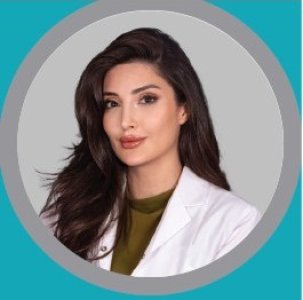
Nur Afsar
Dr. Nur Afsar is a medical aesthetics specialist at Quartz Hospital in Istanbul. She focuses on non-surgical facial contouring and evidence-based skin rejuvenation. Dr. Afsar follows a personalized approach to restore patient self-confidence. She holds a Master’s Degree in Medical Aesthetics.
- Specializes in botulinum toxin, dermal fillers, and thread lifting.
- Uses precision techniques like Ultherapy, Radiesse, and Morpheus8.
- Regularly participates in international congresses like AMWC Monaco and IMCAS Paris.
- Completed specialized training at Merz Academy and Ulthera Academy.
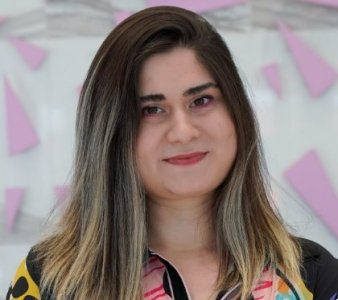
Aysel Pasazade
Dr. Aysel Pasazade is a plastic and reconstructive surgeon at Quartz Hospital in Istanbul. She holds the prestigious EBOPRAS certification. This credential confirms her competence meets high European standards. Dr. Pasazade specializes in complex body and facial transformations.
- Performs deep plane facelifts, rhinoplasty, and mommy makeovers.
- Graduated from Istanbul University Cerrahpaşa Faculty of Medicine.
- Completed residency training at Bursa Uludağ University.
- Treats over 6,500 international patients annually at Quartz Hospital.

Esra Ozbasli
Assoc. Prof. Dr. Esra Ozbasli brings over 23 years of OB-GYN expertise to laser mole removal, combining precision with aesthetic care.
- Board-certified in obstetrics and gynecology
- Specialized in minimally invasive and cosmetic procedures
- Trained in advanced laser techniques for skin treatments
- Member of international medical associations

Cemal Firat
Professor with extensive expertise in plastic and reconstructive surgery, specializing in aesthetic procedures at Medical Park Antalya Hospital Complex.
- Specializes in microsurgery and tumor surgery
- Focuses on nerve injuries and reconstructive techniques
- Professor at İnönü University Faculty of Medicine
Video Stories from Bookimed Patients
Reviews about Bookimed: Discover Patients' Insights
All reviews
Share this content
 Anna Leonova

FAQ about Laser mole removal in Turkey
Who is a candidate for laser mole removal in Turkey?
Ideal candidates for laser mole removal in Turkey include people with small, flat, and benign moles. This non-surgical approach suits those with superficial lesions who want to avoid surgical scarring.
- Lesion type: Best for benign, superficial, or flat moles without suspicious characteristics.
- Evaluation required: Experts such as Dr Makbule Dundar use dermoscopy to assess mole safety.
- Cosmetic goals: Suits those wanting a fast fix with minimal scarring.
- Clinical suitability: Mandatory for individuals without active skin infections at the treatment site.
Bookimed Expert Insight: Laser technology provides excellent results but destroys the mole tissue completely. Clinics like Memorial Şişli Hospital prioritise safety by requiring a dermatoscopic exam first. If a lesion looks atypical, specialists will switch to surgical excision for essential biopsy testing.
Patient Consensus: Patients in Turkey find laser removal ideal for stable moles that do not need pathology. Many suggest bringing previous dermatology reports to confirm the lesion is suitable for laser treatment.
What should I expect during the recovery period after laser mole removal in Turkey?
Recovery after laser mole removal in Turkey is typically rapid. Most patients return to normal activities within 24 hours. Initial healing involving redness or minor swelling takes 1–3 days. A protective scab then forms and naturally sheds over 1–2 weeks. This leaves a pink mark that gradually fades.
- Scab formation: Protective crusts form within 48 hours. Never pick them to avoid scarring.
- Downtime: Minimal recovery means most patients resume daily routines immediately after their appointment.
- Sun protection: Sunscreen with SPF 50+ is essential once healed to prevent permanent marks.
- Follow-up: Doctors like Dr Makbule Dundar at Medipol Acıbadem review results after 4–6 weeks.
- Clinic standards: Leading centres like Memorial Şişli Hospital hold JCI accreditation for patient safety.
Bookimed Expert Insight: While laser removal is non-surgical, social recovery takes longer than clinical healing. Data from clinics like Quartz Hospital show patients often wait 7–10 days before special events. If travelling from Australia, allow 3 extra days before flying. This helps the initial crusting settle comfortably.
Patient Consensus: Patients in Turkey describe the site looking darker before it improves. They suggest keeping the area covered and following ointment schedules strictly for the best cosmetic finish.
Does laser mole removal in Turkey involve any pain?
Laser mole removal in Turkey is a comfortable procedure. Specialists typically apply local anaesthesia to numb the area. Most patients describe the laser session as a mild snapping sensation or brief heat. The process is quick and often takes only 5 minutes per mole.
- Local anaesthesia: Doctors apply this to prevent discomfort during the laser treatment.
- Initial sensation: A brief sting occurs during the numbing injection.
- Laser technology: Modern systems like CO2 lasers providing a more pleasant experience.
- Procedure time: Treatment typically takes 30 minutes for multiple moles.
Bookimed Expert Insight: While laser removal is comfortable, the depth of the mole determines the experience. Bookimed data shows that specialists like Dr Makbule Dundar at Medipol Acıbadem perform dermoscopy checks first. This confirms the mole is suitable for laser rather than surgical excision.
Patient Consensus: Patients in Turkey report a quick sting or snapping feeling during the session. Most find the subsequent scabbing and crusting more bothersome than the actual laser treatment.
How long does a laser mole removal procedure take in Turkey?
Laser mole removal in Turkey typically takes 15 to 30 minutes. The laser portion for a single mole often lasts only 5 minutes. Total clinic time may reach 60 minutes. This includes the initial dermoscopy, local anaesthesia, and aftercare instructions.
- Procedure time: Most individual laser sessions are completed in 15–30 minutes.
- Anaesthesia type: Specialists apply local anaesthesia so the outpatient procedure is pain-free.
- Mole quantity: Removing multiple moles in one session extends the appointment duration.
- Administrative steps: Allow extra time for paperwork, medical history review, and consultation.
Bookimed Expert Insight: While the laser work is fast, choosing JCI-accredited facilities like Memorial Şişli Hospital provides a thorough dermoscopy before removal. This diagnostic step is vital for confirming mole safety before the laser permanently alters the skin tissue.
Patient Consensus: Clinics in Turkey operate with high efficiency, making the process feel very brief. Patients suggest allowing a half-day for the full appointment to cover the initial consultation and aftercare briefings.
Why is Turkey considered a suitable destination for laser mole removal?
Turkey is a popular destination for laser mole removal. It combines accredited dermatology centres with significant cost savings. Leading clinics in Istanbul and Antalya use CO2 and Nd:YAG lasers. These tools mean minimal scarring and rapid recovery for patients seeking cosmetic skin treatments.
- Technological variety: Clinics use CO2, Erbium YAG, and Nd:YAG lasers for precise, non-surgical lesion removal.
- Accredited facilities: Major hospitals like Memorial Sisli hold JCI and ISO certifications for safety.
- Specialist expertise: Dermatologists such as Dr. Erkan Davarci specialise in laser-based skin lesion treatments.
- Efficiency: Same-day procedures allow patients to remove multiple moles in one outpatient session.
Bookimed Expert Insight: Bookimed data shows Turkey serves over 25,000 requests for this procedure annually. This volume allows clinics like Liv Hospital Ulus to maintain comfort and dedicated international teams. Costs stay between $100 and $250.
Patient Consensus: Patients value the lower costs and shorter wait times compared to Australia. In Turkey, they appreciate the convenience of quick removals often paired with pre-travel photo assessments.