33 Best Inlay/Onlay Clinics in Turkey — AUD Prices

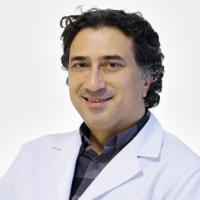
Medically reviewed by
Ergin Er
How it works
How Much Does Inlay/Onlay Cost in Turkey in AUD?
| Turkey | Thailand | |
|---|---|---|
| Inlay/Onlay | from AUD $260 | ≈ AUD $530 |
Best Inlay/Onlay Clinics in Turkey for Australians: 33 Verified Options and AUD Prices








Inlay/Onlay Overview in Turkey
- Bookimed deposit: $200 or €200.
- Clinic deposit: Pay a set percentage in advance.
Our Trusted Doctors for Australian Patients
View all Doctors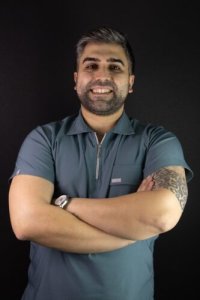
Taha Abbas Goktas
Dr. Taha Abbas Göktaş is the founder of TH Dental Clinic in Istanbul. He specializes in implant surgery and aesthetic dentistry, integrating both into a single treatment plan. Dr. Göktaş uses restoratively-driven planning, where the final smile design determines the implant position. He holds a license for international health tourism from the Turkish Ministry of Health.
- Co-authored implantology research in the International Journal of Oral & Maxillofacial Implants.
- Performs bone grafting and sinus lifts for patients with bone loss.
- Performs full-arch rehabilitations using All-on-4 and All-on-6 protocols.
- Speaks seven languages, including English, Arabic, French, and Russian.
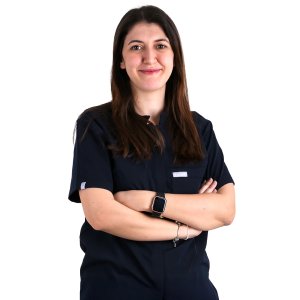
Dentist Neslihan Cebe
Dr. Neslihan Cebe is a dentist at Inci Dis International Dental Clinic in Istanbul. She graduated with honors from the Karadeniz Technical University Faculty of Dentistry. Dr. Cebe focuses on aesthetic dental treatments and personalized smile design. She performs a range of restorative and surgical procedures with a reassuring approach.
- Specializes in composite and porcelain laminates, E-max veneers, and zirconium crowns.
- Performs specialized dental procedures including gingivectomy and surgical tooth extractions.
- Provides root canal treatments, aesthetic fillings, and professional teeth whitening.
- Practices at a clinic holding JCI and TEMOS international healthcare accreditations.

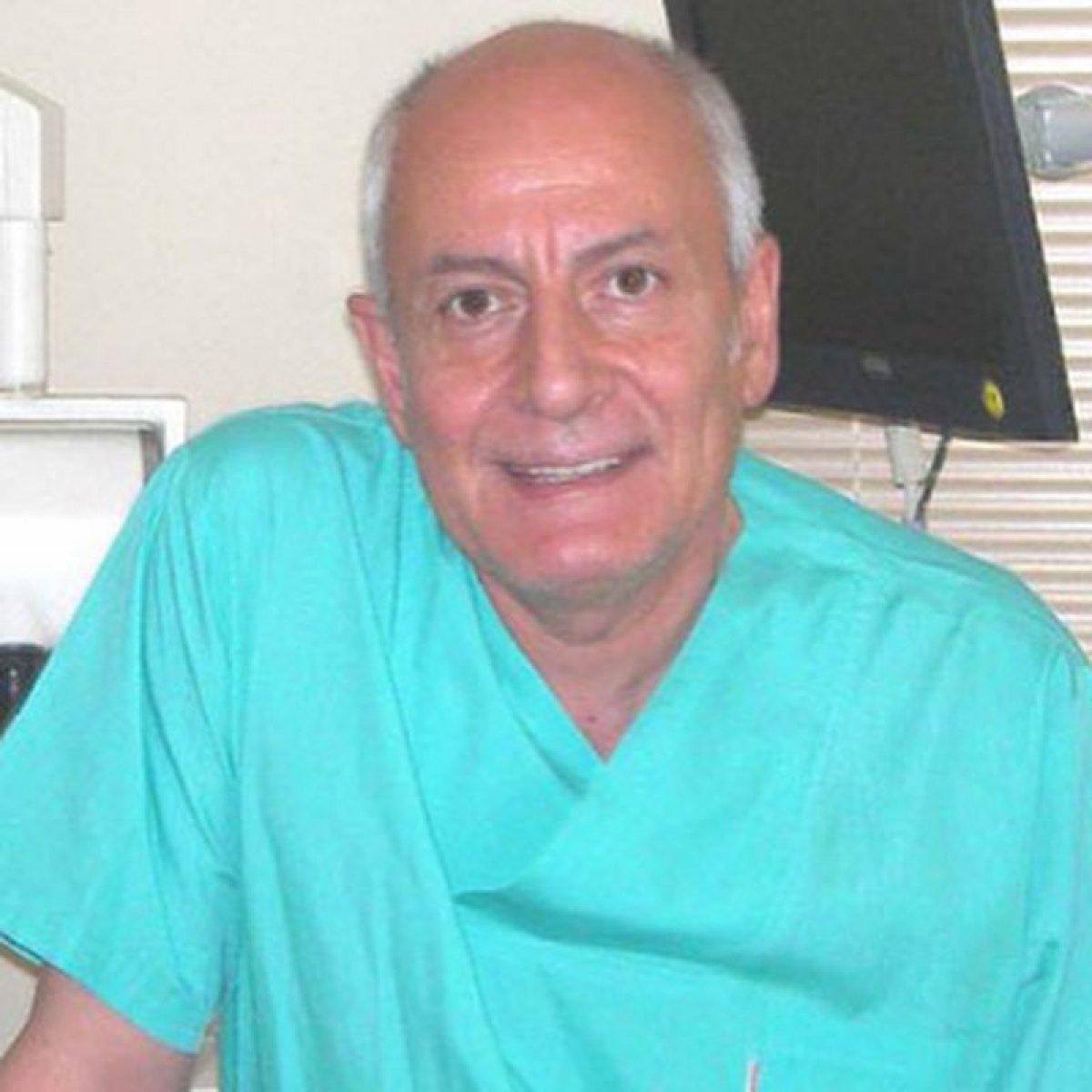
Mustafa Orkun Ertugrul
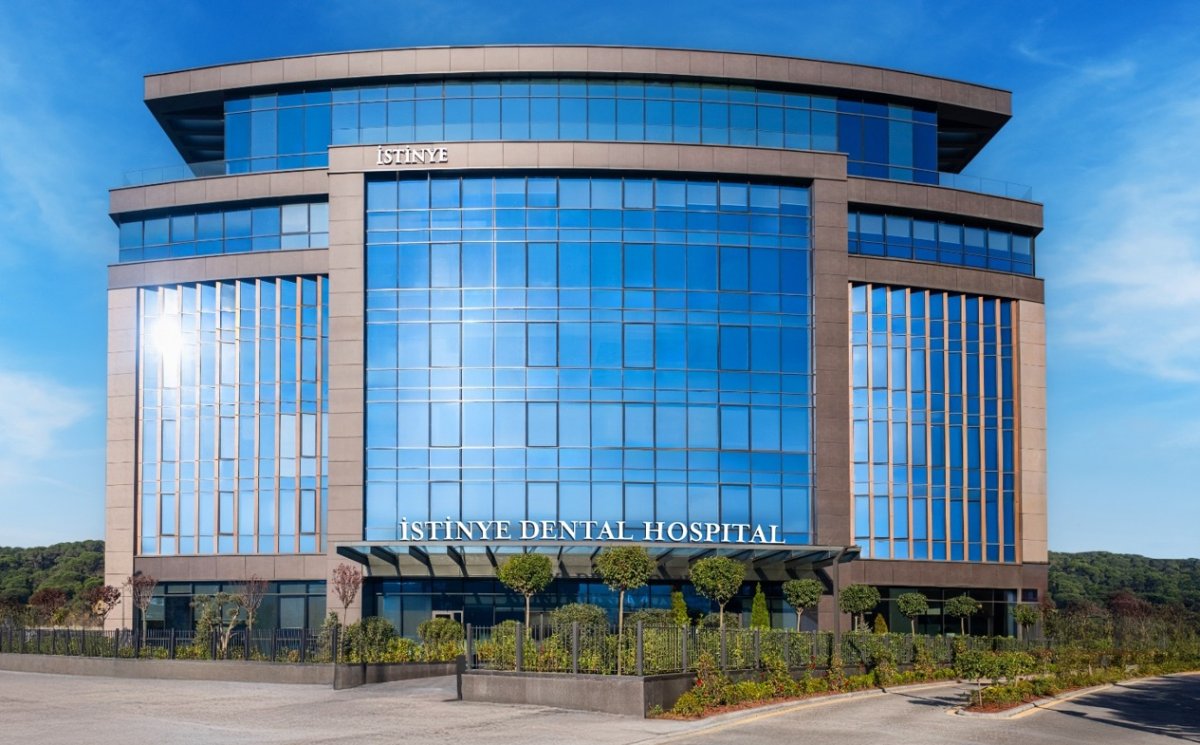
Specializes in Restorative Dentistry at İstinye Dental Hospital, with a focus on high-quality inlays and onlays for durable tooth restoration.
- Trained at Dicle University with a specialization in Restorative Dentistry
- Active member of the Restorative Dentistry Association
- Published research on aesthetic restorative materials
- Offers comprehensive dental restoration solutions
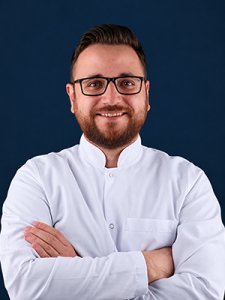
Muhammed Nur Elmedeni
Accreditation: Bachelor's degree in Dentistry from Recep Tayyip Erdoğan University (2021). Training included clinical dentistry, dental diagnosis, treatment planning, restorative care, and patient-centered oral care.
Practice focus: Comprehensive care at Mira Clinic. Services include restorative dentistry, crown treatments, aesthetic dentistry, and general procedures. Each case begins with a careful evaluation and clear treatment options. Plans are precise and aim for natural-looking results tailored to each patient.
Video Stories from Bookimed Patients
Reviews about Bookimed: Discover Patients' Insights
All reviews



Share this content
 Anna Leonova

FAQ about Inlay/Onlay in Turkey
What are the stages of receiving dental inlays or onlays in Turkey?
Receiving dental inlays or onlays in Turkey involves a streamlined two-session process. It is typically completed within 3 to 5 days. Turkish specialists use digital CAD/CAM technology to prepare the tooth and take impressions. They then bond custom E-max or zirconia restorations to repair moderate decay or fractures.
- Clinical assessment: Specialists perform X-rays and scans to see if an inlay or onlay is required.
- Digital preparation: Dentists remove decay and use CAD/CAM scanners for precise, comfortable digital tooth impressions.
- Custom fabrication: Skilled technicians at on-site laboratories craft the restoration from high-grade ceramic or composite resin.
- Final bonding: The specialist cleans the tooth, cements the restoration, and adjusts the bite for alignment.
Bookimed Expert Insight: Many leading Turkish centres, such as İstinye Dental Hospital, use digital workflows. These clinics often have on-site milling machines that can bypass traditional physical moulds. This can reduce the wait for the final restoration from days to just 24 hours.
Patient Consensus: Patients in Turkey find digital scans much more comfortable than traditional trays. Most suggest sending X-rays before travelling so the clinic can confirm the best fit.
Is the procedure for dental inlays or onlays in Turkey painful?
Dental inlay and onlay procedures in Turkey are typically painless. Dentists use local anaesthesia to numb the tooth and surrounding gums. Patients might feel vibration or pressure while the dentist removes decay. Specialists desensitise the area before shaping the custom ceramic or composite restoration.
- Anaesthesia use: Local anaesthetic blocks all sharp pain during tooth preparation and shaping.
- Specialist expertise: Restorative specialists like Dr Mustafa Orkun Ertugrul at İstinye Dental Hospital use precise techniques.
- Digital technology: Clinics use digital CAD/CAM systems to create accurate fits. This reduces the need for adjustments.
- Post-op sensations: Some patients feel mild cold sensitivity for 2–3 days after the final fitting.
Bookimed Expert Insight: Quality often depends on the practitioner's academic background. Restorative specialists like Dr Kubra Canturk at İstinye Dental Hospital hold PhDs in dental ceramics. Their research into CAD/CAM bonding helps restorations fit perfectly. This prevents sensitivity caused by poor seals.
Patient Consensus: Procedures in Turkey feel more tiring than painful. This is due to long drilling times or keeping the mouth open. Patients suggest asking for extra anaesthetic early if any sensation occurs. They also note that bite adjustments quickly resolve any initial discomfort.
How do inlays and onlays compare to dental crowns for patients travelling to Turkey?
Inlays and onlays are conservative alternatives to dental crowns for repairing damaged teeth. Crowns cover the entire tooth and need up to 75% of its structure removed. In contrast, inlays and onlays preserve natural tooth tissue by fitting into or onto the damaged area.
- Structure preservation: Inlays and onlays require less drilling than crowns. This keeps more healthy enamel intact.
- Modern technology: Istanbul clinics like İstinye Dental Hospital use 3D digital scanning for a precise fit.
- Clinical expertise: Specialists like Dr Kubra Canturk focus on CAD/CAM ceramics for indirect restorations.
- Cost benefits: Turkish procedures cost $170 to $400.
Bookimed Expert Insight: Patient data shows Turkish clinics often recommend crowns for speed. However, specialists like Dr Erisa Olkun, who wrote her thesis on inlays, prioritise saving natural teeth. Seeing a restorative specialist instead of a general dentist ensures patients receive these conservative options.
Patient Consensus: Patients travelling to Turkey suggest asking for scans before preparation to see how much tooth survives. They found that requesting a written plan helped avoid unnecessary crowns and preserved their natural smiles.
How long can a patient expect dental inlays or onlays from a Turkish clinic to last?
Dental inlays and onlays in Turkey generally last between 10 and 30 years. Longevity depends on material choice and clinical precision. High-quality ceramic or zirconia often provides a lifespan exceeding 15 years. Specialist clinics in Istanbul and Antalya provide these restorations using digital workflows.
- Material durability: Ceramic and zirconia typically last 15–30 years with proper oral hygiene.
- Clinical expertise: Specialists like Dr. Erisa Olkun focus specifically on inlay and onlay precision.
- Digital technology: CAD/CAM systems provide an exact fit. This prevents bacteria from entering margins.
- Protective measures: Using a night guard for teeth grinding significantly extends the restoration lifespan.
Bookimed Expert Insight: Many Turkish specialists hold PhDs in restorative dentistry. For instance, Dr. Kubra Canturk at Istinye Dental Hospital has published research on CAD/CAM ceramics. This academic focus leads to better adhesion and fewer replacements for international patients.
Patient Consensus: Patients in Turkey report that ceramic materials like E-max feel like natural teeth. They also report that these materials last for years. Regular oral hygiene and bite adjustments during the fitting are key to long-term success.
What is the difference between an inlay and an onlay treatment in Turkey?
The difference between an inlay and an onlay in Turkey relates to size and placement. An inlay treats smaller cavities between the chewing surface points. An onlay is larger, covering the tooth centre and protecting one or more raised cusps. Specialists in Istanbul and Izmir use these custom-made lab restorations to repair significant damage.
- Inlay placement: Replaces small sections within central grooves without involving any cusp tips.
- Onlay coverage: Rebuilds more extensive damage by replacing one or more of the tooth hills.
- Restoration material: Clinics use ceramic, composite resin, or E-max porcelain for 90% original strength.
- Typical timeline: Most procedures take 2–3 appointments over 3–7 days for laboratory fabrication.
Bookimed Expert Insight: Turkish specialists like Dr. Erisa Olkun at My Nova Kusadasi Dental Clinic focus on inlay and onlay design for better aesthetic outcomes. Our data shows these indirect fillings save up to 79% compared to Australian averages. They are often a smarter long-term choice than traditional fillings. This is because they preserve more natural tooth structure than full crowns.
Patient Consensus: Turkish dentists provide detailed radiographs to explain why an onlay is needed over an inlay. Patients find that these restorations feel identical to natural teeth while effectively rebuilding compromised structure.
What materials are used for dental inlays and onlays in Turkey?
Turkish dental clinics primarily use ceramics like E.max and zirconia for inlays and onlays. These materials provide durability and natural aesthetics. Clinics also offer composite resins for more conservative treatments. CAD/CAM technology often allows for same-day fabrication and fitting of these restorations.
- Ceramic materials: Specialists use E.max (Ivoclar Vivadent) and VITA for high-strength, tooth-coloured restorations.
- Zirconia options: Zirconia is frequently used for onlays requiring fracture resistance in back teeth.
- Composite resins: Dentists apply composite materials for smaller, more cost-effective or temporary restorations.
- Digital workflows: Clinics like İstinye Dental Hospital use CAD/CAM and 3D printing for precise digital designs.
Bookimed Expert Insight: Bookimed data shows that leading Turkish specialists often focus doctoral theses on inlay and onlay technology. Dr Erisa Olkun is one such specialist. This specialisation is why many Istanbul clinics offer bespoke, lab-fabricated ceramic restorations. These outperform standard fillings in both longevity and appearance.
Patient Consensus: Patients in Turkey frequently select ceramic or zirconia options for a natural look. Many recommend confirming whether the quote includes digital scans and temporary restorations to avoid extra costs.
What are the primary benefits of choosing inlays or onlays over standard fillings?
Inlays and onlays offer durability and tooth preservation when moderate decay makes standard fillings unsuitable. These custom-made restorations strengthen the biting surface. They often last 10 to 15 years.
- Structural reinforcement: Onlays cover weakened cusps to prevent fractures under heavy chewing loads.
- Conservative preparation: Surgeons remove less healthy enamel than required for a full crown.
- Precise fit: CAD/CAM digital scanning at İstinye Dental Hospital provides highly accurate margins.
- Material longevity: Porcelain or composite materials resist shrinking and leaking better than resin.
- Aesthetic matching: Restorative specialists like Dr. Kubra Canturk match the restoration to your natural tooth shade.
Bookimed Expert Insight: Bookimed data shows several Turkish specialists hold PhDs specifically in restorative dentistry or CAD/CAM ceramics. Dr. Erisa Olkun focused her entire graduation thesis on inlay and onlay techniques. Patients should look for these specialist credentials rather than general dentists for the strongest bond strength.
Patient Consensus: Patients in Turkey report these restorations feel more stable than direct fillings for large cavities. Many chose onlays to fix teeth that had repeatedly failed with standard composite resin.