5 Best Inlay/Onlay Clinics in Republic of Korea — AUD Prices

Medically reviewed by
Ergin Er
How Much Does Inlay/Onlay Cost in Republic of Korea in AUD?
| Republic of Korea | Thailand | Turkey | |
|---|---|---|---|
| Inlay/Onlay | from AUD $300 | ≈ AUD $530 | from AUD $260 |
Your Benefits and Guarantees with Bookimed
Transparent Prices & Flexible Installments
No hidden fees – just official clinic prices. Pay at the clinic for Inlay/Onlay upon arrival and use a flexible instalment plan if needed.
Verified Clinics & Doctors Only
Bookimed is committed to your safety. We only work with medical institutions that maintain high international standards in Inlay/Onlay and have the necessary licenses to serve international patients worldwide.
Free 24/7 Assistance
Bookimed offers free expert assistance. A personal medical coordinator supports you before, during, and after your treatment, solving any issues. You're never alone on your Inlay/Onlay journey.

Your personal Bookimed medical coordinator
- Supports you at every stage
- Helps choose the right clinic and doctor
- Ensures quick and convenient access to information
Best Inlay/Onlay Clinics in Republic of Korea for Australians: 5 Verified Options and AUD Prices
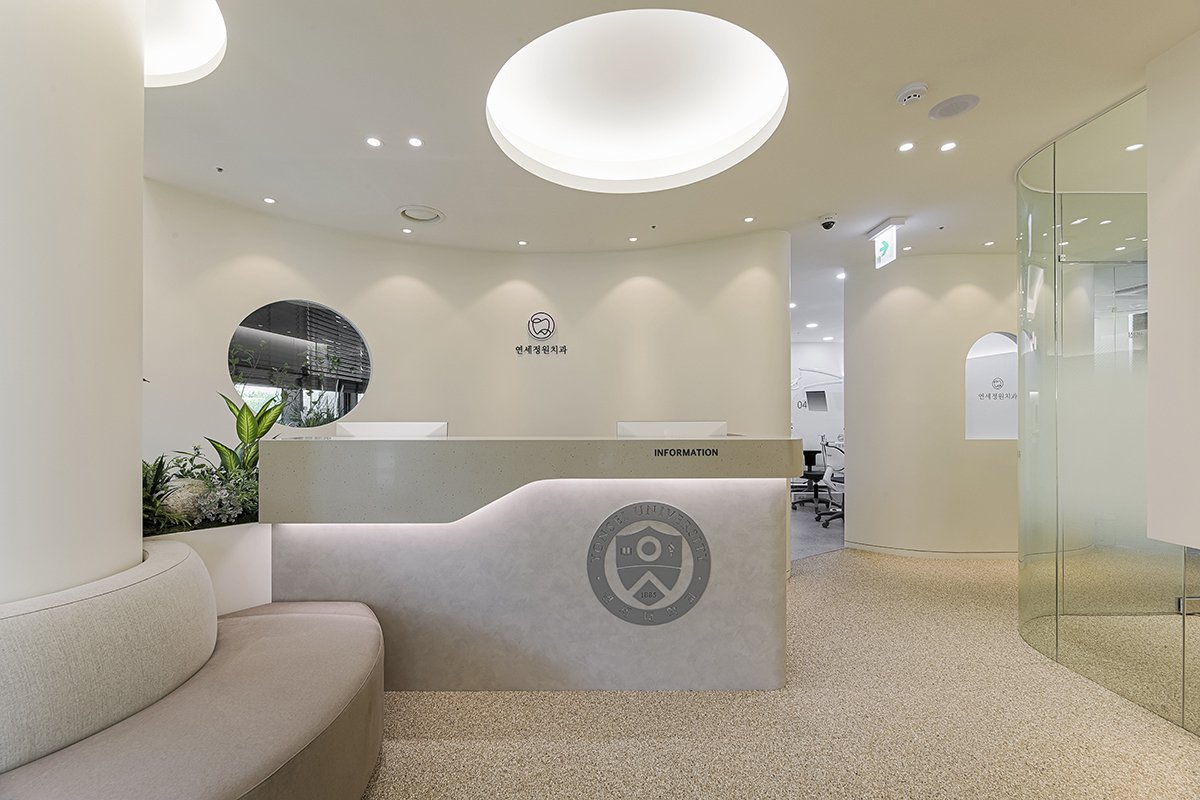
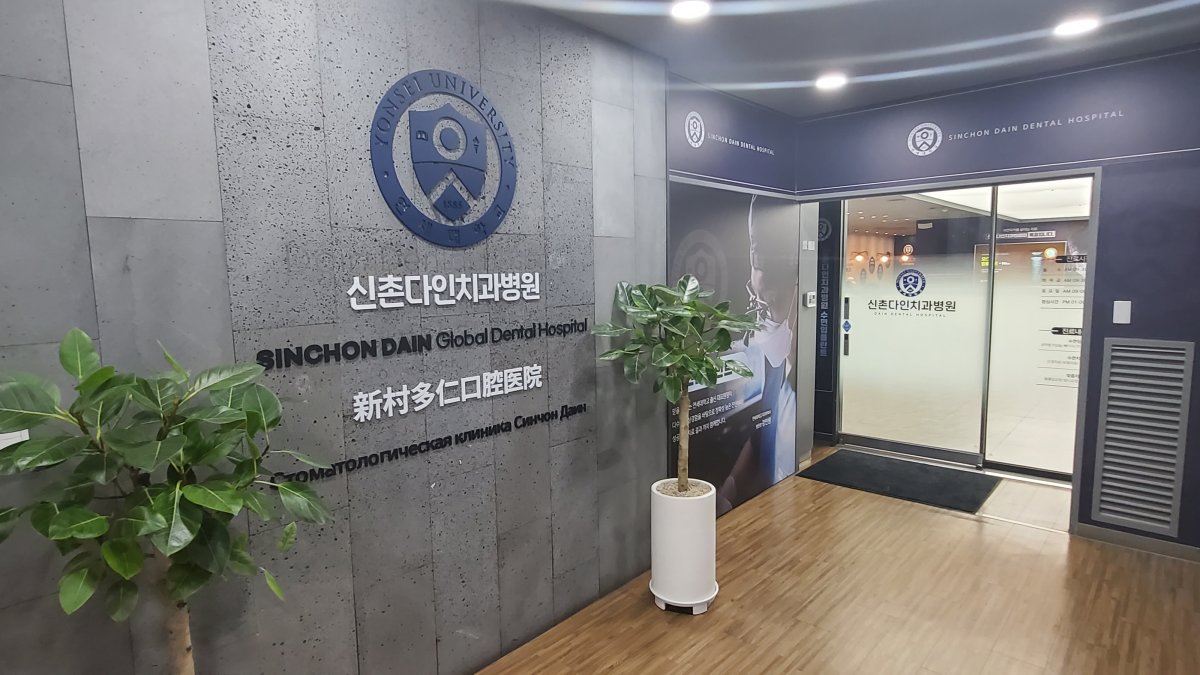
Sinchon Dain Dental Hospital
Kang Inwon

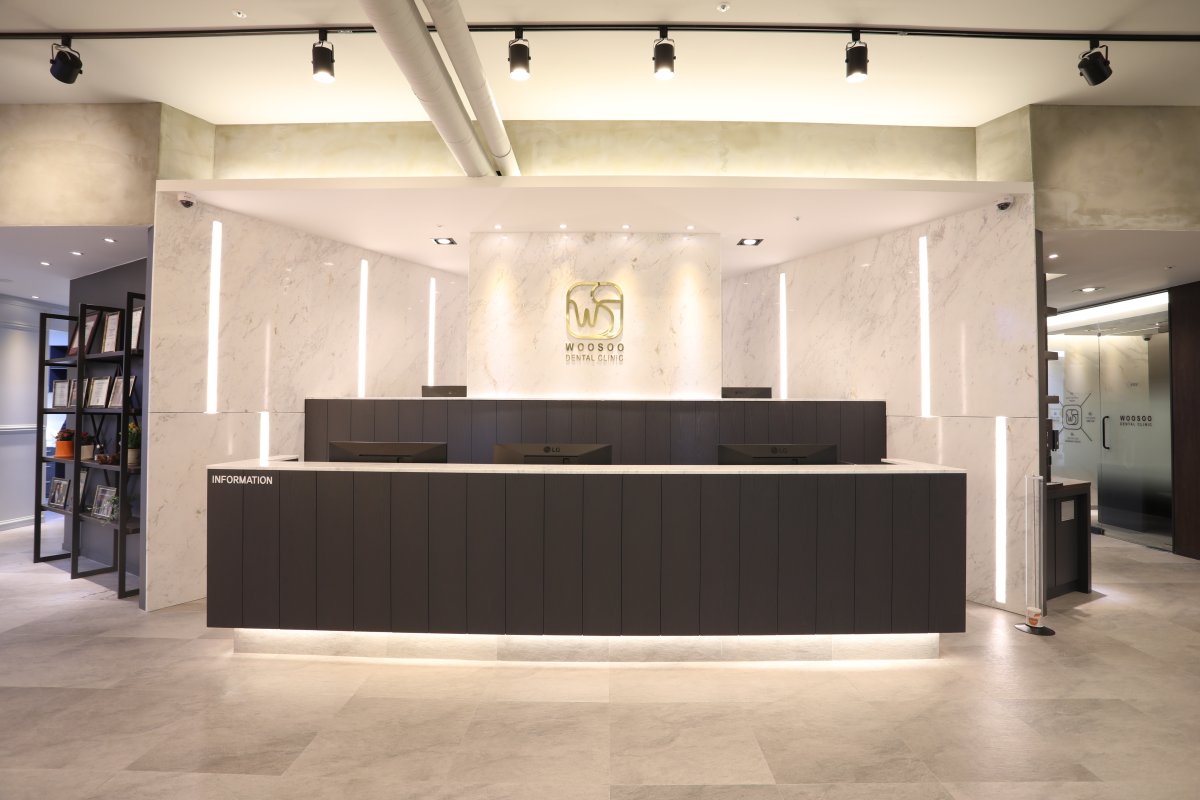
Woosoo Dental Clinic
Kim
Inlay/Onlay Overview in Republic of Korea
- Bookimed deposit: $200 or €200.
- Clinic deposit: Pay a set percentage in advance.
Our Doctors
View all Doctors
Ji Ho Ahn
Dr. Ji Ho Ahn brings academic rigor to prosthodontics as an Adjunct Professor at Seoul National University, specializing in precision dental restorations.
- Ph.D. in Prosthodontics from Seoul National University
- Member of the Korean Academy of Prosthodontics
- Residency trained at Seoul National University Dental Hospital
- Extensive work in Dental Implant Center of SNUDH
Kang Inwon
Kim
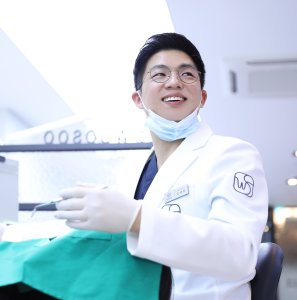
Specialized in advanced implantology and aesthetic dentistry – Dr. Kim combines precision with patient-centered care at Woosoo Dental Clinic.
- Active member of leading dental associations
- Uses state-of-the-art diagnostic tools like 3D CT imaging
- Focuses on painless techniques and long-term oral health
- Known for handling complex cases with documented success

Chae Min Jong
Video Stories from Bookimed Patients
Reviews about Bookimed: Discover Patients' Insights
All reviewsInlay/Onlay: Before & after photos
View all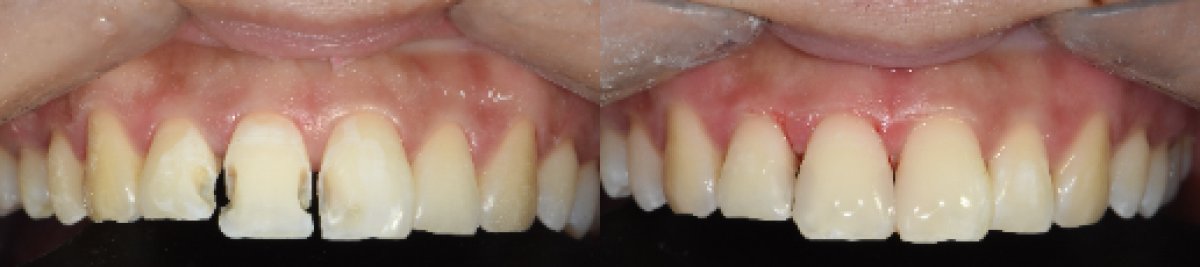
Share this content
 Anna Leonova

FAQ about Inlay/Onlay in Republic of Korea
What are dental inlays and onlays used in Korea?
Dental inlays and onlays in Korea repair teeth with moderate decay or fractures too large for standard fillings but too small for crowns. These custom-made restorations preserve healthy tooth structure while reinforcing the bite. Korean clinics specialise in high-precision ceramic and gold materials for durable results.
- Restoration type: Inlays fit within cusps, while onlays cover one or more raised tooth points.
- Durable materials: Clinics use gold, zirconia, ceramic, or composite resin based on strength and aesthetics.
- Preservation focus: These treatments save more natural tooth than crowns, which require significant shaving.
- Advanced diagnostics: Specialists like Dr Kim at Woosoo Dental Clinic use 3D CT imaging for fit.
Bookimed Expert Insight: While many Australian patients expect ceramic to be the premium option, gold inlays remain highly popular in Korea for their unmatched durability. Some Seoul clinics specialise in gold due to its precision fit. However, for a single tooth, complete packages like those at Woosoo Dental Clinic include 3D scanning and VIP transfers for A$2,100.
Patient Consensus: Patients in Korea value how these treatments save their original teeth compared to getting a full crown. Gold is frequently chosen for its longevity and is often more affordable than aesthetic ceramic options.
What is the recovery process for inlay/onlay treatment in Korea?
Recovery after inlay and onlay treatment in Korea is exceptionally fast. Most patients return to normal activities immediately. Clinics in Seoul and Incheon often provide 24-hour completion using 3D CT imaging and digital scanning. This eliminates the need for temporary fittings and reduces post-operative sensitivity.
- Hospital stay: This is an outpatient procedure with no hospital stay required.
- Initial recovery: Sensitivity to cold or biting typically resolves within 1 to 3 days.
- Dietary care: Soft foods are recommended for 24 hours to prevent displacing the new restoration.
- Bite adaptation: Minor adjustments might be needed for up to 2 weeks for a perfect fit.
Bookimed Expert Insight: Korean clinics such as Woosoo Dental Clinic often include VIP rooms and airport transfers in their packages. This reflects a high-volume infrastructure that handles 2,000+ patients annually. These amenities help international patients manage their recovery comfortably between appointments. This is especially true when 3D CT diagnostics are used for precision.
Patient Consensus: Treatment in Korea involves minimal downtime. Most patients resume their holiday immediately. Soft foods help with initial tenderness. A quick follow-up for bite adjustment makes the restoration feel natural during normal chewing.
Why should I choose an inlay/onlay over a filling or crown in South Korea?
South Korean dentists use inlays and onlays as a conservative middle ground between fillings and crowns. These restorations preserve more natural enamel than crowns while offering superior durability over direct fillings. Specialists in Seoul and Incheon use 3D CT imaging for a precise, bacteria-tight fit.
- Enamel preservation: Onlays require significantly less tooth reduction than crowns, saving more natural structure.
- Enhanced durability: Laboratory-made zirconia or ceramic materials outlast standard composite fillings by many years.
- Structural integrity: Onlays cover weakened cusps to prevent fractures, unlike large fillings that can weaken teeth.
- Diagnostics: Clinics like Woosoo Dental Clinic use 3D CT scans for precise, minimally invasive placement.
Bookimed Expert Insight: While inlay and onlay prices in South Korea range from $200 to $700, many patients find the long-term value superior. Clinics like Sinchon Dain Dental Hospital serve over 33,000 patients annually. Their high-volume specialists, such as Dr Kang Inwon, have performed 80,000+ procedures, so restorations last decades rather than years.
Patient Consensus: These restorations are ideal when damage is too large for a filling but doesn't require a crown. Patients in Korea appreciate the stronger protection for fractured cusps and the natural aesthetic of ceramic materials.
How long will an onlay last when performed in South Korea?
Onlays performed in South Korea typically last 10 to 30 years. Longevity depends on material choice and oral hygiene rather than location. Seoul clinics use CAD/CAM technology and 3D CT imaging for precise fits, which helps prevent bacteria from entering under the restoration.
- Material durability: Porcelain or ceramic onlays generally last between 20 and 30 years.
- Clinical precision: Specialists like Dr. Ji Ho Ahn use 3D scans for better seating.
- Bite management: Lifespan decreases if patients clench or grind their teeth after placement.
- Maintenance requirements: Twice-daily brushing and flossing are essential to reach the 30-year mark.
Bookimed Expert Insight: South Korean clinics like Sinchon Dain Dental Hospital serve over 33,000 patients annually. This massive volume means clinicians see complex cases daily. Their expertise with high-strength materials like zirconia helps restorations remain stable for decades. Choosing a Seoul clinic with English-speaking specialists improves communication about post-procedure bite adjustments.
Patient Consensus: Proper post-placement checks are vital for a comfortable bite. Patients in Korea mention that restorations are durable when the clinic handles adjustments before they return to Australia. The process is often fast and convenient within a holiday window.
What is the difference between an inlay and an onlay in South Korea?
A dental inlay fits within the tooth cusps for central damage. An onlay covers one or more cusps to restore larger biting surfaces. Both function as conservative partial crowns in South Korea. They preserve healthy structure with custom-made porcelain or gold restorations.
- Inlay placement: Restoration sits securely within the pits and fissures between the raised tooth cusps.
- Onlay extension: Covers the biting surface and at least one cusp to provide structural support.
- Material options: Clinicians use aesthetic porcelain, ceramic, or high-performance gold for lab-crafted, durable results.
- Preservation focus: Both techniques avoid aggressive enamel removal required for full dental crown preparation.
- Procedure stages: Treatment usually involves digital scans, temporary placement, and final bonding over two visits.
Bookimed Expert Insight: South Korean dental specialists often prioritise porcelain inlays over gold due to bonding techniques that reduce post-operative sensitivity. Expert surgeons like Dr Ji Ho Ahn at Yonsei JW Dental Clinic use Ph.D.-level prosthodontic training. This helps these bonded restorations mimic natural enamel strength.
Patient Consensus: Patients in Seoul report that porcelain inlays feel more comfortable than traditional crowns. The conservative approach feels less invasive. The tooth-coloured materials look natural during daily interactions.
What materials are popular for inlays/onlays in South Korean dental clinics?
Modern South Korean dental clinics predominantly use ceramic, zirconia, and tooth-coloured composite resin for inlays and onlays. Gold remains a standard for durable back-tooth restorations. However, aesthetic demands drive the frequent use of CAD/CAM-milled porcelain and high-strength zirconia. These materials blend seamlessly with natural teeth.
- Ceramic restorations: Favour aesthetic results with natural translucency and stain resistance for visible teeth.
- Zirconia material: Provides exceptional durability for onlays requiring heavy chewing force in posterior areas.
- Composite resin: Offers a cost-effective, tooth-coloured alternative for smaller or moderate-sized dental restorations.
- Gold options: Remain a highly recommended, biocompatible choice for long-term durability in back teeth.
Bookimed Expert Insight: Many countries treat gold as a premium upgrade. However, South Korean clinics like Woosoo Dental Clinic treat it as a standard recommendation for durability. Patients often find better value in Seoul by choosing ceramic packages that include 3D CT imaging. This gives a precise fit and reduces the risk of future decay.
Patient Consensus: Clinics in South Korea offer a balance of aesthetics and longevity. Patients appreciate that gold is still a normal, functional option alongside high-tech porcelain. Patients should check which material is included in quotes to avoid surprises. Price differences between resin and zirconia are significant.
Is it possible to get digital inlays/onlays (CAD/CAM) in South Korea?
South Korea is a leading hub for digital dentistry, offering CAD/CAM inlays and onlays at centres in Seoul and Incheon. Specialists use 3D intraoral scanners and in-house milling machines to design and fit custom ceramic restorations. They often complete the full procedure in a single 90-minute appointment.
- Same-day milling: Chairside CAD/CAM systems allow clinics to create and fit restorations in one visit.
- Imaging: Centres like Woosoo Dental Clinic use 3D CT and panoramic X-rays for precision.
- Diverse materials: Patients choose from durable porcelain, gold, or composite options to suit their needs.
- Western-trained specialists: Surgeons like Dr Ji Ho Ahn hold degrees from the University of Pennsylvania.
- All-inclusive packages: Australian patients can find deals including 3D imaging, scaling, and airport transfers.
Bookimed Expert Insight: Many Seoul clinics marketed to tourists offer same-day service. However, centres like Woosoo Dental Clinic in Incheon provide VIP patient rooms and full diagnostic imaging. These are included in their per-tooth packages. This is particularly useful for Australians who value privacy. They also want a fixed price. It covers everything from the initial 3D scan to the final fitting.
Patient Consensus: Visitors in Seoul and Gyeonggido report high satisfaction with the speed of digital dentistry. Many completed multiple treatments in around 1.5 hours per tooth. They found porcelain and gold options significantly more affordable than in Australia.
How many visits does it take to get an inlay/onlay in Korea?
A dental inlay or onlay in the Republic of Korea usually takes 1–2 visits. Modern clinics in Seoul use CAD/CAM technology for same-day restorations. Traditional lab-made pieces, however, need a 2- to 3-day gap between preparation and final fitting.
- Clinical technology: CAD/CAM systems allow for scanning and milling ceramic restorations in a single day.
- Lab schedules: External dental labs typically require 3 to 7 days for Zirconia or gold fabrications.
- Detailed diagnostics: Specialists like Dr. Kim at Woosoo Dental Clinic use 3D CT imaging for precise fitting.
- Expertise level: Major Seoul hospitals, such as Sinchon Dain Dental, handle over 33,000 patients annually.
Bookimed Expert Insight: Many Australian patients seek one-day dentistry. However, choosing a 2-visit schedule often provides better durability for complex molars. Bookimed data shows Yonsei JW Dental Clinic offers specialised prosthodontics. Led by University of Pennsylvania-trained Dr. Ji Ho Ahn, this clinic balances rapid turnaround with long-term structural integrity.
Patient Consensus: Expect two visits for exam and placement. Local labs work quickly, so confirm your travel dates early. Plan for a final adjustment appointment so your bite feels natural.