5 Best Hallux valgus surgery Clinics in Turkey — AUD Prices

Medically reviewed by
Kayhan Turan
How it works
How Much Does Hallux valgus surgery Cost in Turkey in AUD?
Hallux valgus surgery in Turkey typically costs from AUD $2,400 to AUD $7,500. Prices vary based on the surgical technique, the complexity of the deformity, and whether one or both feet require correction. Packages often include preoperative tests, surgical fees, consultations, and local transfers between the airport and clinic.
- 3D Lapidus procedure: AUD $15,100 to AUD $18,100 for anatomical alignment.
- Minimally invasive correction: often costs 20–30% more than traditional open surgery.
- Surgical treatment of valgus deformity: AUD $9,800 to AUD $10,900 for standard osteotomy techniques.
- Bilateral surgery: typically adds 50–70% to the cost of a single-foot procedure.
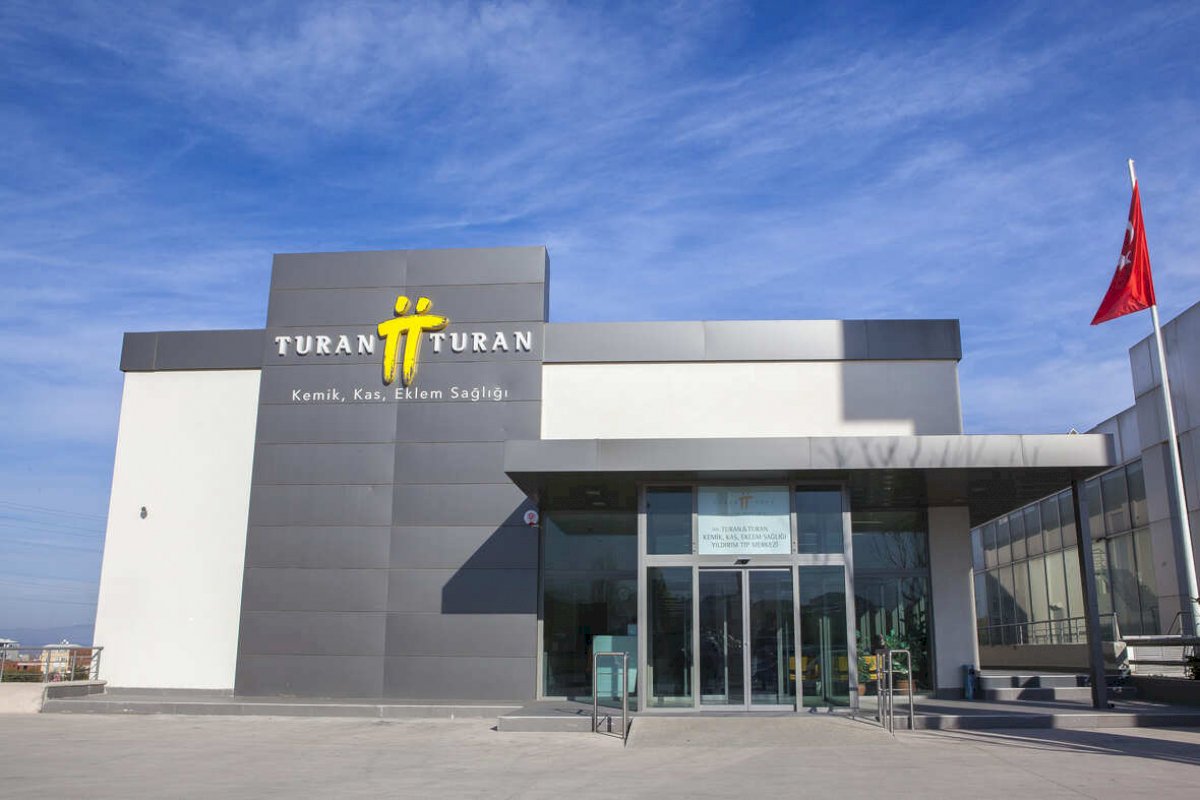
Bookimed Expert Insight: Choosing specialized centers offers significant value. Turan Turan Health Group provides Lapidus 3D packages for approximately A$7,400. This includes VIP transfers and nutritionist-planned meals. For those seeking highly experienced specialists, Dr. Yusuf Bayram at Hisar Hospital has performed over 900 bunion corrections. This expertise is vital for minimizing recurrence. Higher-priced packages at Memorial hospitals, starting around A$16,200, reflect their JCI-accredited international standards.
| Turkey | Thailand | |
|---|---|---|
| Hallux valgus surgery | from AUD $2,400 | ≈ AUD $4,800 |
| Surgical treatment of valgus deformity | from AUD $9,800 | ≈ AUD $4,800 |
| Lapidus Procedure 3D Bunion Correction (Hallux Valgus) | from AUD $8,000 | ≈ AUD $6,300 |
| Hallux Valgus - 3D Lapidus Procedure | from AUD $15,100 | ≈ AUD $7,200 |
Best Hallux valgus surgery Clinics in Turkey for Australians: 5 Verified Options and AUD Prices





Turkey, Istanbul
Halil Can Gemalmaz


Hallux valgus surgery Overview in Turkey
- Surgical treatment of valgus deformity - from AUD $9,804The operation corrects bunion misalignment, involving precise bone-cutting and realignment, bringing pain relief and improved foot functionality.
- Hallux valgus surgery - from AUD $2,413This procedure corrects bunions by realigning the toe, relieving pain and improving foot appearance.
- Lapidus Procedure 3D Bunion Correction (Hallux Valgus) - from AUD $7,994This procedure realigns skewed foot bones, addressing the root cause of bunions with minimal reoccurrence risk.
- Hallux Valgus - 3D Lapidus Procedure - from AUD $15,084This operation rectifies bunion deformities by realigning bones in 3D, leading to permanent, pain-free outcomes.
- Bookimed deposit: $200 or €200.
- Clinic deposit: Pay a set percentage in advance.
Our Trusted Doctors for Australian Patients
View all Doctors
Olcay Guler
Dr. Olcay Guler is an orthopedics and traumatology specialist at Memorial Şişli Hospital in Istanbul. He manages complex bone and joint conditions within a JCI-accredited facility. Dr. Guler previously held academic roles at Altınbaş University and Medipol University. He treats patients at one of Turkey’s most active private medical centers.
- Practices at Memorial Şişli, the first hospital in Turkey to earn JCI accreditation.
- Served as a specialist at Bahçelievler Medical Park and Medipol University.
- Treats a wide variety of orthopedic injuries and musculoskeletal disorders.
- Works in a facility that hosts patients from over 160 countries annually.

Yusuf Bayram
Performed over 1,000 surgeries, including specialized orthopedic and deformity corrections at Hisar Hospital Intercontinental.
- Specializes in arthroscopic knee, shoulder, and ankle surgeries
- Expert in spinal deformities like scoliosis and herniated discs
- Completed specialty training at Umraniye Training and Research Hospital
- Applies modern, safe treatment methods for complex cases
Halil Can Gemalmaz
Specializes in patient-specific orthopedic surgery with 3D printed guides and implants – a novel approach even globally.
- Associate Professor at Acıbadem Mehmet Ali Aydınlar School of Medicine
- Focuses on technically challenging cases like malunions and complex arthroplasty
- Performed first-of-their-kind surgeries in Turkey
- Private practice in Istanbul with a focus on innovative techniques

Murat Kezer
Dr. Murat Kezer specializes in foot and ankle surgery, with advanced training from international orthopedic programs.
- Trained at AAOS/AOFAS Foot and Ankle Surgery Course
- Attended multiple Foot and Ankle Surgery Training Meetings
- Member of Turkish Society of Orthopaedics and Traumatology
- Specializes in minimally invasive techniques
Reviews about Bookimed: Discover Patients' Insights
All reviews




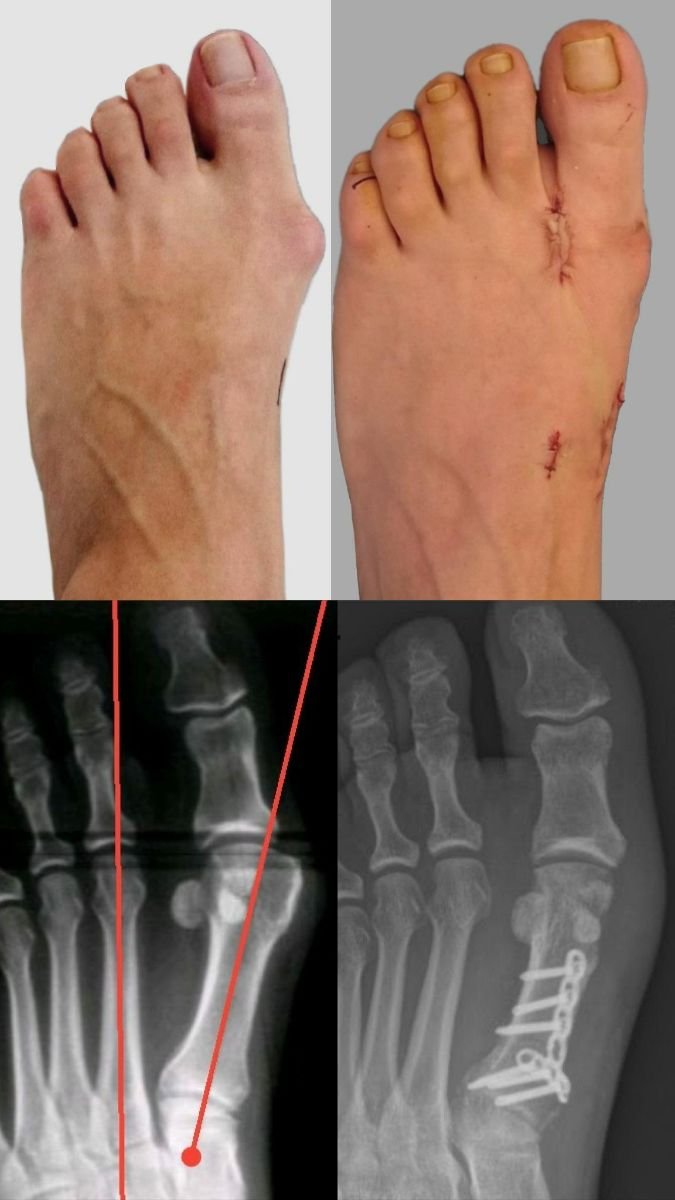
Hallux valgus surgery: Before & after photos
View allShare this content
Video Stories from Bookimed Patients
 Anna Leonova
FAQ about Hallux valgus surgery in Turkey
Is Turkey safe and reliable for hallux valgus (bunion) surgery for Australian patients?
Turkey offers safe, reliable hallux valgus surgery with experienced surgeons and advanced techniques. JCI-accredited hospitals and minimally invasive options provide quality care. Australian patients must plan for a long recovery and follow-ups due to travel risks after surgery.
- JCI accreditation: Hisar Hospital Intercontinental is a leading accredited centre.
- Surgical techniques: Percutaneous minimally invasive and 3D Lapidus methods available.
- Experienced surgeons: Dr Murat Kezer performed 900+ bunion corrections at Turan Turan Health Group.
- Hospital stay: Surgery packages typically include 2 days in hospital.
- Recovery timeline: Full recovery requires 2–6 months with physical therapy and weight-bearing limits.
Bookimed Expert Insight: Many top Turkish clinics offer VIP transfer packages but exclude accommodation, so confirm this before booking. Surgeons like Dr Murat Kezer use minimally invasive or 3D techniques, which reduce patient discomfort and speed early recovery. However, Australian patients benefit from clinics with strong follow-up options, as post-op care lasting weeks is crucial for bunion surgery success.
Patient Consensus: Patients in Turkey praise attentive staff and clear care plans. Many recommend staying locally for 12+ weeks after surgery to avoid flight risks. Australian patients note hospital support feels more personal than some local experiences.
What surgical techniques are used for hallux valgus surgery in Turkey?
Hallux valgus surgery in Turkey uses traditional osteotomy with screws, minimally invasive surgery (MIS), Lapidus 3D fusion, and Tight Rope techniques. Clinics like Turan Turan Health Group offer robotic-assisted MIS and Lapidus fusion methods in Bursa. Many surgeries happen in JCI-accredited hospitals in Istanbul and Bursa.
- Traditional osteotomy: bone cut and realigned with screw fixation for severe deformities.
- Minimally invasive surgery (MIS): small incisions without implants, faster recovery of 2–3 weeks.
- Lapidus 3D fusion: fuses midfoot joint to stop bunion recurrence; recovery takes 2–3 months.
- Tight Rope/Fast Forward: non-bone-cutting method using sutures between metatarsals.
- JCI-accredited hospitals like Hisar Hospital Intercontinental and Memorial group perform these surgeries.
Bookimed Expert Insight: Surgeons at Turan Turan Health Group combine robotic surgery tech with both MIS and Lapidus fusion, offering precise bunion correction with options for faster recovery or stronger, longer-term solutions. This robotic centre in Bursa contrasts with large Istanbul hospitals, giving patients tailored choices for different recovery speeds.
Patient Consensus: Patients in Turkey say MIS gave them quicker walks post-op but Lapidus fusion felt more secure long term. Clinics focus on clear explanations and support, making Australians feel safe and well cared for during their stay.
What is the recovery time after hallux valgus surgery in Turkey?
Recovery after hallux valgus surgery in Turkey generally takes 3 to 6 months for full healing. Hospital stays last about 2 days, with a non-weight-bearing period of 2 to 6 weeks depending on the surgical method used. Physiotherapy and gentle toe exercises start soon after surgery.
- Hospital stay: Typically 2 days for percutaneous or Lapidus surgery methods.
- Non-weight-bearing phase: Ranges 2 to 6 weeks, shorter for minimally invasive surgery.
- Boot usage: Around 3 weeks with minimally invasive surgery for quicker recovery.
- Physiotherapy: Essential for mobility and starts immediately after surgery.
- Full recovery: 3 to 6 months for return to normal and high-impact activity.
Bookimed Expert Insight: Surgeons like Dr Murat Kezer at Turan Turan Health Group combine robotic techniques with specialised foot surgery training, enabling shorter boot times and faster recovery phases. Clinics offering minimally invasive procedures usually reduce pain and allow lighter footwear sooner, which aids quicker mobility and less reliance on pain meds.
Patient Consensus: Patients in Turkey often note early toe movement exercises helped avoid stiffness. Recovery feels long but is supported well by attentive care and clear physiotherapy guidance. Clinics keep patients comfortable with regular check-ups and English-speaking coordinators.
Is hallux valgus surgery in Turkey painful?
Hallux valgus surgery in Turkey causes manageable pain, mainly during the first 1–3 days post-op. Minimally invasive and Lapidus 3D methods are often used, reducing discomfort and speeding recovery. Pain eases steadily with medication and proper aftercare from skilled surgeons in accredited clinics.
- Pain management: clinics prescribe medication to control post-surgery pain effectively.
- Minimally invasive surgery: smaller cuts lead to less pain and quicker recovery.
- Hospital stay: 2 days typical in packages with minimally invasive or Lapidus 3D methods.
- Recovery timeline: limited activity for 3–5 months; swelling may last up to 12 months.
- Long-term relief: surgery aims to cure bunion pain and restore foot function fully.
Bookimed Expert Insight: Turkey’s top clinics like Turan Turan Health Group offer 3D Lapidus and percutaneous methods, reducing pain and hospital stay to 2 days. Surgeons like Dr Murat Kezer combine US/European training with robotic and minimally invasive techniques for smoother recovery compared to traditional surgery.
Patient Consensus: Most patients in Turkey find pain strongest in the first week but well controlled with medication. They note quicker mobilisation with minimally invasive methods. Clear pre-op communication about pain and care was especially helpful for international patients.
How long should Australian patients stay in Turkey for hallux valgus surgery?
Australian patients should plan to stay in Turkey for hallux valgus surgery for about 2 weeks, including 2 days in hospital and 12 days for early recovery. This stay allows post-operative care, wound checks, and reduces risks like deep vein thrombosis (DVT) before flying home.
- Hospital stay: Typically 2 days in clinic post-surgery.
- Recovery period: Around 12 days at a hotel for swelling and foot elevation.
- Follow-up care: Regular wound and alignment checks during stay.
- Extended recovery: Full healing and boot wearing lasts 6 to 12 weeks.
- Surgical techniques: Minimally invasive options may allow shorter boot use.
Bookimed Expert Insight: Packages like those at Turan Turan Health Group include 2-day hospital stays plus 12 days hotel recovery, matching ideal timelines for Australians. Minimally invasive and 3D Lapidus corrections are available with specialist surgeons experienced in robotic and foot surgery, providing tailored care during the stay.
Patient Consensus: Patients value the thorough follow-up and care during their Turkey stay, noting the sensible recovery period before travel. Many highlight the importance of resting with foot elevation and hospital-grade post-op care, making the experience smoother and safer for international visitors.
Is there a risk of hallux valgus bunion recurrence after surgery in Turkey?
Hallux valgus surgery in Turkey carries a risk of bunion recurrence, especially with traditional osteotomy. Modern methods like the Lapidus 3D fusion reduce this risk by locking bones in place. Proper post-op care and follow-up are essential to avoid recurrence and maintain correction long term.
- Recurrence risk: Traditional osteotomy often fails to fully correct deformity.
- Modern technique: Lapidus fusion (Lapiplasty) locks bones, lowering recurrence rates.
- Post-op care: Physical therapy and regular check-ups take months to complete.
- Follow-up challenges: International patients may struggle to access reliable post-surgery care.
- Surgical choice: Surgeons with frequent fusion experience show fewer recurrences.
Bookimed Expert Insight: Turkey’s top centres offer both traditional osteotomy and advanced fusion methods. Clinics like Turan Turan Health Group use 3D Lapidus correction and robotic tech, which aligns with lower recurrence risk. Choosing clinics with experienced fusion surgeons is a smart move for Australians to reduce future complications.
Patient Consensus: Patients in Turkey warn recurrence is common with traditional surgery. Many recommend Lapidus fusion for lasting results. Post-surgery, thorough physical therapy and avoiding overuse proved vital, though follow-up can be tricky for overseas patients.