How Much Does DHI hair transplantation Cost in Turkey in AUD?
DHI hair transplantation in Turkey typically costs from AUD $2,600 to AUD $3,400. Prices fluctuate based on graft count, the surgeon's experience, and the clinic's location in hubs like Istanbul or Antalya. In Australia, this procedure averages AUD $10,800, meaning patients save approximately 72% by travelling. Most Turkish packages are all-inclusive, covering the choi pen procedure, PRP sessions, luxury accommodation, and VIP transfers.
Graft volume: Procedure costs primarily scale with the number of grafts, often ranging from 3,000 to 5,500.
Technique variations: Advanced options like unshaved DHI or exosome therapy typically add 20–30% to the base price.
Clinic certification: Premium clinics with JCI or ISO accreditation often charge more for higher safety standards.
Technological extras: Specialist tools like the oxygenated system for faster recovery may increase the total investment.
Bookimed Expert Insight: Australian patients find the highest value in comprehensive packages that include lifetime warranties. For example, ClinicExpert and Quartz Clinique offer these guarantees with packages starting around A$2,800 to A$3,600. Choosing clinics where surgeons have performed over 20,000 procedures, such as Dr. Cengiz Yaylaci, ensures expertise without the premium Australian price tag. These all-inclusive deals often feature 5-star stays, making the journey financially sensible.
Data verified by Bookimed as of October 2026, based on patient requests and official quotes from 182 clinics worldwide. Median costs are based on real invoices (2025–2026) and updated monthly. Actual prices may vary.
Best DHI hair transplantation Clinics in Turkey for Australians: 13 Verified Options and AUD Prices
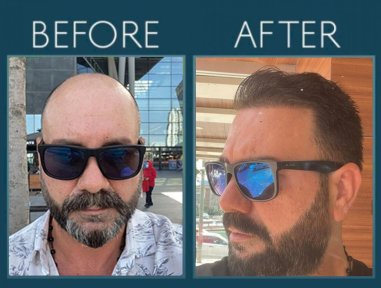
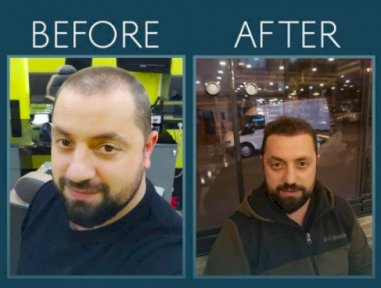
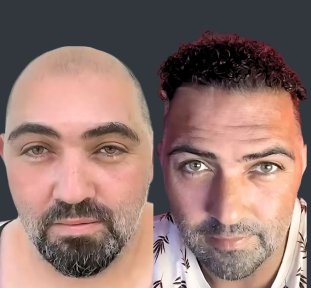
A procedure involves surgically implanting hair follicles to restore a natural-looking hairline, enhancing appearance and boosting confidence with minimal downtime for recovery.
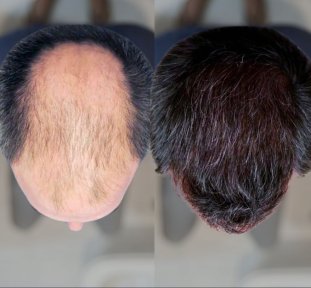
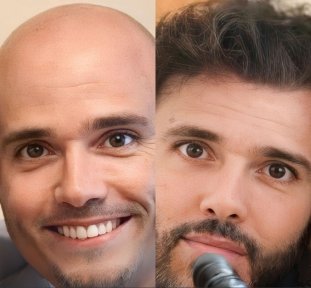
This surgery involves extracting hair follicles from areas like the chest or back and implanting them onto the scalp, offering a natural-looking solution for hair loss.
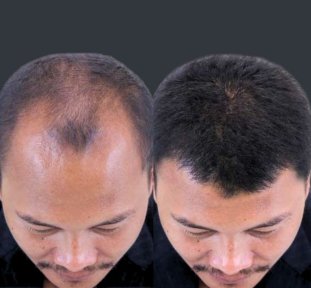
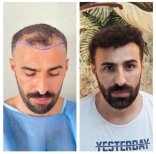
This minimally invasive procedure uses advanced technology to harvest and implant hair follicles, providing natural-looking results with minimal downtime and a swift recovery.
How to find best offer with Bookimed?
Discover options on the website: deals, clinics, and doctors.
Select your favourites.
Share photos or describe your issue.
Send a request.
Receive free offers for your needs with prices and details.
Compare and finalise your choice.
Book your clinic visit.
Pay at the clinic. Bookimed fees are $0 for you.
From start to finish, the Bookimed coordinator keeps you safe and comfortable during your medical journey.
100% free, non-binding assessment of your case after photos download.
Instant FREE personalised offers to make the right choice.
Expert guidance in choosing the perfect Plastic Surgery doctor and clinic.
Special packages and exclusive prices for our patients.
24/7 Bookimed guidance at no cost, guaranteed.
Hassle-free translation of your medical documents for clinics.
Multilingual staff — no language barrier with Bookimed coordinator.
Bookimed ensures transparent and secure payments. Patients pay at the clinic with no additional fees.
Dr. Ilker Manavbaşı is the youngest member of the Rhinoplasty Society. This exclusive organization admits only a limited number of international surgeons. He specializes in functional nasal surgery, facial rejuvenation, and mega liposuction. Dr. Manavbaşı developed two surgical techniques presented at the Symposium on Plastic Surgery in Italy.
Completed plastic surgery residency at Hacettepe University.
Served as a plastic surgeon at the Zeeba Clinic in Cleveland, USA.
Former Chief of the Department of Hand Surgery at Private Irene Hospital.
Member of the Turkish Society of Plastic Reconstructive and Aesthetic Surgery.
Professor Hakan Ikizoglu is the pioneer of a patented hybrid hair transplant technique designed to maximise graft harvest while protecting the donor area.
Performed over 1,100 hair transplantation procedures with high success rates
Specialises in Direct Hair Implantation (DHI) and Sapphire FUE methods
Personal assessment aiming to cover 97% of bald areas in one session
Provides a full 12 months of doctor-level post-operative follow-up care
Qualified as both a plastic surgeon and specialist trichologist
25 years of experience • 20000+ treatments performed
Cengiz Yaylaci has overseen more than 20,000 successful hair restoration procedures and pioneered oxygenated hair therapy in Turkey. He leads the team at Hair Clinic in Istanbul, which maintains a 99% success rate for transplants.
Developed a unique oxygenated therapy system to reduce surgical pain and scarring
Specialises in DHI and FUE techniques for hair, beard, and eyebrow restoration
Won the Mood Award for Best Hair Transplant Clinic in 2018 and 2019
Former specialist at major Turkish institutions including Acibadem and Medistate hospitals
Video Stories from Bookimed Patients
Oksana
I have fulfilled my dream. Finally, I won't cry about my hair anymore.
Procedure: Hair transplant
Roman
Just 4 days in Turkey, and I'm already home with a new hair.
Procedure: Hair transplant
Diana
Thanks to Bookimed, I found hope and a clinic willing to help.
Procedure: Hair transplant
Reviews about Bookimed: Discover Patients' Insights
Overall it was a great and very welcoming experience with the Hair Clinic
Overall it was a great and very welcoming experience with the Hair Clinic. I could not have had a more helpful and informative pre procedure with Kubra and Mehmet in perfect English. On the day of the procedure there was a doctor and then 2 ladies who performed the operation in tandem through the various phases. Overall about 7 hours and very efficient but not rushed and I had their full professional attention for the day. Next day bandages off and first wash. I went in for an additional wash the day after also. Then took some days to mostly rest but also to see some of Istanbul. Donor and recipient areas healing well so far. Very happy!
Bohdan • DHI hair transplantation
Ukraine
4 Dec 2025
Verified review.
Overall, I’m very satisfied with the experience
I decided to get a hair transplant after doing some research and chose Dr. Hakan Ikizoglu through Bookimed. Overall, I’m very satisfied with the experience.
Dr. Hakan Ikizoglu was excellent, very professional, charismatic, and supportive throughout the process. He explained everything clearly and personally handled the key parts of the procedure. The operation was smooth and almost painless, with a well-organized and experienced team.
The support staff was also great. Transfer, translation, and overall coordination were handled perfectly, making everything stress-free.
I would definitely recommend it.
What I liked the most was the doctor’s professionalism and support, as well as how smooth and well-organized the whole process was.
There was nothing I didn’t like, except the normal post-procedure discomfort, which is expected.
About Bookimed service
Not always all the info is true, speed of responding is also struggling, but overall it is a good experience!
Anonymous • DHI hair transplantation
Portugal
17 July 2025
Verified review.
The team of Doctors was the absolute best in the world!
The team of Doctors was the absolute best in the world! I didn’t go to USA, Asia or Brazil because these Doctors were really constructed as the best in the world and after experiencing the surgery I was blown away by how amazing the Drs and medial staff was. They calmed my fears and worried as well as explained everything well and set expectations perfectly. Outside of that Turkish people are really the nicest people on earth. I didn’t know that and was blown away by how friendly and personable they are, truly the staff made me feel at home and like a part of the family! Would go back just to have Turkish tea with the staff!! My surgery is healing up perfectly and I am so glad that I came here! You most definitely should do you procedure here!
The staff and level of expertise
Really nothing! The drivers are all 15 minutes early haha if that’s even a complaint
Rahim • DHI hair transplantation
United States of America
6 June 2022
Verified review.
"I really appreciate for Mr
In a nutshell, everything was beyond expectations! The gentleman named, Mr. Bakr AbdulHadi from Bookimed. which he arranged everything from end to end. Based on the doctors profiles I choose doctor out 5 doctors he provided. Him and his team was in contact every moment and made sure if Everything is OK. Ground team members of Mr. Bakr AbdulHadi was with me every steps of my journey.
My face lift, eyelids lift done was perfectly by Dr. Neermin, who is very good at English. Its about 1 month after the surgery and looks fantastic so far. I also had hair transplant.
I really appreciate for Mr. Bakr AbdulHadi’s excellent service. Thank you.
About Bookimed service
In a nutshell, everything was beyond expectations! The gentleman named, Mr. Bakr AbdulHadi. which he arranged everything from end to end. Based on the doctors profiles I choose doctor out 5 doctors he provided. Him and his team was in contact every moment and made sure if Everything is OK. Ground team members of Mr. Bakr AbdulHadi was with me every steps of my journey.
My face lift, eyelids lift done was perfectly by Dr. Neermin, who is very good at English. Its about 1 month after the surgery and looks fantastic so far. I also had hair transplant.
I really appreciate for Mr. Bakr AbdulHadi’s excellent service. Thank you.
Наталия • DHI hair transplantation
30 Aug 2021
Verified review.
"I highly recommend this clinic, I was satisfied with the operation itself and with the doctors and staff
Good afternoon. I can say one thing, beyond praise. Thank you very much for everything: transfer, hotel, clinic, doctors. Special thanks to Ekaterina and Hakam for participating in our problem. Thank you very much to Madame Sophia, she personally received us and supervised the operation itself. Thanks to the two doctors who performed the operation, unfortunately I did not ask the names. I am very incredulous, very much. I checked everything, looked after everything. Yes, the operation is painful, you need to understand this and know what you are doing. I came with my son and did not regret it. Care and participation are essential, as I have once again become convinced how much men are intolerant of pain. The payment was agreed in advance, back in Russia, there were no surprises. I was offered to buy more cosmetics for the care of transplanted hair for a year, I bought and Madame Sophia advised the pills, they cost a penny. This is already our choice. We had a little more than 3,000 grafts transplanted at a cost of $ 1,800. This includes the services of an interpreter (she was on the day of the operation), four days and three nights of hotel and breakfast. The hotel was Green Park, pleasantly surprised by the staff, free pool and gym. On arrival, the first day we rested, walked, gained strength. On the other days, there was no time for walks, we were engaged in treatment. I highly recommend this clinic, I was satisfied with the operation itself and with the doctors and staff. If you have any questions, call, Dilyara has my phone number. Yes, initially Mikhail, the coordinating doctor from Bookimed, helped me in my choice. Well done, sympathetic, competent and immediately understood the essence of my problem. There were minor problems with the delay of transport, but then I understood why - the movement was tin, traffic jams and a huge flow of cars
About Bookimed service
Initially, Mikhail, a coordinating doctor from Bookimed, helped me in my choice. Well done, responsive, competent and immediately got to the heart of my problem.
Антон • DHI hair transplantation
Portugal
25 Nov 2021
Verified review.
The operation was carried out perfectly, it was completed even earlier than predicted
I'll start from the airport, where I was met by a personal comfortable minivan of a famous German brand. Then I moved only on such minivans that were waiting for me at the appointed time at my hotel. At the clinic I was greeted as a long-awaited guest. The staff are friendly and helpful. Everywhere I was accompanied, they were interested in my well-being and comfort, they offered me drinks and treats. The equipment and the interior, in my opinion, are modern, inspire confidence and tranquility. The operation was carried out perfectly, it was completed even earlier than predicted. Nirazu did not regret agreeing to the transplant and choosing the Madame Safiye clinic. The result promises to be excellent. I recommend to everyone.
About Bookimed service
Yes, satisfied
Marius Munteanu Munteanu • DHI hair transplantation
Poland
23 Dec 2023
Verified review.
I could not be more happy with all the experience
The medical team that attended me with the hair transplant did a great job!
The intervention took quite a while yet the team attending me displayed a high level of patience and professionalism.Special kudos for Doctor Tolga and his medical team I would remember Koray and Esra and for the interpreter Hanin that accompanied me with translation throughout the all time.
I could not be more happy with all the experience. Will return with pleasure at Quartz Clinique for future needs.
.
About Bookimed service
The consultant from Bookimed connected me with the Quartz Clinique and everything went just fine.
All experience was impeccable!
Mehmet Sökmen • DHI hair transplantation
Germany
16 Nov 2025
Verified review.
I am absolutely happy with the end result and can only warmly recommend the team! Thank you very much🤗
The whole hair transplant journey was positive throughout and perfectly organised.
I received excellent support - the assistance, including via WhatsApp, was always quick and very helpful.
The doctors were extremely competent and did a great job. The hotel was close by, which made the procedures very convenient.
I am absolutely happy with the end result and can only warmly recommend the team! Thank you very much🤗
Anonymous • DHI hair transplantation
Spain
6 Dec 2023
Verified review.
I couldn't be happier
Yesterday i had a hair transplant at this clinic, and I couldn't be happier. The staff was incredibly professional, attentive, and made me feel comfortable throughout the entire process. The surgeon did a fantastic job, and the post-op care was thorough. I highly recommend this clinic for anyone considering a hair transplant.
About Bookimed service
Every question i had concerning my surgery was quickely answered, and they were able to get me an appointement asap eventhough it was a last minute decision but they made it possible for me!
Nickolaj • DHI hair transplantation
Ukraine
4 Feb 2024
Verified review.
I am satisfied with the service and quality of services
I had a hair transplant and the clinic contacted me. They explained what would happen and how it would happen, and arranged a transfer from the airport. All this time, a curator who spoke Russian was in touch with me. I am satisfied with the service and quality of services. I will see the result only in half a year.
Evgenii • DHI hair transplantation
Ukraine
13 June 2025
Verified review.
Special thanks to all the medical staff who performed the surgery, Dr
Had a DHI hair transplant. It was painless, although long, it took me from 7:30am to 5:30pm on the day of surgery. My hotel is very close by, about a 2-3 minute walk. Special thanks to all the medical staff who performed the surgery, Dr. Hakan and the coordinators Alina, Feruza and Akilai.
everything from the beginning
Marina Shikhova • DHI hair transplantation
Uzbekistan
15 Nov 2024
Verified review.
Everything was conducted in a very professional manner
Everything was conducted in a very professional manner. I especially liked the prompt response of the interpreter assistant. I can't say anything about the results of the procedure yet, of course, as it will be seen finally later, but I will share the result afterwards.
Rolandas • DHI hair transplantation
26 Feb 2020
Verified review.
Big thanks
Everything was Ok.Surgery took even shorter than was expected its.Everything was well organized from A to Z.
Big thanks to the doctor and staff....
big thanks to Bookimed staff.
Organized everything, and answered to my answers about visa and other.
Big thanks
About Bookimed service
Yes, big thanks to Bookimed staff.
Organized everything,and answered to my answers about visa and other.
Big thanks
Natal'ya • DHI hair transplantation
France
25 Mar 2024
Verified review.
Good organization - from transfer and accommodation to treatment
Polite, friendly and caring staff. Competent doctors. Friendly translator. Good organization - from transfer and accommodation to treatment. We still have to wait for the final result, but I am pleased with how the operation went.
The atmosphere during the operation was very positive. It relaxes, fear and discomfort fade into the background.
About Bookimed service
A good consultant, she helped me choose a clinic, provided the necessary information, and answered questions. Contacted before departure.
Anonymous • DHI hair transplantation
France
9 Mar 2024
Verified review.
Very Professional Clinique, the DHI technique is TOP with very nice staff
Very Professional Clinique, the DHI technique is TOP with very nice staff. Its a real clinique and everything is performed in the clinique with a dedicated team. Don't hesitate get an estimate with Ali on Bookimed site
About Bookimed service
Secured to find best deal and cl8nic in Istanbul. Everything is clear on the website and when arrived in Istanbul Everything is done perfectly
A certified medical writer with 10+ years of experience, developed Bookimed’s trusted content, backed by a Master’s in Philology and medical expert interviews worldwide.
Dr. Ergin Er is a plastic, reconstructive and aesthetic surgeon who has performed more than 10,000 aesthetic procedures. He is a multiple award winner at Turkish National Congresses of Plastic Surgery and completed advanced training at Baylor College of Medicine in Houston, Texas.
This page may feature information relating to various medical conditions, treatments, and healthcare services available in different countries. Please be advised that the content is provided for informational purposes only and should not be construed as medical advice or guidance. Please consult with your doctor or a qualified medical professional before starting or changing medical treatment.
FAQ about DHI hair transplantation in Turkey
These FAQs come from real patients seeking medical assistance through Bookimed. Answers are given by experienced medical coordinators and trusted clinic representatives.
What is DHI hair transplantation in Turkey, and how does the procedure work?
DHI hair transplantation in Turkey uses a specialised implanter pen to extract and implant hair follicles directly, without pre-made incisions. This method offers precise control over hair direction, higher graft survival rates, and minimal scarring. This makes it ideal for dense, natural-looking results.
Implanter pen: Direct insertion of follicles avoids scalp cuts and speeds healing.
Procedure length: Implantation can take 7+ hours for large sessions.
Local anaesthesia with needle-free options reduces pain; sedation is sometimes offered.
DHI suits precise hairline work and moderate bald areas, not huge coverage.
Many Turkish clinics include follow-ups, post-op care, hotel stay, and transfers.
Bookimed Expert Insight: Clinics led by doctors like Dr Cengiz Yaylaci and Dr Hakan Ikizoglu perform thousands of DHI transplants yearly, ensuring expert handling of extraction and implantation. Oxygenated local anaesthesia used at Hair Clinic offers a gentler experience. Packages often bundle VIP transfers and hotel stays, a must-have for long implantation days.
Patient Consensus: Patients say Turkish clinics offer clear communication, excellent English support, and smooth organisation. Many highlight the professionalism during long DHI sessions and fast recovery with minimal scarring. Staying 4–7 days in Turkey helps proper healing and easy follow-up.
How long does the DHI hair transplantation procedure take in Turkey?
A DHI hair transplant in Turkey usually takes about 9 to 10 hours for 4,500 to 4,800 grafts, including breaks. The time depends on graft count and treatment area. The procedure is done under local anaesthesia, sometimes with sedation. High graft counts may require a full day.
Procedure duration: 9-10 hours for 4,500–4,800 grafts including breaks.
Technique: uses Choi pen, oxygenated therapy, and needle-free anaesthesia options.
Clinic example: Dr. MED in Istanbul treats 4,500+ patients yearly with expert teams.
Anaesthesia: local anaesthesia standard; sedation offered in some packages.
Patient recovery: confident public appearance about 10 days after surgery.
Bookimed Expert Insight: The procedure’s length varies mostly by graft count. Clinics like Hair Clinic use the Comfort-in Device for oxygen therapy to speed healing. Packages with VIP transfers and nearby hotels, such as Quartz Hospital and Dr. MED, reduce patient stress on surgery day—a smart move for Aussies travelling to Turkey.
Patient Consensus: Patients in Turkey report the procedure takes a full day but is well managed and efficient. Many appreciate clinics with English-speaking staff and close hotels for easier recovery. Recovery allows them to feel ready to be seen around 10 days later.
What are the safety and comfort considerations of having a DHI hair transplant in Turkey?
DHI hair transplants in Turkey offer precise, minimally invasive procedures with local or needle-free anaesthesia, ensuring high safety and comfort. Clinics provide VIP transfers, 4- to 5-star hotel stays, and follow-up care, but patients should plan 7–10 days in Turkey for proper aftercare and recovery.
Implanter pen precision: reduces scarring and improves graft placement accuracy.
Anaesthesia options: local or needle-free minimise pain during 7–9 hour sessions.
VIP transfer and 4- to 5-star hotels ensure stress-free stays and recovery.
Follow-up care: includes medications, shampoos, compression garments, and telehealth.
Surgical team transparency: top surgeons oversee procedures, while skilled technicians assist.
Bookimed Expert Insight: Clinics like Dr. MED and Hair Clinic include VIP transfers and 4- to 5-star hotels, which greatly ease recovery for Australians. Oxygenated therapy at Hair Clinic lowers pain and scarring. Many packages offer telehealth follow-ups, a good comfort boost since patients usually stay 7–10 days post-surgery for optimal results.
Patient Consensus: Patients in Turkey praise efficient, professional teams and near-painless procedures. Hospital and hotel proximity helps comfort during the long day. Many valued language help and VIP transfers. Australians noted the importance of resting well, often using earplugs or neck pillows during surgery’s long hours.
Why is Turkey a popular destination for DHI hair transplantation among Australian patients?
Turkey is popular for DHI hair transplantation among Australian patients due to expert surgeons, all-inclusive VIP packages, and advanced oxygenated therapy. Istanbul hosts clinics with 4,000+ patients yearly, using precise, needle-free local anaesthesia for natural, dense hair restoration with fast recovery.
Experienced surgeons: Dr Cengiz Yaylaci performs 500+ transplants monthly at Hair Clinic.
All-inclusive packages: VIP transfers, 4-5 star hotels, local anaesthesia, and aftercare.
Advanced technology: Oxygenated Comfort-in Device reduces pain and accelerates healing.
Fast recovery: Most patients need no hospital stay and return to activities soon.
High international flow: Clinics like Dr. MED and Istanbul Aesthetic Surgery serve many Australians.
Bookimed Expert Insight: Clinics offering VIP transfers and 4-5 star hotel stays often include video or text follow-ups. Choosing surgeons who personally perform DHI, like Dr Hakan Ikizoglu or Dr Muhammed Yeni, ensures better outcomes. Australian patients value coordinated care easing travel stress.
Patient Consensus: Australians note clear English communication, smooth VIP transfers, and efficient procedures lasting around 7 hours. Recovery time is short, letting patients enjoy Istanbul’s culture shortly after surgery. Many appreciate detailed explanations and feeling supported throughout.
How long should I plan to stay in Turkey for DHI hair transplantation?
A stay of 5 to 7 nights in Turkey is ideal for DHI hair transplantation, allowing for proper rest, follow-up checks, and safer travel. The procedure day lasts around 7 to 9 hours under local anaesthesia. Initial rest is crucial during the first two days post-op.
Procedure duration: Approximately 7–9 hours on surgery day under local anaesthesia.
Hotel stay: Most packages include 2–3 nights in 4- or 5-star hotels after surgery.
Rest period: First 48 hours post-op are critical for recovery and graft stability.
Follow-up: Includes clinic hair wash and medical check within the first week.
Travel advice: Flying before 72 hours post-op risks graft damage; safer after 5 days.
Bookimed Expert Insight: Clinics like Dr. MED and Medart offer all-inclusive 3-night hotel stays and VIP transfers. Packages generally cover follow-up visits and PRP sessions within the week after surgery. Australian patients benefit from 5–7 night stays for rest plus light sightseeing before flying home.
Patient Consensus: Most patients in Turkey stay 4 to 7 nights, with 5 nights typical including the night of surgery. Many find 3 to 4 nights enough to recover before flying, but longer stays help with comfort and safer travel. The first two days are key for rest and healing.
What are the main benefits of the DHI hair transplant technique compared to traditional FUE in Turkey?
The DHI hair transplant technique in Turkey offers precise control over graft placement using a Choi pen, achieving denser and more natural hairlines. It causes less scalp trauma and scarring by combining channel creation and implantation, enabling faster recovery and higher graft survival than traditional FUE.
Precision graft placement: Choi pen controls angle, depth, and direction precisely.
Reduced trauma: No need for pre-cut channels, causing less swelling and pain.
Higher graft survival: Follicles stay out of the body for a shorter time.
Minimal scarring: Smaller 0.6–1 mm incisions leave almost invisible marks.
Ideal for small areas: Great for dense hairlines and targeted zones.
Bookimed Expert Insight: Clinics like Dr. MED and Medart Clinic show that surgeon skill matters most for DHI success. Experienced doctors with thousands of cases, such as Dr. Hakan Ikizoglu, deliver smoother, less painful procedures. Packages often include VIP transfers and 4–5-star hotels, which add comfort without increasing trauma risks. Notably, DHI suits patients wanting higher density and faster recovery but is slower and costlier than FUE. It is best for smaller, precise areas.
Patient Consensus: Patients in Turkey appreciate DHI’s quick healing and less visible scarring. They value the gentle, precise Choi pen method and often report minimal pain and swelling. Many highlight VIP transfers and comfortable hotel stays. The natural-looking hairlines from DHI stand out, especially for those with fine or limited hair loss.
Can I have a DHI hair transplant in Turkey without shaving my head?
A DHI hair transplant in Turkey can be done without shaving the entire head, but the donor area is still shaved or trimmed short. This no-shave method suits smaller graft numbers and keeps the transplanted area discreet during early healing, especially for thinning spots or hairlines.
Donor area shaving: Small patch shaved for graft extraction, recipient area left unshaven.
Graft limits: No-shave DHI usually applies for 2,000–2,500 grafts maximum.
No-shave benefits: Avoids visible signs of surgery during initial weeks post-op.
Risk factor: Higher skill needed; inexperienced surgeons may cause uneven or messy results.
Bookimed Expert Insight: Clinics like Hair Clinic and Dr MED in Istanbul offer no-shave DHI, but limit grafts for best results. Surgeons such as Dr Hakan Ikizoglu with 20+ years’ experience ensure neat no-shave transplants. Large procedures usually require partial or full shaving to guarantee uniform coverage and healing.
Patient Consensus: Patients appreciate the no-shave option for discreet healing, especially around hairlines or crowns. Many found donor area shaving well hidden under long hair. Post-op care is noted as crucial to protect new grafts and speed recovery in Turkey.
How long does a DHI hair transplantation procedure take in Turkey, and what should I expect for recovery?
DHI hair transplantation in Turkey usually takes 8–10 hours, longer than FUE due to precise graft placement. Recovery includes scabs clearing by day 10 and full scalp healing by three weeks, with mild redness lasting up to a month. Full hair density develops over 12 months.
Procedure duration: 8–10 hours for 3,000–4,500 grafts with local anaesthesia.
Scabs clear by day 8–10, allowing gentle washing of the scalp.
Public appearances are generally comfortable by day 10–14 post-op.
Complete scalp healing takes around 3 weeks; redness may last up to 1 month.
Hair regrowth starts around 3 months; full results appear by 12 months.
Bookimed Expert Insight: Some clinics, like Hair Clinic with Dr. Cengiz Yaylaci, use oxygenated therapy to reduce pain and speed recovery. Turkish clinics commonly include VIP transfers, 4–5-star hotel stays, and video follow-ups, which help international patients, including Australians, manage post-op care easily. Booking 10 days in Turkey fits well with the scab shedding and public appearance timeline.
Patient Consensus: Patients appreciate the professional attention during the long procedure, lasting about 7–10 hours. Many note feeling confident in public by two weeks and value nearby hotels and clear communication from English-speaking staff in Turkey. The painless experience and thorough aftercare stand out.
How many hair grafts can I expect to receive in a DHI hair transplant in Turkey?
A DHI hair transplant in Turkey typically delivers between 2,000 and 4,500 grafts per session, depending on donor hair and baldness. Clinics like Istanbul Aesthetic Plastic Surgery Centre offer up to 4,500 grafts. The exact number depends on donor strength and surgeon assessment, not package limits.
Typical graft count: 2,500 to 4,000 grafts common for most patients.
High-volume sessions: up to 4,500 grafts at premium clinics like Istanbul Aesthetic Plastic Surgery Centre.
Procedure duration: about 7–8 hours including extraction and implantation.
Some surgeons recommend multiple sessions if over 5,000 grafts needed to avoid donor damage.
Clinics use needle-free anaesthesia and oxygenated therapy for quicker recovery and less scarring.
Bookimed Expert Insight: Clinics led by surgeons such as Dr Cengiz Yaylaci at Hair Clinic perform 500+ transplants monthly, supporting both quality and volume. Packages often include PRP therapy and hospital stays from 0 to 1 day, plus VIP transfers and 4–5 star hotel stays, offering a full-service experience beneficial for Australian patients.
Patient Consensus: Patients in Turkey regularly receive 3,000+ grafts with professional, patient-focused care. They appreciate English-speaking coordinators and smooth transfers. Recovery is quick, with many having bandages removed the day after surgery and early hair washes.