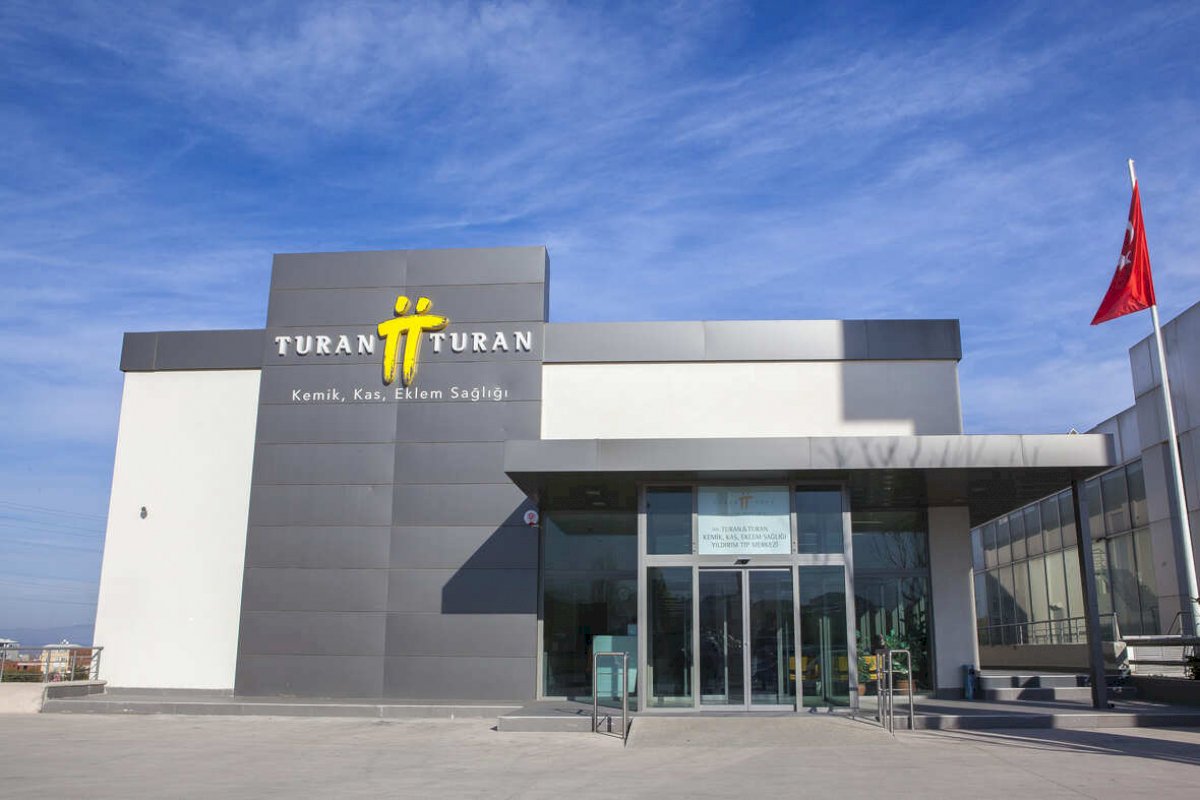
 Arthroscopic Rotator Cuff Repair Surgery with Transfers
Advertiser Disclosure
Last updated: 31/10/2026
3 Best Arthroscopy Clinics in Turkey — AUD Prices
Want to explore more options? You can also browse all 3 clinics below.

85 %
patient recommendation
23 K+
patients
Meet the experts behind this page
Medically reviewed by
Kayhan Turan
Authored by Anna Leonova
Head of Content Marketing Team
How it works
We've transformed the clinic search process, making it simple, fast, and personal.
Answer a few questionsTake a short quiz to share your Arthroscopy goals.
Get personalised offers3 clinics, handpicked based on your answers, provide tailored treatment plans and quotes.
Choose the best optionCompare offers and choose the clinic that suits you best.
You can also browse all 3 clinics below.
1M+ patient inquiries
32+ countries
3,323 partner clinics
13,325 certified doctors
How Much Does Arthroscopy Cost in Turkey in AUD?
Prices for Arthroscopy in Turkey start from AUD $6,700.
| Turkey | Thailand | |
|---|---|---|
| Arthroscopy | from AUD $6,700 | ≈ AUD $4,700 |
Data verified by Bookimed as of November 2026, based on patient requests and official quotes from 34 clinics worldwide. Median costs are based on real invoices (2025–2026) and updated monthly. Actual prices may vary.
Best Arthroscopy Clinics in Turkey for Australians: 3 Verified Options and AUD Prices
Arthroscopic Rotator Cuff Repair Surgery with Transfers Arthroscopic Bankart Repair Surgery - VIP Transfers Arthroscopic Meniscus Repair Surgery VIP Transfers Package
Arthroscopy Overview in Turkey
Takeaways
Related procedures & Costs
How it works
Benefits
Payment
patients recommend -
85%
Requests processed - 23249
Verified patient reviews - 20
Bookimed fees - $0
Types of Arthroscopy
How to find best solution with Bookimed?
Check available options for your case on the website.
Request a free consultation with documents assessment.
Download your medical records and describe your needs.
Receive customised free treatment plans with prices and details.
Compare them and finalise your choice.
Agree the date for your upcoming clinic visit.
Arrive and pay at the clinic. Bookimed fees are $0 for you.
From start to finish, the Bookimed coordinator keeps you safe and comfortable during your medical journey.
100% free, non-binding assessment of your medical records
Instant FREE personalised treatment plans to make the right choice
Expert guidance in choosing the perfect Orthopedics doctor and clinic.
Special packages and exclusive prices for our patients.
24/7 Bookimed guidance at no cost, guaranteed.
Hassle-free translation of your medical documents for clinics.
Bookimed's multilingual team ensures comfortable communication.
Bookimed ensures transparent and secure payments. Patients pay at the clinic with no additional fees.
Available Payment Methods:
How to Secure an Appointment:
1. Documents: Passport and ticket copies.
or
2. Deposit:
- Bookimed deposit: $200 or €200.
- Clinic deposit: Pay a set percentage in advance.
For more information, see our Payment Policy
Our Trusted Doctors for Australian Patients
View all Doctors
verified
Halil Can Gemalmaz
19 years of experience • 5000+ treatments performed
Dr. Halil Can Gemalmaz is a professor of orthopedics and traumatology in Istanbul. He is a pioneer in Turkey for 3D patient-specific orthopedic procedures. Dr. Gemalmaz specializes in robotic-assisted joint replacements for the knee and hip. He currently serves as a faculty member at Atlas University Faculty of Medicine.
- Uses 3D planning and custom surgical guides for complex bone deformities.
- Performs robotic-assisted arthroplasty, including MAKOplasty and OMNI systems.
- Treats sports injuries through arthroscopic surgery of the shoulder and knee.
- Practices at a center accredited by the Turkish Medical Association.

verified
Murat Kezer
18 years of experience
Dr. Murat Kezer is an orthopedic surgeon at Turan Turan Health Group in Bursa. He specializes in robotic knee and hip replacement using the MAKO system. Dr. Kezer treats complex conditions, including ligament tears, bone fractures, and joint deformities.
- Completed specialized surgical training for MAKO total and partial joint reconstruction.
- Performs arthroscopic surgery and revision procedures for the knee and hip.
- Provides stem cell and PRP therapy for non-surgical arthritis management.
- Member of the International Congress for Joint Reconstruction.
verified
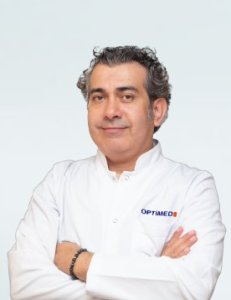
Burak Gunaydin
22 years of experience
Dr. Burak Gunaydin is an Associate Professor of Orthopedics at Optimed International Hospital. He specializes in prosthetic surgery, shoulder arthroscopy, and pediatric orthopedic oncology. Dr. Gunaydin won the Akif Şakir Şakar Science Award for clinical research.
- Completed AO Trauma advanced surgical training in Austria.
- Performs single-bundle and double-bundle anterior cruciate ligament reconstructions.
- Maintains membership in the Turkish Sports Injury Arthroscopy and Knee Surgery Association (TUSYAD).
- Publishes research in the International Journal of Surgery and Archives of Orthopaedic Surgery.
verified
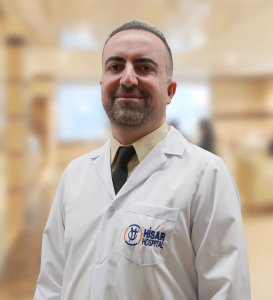
Servet Igrek
13 years of experience
Assoc. Prof. Dr. Servet İğrek is an Orthopaedics and Traumatology specialist trained at Marmara University. He practices at Diyarbakır Selahaddin Eyyubi State Hospital and Kartal Dr. Lütfi Kırdar City Hospital.
He focuses on sports injuries and arthroscopic surgery. He has extensive experience in knee, shoulder, hip and ankle arthroscopy; ligament and meniscus surgery; shoulder instability; cartilage injuries; arthroplasty; and orthopaedic trauma.
He completed a SECEC & ESSKA‑approved Sports Surgery Fellowship Program. He has authored or co‑authored many peer‑reviewed publications, book chapters and congress presentations. He teaches in national and international arthroscopy training programs. He is an active member of the Turkish Orthopaedics and Traumatology Association, TUSYAD, the Turkish Shoulder and Elbow Surgery Association, the Hip and Knee Arthroplasty Association, and SICOT.
Reviews about Bookimed: Discover Patients' Insights
All reviewsШахноза • Surgery for forearm fracture
Uzbekistan
8 Aug 2026
The surgery went brilliantly
I sincerely want to thank the Bookimed team for their assistance. I had a challenging task: finding a specialized surgeon with expertise in hand finger surgery. The Bookimed specialists were very attentive to my request and helped me find the right doctor in Turkey. I was facing a serious operation on the 3rd, 4th, and 5th fingers of my left hand. The procedure was complex: a bone graft from the iliac crest was placed, and osteotomy was performed on several fingers with pin fixation. The surgery went brilliantly. Surgeon Levent Yalcin personally examined me afterward, which was very important. The staff at the Group Florence Nightingale Hospitals clinic was very polite. It was nice that there were no additional expenses, as the clinic provided everything necessary for the stay.
I would like to sincerely thank the Bookimed team for their assistance in finding a clinic and doctor in Turkey. I faced a fairly complex task: it was necessary to find a highly specialized surgeon with expertise in treating and performing surgery on finger joints. Finding the right specialist on my own proved to be challenging—there is a lot of information available, but it was essential to select a doctor with the necessary specialization and experience.
The specialists at Bookimed paid close attention to my request. They did not just suggest a few clinic options, but helped me navigate the information, chose an appropriate medical institution, and found a surgeon with the required profile in Turkey.
I was provided with a personal coordinator, Olga. I especially want to highlight the promptness, attentive service, and individualized approach. They remained in contact with me at all stages, answered questions, assisted with organizational matters, and provided necessary information. This was particularly important to me because dealing with health issues and upcoming surgical treatment, one wants to ensure they are turning to reliable professionals and are in safe hands.
Upon arrival in Istanbul, everything was top-notch—transfer service, interpreter, coordinators, doctor consultations, and surgery preparation were all meticulously planned, leaving us with no worries. The surgery went excellently; even before the procedure, they ensured I was well-prepared. I didn't even notice how I ended up in the operating room. I woke up post-operation in the ward where my husband was waiting for me. The excellent surgeon, Levent Yalçın, conducted the surgery, accompanied me at all stages, and always answered questions. The staff at Group Florence Nightingale Hospitals was very polite and responsive. They regularly checked on my well-being, measured blood pressure, and temperature. The conditions in the room were like a 5-star hotel, or even better, with additional amenities available in the restroom for patients.
I would also like to thank Alisher, the international department coordinator, for his kindness and responsiveness, and interpreter Darya for her support and assistance in communicating with the doctors and staff.
Mariia Chumakova • Hallux valgus surgery
Georgia
24 Oct 2025
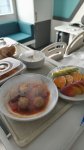
Lokman Hekim Hospital left a profound impression on me with its genuine care for every patient
Lokman Hekim Hospital left a profound impression on me with its genuine care for every patient. Everything here is organized the way it should be in an ideal clinic: the staff is attentive, considerate, always ready to help, and does not just go through formal procedures.
Unlike many expensive clinics, where everything feels cold and impersonal, where patients are treated almost like on a conveyor belt, here you truly feel involvement and empathy. Every step, every detail is thoughtfully planned with the patient in mind, creating a sense of safety and comfort.
Here, they don’t just treat and send you away — they guide and support you at every stage, creating an atmosphere of trust and warmth. This approach makes the stay in the clinic as comfortable and reassuring as possible.
In short, my experience was simply amazing. I highly recommend Lokman Hekim among other Turkish clinics, in Istanbul and other cities, because everything here is truly top-notch. I have already shared more detailed impressions in other reviews, but in short — everything was perfect.
Everything was perfect
About Bookimed service
My experience with Bookimed was absolutely amazing. My sister even went with me to have blepharoplasty, and she immediately wanted to have her surgery at the same clinic where I had mine, because the plastic surgeon there was incredibly professional and outstanding. I can confidently recommend Bookimed to all my relatives, and I would gladly go again to this clinic and only to these doctors, because every specialist in the clinic is exceptional and excellent.
Bookimed is truly an amazing platform. I am grateful that it exists because it is very important for people who cannot find the best doctors in their own countries. The platform helps to find the best options for each patient individually, offering different choices so that everyone can select what is optimal for them.
Нурлан Чормаков • Hip replacement
Kazakhstan
25 Apr 2024
I am very satisfied with the choice of this clinic
At the Turan Turan Clinic, I had total hip replacement surgeries on both legs almost simultaneously, two days apart. The operation was categorised as complicated. From the very first days of my stay in the clinic until my discharge I was really surrounded by sincere care and attention of the doctor and medical staff and interpreter. I was placed in a very comfortable ward with everything I needed. The interpreter and assistant in the person of Eldar did not leave me a step and helped with translation, consulted, gave useful advice and literally led me by the hand to the doctors where I was examined, from the X-ray room to the anaesthesiologist before the operation. Preparation for the operation, collection of analyses, their study and consultation with doctor Kayhan Turan took little time. Everything went promptly. The surgery was performed by the head doctor Kayhan Turan himself, who has vast experience in orthopaedic surgeries. With his light hand and high level of professionalism, the two surgeries two days apart were very easy. Smith & Nephew prostheses were fitted. Both operations were performed under spinal anaesthesia, which in my case completely eliminated the unpleasant stage of coming out of anaesthesia. I was conscious during the operations. Subsequent rehabilitation took place in a hospital ward, where special medical simulators were used along with exercises to develop the joint and vessels. I am very satisfied with the choice of this clinic.
About Bookimed service
Thank you Bookimed for the quality and prompt selection of the right clinic in accordance with the quality-price criterion. I was immediately offered several real offers to choose from, constant communication gave me hope for a speedy recovery. Very attentive staff. Thank you !!!!
Dar'ya • Arthroscopic surgery
Georgia
14 Feb 2026
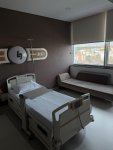
I am completely satisfied with the treatment and grateful to the entire team for their professionalism and care
I was very impressed with the clinic and the attentive care given to patients. Special thanks to Dr. Rukhat Tanli—an knowledgeable, professional, and highly compassionate specialist.
Anesthesia was administered smoothly, and recovery was comfortable. The staff is friendly and caring, and the clinic is modern and clean.
I would also like to specifically thank coordinator Olga for her assistance, support, and translation guidance—thanks to her, the entire process was calm and organized.
I am completely satisfied with the treatment and grateful to the entire team for their professionalism and care.
I was highly impressed with the clinic and their approach to patients. Special thanks to Dr. Rukhat Tanli — a knowledgeable, attentive, and professional specialist.
The anesthesia was smooth, and the recovery was comfortable. The staff is very friendly and caring, with a calm atmosphere. The clinic is modern and clean.
I am completely satisfied with the treatment and grateful to the entire team for their help and support.
About Bookimed service
Everything is great, thank you.
Anonymous • Hip replacement
7 May 2026
Thanks to the successful operation, I started walking without a limp almost as soon as I tried doing so without crutches
Before the operation, I was most worried about a possible difference in leg length, but now they feel exactly the same. The operation was performed via an anterior approach using a Stryker implant. A huge thank you to the wonderful doctor, Professor Olcay Güler. He is always positive, a pleasure to talk to, and uses modern techniques as well as robotic surgery for procedures like this. Direct anterior access is the best option for those who want a faster and better recovery, and there are very few specialists who use this modern method. On the 7th day after the operation, I had already started walking without crutches, even though I hadn’t rushed my recovery; the doctors do recommend walking with crutches for two weeks. Thanks to the successful operation, I started walking without a limp almost as soon as I tried doing so without crutches. I should note that I deliberately didn’t walk with just one crutch; I used both, but walked with them using the Nordic walking technique with poles. I think this also helped me avoid limping straight away. If anyone needs joint replacement surgery, I highly recommend Professor Olcay Güler and the Memorial Şişli Clinic; a good doctor is the key to a successful return to normal life. And of course, a huge thank you to the Bookimed team and personally to coordinator Sergey, who patiently selected the clinic and doctor for me! In the early stages of recovery, the hardest thing for me is getting in and out of the car. A tip for future patients: prepare comfortable trousers without elastic at the bottom in advance, slip-on shoes, and a special device for putting on compression garments and socks – a butler or glider – will also come in very handy, but only if you’re doing everything without assistance.
A huge thank you to the wonderful doctor, Professor Olcay Güler. He always has a positive attitude, is a pleasure to talk to, and uses modern techniques as well as robotic surgery for procedures of this kind. Direct anterior approach is the best solution for those who want a faster and better recovery, and there are very few specialists who practise this modern method. On the 7th day after the operation, I had already started walking without crutches, even though I hadn’t rushed my recovery; the doctors do recommend walking with crutches for two weeks. Thanks to the successful operation, I started walking without a limp almost immediately after trying to do so without crutches on the 7th day. I also made a point of not walking with just one crutch; I used both, but walked with them in the style of Nordic walking with poles. I think this also helped me avoid limping straight away. If anyone needs joint replacement surgery, I highly recommend Professor Olcay Güler and the Memorial Şişli Clinic; a good doctor is the key to a successful return to normal life. And of course, a huge thank you to the Bookimed team and personally to coordinator Sergey, who patiently helped me find the right clinic and doctor!
There are no downsides, just one suggestion: to produce a short leaflet for the clinic’s patients setting out post-operative restrictions, initial exercises, and exercises for further rehabilitation six weeks later, when most restrictions will have been lifted.
Marina • Surgical treatment of scoliosis
8 Aug 2025
Doctors at the highest level
PLUSES
Doctors at the highest level...professionalism, attention, responsibility felt during the whole stay...nothing unnecessary was said...no promises were made that could not be realised later...we were very satisfied with the results of their work....
Medical equipment may not be the latest models, but the penultimate certainly ...
The food is very tasty...
The facilities in the ward create a comfortable stay...
The location of the clinic is good... Many hotels of different categories within walking distance.....
MINUSES
The medical staff and service staff (cleaning of the ward) wish to be better...the clinic needs a little more review of the process of care of medical staff for patients...at night when the patient before surgery or after surgery should gain strength and rest, begins frequent going to the room...then the temperature to measure, then the pressure, then remembering about the drip to connect the next or remove the forgotten....
Another disadvantage is the proposal-proform with an indication of what services are included in the paid amount, and which are not ... I would like a more specific list...taking into account that the treatment plan has changed, the amount to be paid has also changed, and there is always a question whether it is paid or whether it is necessary to pay additionally...which causes inconvenience and worries "whether you have enough money"....
The general impression of the clinic was good...despite the disadvantages.....
Professionalism of the medical team
Nursing and housekeeping.
About Bookimed service
Very grateful to Stanislav...all questions were always answered in a short period of time..... any misunderstandings that arose were resolved quickly.....
claudine heilig • Osteoarthritis
France
6 Mar 2026
In my situation, this care truly gave me hope again
I came to Istanbul for intensive medical care with a complex case involving multiple conditions. Thanks to Bookimed and my French-speaking coordinator Fidan and her colleague, everything was organized flawlessly. They truly went above and beyond, adapting my care to my evolving needs with great responsiveness and compassion.
From the moment I arrived at Florence Nightingale Hospital, everything was handled with remarkable efficiency: I consulted 7 specialist professors in one day, followed by comprehensive tests (full-body MRI, CT scan, EMG, blood tests) over the next few days. In less than a week, I had a complete diagnosis and all treatments in place.
The medical team is exceptionally professional — both highly skilled and genuinely caring. Each professor took the time to explain the results and treatment options. I now receive monthly follow-ups with my specialists.
The service goes far beyond medical care: the hospital provides daily transportation for appointments, physiotherapy, and rehabilitation sessions. In France, I would have waited months just to get a first specialist appointment. Here, everything was done within days.
I highly recommend Bookimed and Florence Nightingale Hospital without hesitation. In my situation, this care truly gave me hope again.
I arrived with a very complex and serious medical case, and I was impressed by the speed and efficiency of my care. In less than a week, I consulted 7 specialist professors, all necessary tests were completed (full-body MRI, CT, EMG, comprehensive blood work), and my treatments are now in place with monthly follow-ups by the professors. On top of that, the hospital provides daily transport for all my treatments: physiotherapy, rehabilitation, etc. An incredible service. Florence Nightingale is an excellent facility in every respect, both medically and humanly.
Apart from my visceral fear of needles, honestly, nothing. I even have a dedicated French-speaking coordinator. And a terrace café to enjoy a cappuccino in the sun inside the hospital. I have never been taken care of this well in my life.
About Bookimed service
Bookimed gave me access to excellent medical care in Istanbul that I could never have obtained so quickly in France. The compassionate support from Fidan and her team made all the difference at a time when I was feeling particularly vulnerable. I would recommend them without hesitation.
Darya Trebka • Anterior cruciate ligament reconstruction
2 Jan 2025
I am thrilled with my trip for the surgery! 🚀💯
I want to express my immense gratitude to Dr. Kayhan Turan and the Team for the surgery!!! In addition to the excellent surgery, I received support with all my questions and concerns, so I didn’t have to worry about anything. Eldar kept everything under control. I loved absolutely everything—from the transfer to staying in the hospital in my own private room with a companion. I also appreciated the opportunity to take the physiotherapy equipment to my hotel room, allowing me to do the exercises there instead of going to the hospital. And, of course, the wonderful support from Eldar was truly outstanding!
Thanks to Dr. Hanna from Bookimed Support for your help during the initial stages of choosing a clinic (this is the best clinic I could choose, I'm very happy) and for your continued support throughout my entire trip, and thank you, Aboush!
I am thrilled with my trip for the surgery! 🚀💯
Excellent surgery
Eldar's assistance 🚀💯
Affordable prices
About Bookimed service
I will definitely recommend Turan Turan Health Group 100%! I am thrilled with my trip for the surgery!
Larisa • Knee replacement
Serbia
6 Apr 2024
The doctor is very competent, trustworthy, attentive, positive and charismatic
My father, 76 years old, had a knee replacement - Dr Olcay Guller. The doctor is very competent, trustworthy, attentive, positive and charismatic. This is important because my father was very worried and doubtful, but after the first meeting with the doctor he was completely reassured. All pre-operative investigations were organised quickly. Preparation for the operation and the operation itself - everything went smoothly. The next morning my dad was already walking along the corridor with the help of crutches. Nurses and nurses are attentive and friendly, no remarks. Feeding was also excellent, even a lot. I was placed in a spacious ward with a large window and air conditioning. In the bathroom everything is adapted for immobile patients, spacious barrier-free shower. On the territory of the hotel there are a couple of cafes with a good menu, Starbucks.
The internet in the hospital is quite good.
All in all it was a pleasant experience. Would recommend the hospital with a clear conscience if needed
About Bookimed service
I don't know how long I would have searched for a hospital myself if I hadn't written to Bukimed. There was hardly any free time for this, and there were many doubts about the choice.
With Bukimed everything unfolded quickly and in a couple of weeks my father was already seen by a doctor.
Carl Jensen • Hip replacement
23 Aug 2025
Dr
It's now been about 1 1/2 months post surgery and I am pleased with the progress of my recovery. It seems that the implant and hip have aligned themselves nicely with the rest of the leg and foot . I can walk quite well. It seems that improving the strength in my leg will lead to greater recovery. I was pleasantly surprised by the professionalism , knowledge and concern of all people involved ; especially Booki Med med coordinator Dr. Olha who exhibited limitless patience and concern for my problems. The hospital was first rate and those within, I felt, were truly concerned with my situation
Tat'yana • Consultation with an orthopaedist
United Kingdom
9 May 2026
They all deserve top marks
Strange as it may sound, my overall rating is zero. That said, I can’t say a single bad word about either the surgeon or the clinic staff. They all deserve top marks. The doctor was very attentive and professional, and the support team did everything they could to help. The problem isn’t with the people. The problem is that the outcome of the consultation and what followed completely overshadowed all the positive impressions, leaving me in a very difficult situation during the recovery phase. The service was good, but the result was not.
Qualifications of doctors and medical staff
Online answers to questions
It takes a very long time
Maryna Bajer • Hand surgery
Germany
14 Oct 2023
Thanks a lot to the great team!
I had to do an operation of the fracture of my little finger that happened during vacation in the South of Turkey. The organization was supported by Alisher Durdiyev and was very quick and helpful, even during the late evening. The surgery could be organized very quickly, the doctor Levent Yalcin, one of the rare hand surgeons, was extremely good, could incorporate my wishes and I was back with my family very quickly. The teams of nurses and doctors in the hospital was very good. Thanks a lot to the great team!
Rashed Alhosani • Consultation with an orthopaedist
United Arab Emirates
10 Feb 2024


In 8 days I felt better and I don't need surgical operation
I like the treatment , staff , environment. Special thanks for Hussein , Melih , and all staff I can’t remember the names .
I recommend this hospital for all .
Daily they made for me more than 10-12 session .
They used all technology and staff to let me feel better .
I had some special services massage , daily Hotel transport, and hotel discount .
I can’t express all but thanks a lot in 8 days I felt better and I don’t need surgical operation .
Will visit again inshallah .
About Bookimed service
Perfect they follow all my needs
Volodymyr Kopysov Kopysov • Ankylosing spondylitis
Ukraine
16 Oct 2025
I am satisfied with everything
He completed a two-week rehabilitation course. I improved my condition, I am satisfied with everything.
The staff are professionals. Special thanks to Kenan for his support and resolution of all issues. I liked the treatment programme. With my diagnosis of ankylosing spondylitis, it was possible to improve the condition of my spine and partially restore mobility.
I recommend it, I will come back again.
schedule, treatment, staff
-
Larisa Petrova • Hip fracture
Canada
11 Dec 2023
Operation at the highest level! Be sure to take an accompanying person with you! You will not be able to do without this or hire a Person through a coordinator to serve for 3 weeks
About Bookimed service
Regular support on all issues
Share this content
Video Stories from Bookimed Patients
Dayana
I combined my vacation in Antalya with a check-up.
Procedure: Female check-up
Igor
It was great! Transfers, accommodation, treatment—all included.
Procedure: Dental Implant
Marina
Bookimed did everything for me. I didn't have to worry about anything.
Procedure: Female check-up
Updated: 31/10/2026
Authored by
 Anna Leonova
Head of Content Marketing Team
A certified medical writer with 10+ years of experience, developed Bookimed’s trusted content, backed by a Master’s in Philology and medical expert interviews worldwide.
Reviewed by Bookimed Medical Advisor
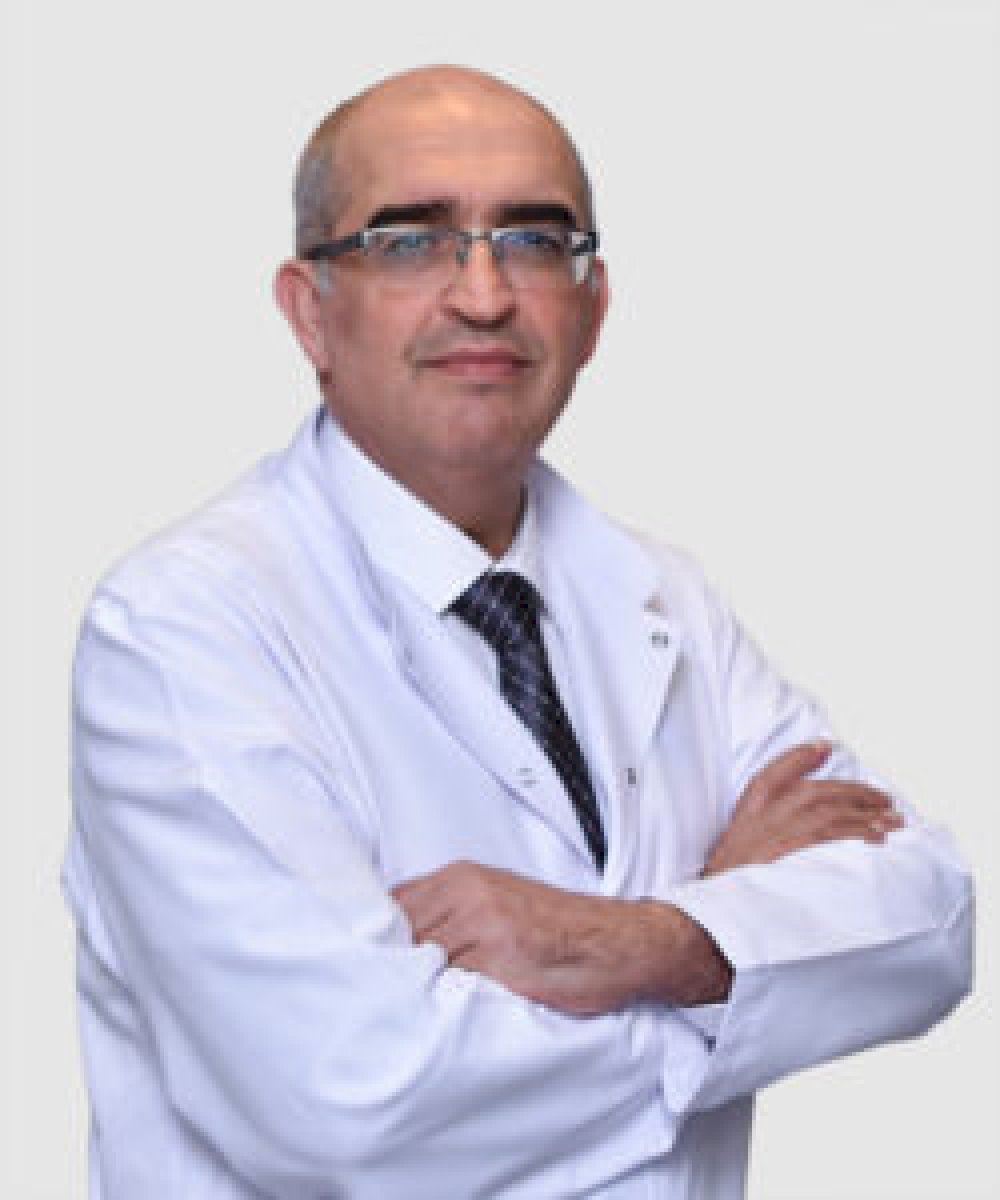
Kayhan Turan
Orthopedic surgeon
Dr. Kayhan Turan is an orthopedic surgeon specializing in robotic-assisted joint replacement and sports medicine. He performed Turkey's first robotic knee and hip replacements and has completed over 3,500 robotic surgeries.
Kayhan Turan LinkedinThis page may feature information relating to various medical conditions, treatments, and healthcare services available in different countries. Please be advised that the content is provided for informational purposes only and should not be construed as medical advice or guidance. Please consult with your doctor or a qualified medical professional before starting or changing medical treatment.
FAQ about Arthroscopy in Turkey
These FAQs come from real patients seeking medical assistance through Bookimed. Answers are given by experienced medical coordinators and trusted clinic representatives.
What are the clinical risks associated with arthroscopic joint surgery in Turkey?
Arthroscopic joint surgery in Turkey carries minor clinical risks like infection, blood clots, or temporary nerve irritation. Complications occur in under 5% of cases globally. However, medical travellers face fly-back risks like deep vein thrombosis and wound dehiscence from cabin pressure. Long-haul flights can make these issues more likely.
- Standard surgical hazards: Joint infections occur in 0.08% to 0.84% of arthroscopic procedures worldwide.
- Nerve and tissue: Instruments in tight joint spaces can cause temporary numbness or cartilage lesions.
- Thromboembolism risks: Long flights after surgery significantly increase the chance of DVT or pulmonary embolisms.
- Recovery continuity: Returning home immediately can break the link between surgery and essential physiotherapy.
Bookimed Expert Insight: Specialised centres like Turan Turan Health Group use the Stryker MAKO robotic system. This technology improves surgical precision. It can also lower the risk of tissue damage compared to traditional manual arthroscopy. Choosing a robotic-certified surgeon like Dr Murat Kezer adds an extra layer of procedural safety.
Patient Consensus: Patients suggest arranging local physiotherapy in Australia before leaving for Turkey. They recommend staying in a hotel for at least 7 days before flying. This helps make sure the joint is stable.
How can I verify the credentials of an orthopaedic surgeon or hospital for arthroscopy in Turkey?
Verify Turkish orthopaedic credentials by checking for Ministry of Health registration. Look for board certification from TOTEK (Turkish Orthopaedics and Traumatology Education Council).
Check if the hospital holds an International Health Tourism Authorisation Certificate. JCI accreditation also helps to confirm safety standards for arthroscopy.
- Specialist registration: Confirm the surgeon is registered as an orthopaedic specialist with the TTB (Turkish Medical Association).
- Academic standing: Look for titles like Prof. Dr or Doç. Dr. These indicate high-level clinical and academic expertise.
- International fellowships: Top surgeons often hold memberships with ESSKA (European Society for Sports Traumatology, Knee Surgery and Arthroscopy).
- Facility standards: Check for JCI accreditation at major centres like Anadolu Medical Center to verify safety protocols.
Bookimed Expert Insight: High-volume clinics like Turan Turan Health Group serve over 18,000 patients annually. Surgeons there, such as Dr Murat Kezer, often hold specific robotic certifications from manufacturers like Stryker Mako. This technical training indicates precision for complex arthroscopic joint reconstructions.
Patient Consensus: Patients suggest requesting the surgeon's full registration number and specialist training details before booking. They recommend asking how many meniscus or ACL procedures the surgical team performs each month. In Turkey, verifying memberships in groups like TUSYAD ensures your doctor specialises in sports injuries.
What is arthroscopy, and which joint conditions can be treated with it in Turkey?
Arthroscopy is a minimally invasive keyhole surgery used to diagnose and treat joint issues through tiny incisions. Surgeons in Turkey use high-definition cameras and robotic systems like Stryker Mako to repair meniscus tears, ACL injuries, rotator cuff damage, and labral tears.
- Knee procedures: Surgeons perform meniscus repairs, ACL reconstructions with autografting, and removal of loose bodies.
- Shoulder repairs: Specialists treat rotator cuff tears, Bankart lesions, and impingement syndrome using minimally invasive techniques.
- Hip treatments: Highly trained surgeons manage labral tears and hip impingement to restore full joint mobility.
- Robotic technology: Clinics like Turan Turan Health Group use robotic surgery centres to improve diagnostic and surgical accuracy.
Bookimed Expert Insight: Turkish orthopaedic centres often integrate diagnostic MRI and 24-hour nursing care into their standard arthroscopy packages. At clinics like Turan Turan Health Group, patients benefit from surgeons who hold specific Stryker Mako certifications. This aids precision in joint-related reconstructions compared to traditional manual methods.
Patient Consensus: Patients find that Turkey is ideal for treating clear mechanical joint issues. They appreciate how surgeons combine diagnosis and treatment in one session. This often includes pre-op testing like MRIs to match the surgical plan to their symptoms.
What does the post-operative recovery timeline look like after arthroscopy in Turkey?
Post-operative recovery after arthroscopy in Turkey typically spans 4 weeks to 6 months. Medical tourists are usually cleared for return flights in 7 to 10 days. Minimally invasive techniques used at Anadolu Medical Center allow for faster healing than traditional open surgery.
- Clinical stay: Patients usually spend 2 to 3 days in hospital for monitoring.
- Flying clearance: Surgeons typically approve long-haul travel after removing non-dissolvable stitches.
- Initial mobility: Crutches or slings are generally required for 1 to 6 weeks.
- Rehab start: Formal physical therapy begins within 2 weeks to rebuild muscle strength.
Bookimed Expert Insight: Basic cleanup procedures allow for quick travel. However, patients undergoing ACL reconstruction with autografting should plan for a longer stay. Turan Turan Health Group packages often include 11 to 12 days in a hotel. This helps to support healing before the flight home.
Patient Consensus: Patients value the coordinated care that includes VIP transfers and language assistance. They often describe the transition from hospital to hotel rest as smooth. These stays are well-supported by on-call nursing services.
How long do I need to stay in Turkey for an arthroscopy medical trip?
Patients should plan to stay in Turkey for 7 to 14 days for an arthroscopy. The procedure often allows same-day discharge. However, long-haul travel to Australia requires waiting for initial healing. This window covers imaging, surgery, and monitoring before flying.
- Clinical assessments: Surgeons perform pre-op MRI scans and blood tests within the first 2 days.
- Hospital duration: Standard packages include 0–3 nights in hospital depending on the procedure's complexity.
- Recovery period: Initial hotel recovery lasts 7–12 days to manage swelling and monitor for clots.
- Clinical clearance: Most clinics require a follow-up exam before clearing patients for international flights.
Bookimed Expert Insight: Data from Turan Turan Health Group shows that 11–12 day stays are standard for ACL and rotator cuff repairs. These longer stays are vital for patients flying to Australia. They allow time for nursing support and recovery meals included in high-value packages.
Patient Consensus: Travellers frequently find that all-inclusive bundles in Turkey simplify the trip by including VIP transfers. These transfers run between the airport, hotel, and clinic. Patients appreciate having pre-arranged logistics and language support during their 10-day recovery period.
How long does an arthroscopy procedure take when performed in Turkey?
Arthroscopy in Turkey typically takes between 30 minutes and 2 hours. Diagnostic procedures are shorter, whereas complex structural repairs take longer. Patients usually spend 3 to 7 days in the country. This time covers consultations, the surgery, and follow-up evaluations before flying home.
- Knee duration: Simple meniscus trimming takes 30–45 minutes. ACL reconstruction lasts 1–2 hours.
- Shoulder duration: Rotator cuff or Bankart repairs usually require 1.5 to 2 hours.
- Hip duration: Specialised traction makes these procedures longer, typically lasting 1 to 2 hours.
- Clinic time: Administrative checks, anaesthesia, and recovery add 3–4 hours to the surgical day.
Bookimed Expert Insight: While surgery is brief, hospital stays vary significantly by clinic. Packages at Turan Turan Health Group often include 2–3 days of hospitalisation. Conversely, Anadolu Medical Center packages may focus on outpatient care. Confirming these details helps Australians manage post-op rest before hotel transfers.
Patient Consensus: Patients find the theatre time is often much shorter than the total hospital visit. They suggest packing for a full day of logistics including admission and recovery. Confirming diagnostic versus repair work helped many travellers plan their Turkish itineraries accurately.