38 Best Stomach cancer Treatment Clinics in Turkey — AUD Prices

Medically reviewed by
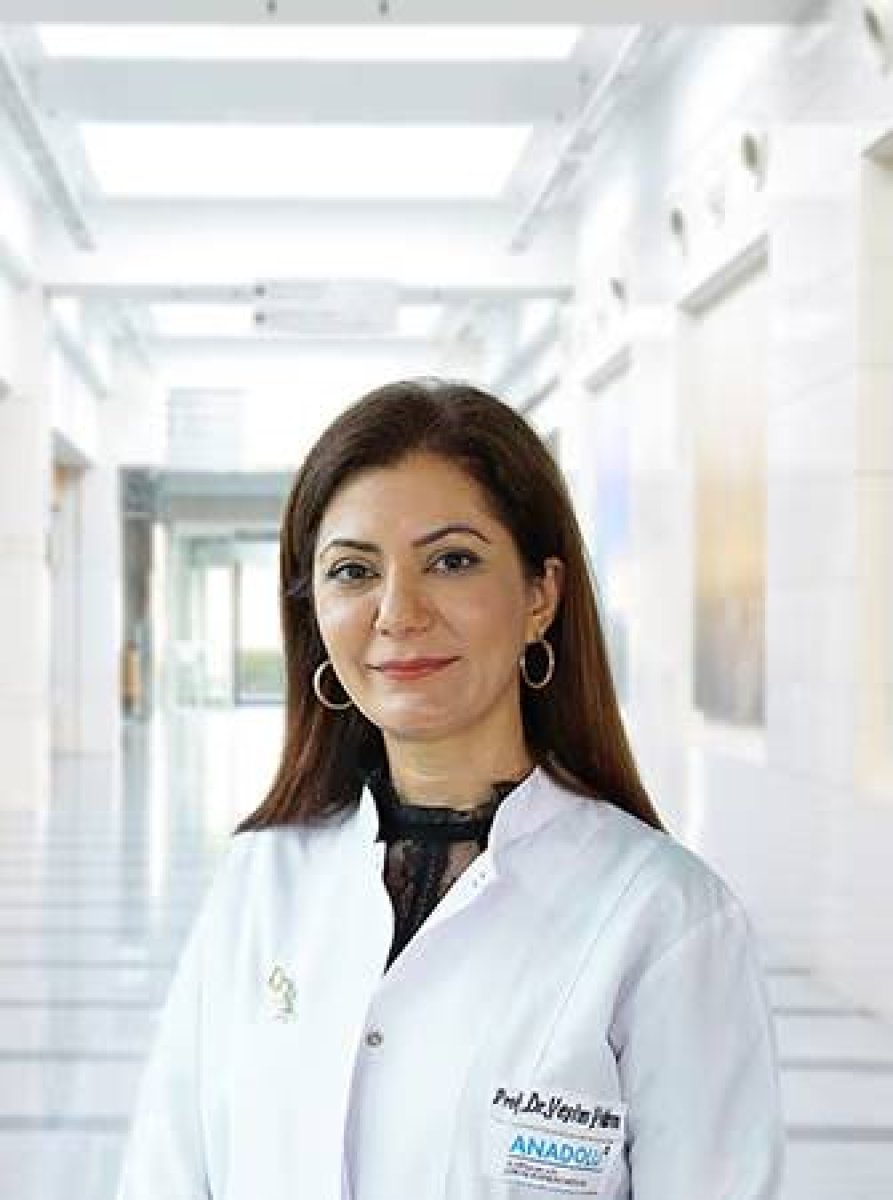
Yesim Yildirim
How it works
What's the Cost of Stomach cancer Diagnosis and Treatment in Turkey?
Stomach cancer treatment cost in Turkey is influenced by the disease stage and required technology, with a PET-CT scan running from AUD $680 to AUD $1,300. Surgical options like stomach cancer surgery typically cost between AUD $12,800 and AUD $32,500, while chemotherapy for stomach cancer ranges from Price on request to Price on request . Patients generally save 60–70% compared to private care in Australia. Istanbul and Antalya are the leading cities for these procedures.
Typical Stomach Cancer Treatment Costs in Turkey
- PET-CT: AUD $680 – AUD $1,300
- Gastroscopy: AUD $230 – AUD $940
- Consultation with an oncologist: AUD $150 – AUD $380
- Stomach cancer surgery: AUD $12,800 – AUD $32,500
- Chemotherapy for stomach cancer: Price on request
- Da Vinci robotic gastroectomy: from AUD $32,500
- CyberKnife: AUD $5,300 – AUD $9,800
- Immunotherapy with Keytruda: AUD $4,200 – AUD $10,600
- HIPEC: AUD $27,200 – AUD $40,000
- Radiation therapy for stomach cancer: AUD $5,400 – AUD $9,100
Bookimed Expert Insight: Advanced stage patients benefit from multidisciplinary tumor boards at centres like Memorial Göztepe Hospital. They use digital PET-CT and robotic surgery for precise tumor removal. For complex reoperative cases, Professor Kivanc Derya Peker has performed over 400 gastric cancer surgeries. Anadolu Medical Center offers a Johns Hopkins affiliation, providing access to US-standard protocols at Turkish prices. This suits patients seeking Western-level expertise with significant financial savings.
| Turkey | Thailand | |
|---|---|---|
| Stomach resection | from AUD $4,100 | ≈ AUD $14,300 |
| Stomach cancer surgery | from AUD $12,800 | ≈ AUD $16,600 |
| Radiation therapy for stomach cancer | from AUD $5,400 | ≈ AUD $12,800 |
| Proton-beam therapy | from AUD $37,800 | ≈ AUD $57,400 |
| NanoKnife | ≈ AUD $13,600 | ≈ AUD $11,300 |
Best Stomach cancer Treatment Centres in Turkey for Australians: 38 Verified Options and AUD Prices



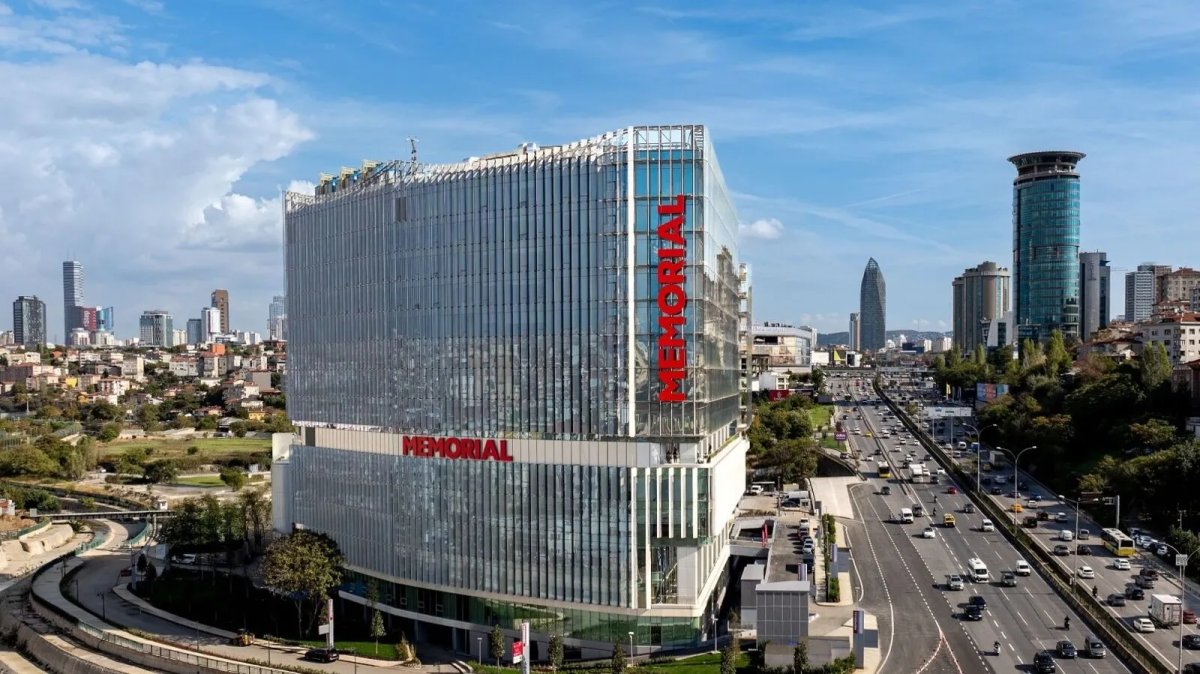
Memorial Göztepe Hospital

Hisar Hospital Intercontinental
Kivanc Derya Peker



Memorial Şişli Hospital
Serkan Keskin





Memorial Bahçelievler Hospital
Leyla Ozer


Istanbul Florence Nightingale Hospital
Dr. Sezer Saglam


Memorial Ataşehir Hospital
Kamil Yalçın Polat


Valued Med Hub Hospitals
Halil Alis



Get a Medical Assessment for Stomach cancer Treatment in Turkey: consult with 73 experienced doctors for Australian patients now
View all Doctors
Bulent Karagoz
Dr. Bülent Karagöz has 33 years focusing on stomach cancer immunotherapy and targeted therapies at Anadolu Medical Center.
- Professor of medical oncology at Istanbul Okan University
- Head of Medical Oncology at GATA Haydarpaşa Training Hospital
- Author of 40+ publications in cancer research
- Specializes in tumor biology and immunology
- Member of the Turkish Medical Oncology Association
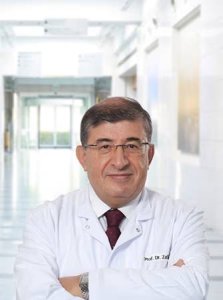
Zafer Gulbas
Dr. Zafer Gulbas founded and directs Turkey’s largest Bone Marrow Transplant Center at Anadolu Medical Center. He is a hematologist-oncologist specializing in complex blood cancers and clotting disorders. Dr. Gulbas trained at top global institutions, including MD Anderson and Fred Hutchinson in the USA. He performs autologous and allogeneic transplants for leukemia, lymphoma, and aplastic anemia.
- Achieved an 81% success rate for autologous bone marrow transplants.
- Supervised over 3,000 successful transplant procedures since 2010.
- Authored over 260 scientific publications with 5,000+ citations in hematology.
- Member of the European Hematology Association and American Hematology Association.

Serdar Turhal
An academic medical oncologist, Dr. Tanrikulu is actively involved in international clinical trials for new treatments.
- Board-certified specialist in both Internal Medicine and Medical Oncology
- Extensive experience in leadership roles, including as a hospital department head
- Trained at Turkey's leading medical faculties – Ankara, Istanbul, and Marmara Universities
- Ranked third nationally in the medical oncology entrance examination

Vafi Atalay
Dr. Vafi Atalay is a colorectal and general surgeon at Anadolu Medical Center. He developed the tube ileostomy technique to eliminate the need for ostomy-closure surgery. This method was published in the journal Colorectal Disease. Dr. Atalay specializes in pancreatic, colon, rectal, and liver cancers.
- Winner of the Gold Medal Award at the Istanbul International Invention Fair.
- Authored over 30 articles in national and international medical journals.
- Received the Best Scientific Research Award from several surgical congresses.
- Practices at a clinic affiliated with the top-ranked Johns Hopkins Hospital.
Reviews about Bookimed: Discover Patients' Insights
All reviews
Share this content
Video Stories from Bookimed Patients
 Anna Leonova
Expert Overview about Stomach cancer Treatment in Turkey
Are Turkish hospitals experienced in treating stomach cancer?
Turkish hospitals provide extensive expertise in stomach cancer care through JCI-accredited centres. Leading facilities use the Da Vinci robotic system and HIPEC technology for complex cases. Doctors often hold international fellowships. This means patients receive treatment aligned with rigorous global oncology standards.
- Expert volume: Specialists like Dr Kivanc Derya Peker have performed 400+ gastric cancer surgeries.
- Specialised technology: Clinics use Halcyon radiotherapy and robotic-assisted systems for precise tumour targeting.
- Multidisciplinary care: JCI-accredited hospitals such as Memorial Sisli use a coordinated team approach.
- International affiliation: Anadolu Medical Center is affiliated with Johns Hopkins Medicine from the USA.
Bookimed Expert Insight: Many centres treat general oncology. However, Turkey's top-rated hospitals for stomach cancer are often the highest-volume facilities. Medipol Mega University Hospital serves 1,000,000 patients annually. This scale allows surgeons to see rare cases that specialists in smaller Australian hospitals may rarely encounter.
Patient Consensus: Patients note the Turkish medical staff work quickly to coordinate pathology reviews. They also efficiently manage PET scans and MRI results. Travelling Australians find the included airport transfers and discounted hotel partnerships help manage the practicalities of overseas surgery.
What are the primary treatment options for stomach cancer when seeking treatment in Turkey?
Stomach cancer treatment in Turkey focuses on a multidisciplinary approach using robotic surgery and heated chemotherapy (HIPEC). Specialists at JCI-accredited centres like Anadolu Medical Center use Da Vinci robotic systems for radical gastrectomies. Targeted therapies and immunotherapies like Keytruda are standard for advanced cases.
- Surgical methods: Surgeons perform robotic-assisted or laparoscopic gastrectomies to remove tumours precisely.
- Heated chemotherapy: HIPEC involves heated drugs circulated in the abdomen to kill microscopic cells.
- Precision radiation: Systems like CyberKnife and Halcyon target tumours while sparing healthy tissue.
- Diagnostic infrastructure: Digital PET/CT and 512-slice CT scans help with accurate staging.
Bookimed Expert Insight: Turkish oncology centres offer a notable volume-to-experience ratio. Prof. Dr. Kivanc Derya Peker alone has performed over 400 gastric and pancreatic cancer surgeries. Large facilities like Medipol Mega serve over 1,000,000 patients annually. This high throughput helps surgical teams maintain proficiency in complex resections.
Patient Consensus: Patients note the speed of diagnostics in Turkey. They often complete PET/CT scans and specialist consultations within 24 hours. They appreciate clinics providing dedicated translators and discounted hotel rates under hospital contracts.
What is the typical recovery timeline and required length of stay in Turkey for stomach cancer treatment?
Patients typically stay in Turkey for 14 days for surgery and initial monitoring. Hospitalisation lasts 3 to 10 days depending on the procedure. Surgeons often encourage light walking 24 hours after surgery. Full recovery takes 4 to 8 weeks before returning to normal activities.
- Hospital stay: Patients spend 3 to 10 days in hospital for recovery.
- Clinical stay: Experts recommend 14 days in Turkey to check stability before flying.
- Initial activity: Most patients start walking within 24 hours to help prevent blood clots.
- Dietary transition: It takes 3 to 6 months to return to normal eating patterns.
- Heavy lifting: Patients must avoid strenuous activity or driving for 1 to 2 months.
Bookimed Expert Insight: While a 14-day stay is standard, clinics like Anadolu Medical Center provide dedicated coordinators. Their efficiency helps patients complete PET-CT scans and reviews quickly. This approach is vital for patients with stage 4 cancer to reduce waiting times.
Patient Consensus: Patients in Turkey find that staff work quickly to prepare test results. They note it is important to allow 7 to 10 days for immediate care. Australians often value the coordinated hotel bookings and airport transfers that make the trip simpler.
What advanced technology and multidisciplinary approaches are available for stomach cancer treatment in Turkey?
Turkish oncology centres use multidisciplinary teams and modern technology like robotic-assisted gastrectomy and HIPEC. Specialists at JCI-accredited hospitals combine precision surgery with targeted immunotherapy. These facilities use PET-CT and 512-slice CT for accurate diagnosis and staging.
- Robotic surgery: Surgeons perform precise subtotal gastrectomies using the Da Vinci robotic system.
- HIPEC treatment: Heated chemotherapy is delivered directly into the abdomen to target cancer cells.
- Specialised radiation: Systems like CyberKnife and Halcyon target tumours while sparing healthy surrounding tissue.
- Cancer immunotherapy: Targeted drugs such as Keytruda are available for specific types of stomach cancer.
- Expert teams: Specialists from surgery, oncology, and radiology collaborate on every patient case.
Bookimed Expert Insight: Turkish oncology centres like Anadolu Medical Center maintain formal affiliations with leading US institutions. These include places like Johns Hopkins. This gives patients access to international treatment protocols. Key specialists often hold certifications from ESMO (European Society for Medical Oncology). This helps care standards align with those in Australia or Europe.
Patient Consensus: Patients in Turkey highlight the speed of diagnostic testing. They often complete PET-CT and MRI scans within one day. They value dedicated curators and translators who manage scheduling and logistics during treatment.
How soon can I expect to start treatment for stomach cancer after arriving in Turkey?
Patients typically start stomach cancer diagnostics or consultations within 24 to 48 hours of arrival. Leading centres like Anadolu Medical Center often schedule PET-CT scans for the first business day.
- Diagnostic speed: PET-CT, MRI, and heart ultrasounds are often completed within 24 hours.
- Clinical volume: Medipol Mega University Hospital treats over 1,200 patients daily for fast throughput.
- International standards: Anadolu Medical Center is affiliated with Johns Hopkins Medicine, maintaining strict intake timelines.
- Surgical scheduling: Radical subtotal gastrectomy packages at Memorial hospitals provide structured intake for complex procedures.
Bookimed Expert Insight: Initial consultations happen quickly, but pathology reviews are the real bottleneck. Specialized oncologists like Prof. Dr Yesim Yildirim often request a slide review of existing biopsies. Patients should bring physical biopsy slides to Turkey to avoid a 5-day wait.
Patient Consensus: Patients note that coordinators often arrange hotel discounts and airport transfers before arrival. They emphasise that having records reviewed by doctors like Dr Sinan before travelling speeds up the first appointment.
Will I encounter language barriers while receiving stomach cancer treatment in Turkey?
Language barriers are minimal at Turkish JCI-accredited hospitals specialising in stomach cancer. These facilities provide personal coordinators and interpreters specifically for international patients. Many leading oncologists also train in the United Kingdom or USA. This allows for fluent medical consultations in English.
- Integrated support: Anadolu Medical Center provides dedicated interpreters and personal coordinators to manage appointments.
- Expert fluency: Prof. Yesim Yildirim at Anadolu Medical Center trained in London and speaks English.
- International experience: Dr Mustafa Solak at Hisar Hospital previously worked at MD Anderson Cancer Center.
- Certified care: Valued Med Hub Hospitals explicitly serves Australian patients with government-authorised international services.
Bookimed Expert Insight: orters or technicians may not speak English, even if doctors do. Selecting clinics like Anadolu Medical Center or Hisar Hospital provides a dedicated coordinator. These clinics often bundle VIP transfers to help you avoid navigating local transport alone.
Patient Consensus: Patients note that major Istanbul hospitals provide quick results and professional translators. This helps bridge communication gaps. Many found that having written schedules and scan reports in English made treatment easier.