Medical Park Göztepe Hospital Complex
Turkey, Istanbul
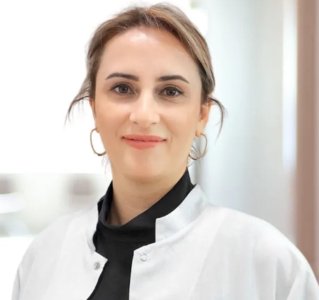
Meryem Eken
18 years of experience
Clinic is certified : 


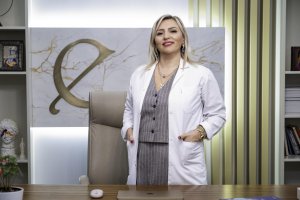
Medically reviewed by
Esra Cabuk Comert
Polycystic ovaries treatment cost in Turkey typically starts with essential diagnostics like a consultation with a gynecologist ranging from AUD $91 to AUD $380. Total expenses depend on whether a patient requires hormonal management or surgical intervention like hysteroscopy, which runs from AUD $1,100 to AUD $5,900. Patients usually save 50–70% compared to private healthcare costs in Australia. Most international patients choose clinics in Istanbul, Ankara, or Antalya.
Typical Polycystic Ovaries Treatment Costs in Turkey
Bookimed Expert Insight: Patients seeking high-level expertise should consider specialists like Dr. Nilgun Turhan, who has published over 230 scientific works on infertility. For those combining treatment with travel, Valued Med Hub Hospitals in Istanbul welcomes 300 Australians annually and provides dedicated transfer services. Multi-specialty centres like Memorial Antalya Hospital follow international ESMO guidelines, which is ideal for patients managing complex hormonal symptoms alongside other health concerns.








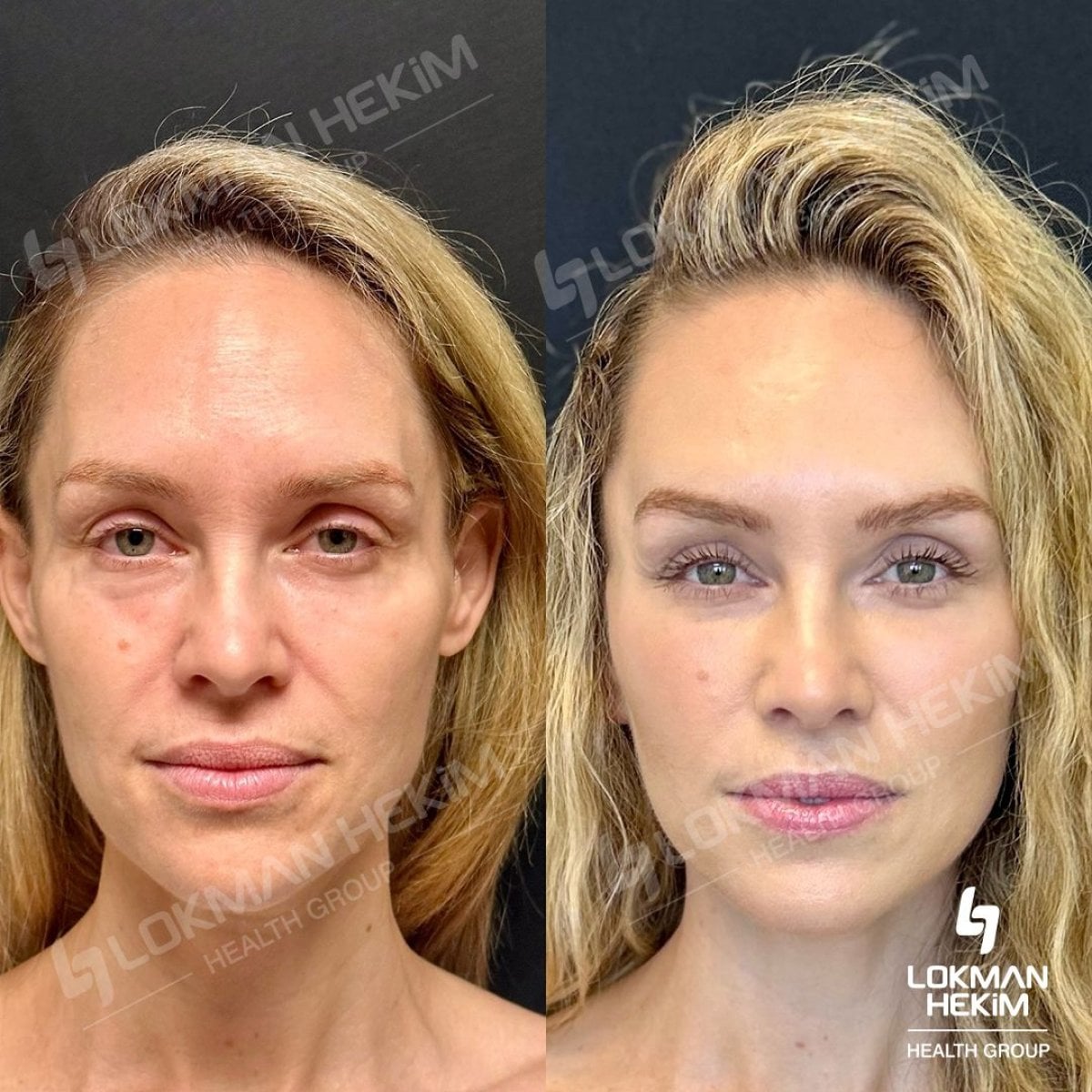
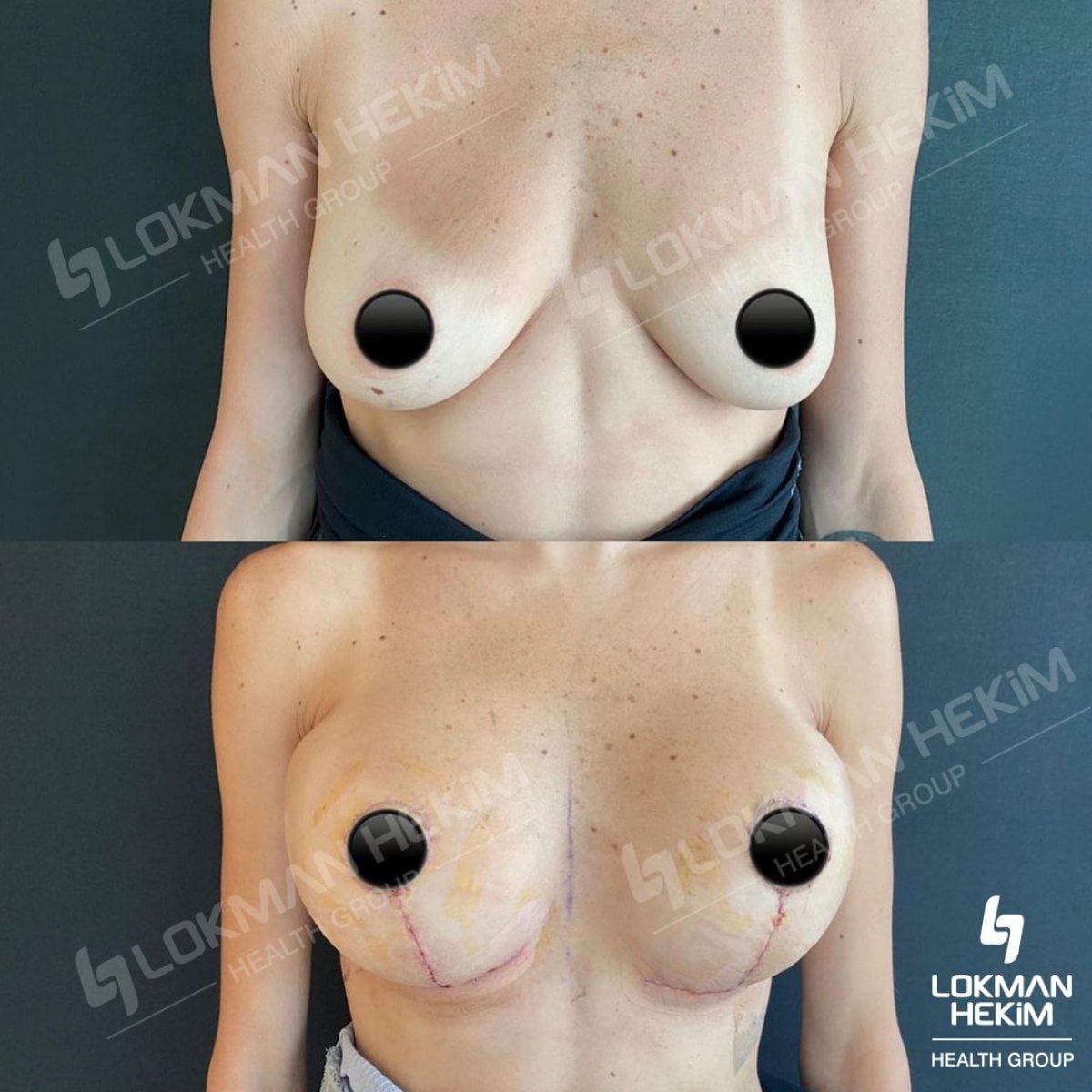
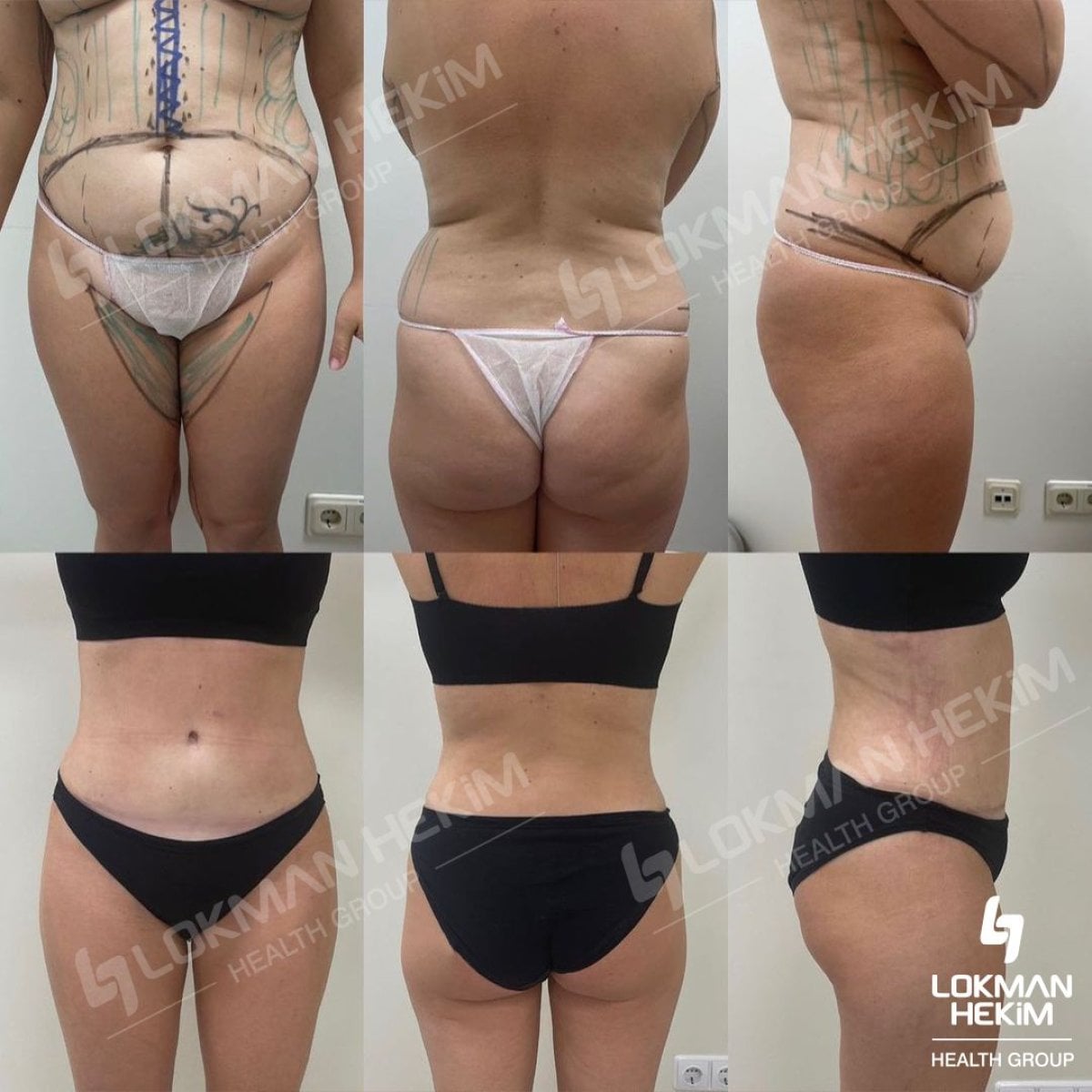
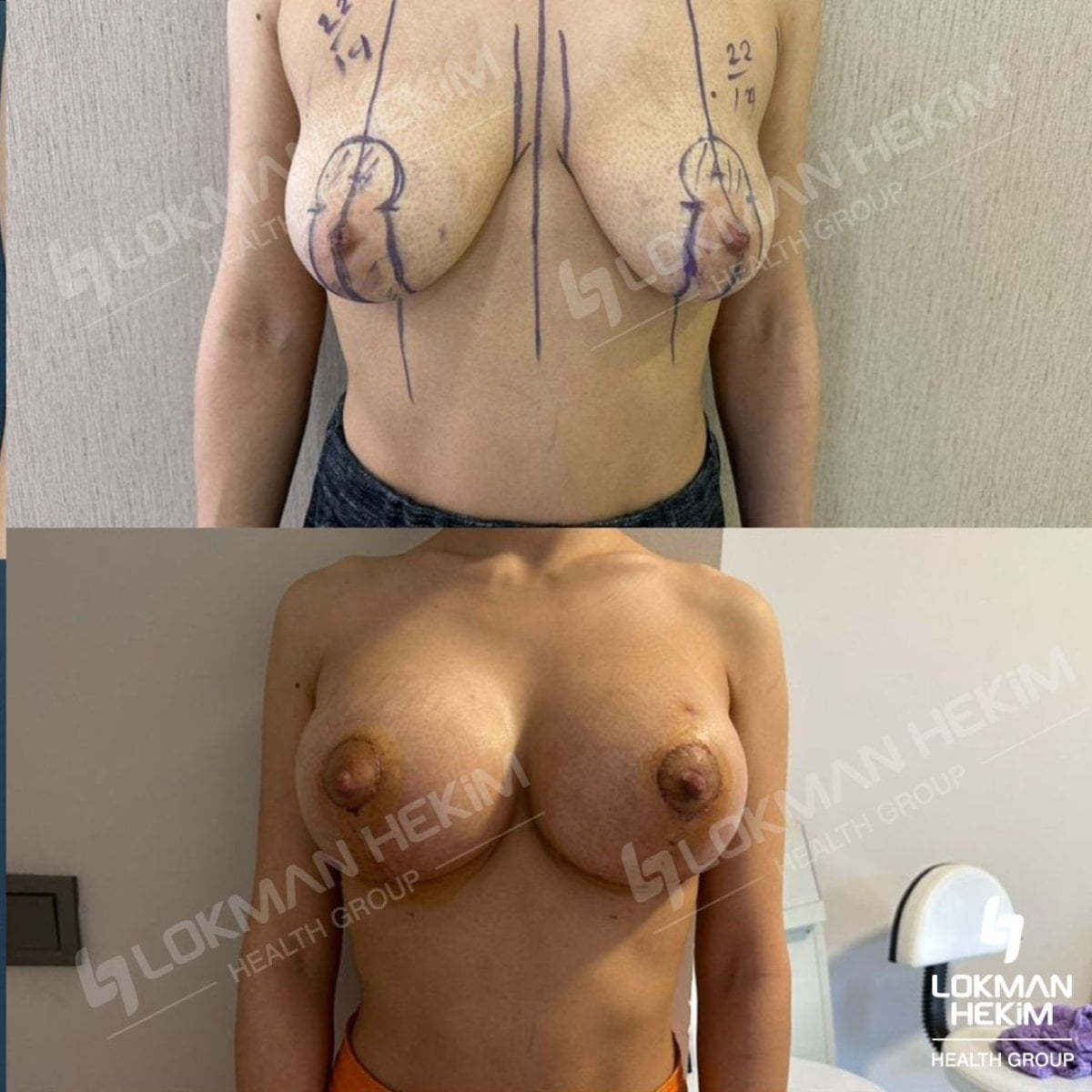
Dr. Murat Yaman is a plastic and reconstructive surgeon at Lokman Hekim Istanbul Hospital. He has performed over 1,500 rhinoplasties and 1,500 breast enlargements. Dr. Yaman also completed 500 facelifts and 1,000 liposuction procedures using VASER technology. He works at a JCI-accredited facility that treats 10,000+ patients annually.

Dr. Tayfun Kutlu is a reproductive endocrinologist at Anadolu Medical Center in Istanbul. He specializes in IVF and microwave endometrial ablation. He performs ovarian and vaginal rejuvenation using Platelet-Rich Plasma (PRP) therapy. Dr. Kutlu holds a certificate in Assisted Reproduction Treatment Methods. He also completed training in laparoscopic surgery.

Dr. Cem Yalcinkaya is an associate professor and gynecologic oncologist at Anadolu Medical Center. He specializes in fertility-sparing surgeries and robotic procedures for gynecologic cancers. Dr. Yalcinkaya holds a robotic surgeon certificate for the DaVinci system. He successfully passed the European Society of Gynecologic Oncology (ESGO) exam in 2019.

Assoc. Prof. Dr. Esra Ozbasli has over 23 years of experience in obstetrics and gynecology, specializing in minimally invasive and cosmetic procedures.
 Anna Leonova
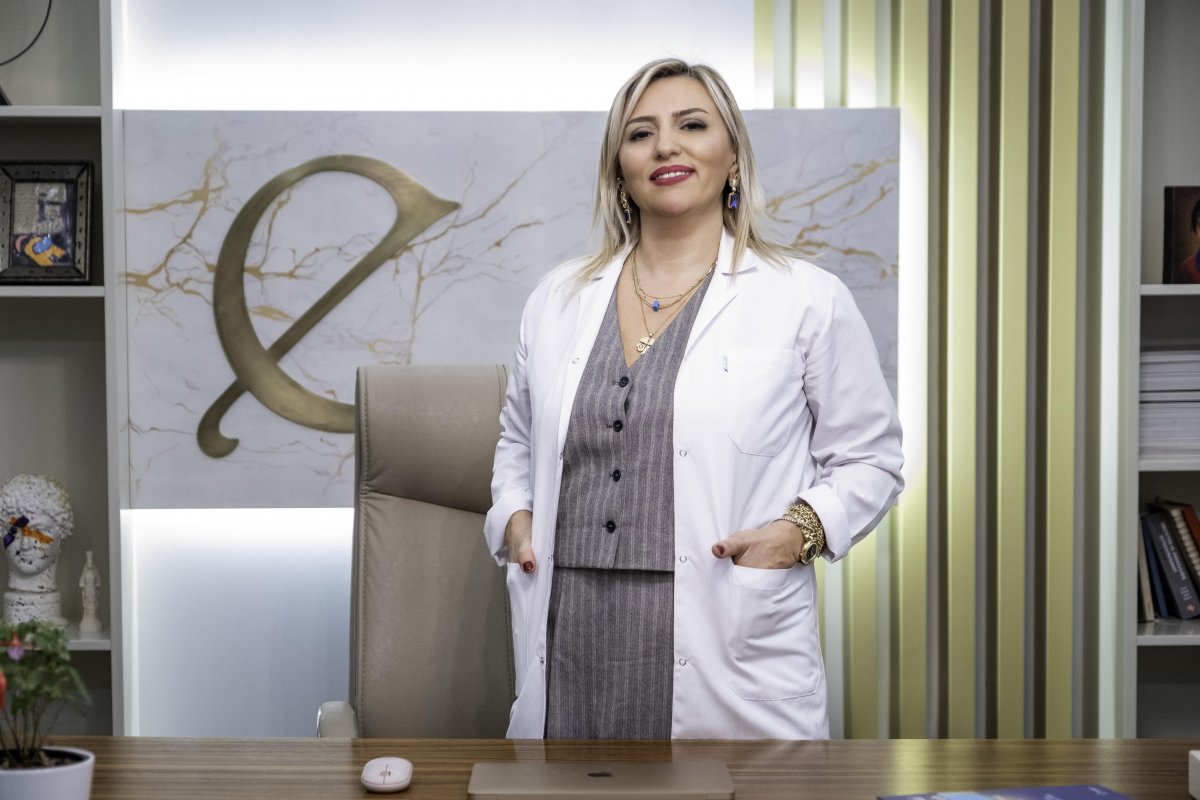
Clinics in Turkey diagnose polycystic ovaries through medical history, physical exams, and specialist scans. Specialists like Dr Sultan Kavrut often use blood tests for hormones and transvaginal ultrasounds. These methods confirm ovulatory issues and high androgens while checking for ovarian cysts.
Bookimed Expert Insight: Turkish clinics often serve high patient volumes. Some major hospitals treat over 250,000 patients annually. This massive scale means staff frequently identify polycystic patterns that less busy practices might overlook. Patients can access specialist consultations for approximately A$100 to begin the diagnostic process.
Patient Consensus: Patients find the modern clinic facilities in Turkey impressive. They also note that medical coordinators help manage priority appointments. Patients should ask the doctor during the visit to address every scan detail.
Turkish clinics treat Polycystic Ovary Syndrome (PCOS) using hormonal regulation, ovulation induction, and laparoscopic surgery. Specialists at JCI-accredited centres like Anadolu Medical Center provide personalised protocols. These range from insulin sensitisation to complex IVF procedures for patients with PCOS-related infertility.
Bookimed Expert Insight: Many centres focus on general gynaecology. However, choosing a clinic with a dedicated IVF department often provides better PCOS management. Major Istanbul hospitals like Memorial Şişli serve patients from 167 countries. They integrate genetics and endocrinology into PCOS care for better long-term health.
Patient Consensus: Patients in Turkey value modern facilities and the availability of personal medical coordinators. They often mention that while clinics use modern technology, checking the specific experience of the gynaecologist remains critical.
To assess a polycystic ovary syndrome specialist in Turkey, confirm their Turkish Medical Association (TMA) registration. You should also check for JCI accreditation. Seek doctors specialising in reproductive endocrinology or infertility. Look for international memberships like the European Society of Human Reproduction and Embryology (ESHRE).
Bookimed Expert Insight: Many centres focus on general gynaecology. However, better outcomes occur at clinics like Anadolu Medical Center, which is affiliated with Johns Hopkins Hospital. This partnership means diagnostic protocols meet US standards. This is a major quality signal for Australian patients. Specialists with certifications from the International Society of Ultrasound in Obstetrics and Gynecology (ISUOG) show exceptional precision.
Patient Consensus: Patients in Turkey suggest requesting a written treatment plan with success metrics for ovulation induction. Clinics often look modern, but patients should ask the doctor to perform a thorough ultrasound.
Fertility treatment for polycystic ovaries in Turkey shows high success rates. Clinics report IVF success between 50% and 65% for patients under 35. Specialists use modern protocols and JCI-accredited facilities. Ankara and Istanbul centres manage complex cases with ovulation induction and minimally invasive surgery.
Bookimed Expert Insight: Success in Turkish clinics often stems from high patient volumes. Dr Esra Cabuk Comert alone has completed over 2,000 successful IVF procedures. This experience allows specialists to refine protocols for polycystic ovary syndrome (PCOS). Australian patients benefit from this expertise. Turkish doctors manage thousands of PCOS cases yearly.
Patient Consensus: Patients find Turkey provides modern, high-quality care. However, they emphasise checking the specific expertise of the assigned doctor. Many note that metabolic management is key to success. Results often depend on individual age and diagnosis rather than the location alone.
Turkish clinics offer holistic support through multi-speciality teams and personalised care models. Major centres integrate gynaecologists, endocrinologists, and nutritionists to manage polycystic ovaries (PCOS). Accredited facilities like Anadolu Medical Center and Memorial Sisli Hospital combine medical treatment with lifestyle and symptom management.
Bookimed Expert Insight: High patient volume often signals where holistic care is strongest in Turkey. Hospitals like Hisar Intercontinental and Anadolu Medical Center treat over 250,000 patients annually. These centres maintain dedicated women's health departments. Gynaecologists work alongside internal medicine specialists to manage complex metabolic PCOS symptoms.
Patient Consensus: Patients note that while Turkish hospitals are modern and efficient, success often depends on the specialist. It is important to confirm if dietary and mental health support are included. Otherwise, patients may need separate arrangements back in Australia.