51 Best Breast cancer Treatment Clinics in Turkey — AUD Prices


Medically reviewed by
Yesim Yildirim
How it works
What's the Cost of Breast cancer Diagnosis and Treatment in Turkey?
Breast cancer treatment cost in Turkey typically includes diagnostic imaging like PET/CT scans from AUD $680 to AUD $1,300 and primary procedures such as breast cancer surgery ranging from AUD $6,000 to AUD $15,800. Total expenses depend on the cancer stage, the required chemotherapy cycles, and the clinic tier. Australians often save 50–70% compared to private healthcare costs in Australia. Istanbul, Antalya, and Bursa are the leading cities for this treatment.
Typical Breast Cancer Treatment Costs in Turkey
- PET/CT scan: AUD $680 – AUD $1,300
- Breast ultrasound: AUD $150 – AUD $380
- Consultation with an oncologist: AUD $150 – AUD $380
- Breast cancer surgery: AUD $6,000 – AUD $15,800
- Radiotherapy for breast cancer: AUD $6,000 – AUD $10,900
- Chemotherapy for breast cancer: AUD $4,500 – AUD $9,800
- Mastectomy: AUD $4,500 – AUD $9,800
- Breast reconstruction surgery: AUD $4,500 – AUD $9,100
- Lumpectomy: AUD $3,800 – AUD $13,700
- CyberKnife: AUD $5,300 – AUD $9,800
Bookimed Expert Insight: For complex cases, multidisciplinary centres like Anadolu Medical Center offer value through their Johns Hopkins Medicine affiliation. Patients needing radiotherapy should consider Neolife Medical Center, which uses the TrueBeam STx system. Diagnostic packages at Hermes Clinics, starting around A$2,300, provide efficient staging with PET/CT and mammography. These centres use international NCCN and ESMO guidelines to provide reliable care for Australian patients.
| Turkey | Thailand | |
|---|---|---|
| Tomotherapy | from AUD $12,700 | ≈ AUD $13,600 |
| Resveratrol IV Therapy | ≈ AUD $180 | from AUD $1,200 |
| Radiotherapy for breast cancer | from AUD $6,000 | ≈ AUD $9,800 |
| Radiation therapy for colorectal cancer | from AUD $9,100 | ≈ AUD $11,300 |
| Proton therapy for breast cancer | ≈ AUD $42,300 | ≈ AUD $40,700 |
Best Breast cancer Treatment Centres in Turkey for Australians: 51 Verified Options and AUD Prices



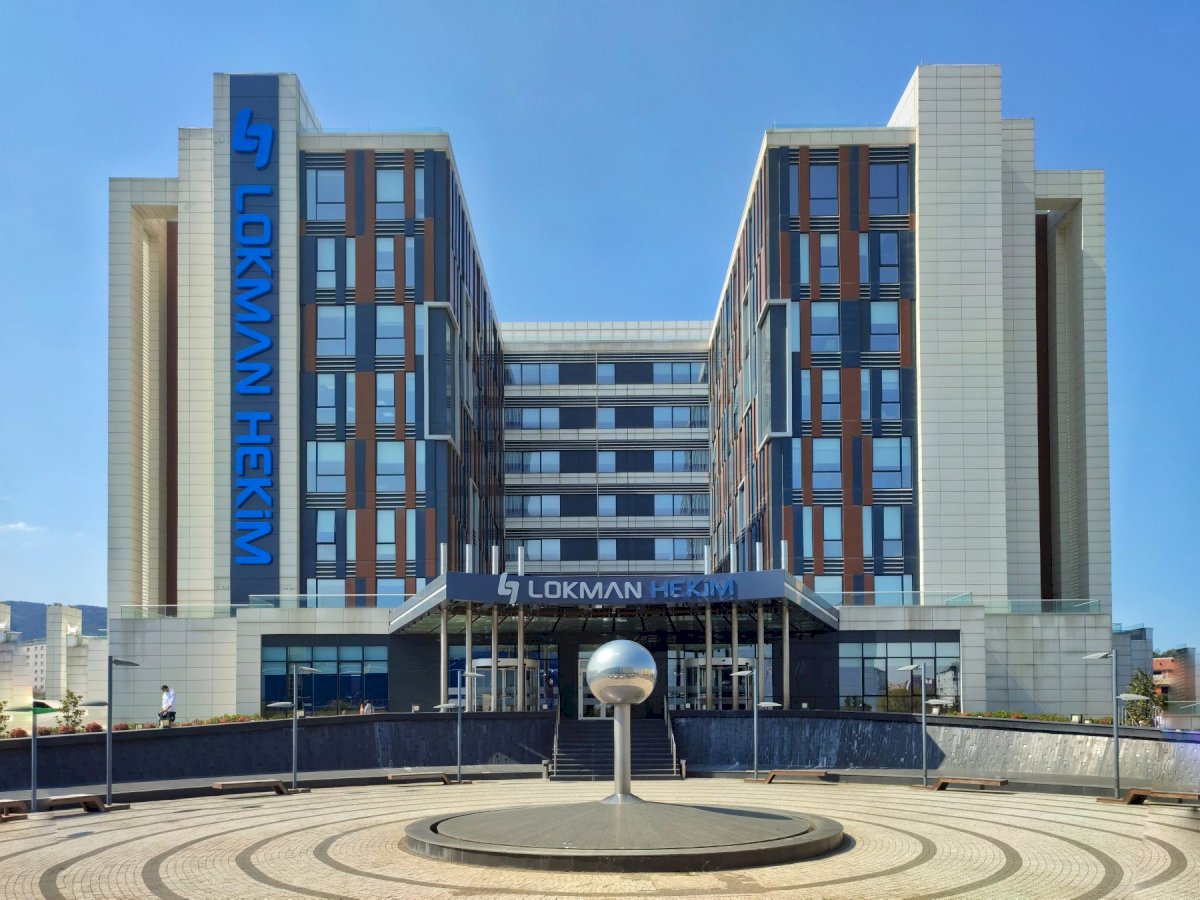
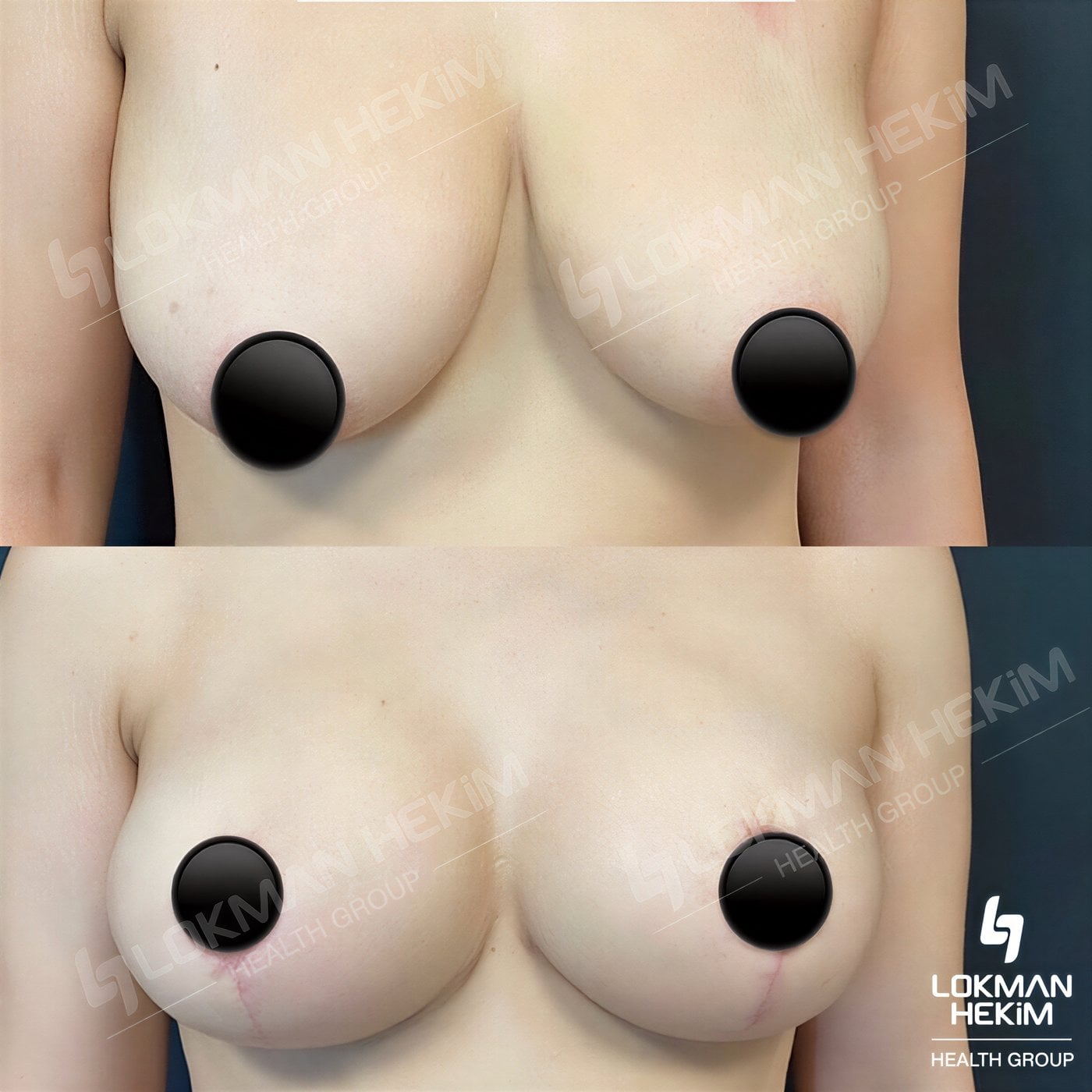
Lokman Hekim Istanbul Hospital
Murat Yaman





Memorial Göztepe Hospital

Istanbul Florence Nightingale Hospital
Dr. Sezer Saglam



Get a Medical Assessment for Breast cancer Treatment in Turkey: consult with 119 experienced doctors for Australian patients now
View all DoctorsMurat Yaman
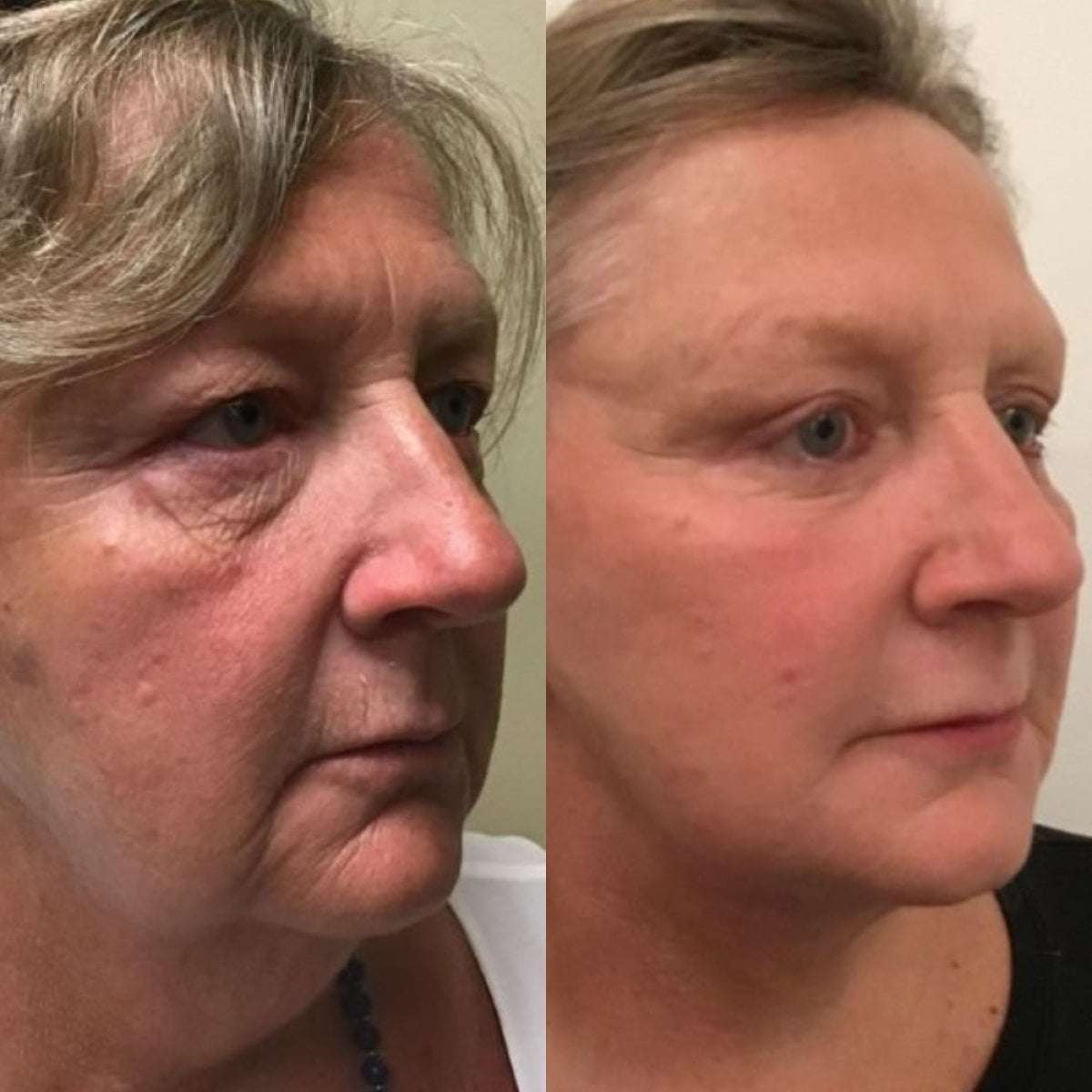
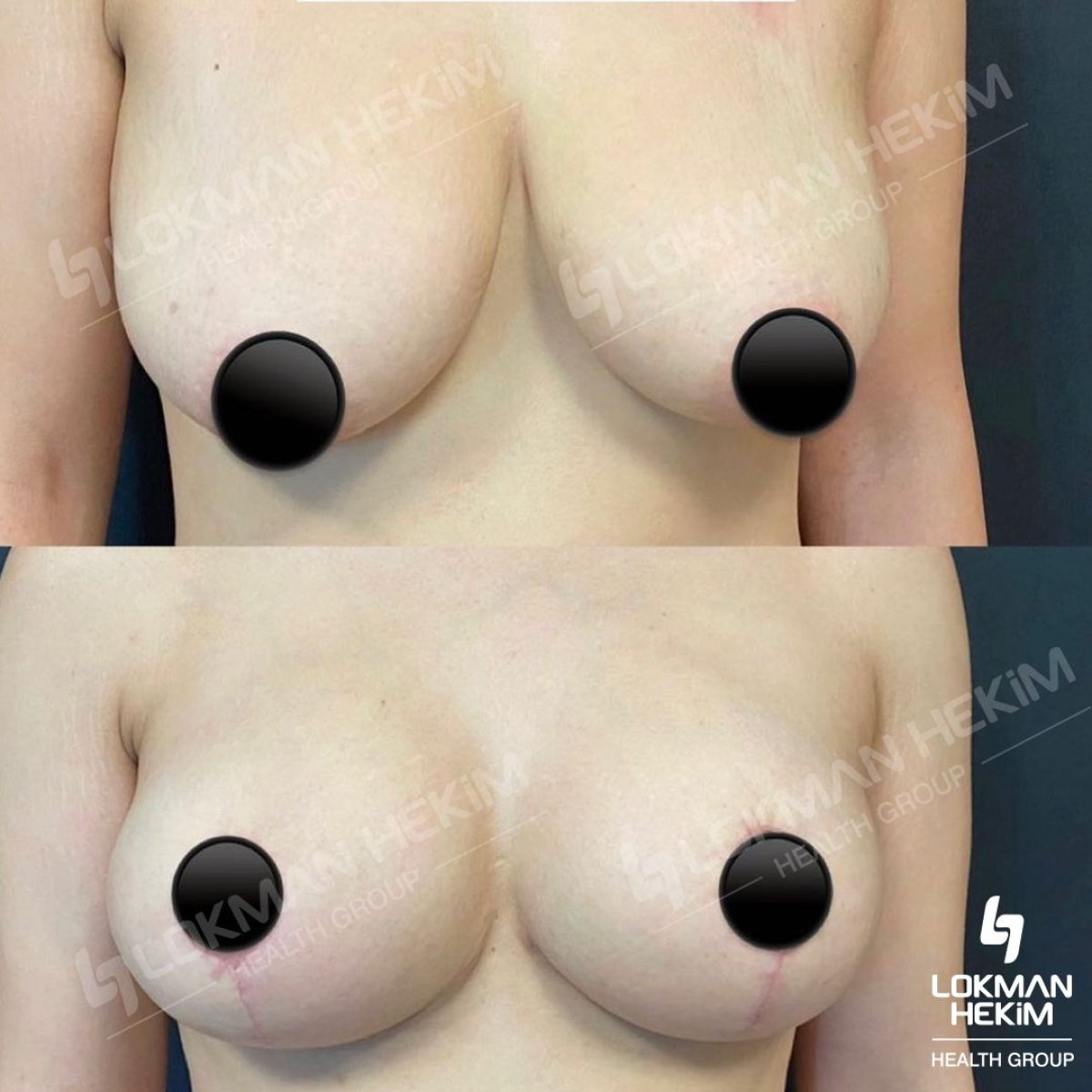
Dr. Murat Yaman is a plastic and reconstructive surgeon at Lokman Hekim Istanbul Hospital. He has performed over 1,500 rhinoplasties and 1,500 breast enlargements. Dr. Yaman also completed 500 facelifts and 1,000 liposuction procedures using VASER technology. He works at a JCI-accredited facility that treats 10,000+ patients annually.
- Specializes in tummy tucks, body contouring, and facial feminization surgery.
- Treats 500–600 patients each year for cosmetic and reconstructive needs.
- Member of the Turkish Society of Reconstructive, Aesthetic, and Plastic Surgery.
- Member of the Association of Emergency Hand and Microsurgery.

Bulent Karagoz
900+ breast cancer procedures over 33 years – Prof. Karagöz specializes in tumor biology and immunotherapy at Anadolu Medical Center.
- Professor of medical oncology with 40+ research publications
- Expert in targeted therapies and cancer immunotherapy
- Head of Medical Oncology at major Turkish hospitals
- Member of Turkish Medical Oncology Association
Aysel Pasazade
Dr. Aysel Pasazade is a plastic and reconstructive surgeon at Quartz Hospital in Istanbul. She holds the prestigious EBOPRAS certification. This credential confirms her competence meets high European standards. Dr. Pasazade specializes in complex body and facial transformations.
- Performs deep plane facelifts, rhinoplasty, and mommy makeovers.
- Graduated from Istanbul University Cerrahpaşa Faculty of Medicine.
- Completed residency training at Bursa Uludağ University.
- Treats over 6,500 international patients annually at Quartz Hospital.

Muhammet Mustafa Aydinol
Dr. Muhammet Mustafa Aydinol is a plastic surgeon at Dr. MED in Istanbul. He specializes in mommy makeovers, BBL, and breast augmentation. Dr. Aydinol is a member of the International Society of Aesthetic Plastic Surgery (ISAPS). He uses VASER and lipomatic techniques for precise body contouring. These methods help create a narrow and athletic abdominal appearance.
- Published research on combining fat injections with implants for breast augmentation.
- Performs specialized procedures including abdominal etching and 360 liposuction.
- Member of the Turkish Society of Plastic, Reconstructive and Aesthetic Surgeons.
- Works at a clinic with a 98.5% success rate for mommy makeover surgeries.
Reviews about Bookimed: Discover Patients' Insights
All reviews



Share this content
Video Stories from Bookimed Patients
 Anna Leonova

Expert Overview about Breast cancer Treatment in Turkey
What is the typical duration of a stay in Turkey for breast cancer treatment?
Patients typically stay in Turkey for 10 to 14 days for breast cancer surgery. This timeframe allowing for preoperative tests, the procedure, and essential follow-up. More complex cases involving chemotherapy or radiotherapy require stays from several weeks to a few months.
- Hospitalisation period: Most surgical packages include 2 days of clinical care.
- Initial recovery: Clinics like Liv Hospital Ulus bundle 6 nights of hotel stay.
- Diagnostic speed: Major centres often complete bloods, biopsies, and PET-CT scans within 24 hours.
- Surgical discharge: Patients are often discharged on the third day after successful mastectomy procedures.
- Follow-up checks: Post-operative exams usually occur 7 to 10 days after surgery.
Bookimed Expert Insight: Coordination speed is a major differentiator in Turkey. While public systems may take 6 weeks to start, private hubs like Anadolu Medical Center frequently move from arrival to surgery in just 8 days. For Australians, this efficiency minimises total hotel costs and shortens the time spent away from home.
Patient Consensus: Patients note that Turkey offers specialised medicine where diagnostics like PET-CT and biopsies are completed rapidly within 3 days. They value the coordinated transfers and the ability to combine surgery with immediate reconstruction, often returning home within 2 weeks.
What treatment methods are available for breast cancer in Turkey?
Turkey offers breast cancer treatments including robotic-assisted surgery, precision radiation therapy, and systemic treatments. Clinics use da Vinci systems for mastectomies and CyberKnife or Gamma Knife for targeted radiation. Board-certified specialists treat 500,000+ international patients annually across JCI-accredited facilities in Istanbul.
- Surgical options: Mastectomies range from nipple-sparing to modified radical procedures.
- Robotic systems: da Vinci XI technology allows for smaller incisions during surgery.
- Radiotherapy: Platforms like CyberKnife and Tomotherapy target tumours precisely.
- Systemic therapy: Options include chemotherapy and immunotherapy drugs like Keytruda.
Bookimed Expert Insight: Turkey serves over 500,000 international patients annually. This high volume builds significant expertise in complex cases. Surgeons like Dr Levhi Akın at Liv Hospital Ulus belong to the European Society of Breast Cancer Specialists. Specialists often have experience with 1,000+ procedures, leading to refined surgical outcomes.
Patient Consensus: Patients note the speed of diagnosis in Istanbul. They often complete PET/CT scans and biopsies within 48 hours. They also appreciate support from interpreters and coordinators who manage logistics during treatment.
What support services are available for international patients undergoing breast cancer treatment in Turkey?
International patients receive comprehensive support including personal coordinators, 24/7 interpreter services, and VIP airport-to-clinic transfers. Major JCI-accredited centres like Anadolu Medical Center or Liv Hospital Ulus often bundle these logistics with diagnostics and surgical treatment. These services typically streamline hospital stays and recovery for overseas visitors.
- Personal coordinators: Dedicated staff manage multidisciplinary scheduling and 24/7 patient communication during the stay.
- Translation services: Professional interpreters accompany patients through consultations, imaging, surgery, and discharge instructions.
- Travel logistics: Most packages include private airport-clinic-hotel transfers and assistance with nearby hotel bookings.
- Follow-up care: Leading clinics provide written post-operative plans and teleconsultation options for returning home.
Bookimed Expert Insight: Most think all-inclusive means everything. However, Bookimed data shows a significant gap in accommodation. For instance, Liv Hospital Ulus packages include 6 hotel nights. In contrast, Gayrettepe Florence Nightingale and some CyberKnife offers explicitly exclude hotel stays. Patients should confirm hotel inclusion upfront. A 7-night stay in Istanbul can add A$1,000 to the total cost.
Patient Consensus: Patients in Turkey highlight the relief of having interpreters lead them through every test. They note that coordinating imaging, biopsies, and surgery into just 3 days makes the process feel efficient and well-organised.
What kind of medical technologies are used for breast cancer diagnosis and treatment in Turkey?
Turkish oncology centres use technologies like AI-supported 3 Tesla MRI, digital PET/CT, and robotic systems for breast cancer. Diagnosis follows international protocols within JCI-accredited facilities. Specialists perform robot-assisted surgery and precision radiotherapy, such as CyberKnife, to treat tumours while sparing healthy tissue.
- Diagnostic imaging: High-resolution ultrasound, digital PET/CT, and AI-supported 3 Tesla MRI allow for precise staging.
- Robotic surgery: Surgeons use the da Vinci XI system for nipple-sparing and reconstructive procedures.
- Precision radiation: CyberKnife and MR Linac systems track tumour movement to protect healthy organs.
- Targeted therapies: Clinics provide modern immunotherapy, including Keytruda, and genetic screening for personalised care.
Bookimed Expert Insight: Turkish cancer centres, like Memorial Göztepe, now use MR Linac systems. These systems combine MRI imaging with radiation. This allows doctors to see tumours in real-time during treatment. This high-density technology is rare globally but standard in Istanbul's top oncology departments for minimising side effects.
Patient Consensus: Patients in Turkey highlight the speed of diagnostics. They often complete mammography, ultrasound, and biopsies within two days. Many note that coordination between surgeons and interpreters makes the complex treatment process feel manageable.
Do hospitals in Turkey accept international health insurance for breast cancer treatment?
Many private Turkish hospitals accept international health insurance for breast cancer care. JCI-accredited facilities like Anadolu Medical Center and Liv Hospital often offer direct billing with global insurers. Patients must confirm coverage and pre-approval with their provider before starting treatment in Istanbul or Antalya.
- Direct billing: Major centres often bill insurers like Cigna Global directly for surgical costs.
- Hospital groups: Memorial and Florence Nightingale hospitals have dedicated departments for international insurance claims.
- Accreditation: Leading hospitals including Hisar Hospital Intercontinental hold Joint Commission International (JCI) accreditation.
- Clinical affiliations: Anadolu Medical Center maintains an affiliation with Johns Hopkins Medicine for specialised care.
Bookimed Expert Insight: While direct billing is common for surgeries, chemotherapy and immunotherapy often require upfront payment. Data shows clinics like Memorial Göztepe specialise in complex chemo protocols. Patients should request a quote with ICD codes to help with reimbursement from their insurer.
Patient Consensus: Patients in Turkey report that coordinators and interpreters manage the paperwork easily. This helps the process run smoothly. Many note that the speed of diagnosis and treatment is much faster than at home.
Why would an Australian patient consider Turkey for breast cancer treatment?
Australian patients often choose Turkey for breast cancer treatment to avoid long public waitlists and high private surgery costs. Leading Turkish centres maintain Joint Commission International (JCI) accreditation. They offer technologies like MR Linac, da Vinci robotic systems, and CyberKnife for precise tumour targeting.
- Technological edge: Centres like Memorial Göztepe use MR Linac and AI-supported 3 Tesla MRI.
- Expert credentials: Many oncologists, such as Professor Yesim Yildirim, hold European Society for Medical Oncology certifications.
- Academic affiliations: Anadolu Medical Center is affiliated with Johns Hopkins Hospital, following strict clinical protocols.
- Comprehensive packages: Mastectomy packages at Hisar Hospital start from approximately A$4,400, including surgical fees.
Bookimed Expert Insight: Basic mastectomy packages are affordable. However, Australians seeking reconstruction should look at Memorial Ataşehir Hospital. Their A$9,400 package includes an ASPS-certified surgeon, seven hotel nights, and all transfers. This inclusion model often proves more cost-effective than booking separate stages. It covers the 7-day monitoring period needed for successful implant integration.
Patient Consensus: Patients in Turkey describe receiving VIP treatment where everything runs smoothly. Many note that imaging there often catches tumours missed elsewhere. They recommend being prepared for busy clinics since top specialists attract many international cases.
Will I need to stay in Turkey for the entire duration of my breast cancer treatment?
Patients do not need to stay in Turkey for their entire breast cancer journey. Surgical stays typically last 1 to 2 weeks for recovery. Longer treatments like chemotherapy or radiotherapy require multiple visits. This may also involve an extended stay of several months in JCI-accredited facilities.
- Surgical duration: Mastectomy usually requires 2 days in hospital and 6 days of local recovery.
- Outpatient procedures: CyberKnife and Gamma Knife treatments are often outpatient, requiring only a few days.
- Systemic therapy: Chemotherapy and radiotherapy involve multiple sessions over several weeks or months.
- Staged approach: Many patients return home between surgery and the start of adjuvant therapies.
Bookimed Expert Insight: Turkish oncology centres like Anadolu Medical Center provide personal coordinators and interpreters. This infrastructure allows patients to bridge care effectively between Turkey and Australia. Many patients have surgery in Istanbul and return home for chemotherapy under local specialist supervision.
Patient Consensus: Patients find the coordination between Turkish specialists and back home vital for long-term recovery. Many note that fast diagnostics allow for surgery within days of arrival in Istanbul.
Do doctors and medical staff in Turkey speak English?
Specialists at private Turkish hospitals generally speak fluent English. Medical training there often involves English-language instruction. Major centres like Anadolu Medical Center maintain Johns Hopkins affiliations. This helps clinicians communicate effectively with international patients. Dedicated interpreters often assist with nursing care and administrative tasks.
- Specialist proficiency: Surgeons such as Dr Levhi Akın often hold European board certifications.
- Clinical collaboration: Anadolu Medical Center maintains a formal partnership with Johns Hopkins Hospital.
- Translation support: JCI-accredited clinics provide personal coordinators and on-site interpreters for appointments.
- Education standards: Many doctors, like Prof Dr Yesim Yildirim, complete international fellowships in English-speaking countries.
Bookimed Expert Insight: While specialists are often fluent, English levels among ward nurses can vary. Bookimed data shows that packages at top-tier clinics include personal coordinators. Clinics like Liv Hospital Ulus or Anadolu offer this service. These staff members bridge communication gaps during hospital stays. This is vital for post-operative safety.
Patient Consensus: Patients note that doctors communicate clearly in English. However, an interpreter is essential for navigating daily hospital logistics. Patients emphasise that translation support in Istanbul makes the process feel safe and professional.