 QDenga Vaccine package for immunity
Advertiser Disclosure
Last updated: 05/11/2026
4 Best Vaccination Clinics in Thailand — AUD Prices

85 %
patient recommendation
1 K+
patients
Meet the experts behind this page

Medically reviewed by
Fahad Mawlood
Authored by Anna Leonova
Head of Content Marketing Team
1M+ patient inquiries
32+ countries
3,323 partner clinics
13,325 certified doctors
How Much Does Vaccination Cost in Thailand in AUD?
Vaccination in Thailand typically costs from AUD $240 / ฿5,400, depending on the vaccine type and clinic tier. Standard boosters are usually cheaper in public travel clinics, while private hospitals in Bangkok and Phuket offer premium service. High-tier packages often include doctor consultations and official immunisation records.
- HPV vaccine: from AUD $240 / ฿5,400 typically covers a full three-dose course.
- Private hospital premium: international facilities often add a 20–30% surcharge for luxury amenities.
- Administrative fees: clinics usually charge A$10–A$45 for doctor consultations and nursing services.
- Service hubs: packages in Bangkok are widely available, specifically in the Thonglor and Pathum Wan districts.
Bookimed Expert Insight: For complex schedules like HPV, booking a multi-dose package offers significant value. Menness Wellness Clinic in Bangkok provides three-dose HPV packages for approximately A$1,200 including consultations. Australians visiting MedConsult Bangkok Medical Clinic benefit from a facility that regularly serves international patients. Choosing JCI-accredited centres like Bumrungrad International Hospital ensures the highest global standards for vaccine storage and administration.
| Thailand | Turkey | |
|---|---|---|
| Vaccination | from AUD $240 / ฿5,400 | from AUD $120 / ฿2,700 |
Data verified by Bookimed as of November 2026, based on patient requests and official quotes from 65 clinics worldwide. Median costs are based on real invoices (2025–2026) and updated monthly. Actual prices may vary.
Your Benefits and Guarantees with Bookimed
Transparent Prices & Flexible Installments
No hidden fees – just official clinic prices. Pay at the clinic for Vaccination upon arrival and use a flexible instalment plan if needed.
Verified Clinics & Doctors Only
Bookimed is committed to your safety. We only work with medical institutions that maintain high international standards in Vaccination and have the necessary licenses to serve international patients worldwide.
Free 24/7 Assistance
Bookimed offers free expert assistance. A personal medical coordinator supports you before, during, and after your treatment, solving any issues. You're never alone on your Vaccination journey.

Why we?
Your personal Bookimed medical coordinator
- Supports you at every stage
- Helps choose the right clinic and doctor
- Ensures quick and convenient access to information
Vaccination Packages in Thailand — November 2026 (AUD Pricing for Australians)
QDenga Vaccine package for immunity
 HPV Vaccine (Total 3 dose) Package in Bangkok, Thailand
Best Vaccination Clinics in Thailand for Australians: 4 Verified Options and AUD Prices











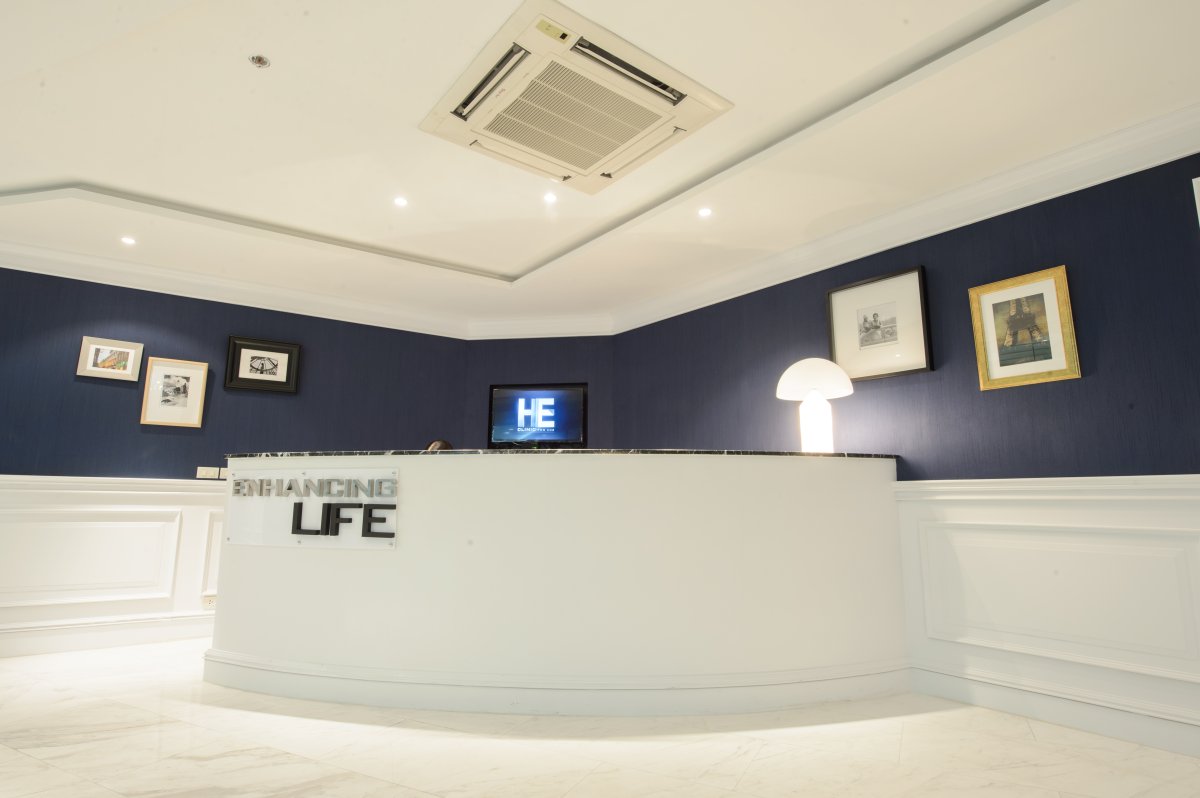
He Clinic Bangkok
Thailand, Bangkok
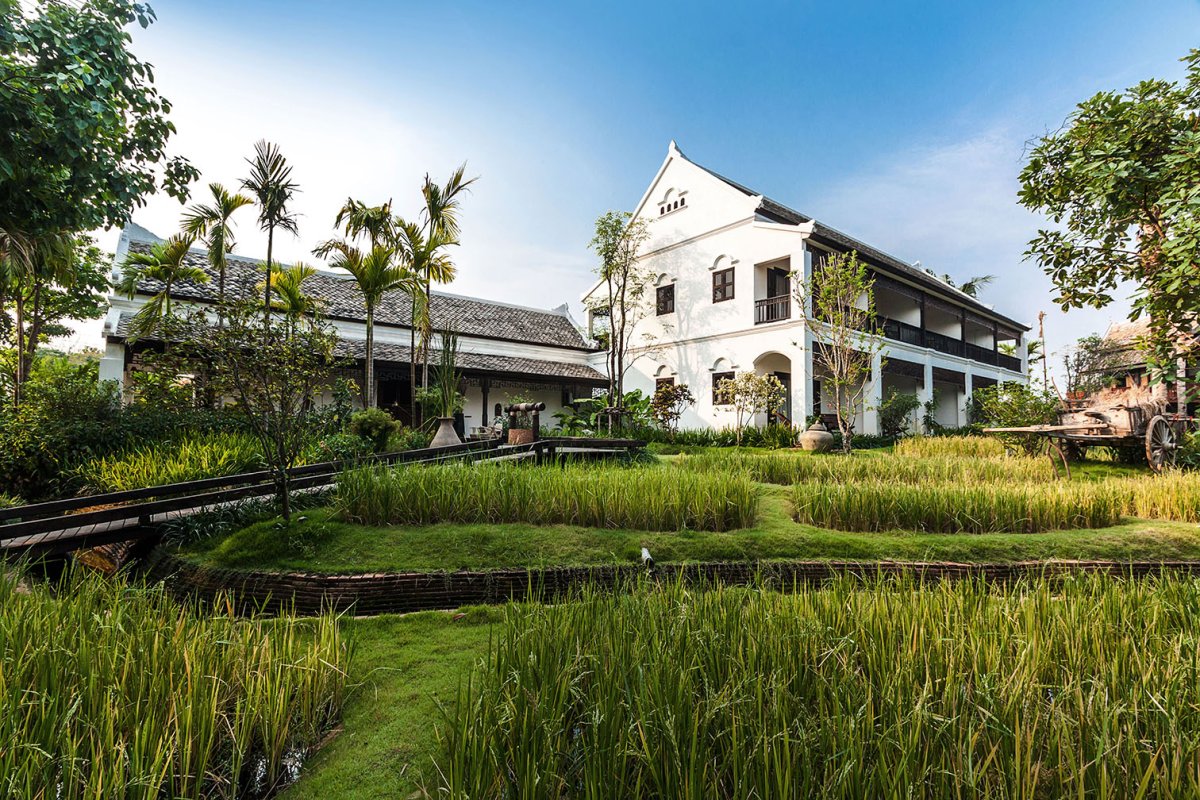
The Cabin Chiang Mai
Thailand, Chiang Mai
Vaccination Overview in Thailand
Takeaways
Related procedures & Costs
How it works
Benefits
Payment
patients recommend -
85%
Surgery Time - 1 hour
Stay in the country - 1 day
Rehabilitation - 1 day
Anaesthesia - Local anaesthesia
Requests processed - 1358
Bookimed fees - $0
Types of Vaccination
- Vaccination - from AUD $237The procedure helps build immunity towards specific diseases by introducing a weakened or dead pathogen into the body.
How to find best solution with Bookimed?
Check available options for your case on the website.
Request a free consultation with documents assessment.
Download your medical records and describe your needs.
Receive customised free treatment plans with prices and details.
Compare them and finalise your choice.
Agree the date for your upcoming clinic visit.
Arrive and pay at the clinic. Bookimed fees are $0 for you.
From start to finish, the Bookimed coordinator keeps you safe and comfortable during your medical journey.
100% free, non-binding assessment of your medical records
Instant FREE personalised treatment plans to make the right choice
Expert guidance in choosing the perfect Pediatrics doctor and clinic.
Special packages and exclusive prices for our patients.
24/7 Bookimed guidance at no cost, guaranteed.
Hassle-free translation of your medical documents for clinics.
Bookimed's multilingual team ensures comfortable communication.
Bookimed ensures transparent and secure payments. Patients pay at the clinic with no additional fees.
Available Payment Methods:
How to Secure an Appointment:
1. Documents: Passport and ticket copies.
or
2. Deposit:
- Bookimed deposit: $200 or €200.
- Clinic deposit: Pay a set percentage in advance.
For more information, see our Payment Policy
Our Trusted Doctors for Australian Patients
View all Doctors
verified
Bee Thamonwan Trongpanyachot
9 years of experience • 10000+ treatments performed
Dr. Bee Thamonwan is an aesthetic and regenerative medicine specialist at Plenary Wellness in Phuket. She focus on natural rejuvenation using stem cells and collagen-boosting biostimulators. Dr. Thamonwan earned her medical degree from the Medical University of Lublin in Poland. She speaks Thai, English, and Chinese fluently.
- Performs advanced stem cell therapy to regenerate skin and support anti-aging from within.
- Specializes in Sculptra and biostimulator injectables for gradual, natural facial volume renewal.
- Provides PRP hair therapy and mesotherapy microinjections for restorative scalp health.
- Collaborates with Prince of Songkla University on wellness research and innovation.

verified
Kantaphong Thongrong
9 years of experience
Dr. Kantaphong Thongrong combines clinical leadership with innovative rehabilitation techniques, focusing on neurorehabilitation and chronic pain management.
- Board-certified physiatrist with expertise in robotic and wearable exoskeleton gait training
- Head of Rehabilitation Department at King Mongkut Chaokhunthahan Hospital
- Founder of PYONG Rehabilitation Group, specializing in advanced non-invasive treatments
- Instructor at King Mongkut’s Institute of Technology Ladkrabang, teaching musculoskeletal and rehabilitation medicine

verified
Kanokkaew Viravan
36 years of experience
Dr. Kanokkaew is a board-certified pediatrician with specialized training in vaccinations and child health.
- American Board of Pediatrics certified
- Graduated from Medical University of South Carolina
- Diplomate of National Board of Medical Examiners (USA)
- Specializes in pediatric vaccinations and preventive care

verified
Dr Supaporn Sompanwang
25 years of experience
Dr Supaporn Sompanwang specializes in pediatric vaccinations, ensuring children's health with expert care at Intrarat Hospital.
- General Pediatrician with special training in child disease prevention
- Graduated from Naresuan University's Faculty of Medicine
- Holds certificates in Pediatrics and Family Medicine
- Provides comprehensive care for developmental and behavioral concerns
Reviews about Bookimed: Discover Patients' Insights
All reviewsKjetil Oksavik • Stem Cell Therapy
Norway
13 Apr 2025
I had no measured effect from the treatment with stem cells. 60.0 mill. once.
About Bookimed service
I don not think that Bookimed is a guarantee of the quality of the clilic.
Share this content
Video Stories from Bookimed Patients
Dayana
I combined my vacation in Antalya with a check-up.
Procedure: Female check-up
Igor
It was great! Transfers, accommodation, treatment—all included.
Procedure: Dental Implant
Marina
Bookimed did everything for me. I didn't have to worry about anything.
Procedure: Female check-up
Updated: 05/11/2026
Authored by
 Anna Leonova
Head of Content Marketing Team
A certified medical writer with 10+ years of experience, developed Bookimed’s trusted content, backed by a Master’s in Philology and medical expert interviews worldwide.
Reviewed by Bookimed Medical Advisor

Fahad Mawlood
Medical Editor & Data Scientist
General practitioner. Winner of 4 scientific awards. Served in Western Asia. Former Team Leader of a medical team supporting Arabic-speaking patients. Now responsible for data processing and medical content accuracy.
Fahad Mawlood LinkedinThis page may feature information relating to various medical conditions, treatments, and healthcare services available in different countries. Please be advised that the content is provided for informational purposes only and should not be construed as medical advice or guidance. Please consult with your doctor or a qualified medical professional before starting or changing medical treatment.
FAQ about Vaccination in Thailand
These FAQs come from real patients seeking medical assistance through Bookimed. Answers are given by experienced medical coordinators and trusted clinic representatives.
When should I organise my vaccinations before travelling to Thailand?
Travellers should consult a GP or travel clinic at least 4–6 weeks before departing for Thailand. This timeframe allows for multi-dose schedules and lets vaccines reach full efficacy. Starting earlier is necessary for specific vaccines, such as the 3-dose HPV course or Japanese encephalitis.
- Consultation timing: Schedule appointments 4–6 weeks before flying to Thailand to complete most vaccine series.
- Multi-dose schedules: Begin earlier for HPV or Hepatitis B as doses require weeks of spacing.
- Dengue protection: Clinics such as Intrarat Hospital offer the QDenga vaccine to boost immunity against dengue.
- Routine boosters: Check status for MMR and Diphtheria-Tetanus-Pertussis alongside destination-specific shots like Typhoid.
Bookimed Expert Insight: Thailand’s leading private hospitals like Bumrungrad International serve over 1,000,000 patients annually. They often have high-demand vaccines in stock that might be harder to find locally.
Patient Consensus: Travellers suggest starting the process early, especially for rural trips or long stays in Thailand. Even for last-minute bookings, a clinic visit helps identify which shots still provide immediate protective benefits.
Which routine vaccinations should I ensure are up to date before visiting Thailand?
Travellers heading to Thailand should check that routine immunisations for measles-mumps-rubella (MMR), diphtheria-tetanus-pertussis (Tdap), and chickenpox are current. Health authorities also recommend hepatitis A and typhoid vaccinations. Bookimed data shows clinics in Bangkok provide specialised boosters. These include the QDenga dengue vaccine and three-dose HPV series.
- MMR immunity: Confirm protection against measles, mumps, and rubella before departure.
- Tetanus booster: Check that the 10-year Tdap or Td booster is up to date.
- Dengue protection: Clinics like Intrarat Hospital offer the QDenga vaccine for mosquito-borne immunity.
- Travel-specific shots: Hepatitis A and typhoid are highly recommended for food and water safety.
Bookimed Expert Insight: Bangkok clinics frequently serve Australians seeking the QDenga vaccine and HPV series. Specialists such as Dr Pichayanith Sroysuwan at Harmony Life Center trained in Perth. This makes them familiar with Australian immunisation standards and travel requirements.
Patient Consensus: Travellers in Thailand suggest reviewing immunisation records early for multi-dose schedules. Many found that confirming childhood MMR and polio status was a vital first step.
What vaccinations are recommended for most travellers visiting Thailand?
Most travellers visiting Thailand need vaccinations for hepatitis A and typhoid. These protect against contaminated food and water. Travellers should also check that routine immunisations like MMR and Tetanus are current. Depending on your stay, specialists may recommend Japanese encephalitis, rabies, or the QDenga dengue vaccine.
- Foodborne protection: Hepatitis A and typhoid vaccines cover risks from markets and rural dining.
- Routine updates: Confirm MMR, influenza, and Tetanus-Diphtheria-Pertussis (Tdap) are up to date before departure.
- Dengue immunity: The QDenga vaccine is available at clinics like Intrarat Hospital for mosquito-borne protection.
- Extended stays: Japanese encephalitis and rabies are vital for rural stays or animal contact.
- Entry requirements: Yellow fever certification is mandatory if arriving from a high-risk transmission country.
Bookimed Expert Insight: Major Bangkok centres like Bumrungrad International Hospital serve over 1,000,000 patients annually. They also maintain JCI accreditation. Many Thai specialists, including Dr Kanokkaew Viravan at Intrarat Hospital, hold American Board certifications. This standard of care makes Thailand a reliable hub for completing complex multi-dose series. HPV vaccines cost roughly 0% less than Australian private rates.
Patient Consensus: Travellers highlight the importance of checking routine Tdap and hepatitis A status before departure. Patients often suggest consulting a clinic for itinerary-specific advice. This is especially important for rural backpacking or long-term stays in Thailand.
Are there any mandatory vaccinations required to enter Thailand?
Most travellers do not require mandatory vaccinations to enter Thailand. The only legal requirement is a Yellow Fever certificate. This applies to those arriving from or transiting through high-risk countries. Border officials will check this documentation upon arrival at the airport.
- Yellow Fever: Only mandatory if arriving from or transiting high-risk regions for 12+ hours.
- Hepatitis A and Typhoid: Highly recommended vaccines to prevent infection from contaminated food or water.
- Routine immunisations: Check that measles-mumps-rubella (MMR) and diphtheria-tetanus-pertussis are up to date.
- Japanese Encephalitis: Recommended for travellers visiting rural areas or staying for long durations.
Bookimed Expert Insight: Australian travellers often save 0% on non-routine vaccinations. Clinics like Bumrungrad International Hospital in Bangkok offer HPV or QDenga vaccines. These facilities specialise in international patients and provide English-speaking support.
Patient Consensus: Travellers confirm that border entry is efficient with no routine vaccine checks. Many suggest visiting a travel clinic 4–6 weeks before flying to finalise recommended boosters.
Should I consider a Hepatitis B vaccination for my trip to Thailand?
Unvaccinated Australians should consider Hepatitis B vaccination for Thailand. This is important when visiting rural areas or staying long-term. The risk increases with medical procedures, new sexual partners, or tattoos. Vaccination in Thailand typically costs from $160.
- Exposure risks: Spread through blood or bodily fluids during medical, dental, or cosmetic procedures.
- Standard schedule: Requires 3 doses spread over 6 months for long-lasting immunity.
- Accelerated options: Doctors provide faster schedules if travel happens within 4 weeks.
- Certified facilities: JCI-accredited centres like Bumrungrad International Hospital serve 1,000,000+ patients annually.
Bookimed Expert Insight: Many travellers focus on food-borne risks. However, Hepatitis B protection is vital for those seeking medical or dental care in Thailand. Accredited clinics often bundle multiple vaccinations. Patients can often combine Hepatitis B with HPV or Dengue vaccines during one consultation.
Patient Consensus: Travellers in Thailand recommend checking antibody levels before departure. They suggest starting the series early. They also appreciate that local clinics make completing follow-up doses simple and affordable.
Is a Japanese Encephalitis vaccination necessary for a trip to Thailand?
Japanese Encephalitis vaccination is generally recommended for Australians spending over 30 days in Thailand. It is also advised for those visiting rural agricultural areas like rice paddies. Risk remains low for short stays in Bangkok or Phuket. Travellers should use mosquito prevention and stay in screened or air-conditioned accommodation.
- Itinerary risk: Vaccination is vital for rural stays, hiking, or camping in agricultural regions.
- Duration factor: Stays exceeding one month significantly increase the cumulative exposure risk.
- Seasonal peaks: Infection risk rises during the wet season when mosquito populations are highest.
- Medical consultation: Seek professional advice 4–6 weeks before departure for full immunity.
Bookimed Expert Insight: Bangkok clinics like MedConsult Medical Clinic or Bumrungrad International Hospital frequently serve Australians for travel immunisations. Local vaccination costs range from $160. These JCI-accredited facilities offer English-speaking specialists who understand regional disease patterns.
Patient Consensus: Travellers usually skip this vaccine for short city breaks. However, they prioritise it for farm stays or rural trekking. Most people find that using strong repellent and wearing long sleeves at dusk provides essential protection during the Thai wet season.
What mosquito-borne diseases are present in Thailand and how can I prevent them?
Dengue fever is the primary mosquito-borne risk in Thailand. Other risks include chikungunya, Zika virus, malaria, and Japanese encephalitis. Prevention focuses on avoiding bites during the day and at twilight. Consider vaccinations like QDenga or Japanese encephalitis shots for longer rural stays.
- Dengue protection: Daytime-biting Aedes mosquitoes spread dengue. Use the QDenga vaccine for better immunity.
- Malaria zones: Risk remains in forested border areas. Seek specialist advice for antimalarial tablets.
- Physical barriers: Wear loose, light-coloured long sleeves. Aedes mosquitoes are most active at sunrise.
- Room safety: Stay in air-conditioned rooms. Ask for window screens or use mosquito nets.
Bookimed Expert Insight: Many travellers focus on malaria, but dengue is more common in cities like Bangkok. Clinics such as Intrarat Hospital offer the QDenga vaccine for around A$200. This is roughly 0% cheaper than typical Australian costs. This makes immunisation a practical choice for long-term visitors.
Patient Consensus: Travellers in Thailand recommend layered protection. Use DEET or picaridin repellent every day. They advise staying vigilant in cities and resorts. Mosquitoes breed in standing water even in developed areas.