Therapy
| treatment | |
|---|---|
| 12 Step Programme | AU$29356 |
| Drug treatment | AU$29356 |
The Cabin Chiang Mai is a residential addiction treatment center in Chiang Mai, Thailand. It specializes in substance addictions and behavioral disorders like gambling and internet addiction. Its team treats co-occurring mental health issues, such as depression and anxiety. Since 2009, the center has treated over 7,000 international clients. Western-trained counselors and onsite medical staff lead clinical care.
The program keeps a 4:1 client-to-counselor ratio, so care stays personal. Registered nurses provide medical support 24 hours a day, 7 days a week. For alcohol addiction treatment, the center reports a 96% completion rate. Thailand's Ministry of Public Health licenses the clinic. It holds official Healthcare Accreditation (HA) and HA Reaccreditation.
Therapy options include CBT, EMDR, and mindfulness-based practices. Guests stay in luxury private rooms and can use pools and a fitness center. After discharge, support continues through an 8-week online video aftercare program. All alumni worldwide can join free weekly group sessions.


 Clinic not accepting new requests
 Average answering time — 5 minutes
| treatment | |
|---|---|
| 12 Step Programme | AU$29356 |
| Drug treatment | AU$29356 |
| treatment | |
|---|---|
| Treatment of drug addiction | AU$29356 |
| treatment | |
|---|---|
| Alcoholism treatment | AU$29356 |
| treatment | |
|---|---|
| Alcohol Rehabilitation | AU$29356 |
| Drug Rehabilitation | AU$29356 |
| Substance Rehabilitation | AU$29356 |
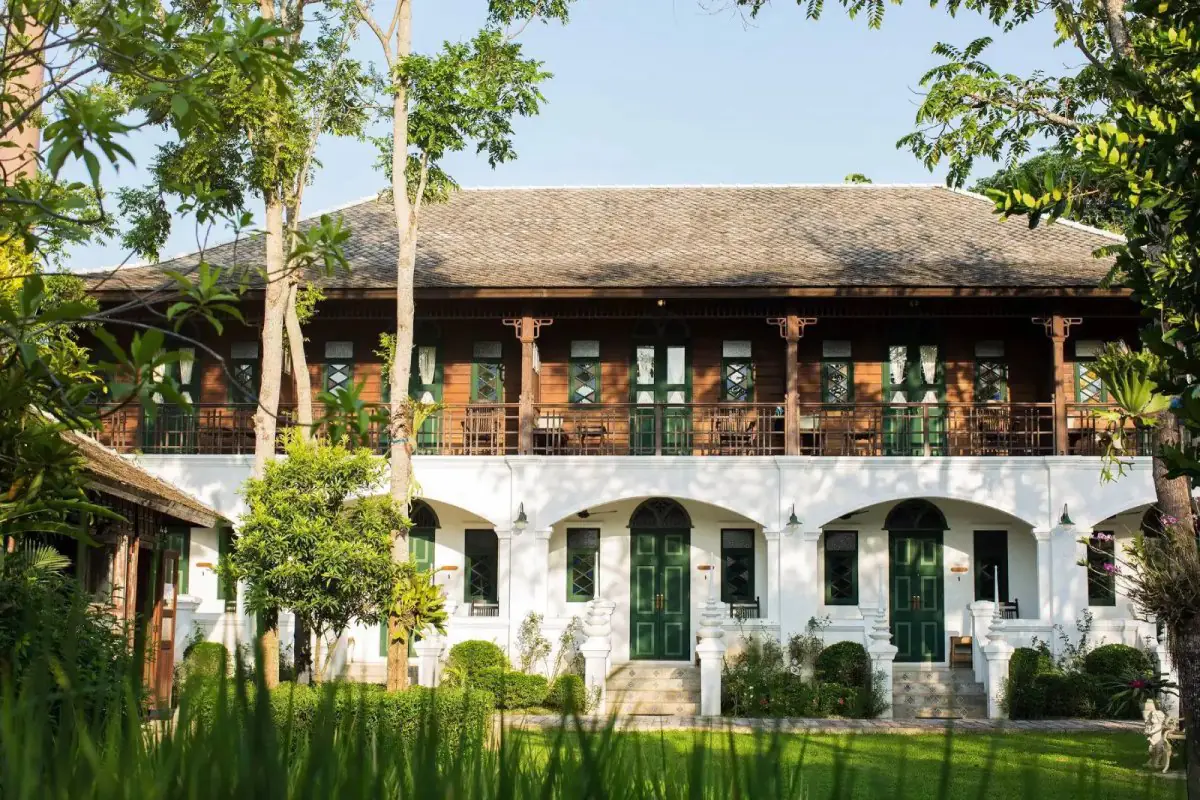
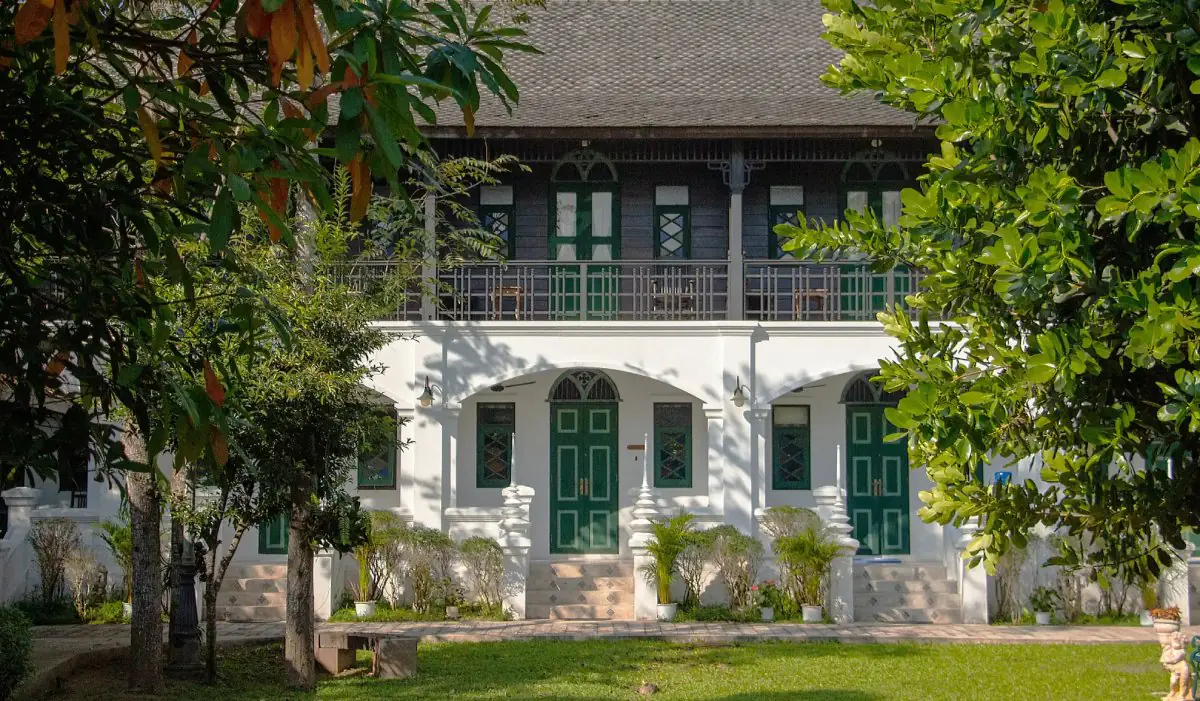
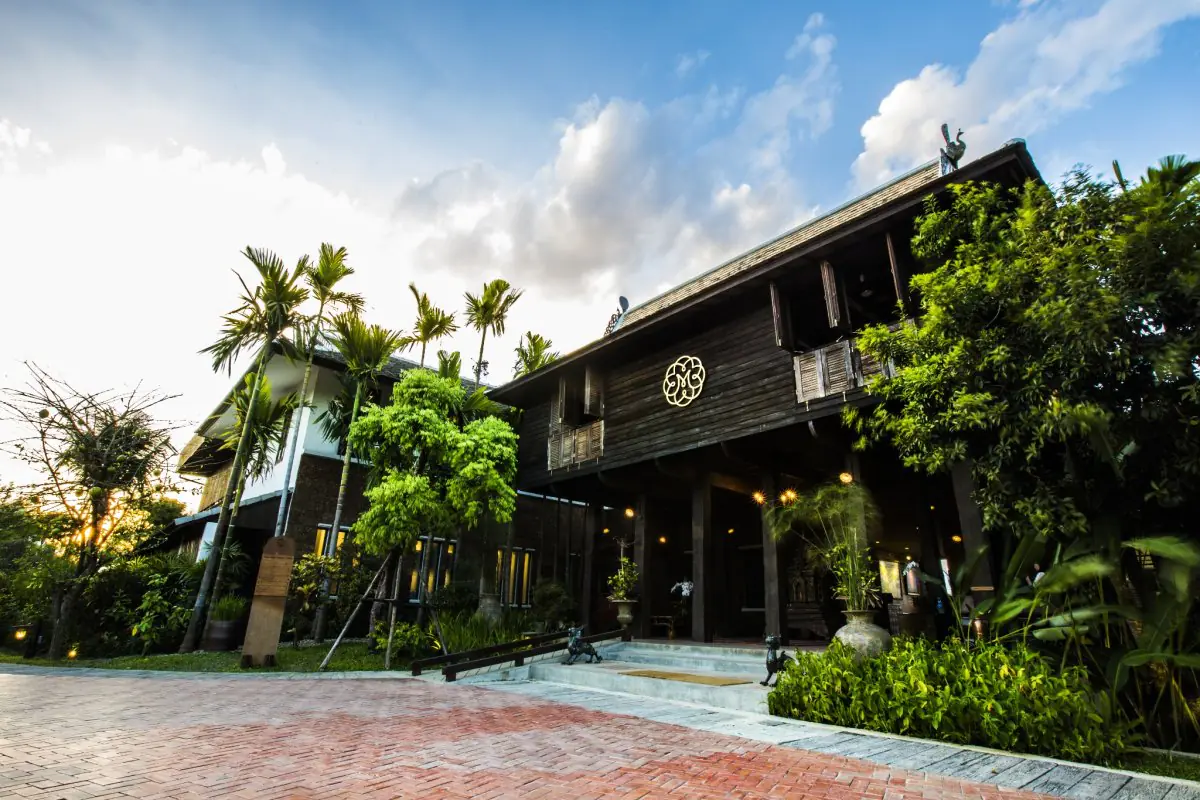
The Cabin Chiang Mai is a private residential addiction treatment center. It opened in 2009 on the banks of the Ping River, in the Saraphi District of Chiang Mai, Thailand. As a specialist inpatient center, it focuses on recovery from substance use and mental health conditions.
Since opening, the center has helped over 7,000 clients from around the world. It holds Healthcare Accreditation (HA) and a license from the Thailand Ministry of Public Health. A Medical Advisory Board oversees clinical governance and treatment philosophy, so care stays evidence-based.
The clinical team has over 100 years of combined experience in addiction medicine. Its specialists take part in global medical conferences, such as WCSAD and UKESAD. They also train government health departments in Thailand and the Maldives.
The Cabin Chiang Mai uses its own treatment method, called Changing Pathways. This model blends evidence-based counseling with whole-body and physical therapies. Thanks to a 4:1 client-to-counselor ratio, each client gets personal attention throughout recovery.
Dr. Pongpreeda Saenchitta, a psychiatrist with over 10 years of experience, leads medical care. He is recognized as one of the most experienced detoxification doctors in Thailand. Treatment usually starts with medically supervised withdrawal, so symptoms stay under safe control.
Alcohol addiction programs report a 96% completion rate. Residential stays come in flexible lengths:
Since addiction often comes with other conditions, the team treats depression and anxiety too. PTSD and burnout are part of treatment alongside substance use, so recovery covers the whole person.
Each day includes several evidence-based and experiential therapies. These sessions help clients learn coping tools and build resilience against future triggers. The program includes:
Physical fitness is a core part of the recovery schedule. Specialists use personal training and Muay Thai to help clients rebuild their strength.
The Addiction Family Programme helps loved ones understand the recovery process. It includes consultations before a patient starts residential rehab. Every client gets an individual aftercare plan to stay stable after returning home.
Clients receive a complimentary 8-week aftercare program through online video group therapy. This means they can talk with counselors in real time from anywhere in the world. Beyond that, the alumni community holds weekly group sessions for ongoing peer support.
A full-time staff of 120 runs the residential grounds. Registered nurses are onsite 24 hours a day for continuous medical monitoring. Patients stay in private luxury guest rooms with daily cleaning and laundry.
The riverside campus has several amenities for physical and mental recovery:
Nourishing daily meals are included to support physical healing during treatment.
The team handles travel and admissions for patients coming from abroad. Clinical and support staff mainly speak English and Thai. Together, they represent over seven nationalities.
International services include:
The center partners with clinical networks in the Netherlands and Denmark.
 Clinic not accepting new requests
Average answering time — 5 minutes