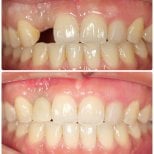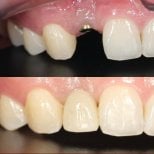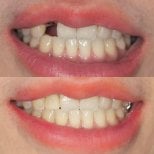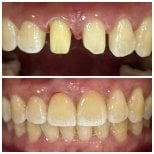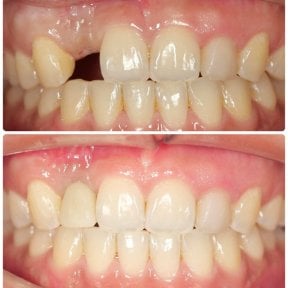
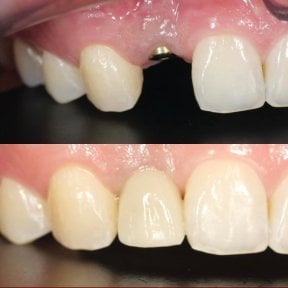
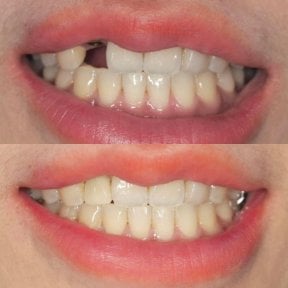
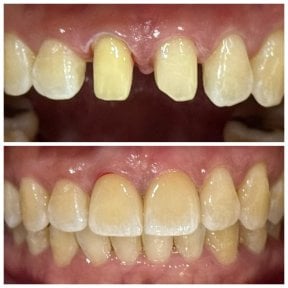
Porcelain crown installation in Thailand typically costs from AUD $426 / ฿A14,473 to AUD $1,135 / ฿A38,595 per tooth. Prices depend on the specific ceramic material, clinic location, and whether same-day CAD/CAM digital milling is used. Patients save around 64% by travelling to Thailand from Australia, where this procedure costs AUD $1,987 / ฿A67,542 on average. Treatment usually includes the consultation, local anaesthetic, and crown placement.
Bookimed Expert Insight: Choosing JCI-accredited facilities provides hospital-grade safety standards that match or exceed Australian private clinics. Bangkok International Dental Hospital (BIDH) and Bumrungrad International Hospital both hold this prestigious accreditation. High-volume centres often use in-house labs, which can reduce wait times for crown fabrication to just a few days. This efficiency helps Australian patients minimise their total travel and accommodation spend during the trip.
| Thailand | Turkey | South Korea | |
| Porcelain crown installation | from AUD $358 / ฿A12,158 | from AUD $426 / ฿A14,473 | from AUD $639 / ฿A21,710 |
Dr Vikram Bhatia is a cosmetic dental specialist who holds a United Kingdom certification in the SmileFast system. He operates at SmileBox Dental Clinic in Thailand using modern restorative techniques.
Dr Nattaporn Verayangkura is currently completing a Master of Science in Esthetics and Implant at Chulalongkorn University – Thailand's top-ranked medical research institution.
Dr Vishal Sehgal graduated with First Class Honours in Dental Surgery and holds a specialised qualification in Veneers and aesthetic treatments.
Verify quality by checking for JCI (Joint Commission International) accreditation and Thai Dental Council registration. Dedicated Bangkok clinics, such as Bangkok International Dental Center and Bumrungrad International Hospital, maintain JCI ambulatory standards. These standards require hospital-grade sterilisation and material traceability for all-ceramic and zirconia crown installations.
Bookimed Expert Insight: Bookimed data shows a clear quality tier. Clinics treating 15,000+ patients annually, like Bangkok International Dental Center, often hold official partnerships with manufacturers like Ivoclar Vivadent. These partnerships typically grant clinics priority access to the latest porcelain materials and lab training.
Patient Consensus: Patients in Thailand recommend requesting a written treatment plan and warranty details before any tooth preparation. They suggest verifying the specific dentist's licence status and asking about in-house lab turnaround times for adjustments.
If a porcelain crown installed in Thailand fractures or falls out, visit an Australian dentist immediately to protect the exposed tooth. Thai clinics like Bangkok International Dental Center (BIDC) hold JCI accreditation. However, you must usually return to Thailand to claim any surgical warranty or free repairs.
Bookimed Expert Insight: Thai clinics like Bangkok International Dental Hospital (BIDH) follow strict ISO and JCI standards. These facilities often provide digital operative notes. Bring these records to your Australian dentist. This helps them verify the bonding agents and materials used, making local repairs safer and faster.
Patient Consensus: Save the crown and any dental records. Patients mention that local dentists often treat fallen crowns as temporary issues unless pain occurs. Returning to Thailand is often too expensive. Most patients choose to pay for local fixes while keeping the original Thai invoice.
Patients should plan to stay in Thailand for 5 to 7 days for a porcelain crown installation. This timeframe allows for tooth preparation, lab fabrication, and final fitting. While some clinics offer 24-hour CAD/CAM technology, a week allows for proper bite adjustments and comfort.
Bookimed Expert Insight: Lab turnaround is the biggest variable for stay duration. Major centres like Bangkok International Dental Center use materials from Ivoclar Vivadent and Straumann. Even so, external lab work usually takes 3–5 days. Booking a 7-day window covers your preparation and a margin for final adjustments.
Patient Consensus: Plan for several days to allow for assessment, lab fabrication, and fitting. Leaving a two-day buffer after the final appointment helps with bite adjustments before flying back to Australia.
Standard porcelain, E-Max, and Zirconia differ in their balance of strength and aesthetics. E-Max offers lifelike translucency for front teeth. Zirconia provides maximum durability for molars and heavy chewing. Standard porcelain is a budget-friendly option. However, it remains more prone to chipping in high-pressure areas.
Bookimed Expert Insight: Thailand dental hubs like Bangkok and Phuket offer high-density expertise. Clinics like Bangkok International Dental Center perform 15,000+ procedures annually. Many facilities are official partners of Swiss manufacturers like Ivoclar Vivadent and Straumann. This helps patients receive genuine, branded ceramic materials that meet Australian standards at lower prices.
Patient Consensus: Patients recommend E-Max for front teeth due to its natural enamel-like finish. They suggest requesting before-and-after photos. They also suggest confirming if the Zirconia is monolithic or layered for the best result.
Permanent dental crowns can be installed in a single day in Thailand. This requires clinics equipped with in-house CAD/CAM laboratories. Facilities like Bangkok International Dental Center (BIDC) use digital intraoral scanners and on-site milling. They can design, manufacture, and bond crowns within 2–4 hours.
Bookimed Expert Insight: Many clinics claim same-day service. However, the most reliable results come from those with 30+ onsite doctors. Bangkok International Dental Hospital is one such example. High patient volumes—up to 15,000 annually—mean these labs never stop. This helps technicians remain highly skilled at refining bite adjustments instantly.
Patient Consensus: Patients in Thailand recommend confirming the in-house lab status before booking. While scans are quick, some suggest staying an extra few days. This allows for final bite adjustments to help ensure comfort.
Porcelain crown installation in Thailand involves a minimal recovery period of three to five days. Patients must follow specific, temporary diet restrictions. They usually return to normal activities immediately. However, gum tenderness and temperature sensitivity may last up to two weeks during healing.
Bookimed Expert Insight: Basic crowns take 24 hours to set. Choosing clinics with on-site labs, like Bangkok International Dental Center, often provides a better fit. High-volume centres in Thailand specialise in one-trip restorations. This reduces the need for bite adjustments that are difficult to manage back in Australia.
Patient Consensus: Recovery is usually fast, but the new crown can feel odd initially. Most people suggest keeping soft foods handy. Contact the dentist quickly if the bite feels uneven.