5 Best Heart Valve Replacement Clinics in Thailand — AUD Prices

Medically reviewed by
Hasim Ustunsoy
How it works
How Much Does Heart Valve Replacement Cost in Thailand in AUD?
Heart valve replacement in Thailand typically costs from AUD $37,600 / ฿850,000 to AUD $63,300 / ฿1,428,000. Final prices depend on the valve material, surgical technique, and the specific hospital in Bangkok or Pattaya. Inclusions generally cover surgeon fees, ICU monitoring, and a hospital stay of up to ten days.
- Aortic valve replacement: AUD $37,600 / ฿850,000 to AUD $57,200 / ฿1,292,000 for replacing the heart's main exit valve.
- Transcatheter aortic valve implantation (TAVI): AUD $46,700 / ฿1,054,000 to AUD $63,300 / ฿1,428,000 for a minimally invasive approach.
- Valvuloplasty: AUD $7,400 / ฿166,600 to AUD $16,600 / ฿374,000 for surgical repair instead of total replacement.
- Plastic surgery for cardiac valve: AUD $20,300 / ฿459,000 to AUD $27,900 / ฿629,000 for complex reconstructive repairs.
- Valve types: Biological tissue valves typically cost 15–20% more than mechanical metal options.
Bookimed Expert Insight: While Bangkok is the primary hub, reputable centres in Pattaya offer tailored cardiac care. Bumrungrad International Hospital is a standout, ranked among the world's most technologically advanced clinics by Newsweek. It uses digital imaging and AI to refine surgical planning. This hospital handles over one million patients annually, with half being international. This high volume often translates to smoother coordination for Australian patients compared to smaller clinics.
| Thailand | Turkey | |
|---|---|---|
| Heart Valve Replacement | from AUD $37,600 / ฿850,000 | from AUD $18,100 / ฿408,000 |
| Valvuloplasty | from AUD $7,400 / ฿166,600 | from AUD $12,000 / ฿272,000 |
| Transcatheter aortic valve implantation (TAVI) | ≈ AUD $46,700 / ฿1,054,000 | from AUD $21,100 / ฿476,000 |
| Surgery for acquired valvular heart disease | ≈ AUD $22,600 / ฿510,000 | from AUD $27,600 / ฿622,200 |
| Replacement of the aortic valve | from AUD $37,600 / ฿850,000 | from AUD $18,100 / ฿408,000 |
Best Heart Valve Replacement Clinics in Thailand for Australians: 5 Verified Options and AUD Prices












InterRehab Brain&Pain Total Office Syndrome Solution Asoke

PrimeCare Bkk
Heart Valve Replacement Overview in Thailand
- Heart Valve Replacement - from AUD $37,649This surgery replaces damaged heart valves, improving blood flow and heart function.
- Replacement of the aortic valve - from AUD $37,649The operation substitutes an impaired heart valve with a healthy one, enhancing blood flow and cardiac function.
- Valvuloplasty - from AUD $7,379This therapy mends heart valves, enhancing blood flow. It"s minimally invasive, less risky and involves quicker recovery.
- Bookimed deposit: $200 or €200.
- Clinic deposit: Pay a set percentage in advance.
Our Trusted Doctors for Australian Patients
View all Doctors
Ponthakorn Kaewkanha

Kittiwat Ratchano

Amornpong Vachiramon
Tawee Chai Taweecharoenkul
Video Stories from Bookimed Patients
Share this content
 Anna Leonova
FAQ about Heart Valve Replacement in Thailand
What are the qualifications of heart surgeons in Thailand?
Heart surgeons in Thailand are officially known as Cardiothoracic Surgeons and must complete a 13 to 15-year training pathway. Qualifications include a Doctor of Medicine degree, a specialized cardiothoracic residency, and mandatory certification from the Medical Council of Thailand and the Thai Board of Thoracic Surgery.
- Medical degree: Requires an intensive 6-year undergraduate program at an accredited Thai university.
- Residency training: Surgeons complete 4–5 years in a specialized cardiothoracic residency program.
- Board certification: Mandatory licensing from the Medical Council of Thailand ensures national standards.
- International fellowships: Senior surgeons often train for 1–3 years at institutions like the Mayo Clinic.
Bookimed Expert Insight: Senior surgeons at JCI-accredited facilities like Bumrungrad International Hospital often hold dual board certifications. Many are certified by both the Thai Board and Western bodies like the Royal College of Surgeons. This secondary layer of international accreditation is a reliable indicator of experience in complex valve procedures.
Patient Consensus: Patients recommend choosing surgeons with high annual valve replacement volumes. They value clear post-operative plans and teams that include dedicated cardiac anaesthetists and perfusionists.
Can I get minimally invasive valve surgery in Thailand?
Thailand offers advanced minimally invasive valve surgery through JCI-accredited hospitals specialising in thoracoscopic and catheter-based techniques. Specialists perform procedures like TAVI and 3D endoscopic valve repair through 4–5 cm incisions, eliminating the need to break the breastbone and significantly reducing recovery times for international patients.
- Procedure types: Includes TAVI, robotic-assisted surgery, and 3D endoscopic valve repair or replacement.
- Clinical standards: Major centres like Bumrungrad International Hospital hold Global Healthcare Accreditation and JCI status.
- Recovery benefits: Patients typically mobilise within 2 days and resume light activities far sooner.
- Specialist expertise: Heart centres in Bangkok manage high-risk cases using advanced 3D imagery systems.
Bookimed Expert Insight: While basic valve replacement costs from $25,000, choosing a centre like Bumrungrad International Hospital provides access to a multidisciplinary heart team. These teams specialise in sutureless TAVI and complex repairs, which is particularly beneficial for high-risk patients who are not suitable for traditional open-heart surgery.
Patient Consensus: Patients recommend confirming the specific surgical approach early as minimally invasive techniques vary. It is important to plan for a longer stay in Thailand to ensure medical clearance before the flight back to Australia.
What types of heart valves are available in Thailand?
Accredited Thai hospitals provide a full range of heart valves, including mechanical, bioprosthetic tissue, and transcatheter TAVI options. Surgeons at centres like Bumrungrad International Hospital help patients choose between lifetime-durable synthetic valves and natural organic tissues that do not require long-term blood-thinning medication.
- Mechanical valves: Durable carbon or steel implants lasting a lifetime for younger patients.
- Bioprosthetic valves: Organic pig or cow tissue valves typically lasting 10–20 years.
- Transcatheter valves: Minimally invasive TAVI or TAVR options for high-risk elderly patients.
- Aortic homografts: Human donor heart valves used primarily for treating complex cardiac infections.
Bookimed Expert Insight: While costs for heart valve surgery in Thailand range from $25,000 to $42,000, the real value lies in the technology. Facilities like Bumrungrad serve 1,000,000+ patients annually. They use the same internationally-recognised valve brands found in Australia but with shorter wait times.
Patient Consensus: Patients find that major Thai private hospitals offer the same valve brands used in Western countries. They suggest confirming post-operative follow-up care with your Australian GP before travelling home.
Which are the top hospitals for heart valve replacement in Thailand?
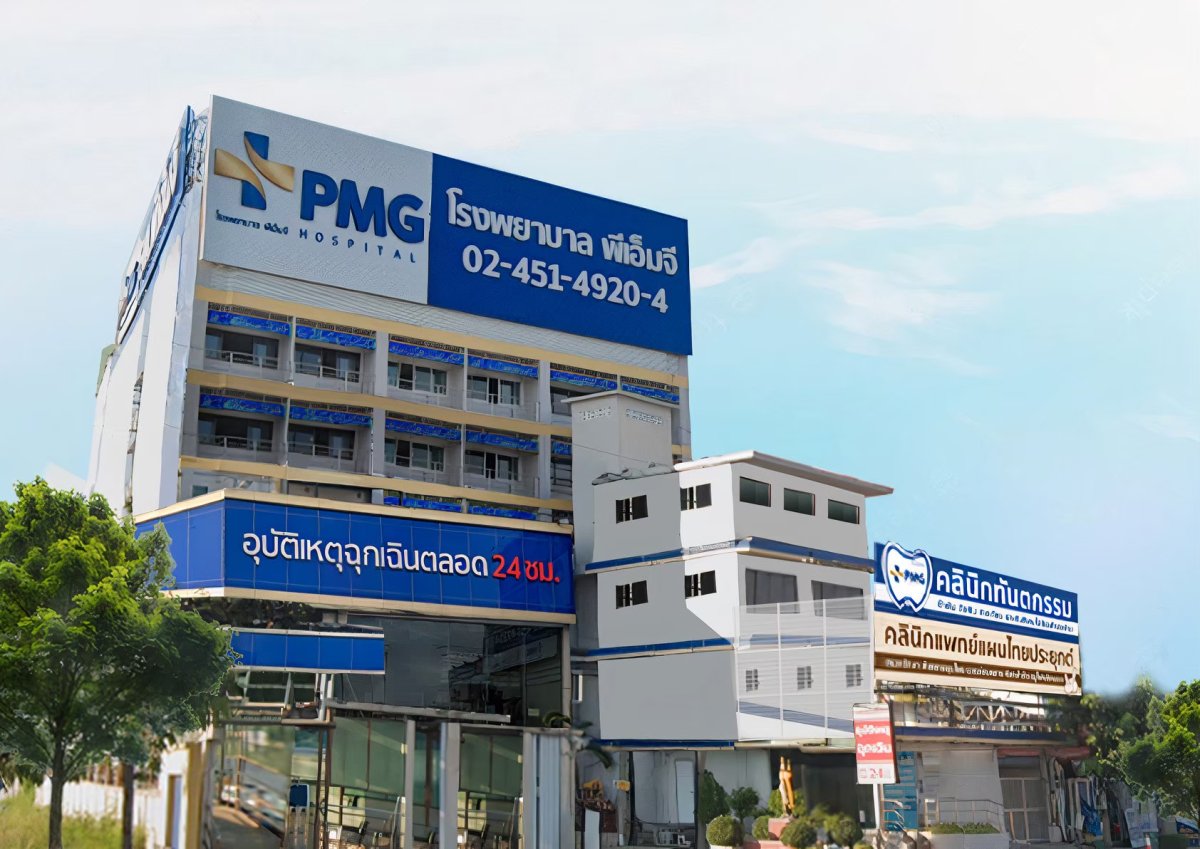
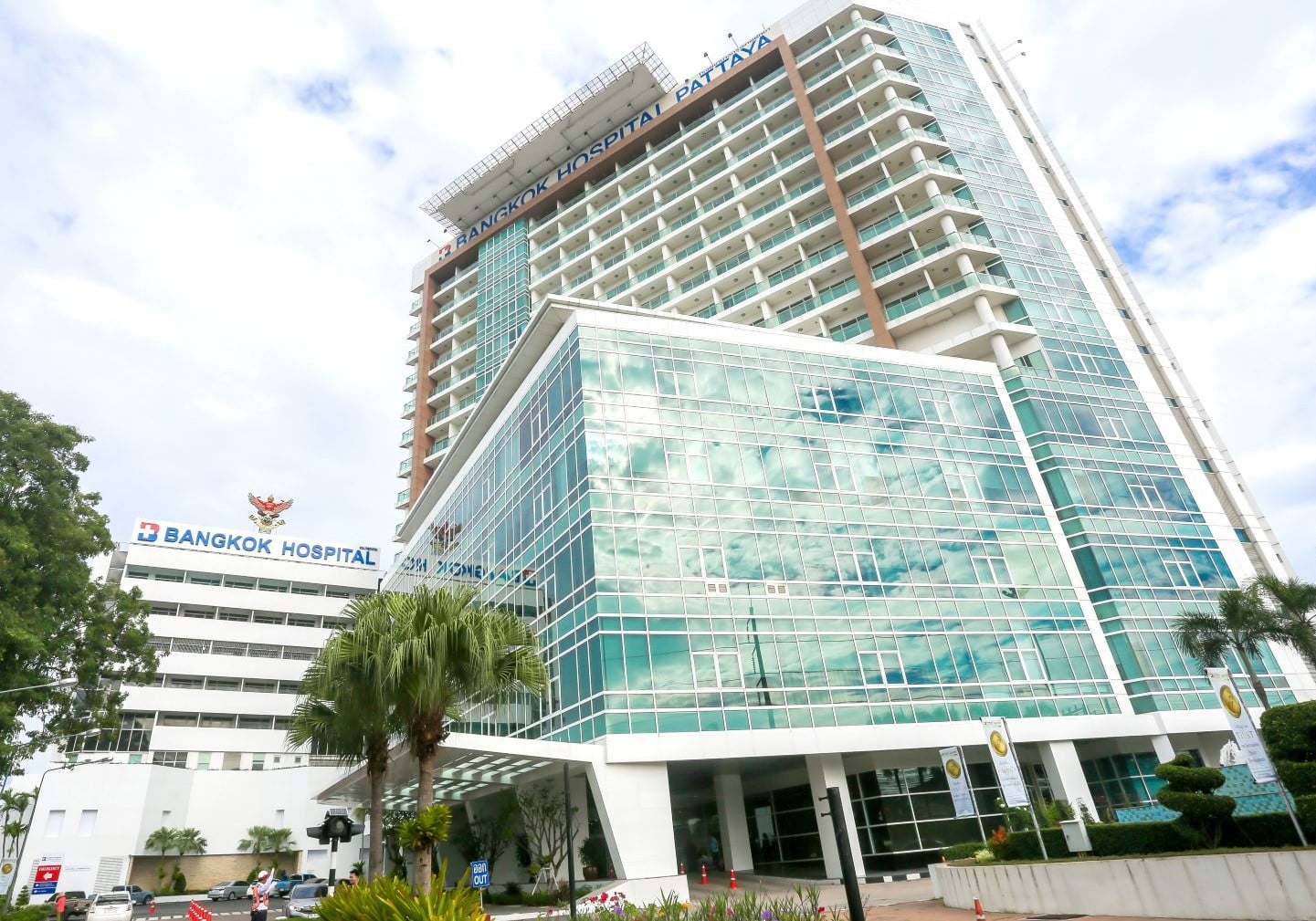
Top hospitals for heart valve replacement in Thailand include Bumrungrad International Hospital and Bangkok Hospital Pattaya. These JCI-accredited facilities specialise in minimally invasive techniques like TAVI and heart valve repairs. They provide dedicated cardiac units and English-speaking coordination for international patients seeking specialist cardiovascular care.
- Bumrungrad International: Top-30 technologically advanced hospital globally featuring a dedicated Heart Valve Centre.
- Bangkok Hospital Pattaya: Leading JCI-accredited regional hub providing full-scale cardiac catheterisation and valvular surgery.
- TAVI/TAVR availability: Minimally invasive transcatheter aortic valve implantation is widely offered for high-risk patients.
- Specialised cardiac teams: Multidisciplinary teams include interventional cardiologists, cardiac surgeons, and rehabilitation specialists.
Bookimed Expert Insight: While major Bangkok centres are popular, Bangkok Hospital Pattaya serves as a high-volume cardiac hub on the East Coast. It maintains JCI standards identical to the capital but often provides easier access for patients. Statistics show these top-tier clinics manage over 400,000 patients annually, ensuring surgeons maintain high proficiency in complex valve configurations.
Patient Consensus: Patients in Thailand recommend requesting full English-language records and detailed budgets including ICU stays. They suggest choosing facilities like Bumrungrad for their proven track record with international cases and comprehensive post-operative pathways.
How long do I need to stay in Thailand for the procedure?
Patients typically need to stay in Thailand for 21 to 30 days for a heart valve replacement. This window covers complex pre-operative assessments, the surgery itself, and a vital stabilisation period. Surgeons must issue a fit-to-fly certificate before any international travel is safely permitted.
- Pre-operative phase: specialists spend 2–3 days conducting detailed heart scans and blood tests.
- Hospital inpatient stay: most patients remain in the cardiac ward for 7–10 days post-surgery.
- Clinical stabilisation: surgeons monitor internal healing and heart rhythms for another 10–14 days.
- Travel clearance: airlines require formal medical sign-off to ensure flight safety after major surgery.
Bookimed Expert Insight: Major Bangkok centres like Bumrungrad International Hospital serve over 1,000,000 patients annually with JCI-accredited cardiac units. While TAVI procedures are less invasive, specialists still recommend a 3-week stay to monitor for heart rhythm issues. This timeframe is essential because Australian carriers often require strict evidence of stability for long-haul flights post-thoracotomy.
Patient Consensus: Heart surgery is a major undertaking so patients should plan in weeks rather than days. Many travellers suggest booking airport assistance for the flight back to Australia to manage mobility limits and potential leg swelling.
What is usually included in a Thai medical tourism heart surgery package?
Thai heart surgery packages typically bundle the medical procedure, surgeon fees, anaesthesia, and a set hospital stay. Major Bangkok centres, like Bumrungrad International Hospital, include pre-operative screenings, operating theatre use, cardiac implants, and standard medications. These packages often provide translation services and visa coordination for international patients.
- Surgical expertise: Covers the cardiothoracic surgeon, assistants, and the full anaesthetist team.
- Hospital stay: Includes 1–3 nights in ICU and 5–7 nights in a private room.
- Cardiac diagnostics: Covers comprehensive blood panels, chest X-rays, ECGs, and post-operative telemetry monitoring.
- Administrative support: Provides dedicated interpreters and assistance with medical visa extensions if required.
Bookimed Expert Insight: While many Australian patients focus on the main procedure, the real value lies in the ICU coverage. Clinics like Bumrungrad International, which serves 1,000,000 patients annually, often have higher upfront package prices. However, these usually have more generous ICU allowances, which protects against costs from common post-op rhythm issues.
Patient Consensus: Patients find that headline prices in Thailand accurately cover surgery and standard rooms. They suggest confirming the specific valve brand and securing itemised lists for medications before flying home.
What visa do I need for heart surgery in Thailand?
Patients travelling for heart surgery in Thailand require either a Non-Immigrant O (Medical Treatment) Visa or a Tourist MT Visa. These specific permits ensure legal compliance for major procedures like heart valve replacement. Most hospitals provide required invitation letters to support these applications via the Thai E-Visa Portal.
- Medical O Visa: Offers initial 90-day stays for major cardiac surgeries and recovery periods.
- Tourist MT Visa: Suitable for shorter medical trips lasting up to 60 days per entry.
- Hospital invitation: Clinics like Bumrungrad International Hospital issue official letters to confirm surgical appointments.
- Financial proof: Applicants must show recent bank statements to cover costs and local stay.
- Insurance requirement: Immigration typically requires health insurance covering at least US$50,000 for complications.
Bookimed Expert Insight: Large centres like Bumrungrad International Hospital serve over 1,000,000 patients annually and have dedicated visa departments. These specialists help manage extensions if recovery takes longer than planned. This is vital for heart patients who cannot fly immediately after surgery.
Patient Consensus: Carry hard copies of hospital appointment letters and return flight details for border control. Build a significant buffer into travel plans to allow for pre-operative tests and recovery.