Liver resection Clinics in Thailand — AUD Prices


Medically reviewed by
Yesim Yildirim
How Much Does Liver resection Cost in Thailand in AUD?
Liver resection in Thailand typically costs from AUD $21,900 / ฿493,000 to AUD $36,200 / ฿816,000. The final price depends on the surgical approach, the tumour location, and the hospital location in cities like Bangkok and Pattaya. Quotes usually include pre-operative imaging, surgeon fees, anaesthesia, and inpatient care.
- Laparoscopic surgery: Typically carries a 20% premium over traditional open surgery due to specialised equipment.
- Hospital tier: Prices in Bangkok hubs often run 15–20% higher than in regional centres.
- Anatomical complexity: Larger or poorly positioned tumours increase theatre time and overall surgical costs.
- Post-operative care: Extended stays in the intensive care unit will increase the total hospital bill.
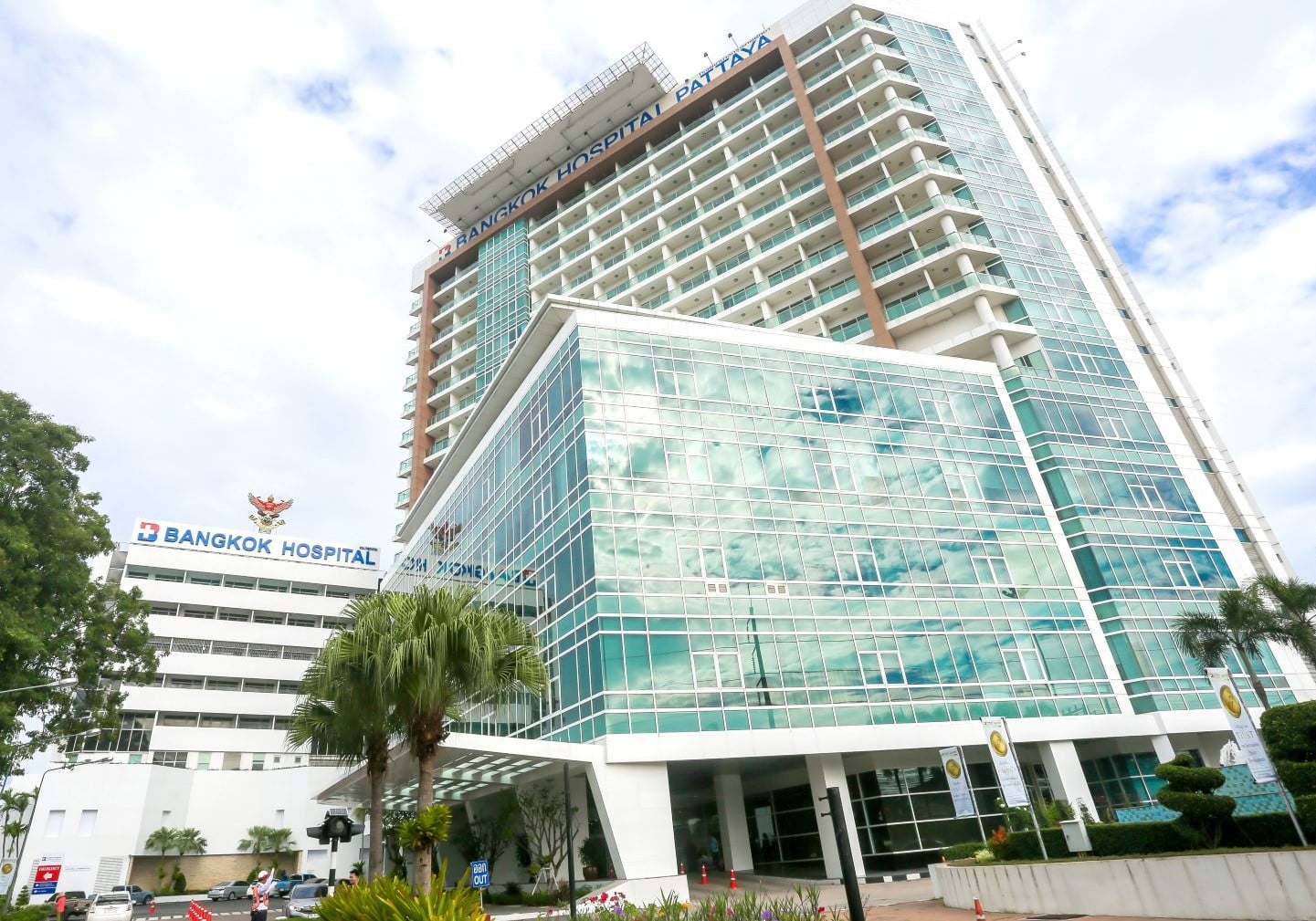
Bookimed Expert Insight: Choosing a hospital with international accreditation provides Australian patients with verified safety standards. Bumrungrad International Hospital is accredited by the Joint Commission International (JCI) and the Global Healthcare Accreditation (GHA). It treats over 1 million patients annually, with 50% arriving from overseas. For those seeking coastal recovery, Bangkok Hospital Pattaya offers JCI-standard care and has received the IMTJ Award for its medical services.
| Thailand | Turkey | |
|---|---|---|
| Liver resection | ≈ AUD $21,900 / ฿493,000 | from AUD $13,600 / ฿306,000 |
Your Benefits and Guarantees with Bookimed
Transparent Prices & Flexible Installments
No hidden fees – just official clinic prices. Pay at the clinic for Liver resection upon arrival and use a flexible instalment plan if needed.
Verified Clinics & Doctors Only
Bookimed is committed to your safety. We only work with medical institutions that maintain high international standards in Liver resection and have the necessary licenses to serve international patients worldwide.
Free 24/7 Assistance
Bookimed offers free expert assistance. A personal medical coordinator supports you before, during, and after your treatment, solving any issues. You're never alone on your Liver resection journey.

Your personal Bookimed medical coordinator
- Supports you at every stage
- Helps choose the right clinic and doctor
- Ensures quick and convenient access to information
Best Liver resection Clinics in Thailand for Australians: 2 Verified Options and AUD Prices












Liver resection Overview in Thailand
- Bookimed deposit: $200 or €200.
- Clinic deposit: Pay a set percentage in advance.
Our Doctors
View all Doctors
Yongyut Sirivatanauksorn
Specializes in liver resections and gastrointestinal tract surgeries at Bumrungrad International Hospital.
- Experienced surgeon in gastrointestinal tract treatments
- Skilled in complex liver resection procedures
- Works at a leading international hospital
Video Stories from Bookimed Patients
Reviews about Bookimed: Discover Patients' Insights
All reviewsShare this content
 Anna Leonova

FAQ about Liver resection in Thailand
Can a person lead a normal life after a liver resection in Thailand?
Patients can lead a high-quality, normal life after a liver resection in Thailand. The liver regains full functional capacity within 2 to 3 months as remaining tissue regrows. Specialists at JCI-accredited facilities use precise techniques to remove tumours while preserving maximum liver volume.
- Regeneration window: Remaining liver cells multiply rapidly to restore organ mass within 12 weeks.
- Physical activity: Patients must avoid lifting over 4.5 kg for 6 weeks to prevent hernias.
- Dietary shift: No permanent restrictions exist, but alcohol must be avoided for 12 weeks.
- Medication needs: Most patients require no long-term daily drugs unlike liver transplant recipients.
Bookimed Expert Insight: Leading centres like Bumrungrad International Hospital serve over 500,000 international patients annually. These hospitals offer telemedicine for post-op support. High patient volumes mean surgeons like Dr Yongyut Sirivatanauksorn are highly experienced in complex gastrointestinal cases. Choosing clinics with Global Healthcare Accreditation (GHA) helps Australians coordinate follow-up scans back home.
Patient Consensus: Recovery in Thailand is gradual. Self-care and light walking usually return first. Most people resume work and exercise once their energy levels stabilise after the initial fatigue. Knowing the future liver remnant size helps set realistic expectations for returning to daily activities.
What is the typical recovery timeline for a patient who has undergone liver resection in Thailand?
Patients recovering from liver resection in Thailand typically return to full stamina within 3 to 6 months. Key milestones include a 5 to 10 day hospital stay. Surgeons usually clear patients for international flights around week 3. Functional liver tissue often regenerates within 12 weeks of the procedure.
- Technique impact: Laparoscopic surgery requires 2–5 days in hospital versus 5–10 for open procedures.
- Travel clearance: Surgeons typically clear international patients to fly 2–3 weeks after surgery.
- Lifting restrictions: Avoid heavy lifting over 4.5kg for 6–8 weeks to prevent incisional hernias.
- Liver regeneration: Most liver volume regrows within 6–12 weeks after the surgical removal.
- Work transition: Most individuals return to desk-based duties around the 4-week mark.
Bookimed Expert Insight: Top Thai centres like Bumrungrad International Hospital use Enhanced Recovery After Surgery (ERAS) protocols to speed up rehabilitation. These programmes promote moving patients by day 2 or 3. This significantly lowers the risk of post-surgical blood clots. This focus on early movement helps Thai clinics successfully treat over 500,000 international patients annually.
Patient Consensus: Recovery in Thailand is a gradual process. The first 2 weeks are usually the most physically taxing. Travellers should arrange follow-up care in Australia before departure. This ensures proper monitoring of pathology and blood tests once they return home.
How long must an Australian patient stay in Thailand for a liver resection procedure?
Australian patients usually stay in Thailand for 14 to 21 days for a liver resection. This window includes 1 to 2 days of pre-surgery assessments. It also covers up to 14 days of hospitalisation. Finally, patients undergo a recovery period before receiving a fit-to-fly certificate.
- Hospital stay: Patients spend 5 to 14 days in the ward and recovery for open surgery.
- ICU monitoring: Expect 1 to 2 days in intensive care to monitor fluid and bleeding.
- Outpatient recovery: Most surgeons require 7 to 10 days of local rest after hospital discharge.
- Flying clearance: Airlines require a medical certificate confirming the patient is safe for long-haul travel.
Bookimed Expert Insight: High-volume centres like Bumrungrad International Hospital in Bangkok manage over 1,000,000 patients annually. They have dedicated infrastructure for international cases. Their specialists, such as Dr. Yongyut Sirivatanauksorn, focus on gastrointestinal surgical oncology. This scale often means streamlined pre-operative testing and predictable discharge protocols.
Patient Consensus: Confirm all pre-surgery tests and post-operative monitoring dates with the hospital before booking flights. Ask which complications might extend the stay to ensure flexible travel plans.
What surgical approaches are offered by specialists in Thailand for liver resection?
Specialists in Thailand perform liver resections using open, laparoscopic, and robotic-assisted approaches. These methods treat primary liver cancer or metastases while preserving healthy tissue. Leading JCI-accredited centres like Bumrungrad International Hospital use digital imaging and intraoperative ultrasound. These tools guide precise tumour removal and blood supply control.
- Open hepatectomy: Uses a single abdominal incision for complex resections or major vascular reconstructions.
- Laparoscopic surgery: Performs minor resections through small keyhole incisions using high-definition cameras and instruments.
- Robotic-assisted resection: Employs the da Vinci Xi system for delicate dissections in hard-to-reach segments.
- Oncologic surgical resection: Focuses on radical tumour removal while maintaining maximum post-operative liver function.
Bookimed Expert Insight: Thai oncosurgeons like Dr Yongyut Sirivatanauksorn at Bumrungrad specialise in complex gastrointestinal tract cases. Many centres now offer telemedicine follow-ups. This is vital for Australians needing surgical guidance after returning home to their GP. It maintains continuity of care without the need for additional international travel.
Patient Consensus: Patients in Thailand recommend asking for a written plan covering the surgical approach. They also suggest asking about pathology turnaround. They value clear communication regarding intensive care monitoring and recovery timelines before travelling home.
Which hospitals and locations in Thailand are recommended for liver surgery?
Thailand offers liver surgery in Bangkok and Pattaya. Most patients choose JCI-accredited private hospitals like Bumrungrad International and Bangkok Hospital Pattaya. These centres specialise in complex liver resections and liver cancer removals. Specialist teams provide oncology and gastrointestinal surgery using robotic and imaging technologies.
- Bumrungrad International Hospital: Holds JCI and GHA accreditations. It serves over 1,000,000 patients annually in Bangkok.
- Bangkok Hospital Pattaya: Leading tertiary diagnostic and surgical centre for the eastern coast of Thailand.
- Expert oncology surgeons: Specialists like Dr Yongyut Sirivatanauksorn at Bumrungrad focus on gastrointestinal tract tumours.
- Specialised clinics: Facilities often host dedicated Hepato Pancreato Biliary clinics for complex liver and bile disorders.
Bookimed Expert Insight: Bangkok is the primary hub. However, Bumrungrad International Hospital stands out as half of its patients are international. This high volume across 70 departments helps specialists maintain high procedural experience. This experience often exceeds that of smaller regional hospitals.
Patient Consensus: Focus on Bangkok hospitals with dedicated international desks. These desks help manage surgical paperwork and follow-up care. Patients suggest choosing teams specialised in hepatobiliary surgery rather than general surgeons for complex cases.