5 Best LASEK eye surgery Clinics in Thailand — AUD Prices


Medically reviewed by
Fahad Mawlood
How Much Does LASEK eye surgery Cost in Thailand in AUD?
LASEK eye surgery in Thailand typically costs from AUD $3,200 / ฿71,400 to AUD $3,500 / ฿78,200, depending on the specific laser technology and clinic location. Most Thai clinics bundle pre-operative eye mapping, surgeon fees, and post-operative medications into the price.
- Technology tier: Advanced robotic-assisted lasers or SMILE Pro systems typically add a 15–30% premium.
- City variations: Packages in Bangkok or Phuket often cost 10–20% more than regional centres.
- Surgeon seniority: Fees vary based on international fellowships from institutions in the USA or UK.
- Inclusions: Standard prices usually cover the procedure, initial follow-ups, and essential eye drops.
Bookimed Expert Insight: Choosing established hubs in Bangkok provides access to ultra-specialised care at competitive rates. Laser Vision at Bangkok Eye Hospital attracts many Australians and features the first Thai doctor certified in refractive surgery. Patients benefit from high-tech infrastructure at JCI-accredited facilities like Bumrungrad International Hospital, which treats over 500,000 international patients annually and ranks among the world's most technologically advanced clinics.
Your Benefits and Guarantees with Bookimed
Transparent Prices & Flexible Installments
No hidden fees – just official clinic prices. Pay at the clinic for LASEK eye surgery upon arrival and use a flexible instalment plan if needed.
Verified Clinics & Doctors Only
Bookimed is committed to your safety. We only work with medical institutions that maintain high international standards in LASEK eye surgery and have the necessary licenses to serve international patients worldwide.
Free 24/7 Assistance
Bookimed offers free expert assistance. A personal medical coordinator supports you before, during, and after your treatment, solving any issues. You're never alone on your LASEK eye surgery journey.

Your personal Bookimed medical coordinator
- Supports you at every stage
- Helps choose the right clinic and doctor
- Ensures quick and convenient access to information
Best LASEK eye surgery Clinics in Thailand for Australians: 5 Verified Options and AUD Prices
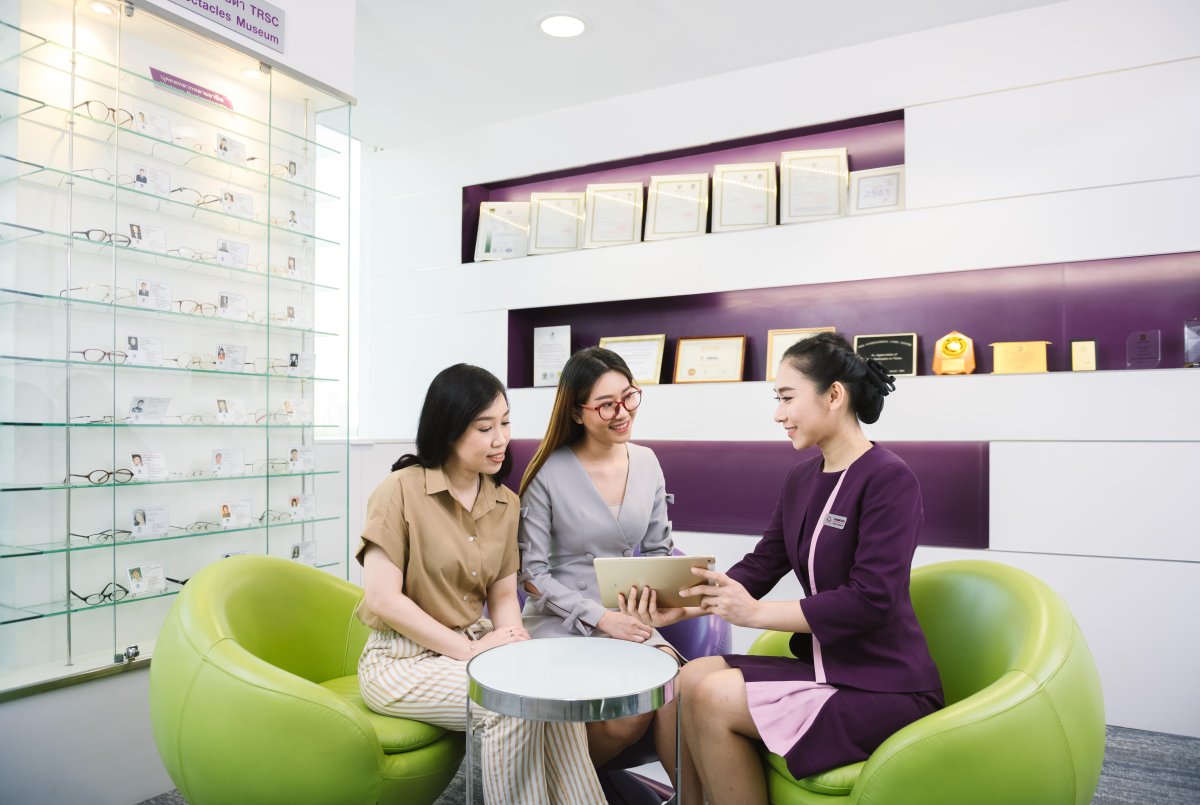


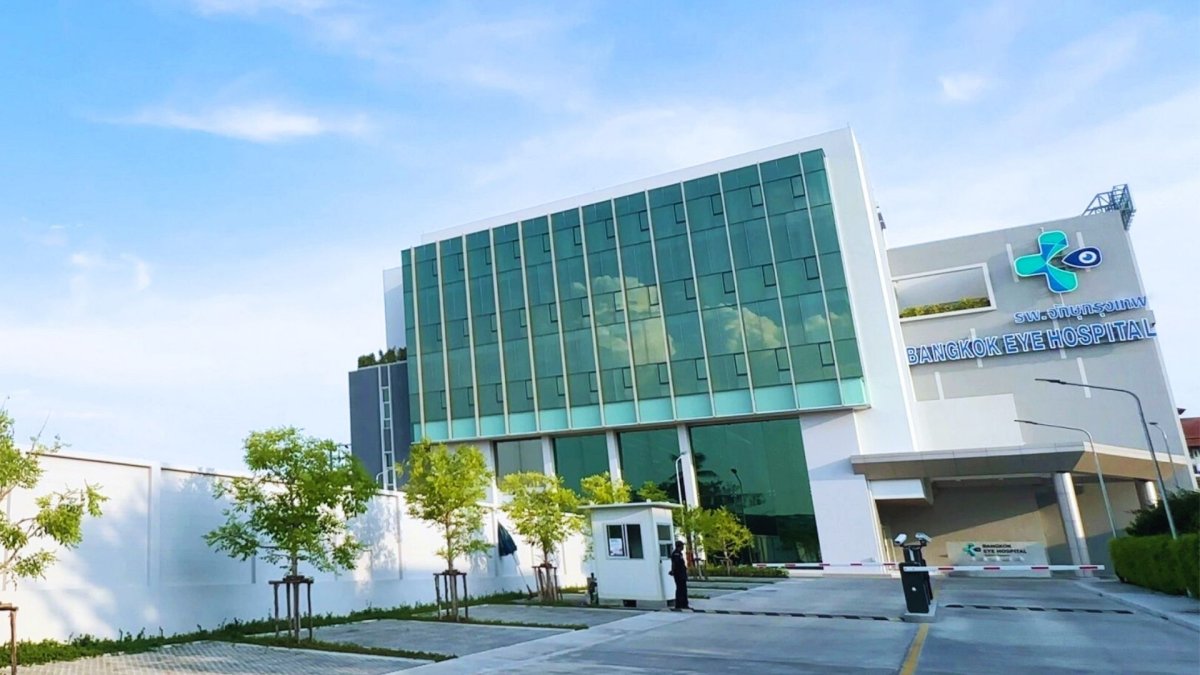
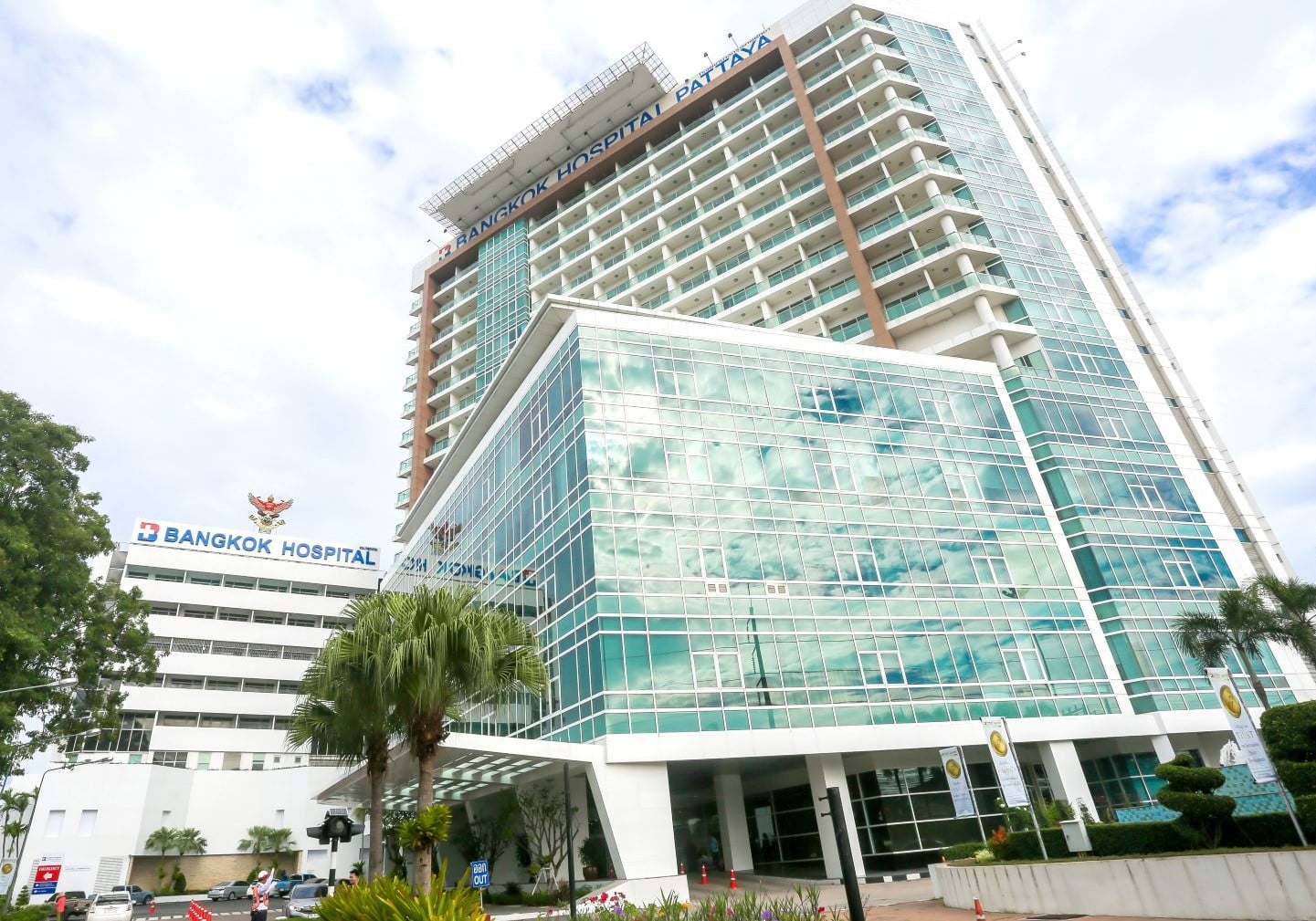
Laser Vision at Bangkok Eye Hospital
Anun Vongthongsri












LASEK eye surgery Overview in Thailand
- LASIK eye surgery - from AUD $3,467The procedure corrects vision by reshaping the cornea using a laser, offering quick, painless, permanent results.
- ReLEx SMILE eye surgery - from AUD $3,618The operation corrects vision errors using a laser, making a small incision, thus ensuring a faster recovery.
- IntraLase Laser Eye Surgery - from AUD $6,784The procedure uses ultra-precise lasers for vision correction, offering blade-free, highly detailed sculpting of the cornea.
- Laser eye surgery - from AUD $3,467This procedure reshapes the cornea to improve vision, using laser. It"s a non-invasive, quick, painless method with fast recovery.
- LASEK eye surgery - from AUD $3,166This operation reshapes the cornea using a laser to improve vision. Almost painless with fast recovery.
- Femtosecond laser - from AUD $4,824This therapy uses ultrafast pulsating light to precisely shape the cornea, improving vision with utmost accuracy.
- Bookimed deposit: $200 or €200.
- Clinic deposit: Pay a set percentage in advance.
Our Trusted Doctors for Australian Patients
View all Doctors
Sasi Yaisawang
Dr. Sasi Yaisawang is an ophthalmologist at Intrarat Hospital in Bangkok. She is a Fellow of the International Council of Ophthalmology (ICO). Dr. Yaisawang earned her medical degree with first-class honors from Chulalongkorn University. She performs LASIK eye surgery and other corrective vision procedures.
- Certified as a Cornea and Refractive Surgery Specialist by the RCOPT.
- Completed medical training at Srinagarind Hospital and Khon Kaen University.
- Holds a certificate in telemedicine from Harvard University School of Medicine.
- Practices at Intrarat Hospital, an ISO 9001:2015-certified medical facility.
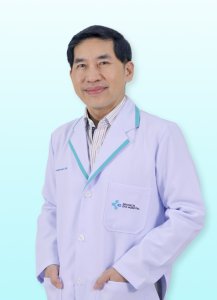
Anun Vongthongsri
Pioneer in refractive surgery – Dr. Vongthongsri was the first Thai and Southeast Asian ophthalmologist trained in Cornea and Refractive Surgery at Washington University.
- Performed thousands of LASIK and Surface Laser procedures
- Director of Cornea and Refractive Surgery Service at Ramathibodi Hospital
- Certified in Refractive Surgery and trains other ophthalmologists
- Founder and Medical Director of Laser Vision

Ponpawee Jindarak
Dr. Jindarak is an ophthalmologist with specialized training in glaucoma and extensive experience in eye care at Intrarat Hospital.
- Graduated from Chulalongkorn University's Faculty of Medicine
- Completed an International Clinical Fellowship in Glaucoma at University of Illinois, Chicago
- Certified in Ophthalmology by Chulalongkorn University
- Specializes in diagnosing and treating various eye and vision conditions

Vivat Komolsuradej
Over 37 years of refractive surgery experience – Dr. Komolsuradej is a leading expert in Thailand for vision correction at Laser Vision Bangkok Eye Hospital.
- Specializes in cornea and refractive surgery
- Former head of Cornea and Refractive Surgery Unit
- Medical lecturer at Khon Kaen University
- Medical Director of Rangsit University Ophthalmology Center
Video Stories from Bookimed Patients
Reviews about Bookimed: Discover Patients' Insights
All reviews
Share this content
 Anna Leonova

FAQ about LASEK eye surgery in Thailand
How can I verify the safety and quality of a LASEK eye surgery clinic in Thailand?
Verify a Thai LASEK clinic by checking international accreditations such as Joint Commission International (JCI). You should also look for Global Healthcare Accreditation (GHA). Check that surgeons hold corneal fellowships from recognised institutions in Australia, the US, or Canada. This helps confirm strict safety standards for surface laser procedures.
- Facility accreditation: Prioritise JCI-accredited centres like Bumrungrad International Hospital or Yanhee International Hospital.
- Quality certifications: Look for ISO 9001:2015 standards held by clinics like Intrarat Hospital.
- Surgeon fellowships: Verify international training from institutions like the University of Toronto or Washington University.
- Specialist credentials: Confirm surgeons are Fellows of the International Council of Ophthalmology (FICO).
- Clinical volume: Select centres like Laser Vision, which has performed 100,000+ successful surgeries.
Bookimed Expert Insight: While many centres offer standard laser surgery, top-tier Thai eye clinics use robotic diagnostics. Specialists like Dr Anun Vongthongsri have performed thousands of surface laser procedures. Choosing a high-volume specialist reduces the risk of long-term healing issues often associated with LASEK.
Am I a suitable candidate for LASEK eye surgery in Thailand rather than LASIK?
LASEK eye surgery in Thailand is typically the safer alternative for patients with thin corneas or chronic dry eyes. It also suits those involved in contact sports. While LASIK uses a corneal flap, LASEK involves surface ablation. This preserves more tissue and removes the lifelong risk of flap dislodgement.
- Corneal thickness: LASEK is preferred when corneas are too thin for a safe LASIK flap.
- Physical activity: No flap creation makes LASEK safer for martial arts or military personnel.
- Dry eye relief: Surface procedures cause less nerve disruption than traditional flap-based LASIK surgery.
Bookimed Expert Insight: Data from Bangkok centres like Laser Vision suggests that specialists often recommend LASEK for high myopia. This leaves a thicker residual stromal bed. Initial recovery takes 4–7 days compared to 24 hours for LASIK. Surgeons like Dr Anun Vongthongsri prioritise long-term structural stability for international patients.
Patient Consensus: Thai surgeons prioritise thorough pre-op topography and thickness tests before recommending LASEK. Patients found the first few days involve more stinging and light sensitivity. However, the long-term results for thin corneas are excellent.
What is the recovery timeline for LASEK eye surgery in Thailand?
Full visual stabilisation after LASEK in Thailand typically takes 3 to 6 months. Recovery is slower than LASIK because surgeons loosen the corneal surface instead of cutting a flap. Initial healing occurs over 5 days, followed by several weeks of gradual vision sharpening.
- Peak healing: Surface regeneration occurs during days 1 to 3 with significant light sensitivity.
- Lens removal: Surgeons at Yanhee International Hospital remove protective bandage lenses around day 5.
- Functional vision: Most patients resume driving and desk work within 1 to 2 weeks.
- Water safety: Avoid swimming and keep tap water out of eyes for 4 weeks.
- Environmental protection: Wear UV-blocking sunglasses to protect healing corneas from tropical sunlight.
Bookimed Expert Insight: While basic clinics offer LASEK from $2,100, JCI-accredited hubs like Bumrungrad International Hospital offer experienced surgeons. These specialists often manage 1,000,000+ patients annually. This provides a safety buffer for managing the extended surface-healing phase.
Patient Consensus: Expect the first 72 hours in Thailand to be rough with pain and blurriness. Functional recovery takes 5 to 7 days. Treat the surgery as a dedicated medical trip rather than a holiday add-on.
What is the difference between LASIK and LASEK eye surgery in Thailand?
LASIK and LASEK in Thailand differ by how surgeons access the cornea. LASIK creates a hinged flap, while LASEK only softens the surface skin. JCI-accredited clinics in Bangkok typically recommend LASEK for patients with thinner corneas or dry eyes.
- Surgical approach: LASIK uses a laser to create a thick corneal flap.
- Surface technique: LASEK use an alcohol solution to move the ultra-thin epithelium without a flap.
- Recovery pace: LASIK offers faster clarity. LASEK needs 3–7 days for epithelial regrowth.
- Suitability: LASEK is safer for high-impact sports. It removes the risk of flap displacement.
- Itinerary impact: LASEK patients stay 3–5 days to have bandage lenses removed.
Bookimed Expert Insight: LASEK is often seen as the secondary choice. However, clinics like Laser Vision at Bangkok Eye Hospital use diagnostics to determine corneal limits. Clinicians there often favour LASEK for Australians with active lifestyles. This is because it preserves more corneal structural integrity than standard LASIK.
Patient Consensus: Patients suggest choosing a clinic based on a surgeon's assessment rather than marketing. They recommend confirming post-operative milestones and telehealth follow-up availability before returning to Australia.
How long do I need to stay in Thailand after my LASEK eye surgery?
Patients should plan to stay in Thailand for 7 to 14 days after LASEK eye surgery. Surface laser procedures require the corneal surface to regenerate. This makes the recovery timeline longer than traditional LASIK. Surgeons usually require a follow-up appointment on day 5 to remove protective bandage contact lenses.
- Healing window: Plan 3–5 days of rest in dark, screen-free environments while cells regenerate.
- Bandage removal: Surgeons must remove the protective contact lens before patients are cleared to fly.
- Cabin air: Low humidity in aeroplane cabins causes intense pain and delays corneal wound healing.
- Activity limits: Avoid swimming pools and oceans for 3–4 weeks to prevent serious bacterial infections.
- Travel safety: UV-blocking sunglasses are essential to protect healing eyes from Thailand’s intense tropical sun.
Bookimed Expert Insight: While LASIK recovery is fast, centres like Laser Vision at Bangkok Eye Hospital specialise in surface laser techniques. Their surgeons, such as Dr Anun Vongthongsri, have performed thousands of procedures. They typically recommend a full week before flying. This buffer ensures the cornea is stable enough to handle pressurised cabin air without complications.
Patient Consensus: The first 2–4 days involve significant light sensitivity and watering eyes. Staying in Bangkok until the bandage lens removal makes the flight home much more comfortable.
Which are the top-rated clinics for LASEK eye surgery in Thailand?
Top-rated clinics for LASEK in Thailand include Laser Vision at Bangkok Eye Hospital, Bumrungrad International, and Intrarat Hospital. These Bangkok facilities hold international accreditations such as JCI and AACI. They specialise in surface laser techniques like LASEK and TransPRK for patients with thinner corneas.
- Laser Vision Centre: Specialist eye hospital holding AACI accreditation for refractive surgery standards.
- Bumrungrad International: JCI-accredited facility serving 50% international patients from over 190 countries annually.
- Intrarat Hospital: Features ISO 9001:2015 certification and modern diagnostic tech for surface laser mapping.
- Dr Anun Vongthongsri: Leading specialist at Laser Vision who has performed thousands of laser procedures.
- Yanhee International: Trusted general hospital with JCI accreditation and long-standing ISO certification since 2000.
Bookimed Expert Insight: General hospitals like Yanhee offer reliable care. However, dedicated centres like Laser Vision provide higher surgeon density. Dr Anun Vongthongsri, Dr Vivat Komolsuradej, and Dr Wiwan Sansanayudh all specialise in corneal surgery at this site. This ensures deep expertise in complex LASEK cases.
Patient Consensus: Patients in Thailand recommend choosing dedicated eye hospitals over general facilities for laser procedures. They value surgeons with international fellowships. They also prefer clinics with clear protocols for dry-eye management and remote follow-up support.