



21 years of experience
Labiaplasty with Light Sedation — Private Recovery Room & Full Board
Labiaplasty in Thailand typically costs between AUD $1,700 / ฿40,800 and AUD $2,000 / ฿47,600. Pricing depends on the surgical technique, the surgeon’s experience, and the clinic’s location in hubs like Bangkok or Phuket. Patients save around 79% by travelling to Thailand from Australia, where this procedure costs AUD $9,000 / ฿214,200 on average. Packages often include hospitalisation, medications, and specialized follow-up care.
Bookimed Expert Insight: Paying for a comprehensive hospital package often provides better value than standalone clinic rates. For instance, Lelux Hospital offers packages around A$3,300. This includes absorbable sutures and two days of hospitalisation for enhanced privacy. Specialists like Dr Sirote Sukkasem have 35+ years of experience. They focus exclusively on female anatomy to ensure natural-looking outcomes.
| Thailand | Turkey | South Korea | |
| Labiaplasty | from AUD $1,700 / ฿40,800 | from AUD $2,100 / ฿51,000 | from AUD $4,300 / ฿102,000 |
| Scarless labiaplasty | ≈ AUD $2,100 / ฿51,000 | from AUD $2,800 / ฿68,000 | ≈ AUD $3,100 / ฿74,800 |
| Non-surgical labiaplasty | ≈ AUD $1,600 / ฿37,400 | from AUD $1,300 / ฿30,600 | ≈ AUD $1,000 / ฿23,800 |
| Labia Reduction | from AUD $2,000 / ฿47,600 | from AUD $1,800 / ฿44,200 | ≈ AUD $2,600 / ฿61,200 |
| Labia Majora Augmentation With Hyaluronic Acid Filler | from AUD $1,400 / ฿34,000 | from AUD $800 / ฿19,000 | ≈ AUD $850 / ฿20,400 |
Dr Phatcharasak Kraisornphongsakul Md is a highly sought-after plastic surgeon in Bangkok, boasting a remarkable success rate of 97% for labiaplasty procedures.
Dr. Tanongsak Panyawirunroj is a leading plastic surgeon at Asia Cosmetic Hospital in Bangkok. He has performed 15,000+ operations throughout his career. Dr. Tanongsak specializes in transformative procedures like rhinoplasty and sexual reassignment surgery. He completed fellowships in the US, Canada, South Korea, and Taiwan.
Dr. Thanakom Laisakul is a plastic surgeon at Asia Cosmetic Hospital in Bangkok. He is a member of the International Society of Aesthetic Plastic Surgery (ISAPS). He specializes in breast aesthetics, body contouring, and facial rejuvenation. Dr. Laisakul trained at Mahidol University and held a leadership role at Trang Hospital.
Dr. Shananya Varophas is a versatile plastic surgeon at Wansiri Hospital in Bangkok. She graduated with first-class honors from Thammasat University. Dr. Varophas focuses on facial aesthetics, breast surgery, and body contouring. She treats patients at a center with 99% success rates for major aesthetic procedures.
When considering Labiaplasty, it’s important to understand the different techniques and which is best suited for you. Here’s a concise comparison of popular options:
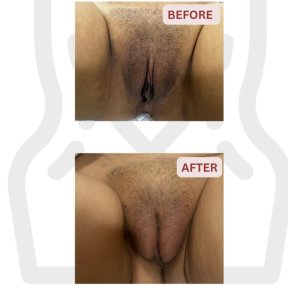
A surgical procedure designed to reshape and reduce the size of the labia minora or majora.
A minimally invasive procedure to reshape the labia without visible scarring.
Non-surgical labiaplasty is a procedure to reshape or reduce the labia using non-invasive methods.
Labiaplasty in Thailand carries standard surgical risks. These include infection, bleeding, scarring, and temporary sensation changes. Safety is maintained through JCI-accredited facilities such as Asia Cosmetic Hospital. Specialists like Dr Sirote Sukkasem at Lelux Hospital have over 35 years of experience in female reconstructive surgery.
Bookimed Expert Insight: Many Australian patients focus on surgeon skill. However, the A$3,000–A$3,200 packages often include 24-hour monitoring in private suites. This is vital because immediate post-op swelling needs professional management that a hotel room cannot provide.
Patient Consensus: Patients in Thailand report feeling highly supported by professional staff and surgeons who ensure clear communication. They recommend being prepared for significant post-op tightness. They also suggest planning for a slow, careful recovery process abroad.
Most patients spend 10 to 14 days in Thailand for safe healing after a labiaplasty. This allows for 1–2 nights in hospital plus a follow-up appointment within 10 days. Specialist centres like Lelux Plastic Surgery Hospital often use absorbable sutures to simplify recovery.
Bookimed Expert Insight: While basic clinics offer day surgery, major hospitals in Bangkok like Lelux include 2 nights of inpatient care. This allows Dr Sirote Sukkasem or other specialists to personally monitor early swelling before discharge.
Patient Consensus: Patients in Thailand found the professional communication from surgeons reassuring when making decisions about intimate surgery. The kindness of the hospital staff and high standard of clinic facilities made recovery feel more comfortable.
Labiaplasty recovery in Thailand usually involves a 7 to 10-day stay for initial healing and follow-up. Patients focus on managing swelling during the first 72 hours. Most return to light work within 1 week. Full internal healing and final results usually take 4 to 6 months.
Bookimed Expert Insight: Data shows that 1 to 2-night hospital stays are standard in high-tier Thai clinics. This differs from many Western outpatient models. For Australian patients, this monitoring by staff at Lelux Hospital provides safety during peak swelling.
Patient Consensus: Patients in Thailand highlight that the first week is the most uncomfortable for sitting and walking. They suggest bringing loose cotton clothing. They also recommend using warm water rinses for hygiene for a smoother recovery.
Surgeons in Thailand use trim, wedge, and laser techniques to reshape the labia minora for symmetry. Specialists like Dr Sirote Sukkasem at Lelux Hospital also provide full vaginal repair and reconstructive procedures. They use absorbable sutures and light sedation for these treatments.
Bookimed Expert Insight: Clinics like B.Care Medical Center and Sikarin Hospital are large facilities serving over 22,000 to 255,000 patients annually. These high-volume centres often include 1–2 days in private hospital suites within the surgical price. This is rarely included in Western outpatient settings.
Patient Consensus: Patients in Thailand report feeling supported by surgeons who spend time discussing shape and projection goals. The hospital experience stands out for its high standards and clear communication from clinical staff.
Patients must avoid tampons and swimming for 4–6 weeks after labiaplasty in Thailand. Dr Sirote Sukkasem at Lelux Hospital uses absorbable sutures. These need a dry environment to heal without infection or tearing.
Bookimed Expert Insight: While basic labiaplasty costs from $1,200, choosing packages with telehealth follow-ups is smart for Australians. These video check-ups allow your surgeon to clear you for swimming before you fly home.
Patient Consensus: Patients in Thailand found that loose cotton underwear and pads managed spotting comfortably. They suggest scheduling recovery time to avoid the temptation of beach or pool activities.
Patients in Thailand are typically permitted to shower 24 to 72 hours following a labiaplasty. Specialist surgeons at accredited Bangkok clinics provide specific clearance. They base this on healing progress and the surgical technique used. Clinics often cited include Wansiri Hospital or Asia Cosmetic Hospital.
Bookimed Expert Insight: Thai clinics like Lelux Hospital often include a 1–2 day hospital stay. This is a major advantage for recovery. Clinical staff manage your first post-operative wash. They also help keep the area clean before you return to your hotel.
Patient Consensus: Many women in Thailand report showering within a day. They often recommend using a handheld shower for better control. Patients found that patting the area dry helped reduce discomfort during the first week.