4 Best Glaucoma treatment Clinics in Thailand — AUD Prices


Medically reviewed by
Fahad Mawlood
How Much Does Glaucoma treatment Cost in Thailand in AUD?
Glaucoma treatment in Thailand typically costs between AUD $820 / ฿18,700 and AUD $3,900 / ฿88,400. Final figures depends on the surgical technique, facility tier, and whether one or both eyes require intervention. Standard medical packages generally include surgeon fees, basic diagnostics, and immediate follow-up visits in hubs like Bangkok and Pattaya.
- Laser iridotomy: AUD $600 / ฿13,600 to AUD $970 / ฿22,100 for treating narrow-angle glaucoma.
- Laser trabeculoplasty: AUD $1,300 / ฿30,600 to AUD $2,100 / ฿47,600 to improve fluid drainage in the eye.
- Trabeculotomy: AUD $3,400 / ฿78,200 to AUD $6,400 / ฿146,200 for surgical opening of drainage canals.
- Stem cell therapy: packages typically start around A$9,500 for regenerative protocols in Bangkok.
- Hospital tier premium: top-tier facilities in Bangkok often charge 15–20% more than regional centres.
Bookimed Expert Insight: Choosing a specialized eye centre offers significant value. Laser Vision at Bangkok Eye Hospital provides focused care with dedicated specialists like Dr Yanin Suwan. Larger institutions like Bumrungrad International Hospital are accredited by JCI and GHA, which audits clinics against international quality standards. These facilities utilize AI and digital imaging to personalize treatment plans for complex cases.
| Thailand | Turkey | |
|---|---|---|
| Glaucoma treatment | from AUD $820 / ฿18,700 | from AUD $3,000 / ฿68,000 |
| Trabeculotomy | ≈ AUD $3,400 / ฿78,200 | from AUD $3,000 / ฿68,000 |
| Laser trabeculoplasty | ≈ AUD $1,300 / ฿30,600 | from AUD $1,200 / ฿27,200 |
| Laser iridotomy | ≈ AUD $600 / ฿13,600 | ≈ AUD $600 / ฿13,600 |
Your Benefits and Guarantees with Bookimed
Transparent Prices & Flexible Installments
No hidden fees – just official clinic prices. Pay at the clinic for Glaucoma treatment upon arrival and use a flexible instalment plan if needed.
Verified Clinics & Doctors Only
Bookimed is committed to your safety. We only work with medical institutions that maintain high international standards in Glaucoma treatment and have the necessary licenses to serve international patients worldwide.
Free 24/7 Assistance
Bookimed offers free expert assistance. A personal medical coordinator supports you before, during, and after your treatment, solving any issues. You're never alone on your Glaucoma treatment journey.

Your personal Bookimed medical coordinator
- Supports you at every stage
- Helps choose the right clinic and doctor
- Ensures quick and convenient access to information
Best Glaucoma treatment Clinics in Thailand for Australians: 4 Verified Options and AUD Prices











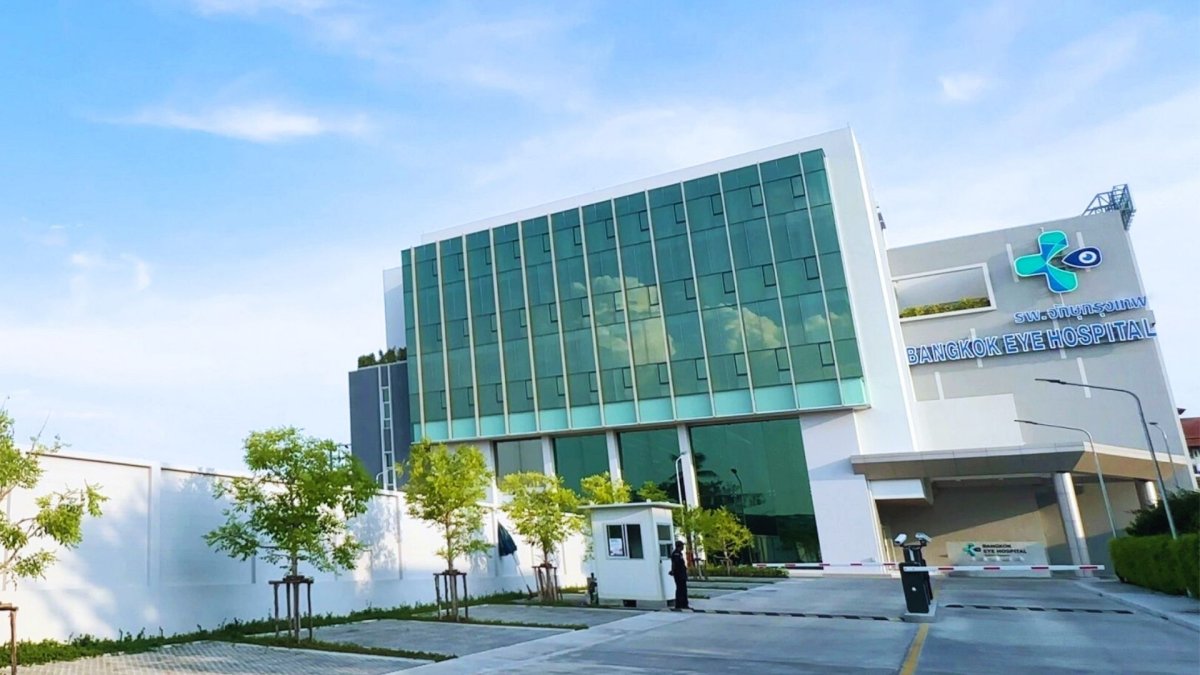
Laser Vision at Bangkok Eye Hospital
Wiwan Sansanayudh


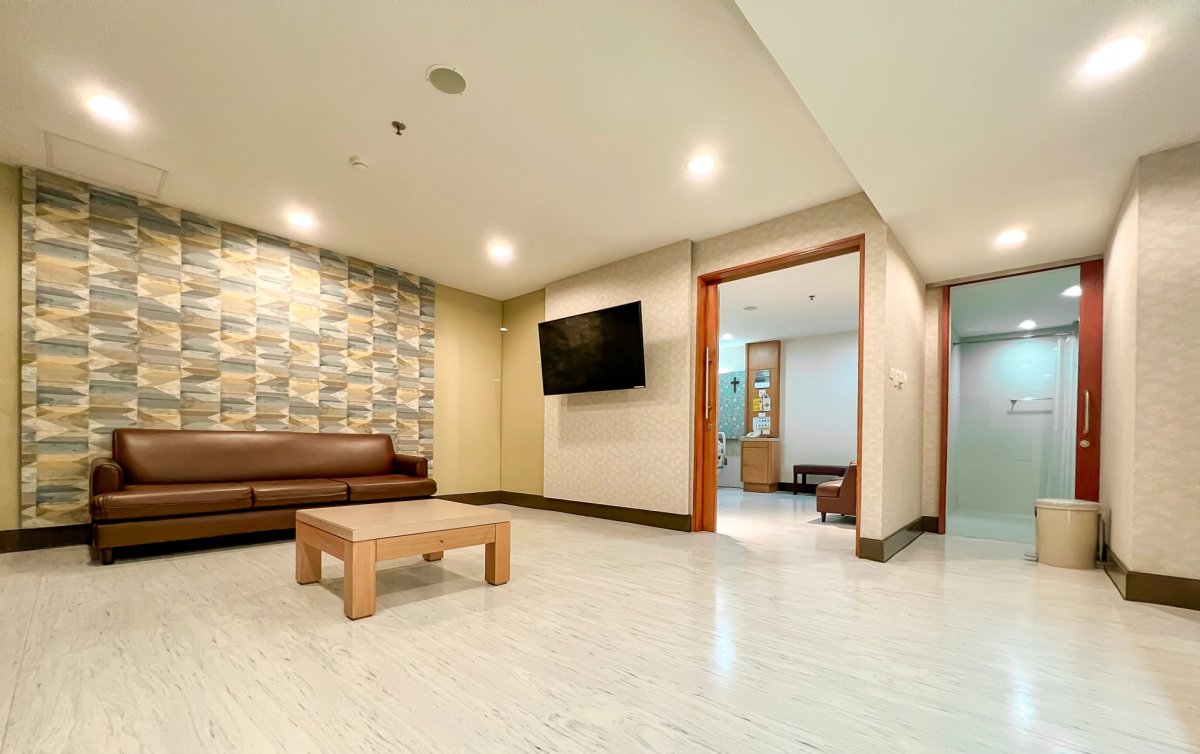
Bangkok Christian Hospital (BCH)
Glaucoma treatment Overview in Thailand
- Glaucoma treatment - from AUD $819The procedure aims to lower eye pressure, involving medication, lasers or surgery, to prevent optic nerve damage.
- Bookimed deposit: $200 or €200.
- Clinic deposit: Pay a set percentage in advance.
Our Trusted Doctors for Australian Patients
View all Doctors
Ponpawee Jindarak
Dr. Jindarak specializes in glaucoma treatment with advanced training from the University of Illinois, Chicago – one of the top ophthalmology programs in the US.
- Board-certified ophthalmologist with expertise in glaucoma
- International fellowship trained at Illinois Eye and Ear Infirmary
- Graduated from Chulalongkorn University – Thailand's leading medical school
- Performs comprehensive diagnostics and tailored treatment plans

Theppachai Thammikasakul
Dr. Thammikasakul specializes in glaucoma treatment with advanced training in corneal and refractive surgery at Khonkaen University.
- Board-certified ophthalmologist with expertise in complex eye conditions
- Fellowship-trained in corneal and refractive surgery techniques
- Practices at Intrarat Hospital, a specialized eye care center
Wiwan Sansanayudh
Dr. Sansanayudh brings international expertise in corneal surgery, trained at top institutions like Toronto Western Hospital and UCSF.
- Specializes in cornea and refractive surgery
- Clinical fellowship at University of Toronto
- Faculty member at Phramongkulklao Hospital
- Published in international ophthalmic journals

Yanin Suwan
Assoc. Prof. Dr. Yanin Suwan specializes in glaucoma surgery and contributes to research on rare angle-closure mechanisms.
- Practices glaucoma, general ophthalmology, and cataract treatments
- Affiliated with Ramathibodi Hospital, Mahidol University
- Published work on glaucoma and OCT angiography
- Researches angle-closure mechanisms in pseudophakic eyes
Video Stories from Bookimed Patients
Reviews about Bookimed: Discover Patients' Insights
All reviews
Share this content
 Anna Leonova

FAQ about Glaucoma treatment in Thailand
How should I coordinate my follow-up glaucoma care in Australia after surgery in Thailand?
Coordinating follow-up care requires a medical transfer package from the Thai team. You must also book an urgent appointment with an Australian ophthalmologist. Specialists at JCI-accredited facilities like Bumrungrad International Hospital provide English reports. Laser Vision at Bangkok Eye Hospital also offers these essential reports.
- Clinical documentation: Bring your operative report, baseline pressure readings, and optic nerve scans.
- Medication records: List exact anti-scarring agents and current eye drop schedules used.
- Referral pathway: Visit an Australian GP or optometrist immediately for an urgent specialist referral.
- Specialist booking: Prioritise private ophthalmologists for faster access to intraocular pressure monitoring.
- Device details: Provide the brand and model if using drainage implants or stents.
Bookimed Expert Insight: Thai specialists often hold international fellowships. For example, Dr Ponpawee Jindarak at Intrarat Hospital trained in the USA. Choosing a surgeon with these credentials aligns your treatment with Australian standards. This helps your local ophthalmologist manage your post-operative recovery comfortably.
Patient Consensus: Patients recommend booking your Australian specialist appointment before flying home. This helps make sure you have seamless monitoring. They also suggest keeping all Thai medication containers to help Australian doctors verify your exact treatment.
What are the clinical success rates for glaucoma care in Thailand?
Clinical success rates for glaucoma care in Thailand range from 60% to 86%. This depends on the procedure and patient profile. Laser therapy as a primary treatment shows a 78.9% success rate. Filtering surgery maintains a long-term cumulative success of 65.9% at JCI-accredited hospitals in Bangkok.
- Laser response rate: Primary laser trabeculoplasty achieves 78.9% efficacy in reducing eye pressure.
- Surgical success rate: Traditional trabeculectomy with Mitomycin C maintains 65.9% success over 8 years.
- Device-assisted outcomes: Glaucoma drainage implants show 65.8% long-term success for primary glaucoma cases.
- Younger patient success: Juvenile patients achieve 80% to 81.5% success over 3 years.
Bookimed Expert Insight: Success rates for complex cases are higher at centres like Laser Vision at Bangkok Eye Hospital. These facilities use AI and OCT angiography diagnostics to track progress. Clinicians like Dr Ponpawee Jindarak hold fellowships from the University of Illinois. This bridges the gap between Thai surgical volume and international clinical standards.
Patient Consensus: Success rates vary by clinic. Ask surgeons for their personal pressure control and reoperation figures. Patients found that arranging telehealth follow-ups was vital for managing long-term eye health.
Which are the top hospitals for glaucoma treatment in Thailand?
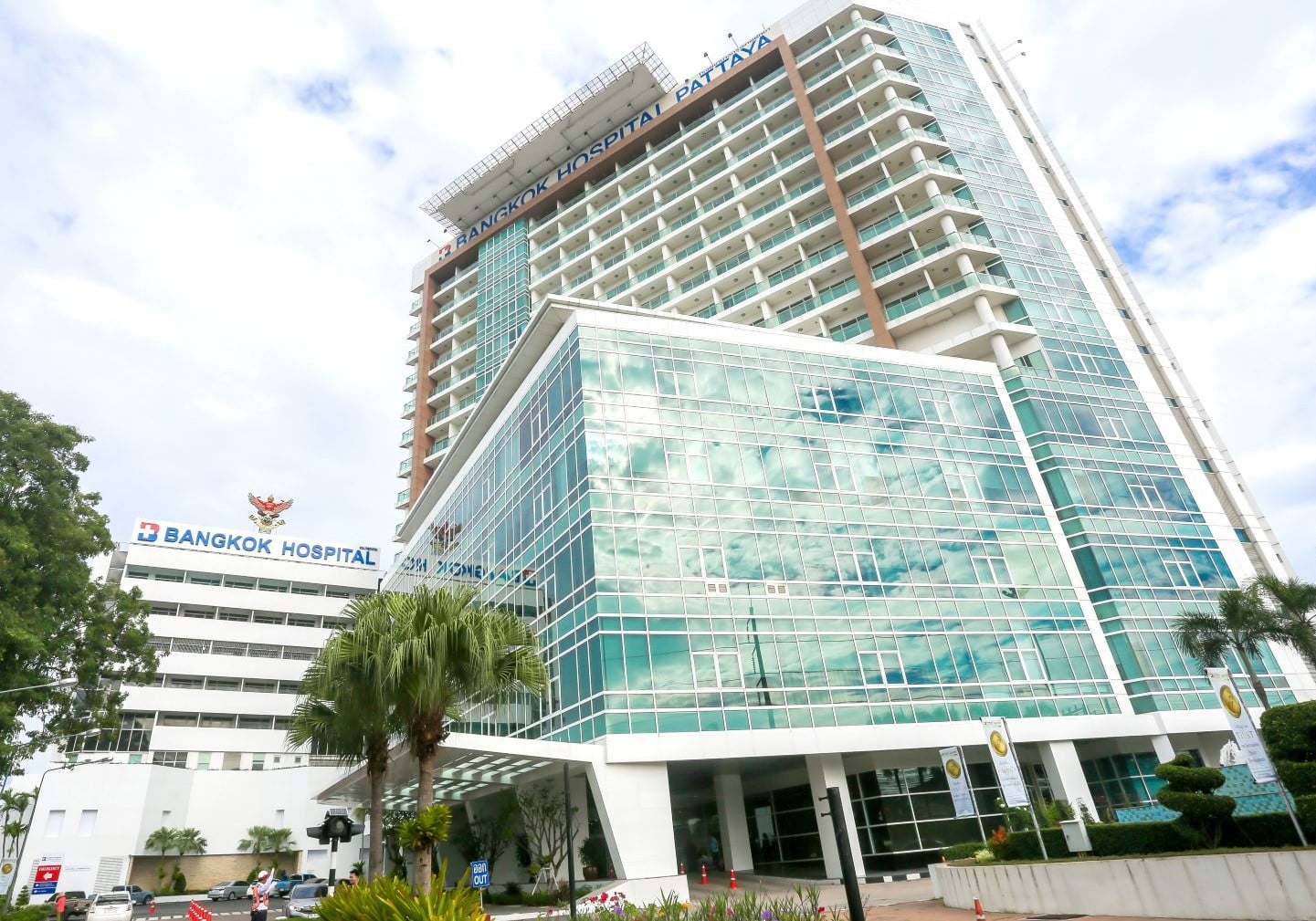
Top Thai hospitals for glaucoma treatment include Bumrungrad International Hospital, Laser Vision at Bangkok Eye Hospital, and Bangkok Hospital Pattaya. These JCI-accredited facilities specialise in diagnostics and microinvasive surgeries. They feature subspecialists like Associate Professor Yanin Suwan and fellowship-trained glaucoma surgeons.
- Bumrungrad International: Uses AI-driven diagnostics and serves over 500,000 international patients annually.
- Laser Vision: Features dedicated subspecialist centres and has performed 100,000+ successful eye surgeries.
- Bangkok Hospital Pattaya: Operates as the primary diagnostic hub for Thailand’s eastern coast.
- Specialist expertise: Dr Ponpawee Jindarak at Intrarat Hospital holds a US-based glaucoma clinical fellowship.
Bookimed Expert Insight: Many general clinics offer eye tests. However, specialists like Dr Yanin Suwan at Laser Vision focus specifically on angle-closure research. Choosing a subspecialist at a major tertiary centre provides access to surgical techniques like trabeculotomy.
Patient Consensus: Success in Thailand depends on shortlisting university-affiliated hospitals with dedicated ophthalmology wings. Patients value facilities that provide on-site OCT and visual field testing for precise monitoring.
What advanced glaucoma treatment options are available in Thai eye clinics?
Eye clinics in Thailand provide glaucoma treatments ranging from non-invasive laser therapies to complex micro-surgeries. JCI-accredited facilities like Bumrungrad International Hospital and Bangkok Eye Hospital use AI diagnostics. They use specialised laser iridotomy or trabeculoplasty to lower intraocular pressure and preserve vision.
- Laser therapies: Procedures like laser iridotomy cost from $400 to $650.
- Surgical options: Trabeculotomy surgery ranges from $2,300 to $4,300.
- Expert specialists: Dr Yanin Suwan at Bangkok Eye Hospital leads research in glaucoma mechanisms.
- Clinical experience: Dr Manchima Makornwattana at Bumrungrad has performed thousands of successful eye surgeries.
Bookimed Expert Insight: Thailand is a major regional hub for medical eye care. Hospitals like Bangkok Hospital Pattaya and Bumrungrad serve over 1,000,000 patients annually. Highly specialised surgeons often hold international fellowships from American or Canadian universities. This academic background means they stay current with the latest surgical protocols for glaucoma cases.
Patient Consensus: Patients value receiving thorough diagnostic reports in English. They suggest confirming that a dedicated glaucoma subspecialist conducts the evaluation. It is helpful to arrange follow-up pressure checks with a local Australian specialist before travel.
How long do I need to stay in Thailand for glaucoma surgery?
Patients should plan to stay in Thailand for 7 to 14 days after glaucoma surgery. Laser procedures require just 2 to 3 days. However, incisional surgeries like trabeculotomy require a full 2-week stay. This allows doctors to monitor eye pressure and healing before patients fly home to Australia.
- Laser procedures: Treatments like laser iridotomy require a 2–3 day stay for pressure monitoring.
- Incisional surgery: Techniques like trabeculotomy require 14 days for stable fluid drainage and healing.
- Clinical clearance: Most surgeons require a final evaluation on day 14 before approving air travel.
- Specialist expertise: Surgeons like Dr Yanin Suwan at Laser Vision perform specialised glaucoma-specific procedures.
Bookimed Expert Insight: Thailand is a major ophthalmic hub, particularly for patients needing complex care. Leading centres like Bumrungrad International Hospital serve over 500,000 international patients annually and hold JCI accreditation. Australian patients can find specialists like Dr Ponpawee Jindarak at Intrarat Hospital. She completed a glaucoma fellowship in the USA, providing Western-standard care at local costs.
What is typically included in a Thai glaucoma surgery package?
Thai glaucoma surgery packages typically cover ophthalmologist fees, theatre use, and local anaesthesia. They also include immediate post-operative care within JCI-accredited hospitals. Bundled procedures cost from $550 to $2,600.
- Specialist fees: Covers board-certified ophthalmologists like Dr. Yanin Suwan at Laser Vision Bangkok.
- Theatre costs: Includes sterile operating suite use and essential surgical materials or consumables.
- Recovery care: Provides immediate monitoring in a recovery bay and a next-day checkup.
- Medication starter: Typically includes antibiotic and anti-inflammatory eye drops for immediate healing.
Bookimed Expert Insight: Thai hospitals often separate diagnostic imaging from surgical bundles. Patients should budget for visual field tests and optical coherence tomography as standalone costs. Laser Vision at Bangkok Eye Hospital uses specialised diagnostics to improve accuracy before surgery starts.
Patient Consensus: Treatment bundles in Thailand focus on the surgical event rather than travel logistics. Patients find value in requesting line-by-line quotes for implants. They also clarify if ongoing medications or remote telehealth reviews carry extra charges.
Are there alternative or herbal treatments for glaucoma available in Thailand?
Thailand does not recognise alternative or herbal treatments as primary cures for glaucoma. Herbal supplements like Ginkgo biloba and forskolin are available. However, the Thailand Food and Drug Administration (TFDA) only permits them as complementary aids. They must be used alongside standard medical therapy to manage eye pressure.
- Herbal status: Herbs used in Thailand may offer neuroprotection but cannot replace pressure-lowering eye drops.
- Medical cannabis: Cannabis is legal but glaucoma is not a primary condition for legal prescriptions.
- Safety risk: Using unproven remedies alone risks permanent vision loss from optic nerve damage.
- Clinical options: Thailand offers laser trabeculoplasty and surgical drainage procedures at JCI-accredited hospitals.
Bookimed Expert Insight: Clinics in Bangkok, such as Laser Vision at Bangkok Eye Hospital, specialise in glaucoma surgery. Subspecialists like Dr Nantinee Vilainerun lead these teams. Hospital data shows that surgery costs from $550. Many patients choose laser trabeculoplasty starting at $900 as a safe, non-invasive alternative to herbal supplements.
Patient Consensus: Patients in Thailand focus on accessing clinical care and licensed ophthalmologists for regular monitoring. Most agree that herbal remedies are unproven and should never replace prescribed pressure-lowering eye drops.