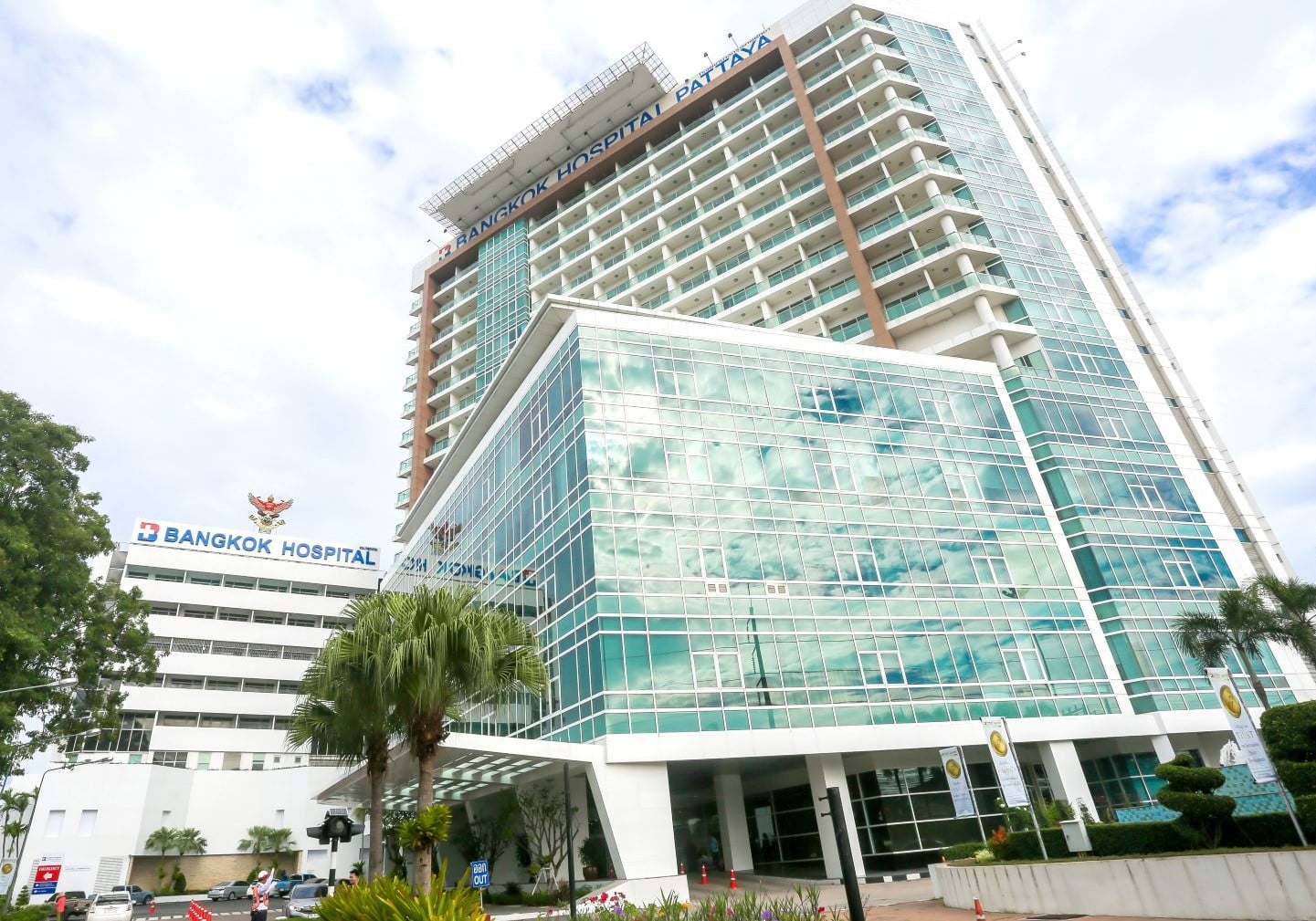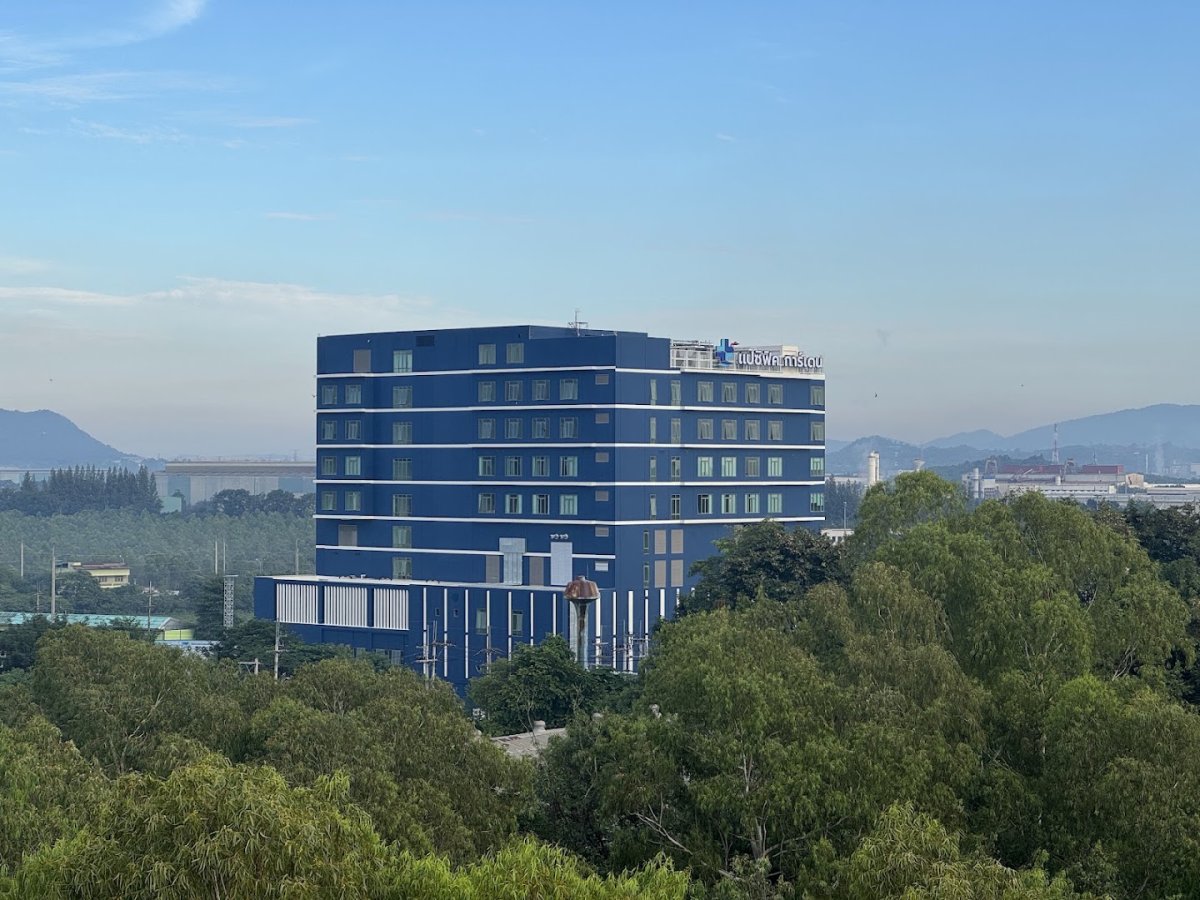
Pacific Garden Hospital
Thailand, Si Racha District

Medically reviewed by
Esra Cabuk Comert
Uterine fibroids treatment cost in Thailand typically involves diagnostics like a pelvic ultrasound from AUD $190 / ฿4,400 to AUD $360 / ฿8,200. Surgical options such as laparoscopic myomectomy range from AUD $6,300 / ฿142,800 to AUD $8,600 / ฿197,200, while complex robotic procedures cost between AUD $11,200 / ฿255,000 and AUD $17,100 / ฿391,000. Total expenses depend on the surgical approach and hospital stay. Patients usually save 50–70% compared to Australian private healthcare prices. Bangkok is the primary hub for these treatments.
Typical Uterine Fibroids Treatment Costs in Thailand
Bookimed Expert Insight: Patients with multiple or large fibroids often find the best value in all-inclusive packages. Intrarat Hospital offers fixed-price surgery bundles that include a 3–4 night stay for better recovery. Those seeking high precision for fertility preservation should consider robotic-assisted options. Bumrungrad International Hospital specialises in these complex cases using advanced robotic technology. For smaller fibroids, Samitivej Thonburi Hospital provides cost-effective laparoscopic packages for international patients.
| Thailand | Turkey | |
|---|---|---|
| Myomectomy (removal of uterine fibroids) | from AUD $8,900 / ฿204,000 | from AUD $3,700 / ฿85,000 |
| Laparoscopic myomectomy | ≈ AUD $6,300 / ฿142,800 | from AUD $7,300 / ฿166,600 |
| Hysteroscopic myomectomy | ≈ AUD $5,200 / ฿119,000 | from AUD $4,500 / ฿102,000 |
| Myomectomy with Robot Da Vinci | ≈ AUD $11,200 / ฿255,000 | from AUD $21,300 / ฿486,200 |
| Hysterectomy with DaVinci robot | ≈ AUD $14,200 / ฿323,000 | from AUD $11,200 / ฿255,000 |



Dr. Poonkiat Punyamitr specializes in reproductive health with advanced training in assisted reproductive technology from Singapore's National University Hospital.

Specializing in obstetrics and gynecology, Dr. Teerakul is dedicated to reproductive health with expertise in diagnosing and treating conditions like uterine fibroids.

Dr. Pornpitak Tangjitnop is the founder of Phayathai Sriracha Hospital in Thailand. He is a regenerative medicine specialist and an obstetrician-gynecologist. Dr. Tangjitnop serves as the Chairman and Medical Director of VAANAA Longevity Bangsaen. He focuses on cellular therapies to reduce inflammation and support tissue repair.
 Anna Leonova
Patients can preserve their fertility with uterine fibroids treatment in Thailand through specialised myomectomy procedures. Surgeons remove fibroids while keeping the uterus intact. They use laparoscopic, hysteroscopic, or Da Vinci robotic techniques. JCI-accredited hospitals in Bangkok provide these fertility-focused surgery options with reproductive specialists.
Bookimed Expert Insight: Thailand’s leading specialists often bridge the gap between surgery and conception. Dr Tanut Jerachotechueantaveechai, for example, is a reproductive medicine expert. He has participated in the Fertility Society of Australia annual conference. This connection to Australian standards helps surgical plans align with the fertility goals patients discuss with their GPs.
Patient Consensus: Patients note it is important to request a written fertility-preserving strategy before surgery. In Thailand, they suggest clarifying how many fibroids the surgeon will remove. This helps prioritise uterine health over simple symptom relief.
Thai surgeons are highly experienced in treating uterine fibroids. Leading specialists in Bangkok and Pattaya perform complex procedures daily. Hospitals like Bumrungrad International Hospital serve over 1,000,000 patients annually. Many surgeons hold certificates in laparoscopic surgery and robotic-assisted techniques from prestigious institutions.
Bookimed Expert Insight: Australian patients often look for general gynaecologists. However, the best Thai outcomes come from specialists with dual certifications. Specialists like Dr Tanut Jerachotechueantaveechai combine reproductive medicine with surgical expertise. This focus is crucial for patients wanting to preserve fertility while removing large fibroids. Selecting a surgeon at a JCI-accredited clinic often indicates higher procedural standards.
Patient Consensus: Patients note that Thailand's private hospitals are well-equipped for minimally invasive surgery. They recommend choosing doctors based on their personal case volume. Patients also suggesting checking the hospital's specific experience with robotic-assisted fibroid removal.
Thailand provides uterine fibroid treatments including laparoscopic, robotic, and hysteroscopic surgery. Major JCI-accredited hubs in Bangkok and Pattaya specialise in uterus-preserving methods. Specialists use the Da Vinci system for high-precision myomectomy. Procedures often require only 3 to 5 small incisions for faster recovery.
Bookimed Expert Insight: Thai hospitals like Bumrungrad International handle massive volumes, serving 1,000,000 patients annually. This high turnover means surgeons often see rare, complex fibroid cases daily. Australian patients benefit from this expertise. Specialists here frequently perform over 200 laparoscopic surgeries each year. This concentrated experience often leads to shorter theatre times and smoother recoveries.
Patient Consensus: Patients note Thailand offers a broad range of options from imaging to surgery. They recommend confirming if a hospital provides specific uterus-sparing techniques before travelling from Australia.
Recovery for uterine fibroid surgery in Thailand typically takes 2 to 6 weeks. Minimally invasive approaches like laparoscopic or robotic surgery often permit a return to work within 14 days. Most patients stay in hospital for 1 to 3 nights before continuing recovery at a hotel.
Bookimed Expert Insight: Thai hospitals like Bumrungrad and Bangkok Hospital Pattaya hold JCI accreditation. This matches high Australian safety standards. Data shows specialists like Dr Sitanan Panunumpa perform over 200 laparoscopic surgeries annually. This high volume often results in more efficient theatre times and smoother post-operative recovery for patients.
Thailand offers uterine fibroids treatment through Joint Commission International (JCI) accredited hospitals. Patients access minimally invasive options like robotic-assisted myomectomy and laparoscopic surgery. These techniques reduce recovery times and preserve fertility. With over 1,000,000 patients annually, major Bangkok centres provide high-standard gynaecological care.
Bookimed Expert Insight: Thai gynaecology specialists often combine high volume with niche expertise. Dr Sitanan Panunumpa performs over 200 laparoscopic surgeries annually. This high frequency helps surgeons maintain exceptional technical skills. Australian patients benefit from doctors like Tanut Jerachotechueantaveechai. He has participated in the Fertility Society of Australia Annual Conference. This shows a strong understanding of Australian medical standards and patient expectations.
Patient Consensus: Patients value rapid access to scans compared to public system wait times. They note that bundling nursing-style support and transfers simplifies recovery in Thailand.