10 Best Alcohol addiction Treatment Clinics in Thailand — AUD Prices

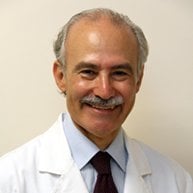
Medically reviewed by
Antonio Russi
What's the Cost of Alcohol addiction Diagnosis and Treatment in Thailand?
Your Benefits and Guarantees with Bookimed
Transparent Prices & Flexible Installments
No hidden fees – just official clinic prices. Pay at the clinic for Alcohol addiction treatment and use a flexible instalment plan if needed.
Verified Clinics & Doctors Only
Bookimed is committed to your safety. We only work with medical institutions that maintain high international standards in Alcohol addiction treatment and have the necessary licenses to serve international patients worldwide.
Free 24/7 Assistance
Bookimed offers free expert assistance. A personal medical coordinator supports you before, during, and after your treatment, solving any issues. You're never alone on your Alcohol addiction treatment journey.

Your personal Bookimed medical coordinator
- Supports you at every stage
- Helps choose the right clinic and doctor
- Ensures quick and convenient access to information
Best Alcohol addiction Treatment Centres in Thailand for Australians: 10 Verified Options and AUD Prices

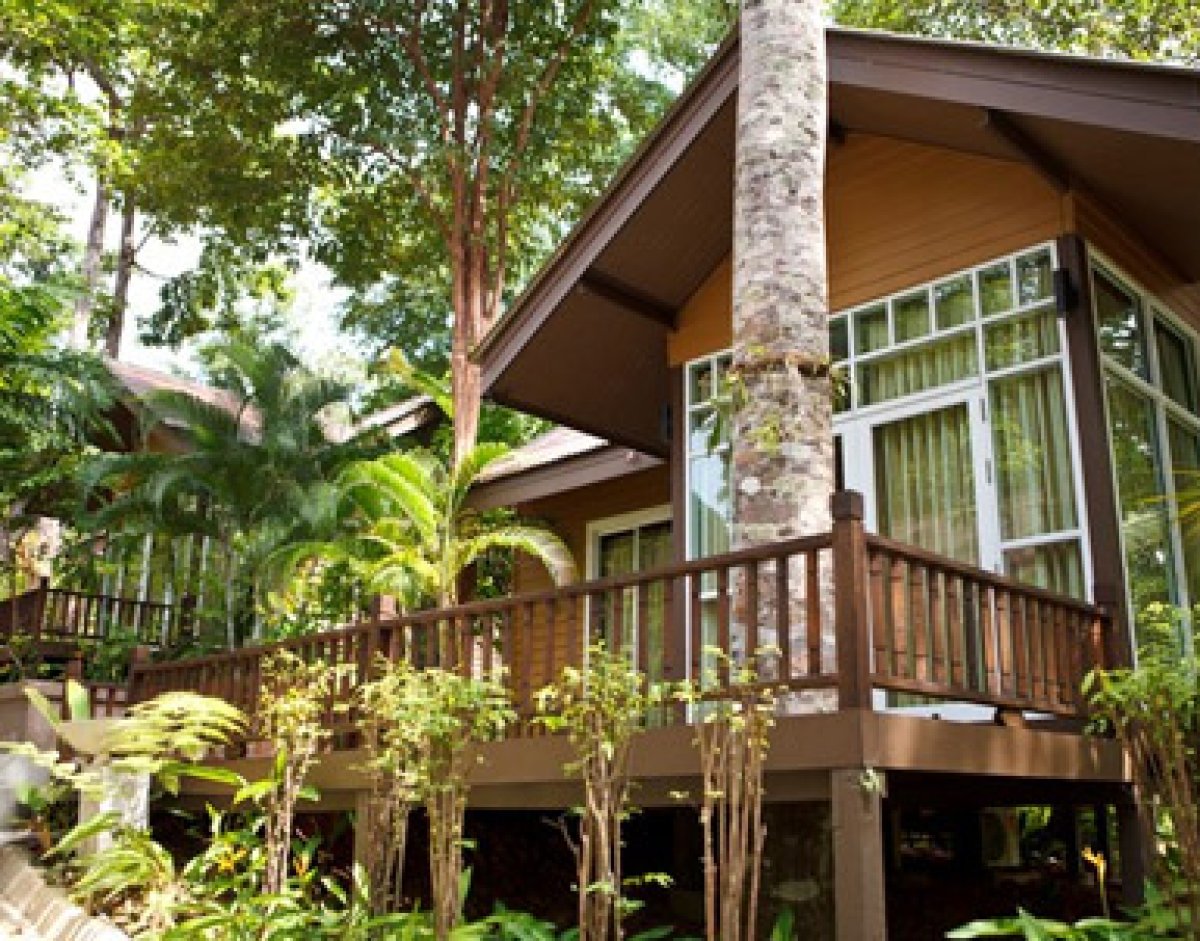

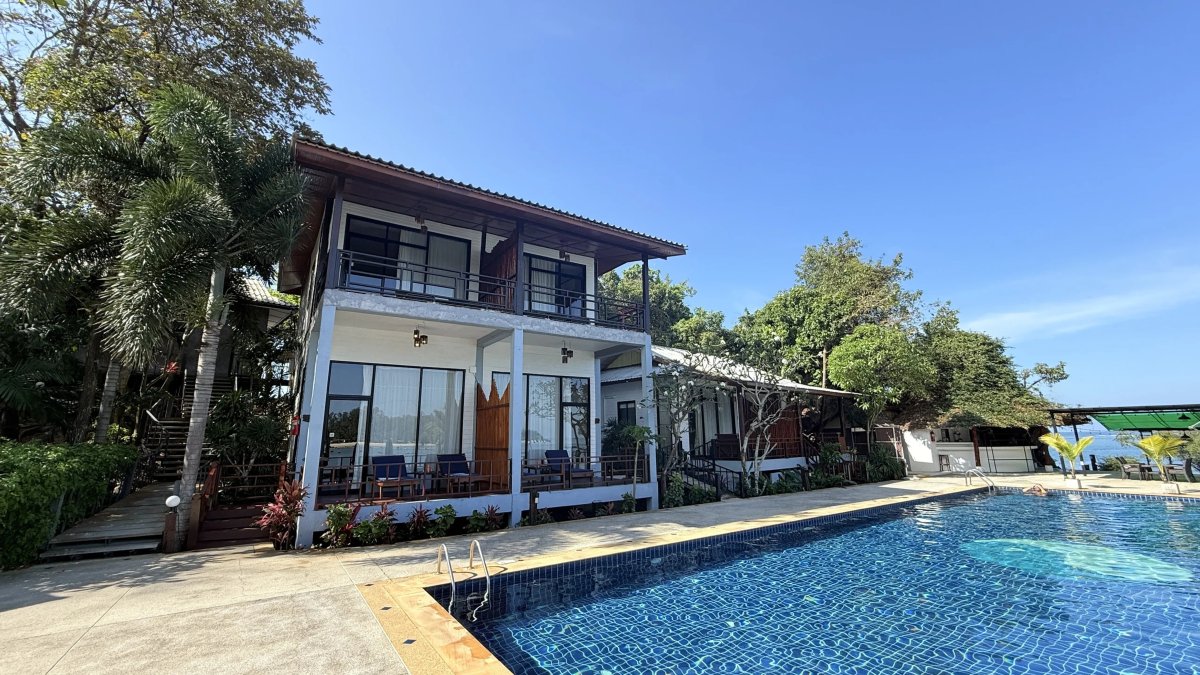
The Beekeeper House
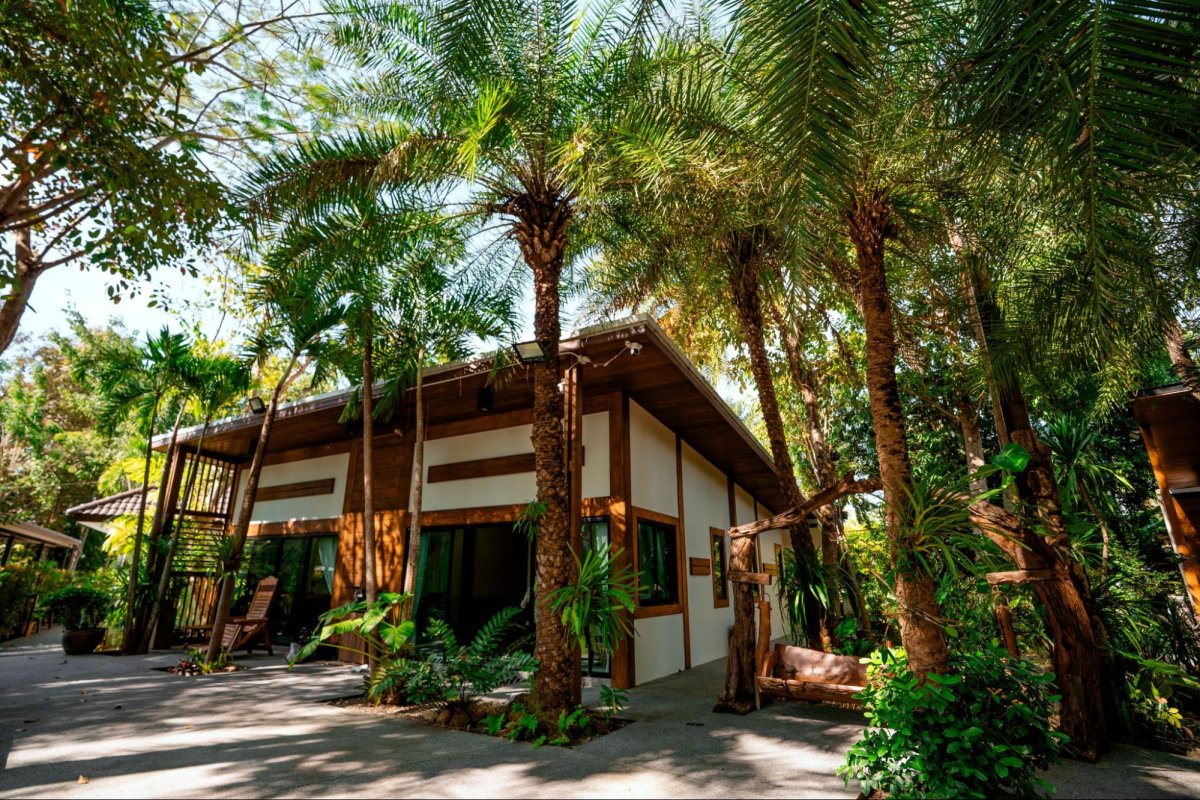
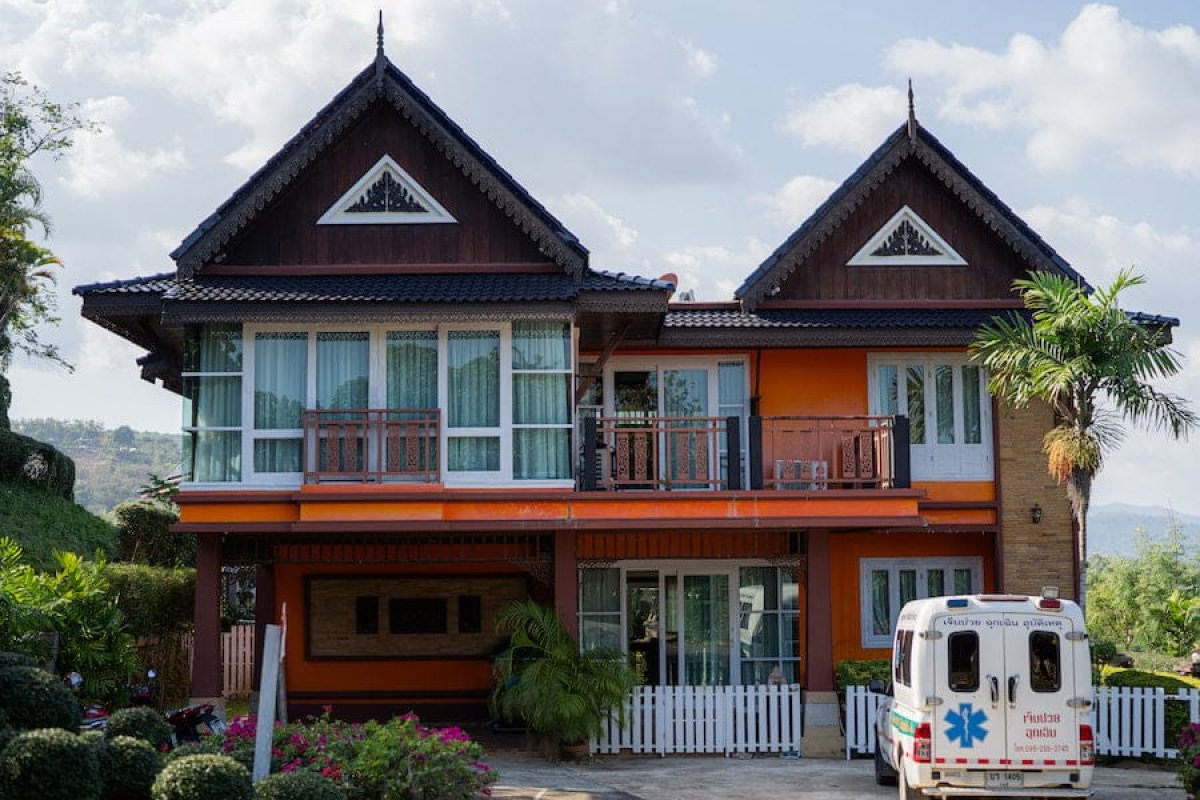
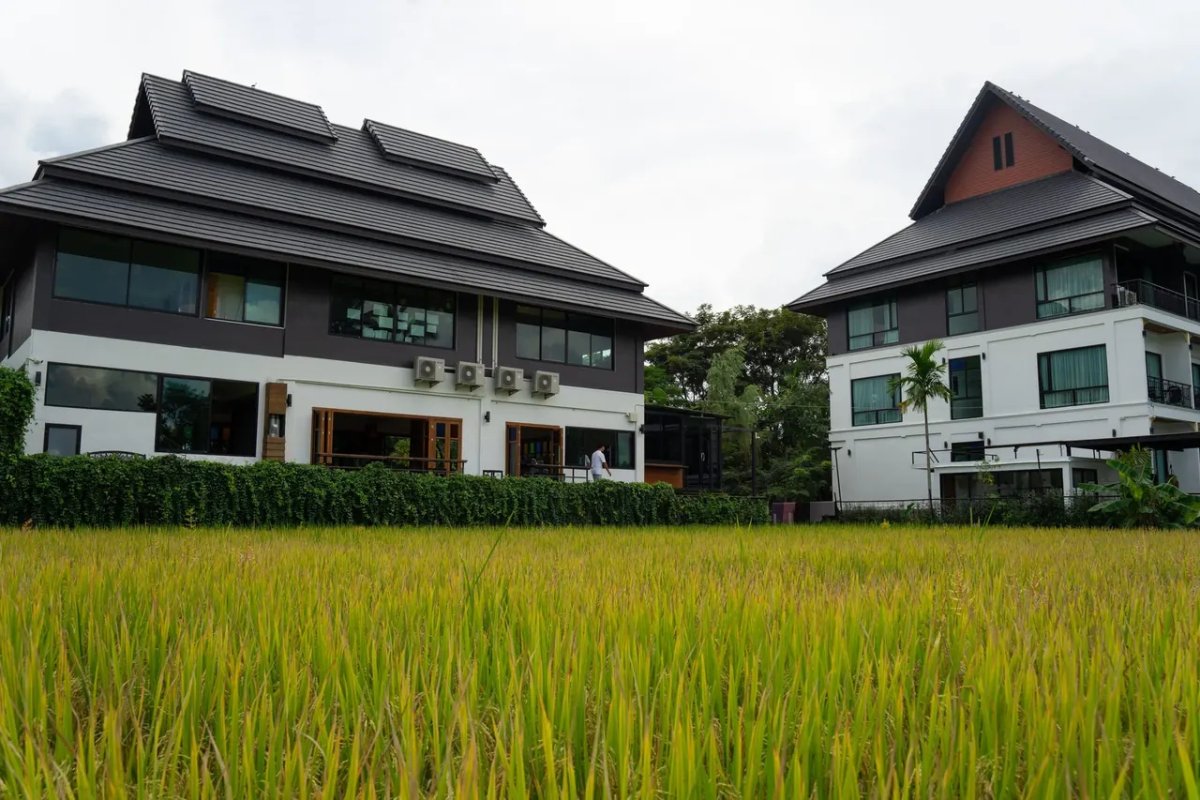
Phuket Island Rehab
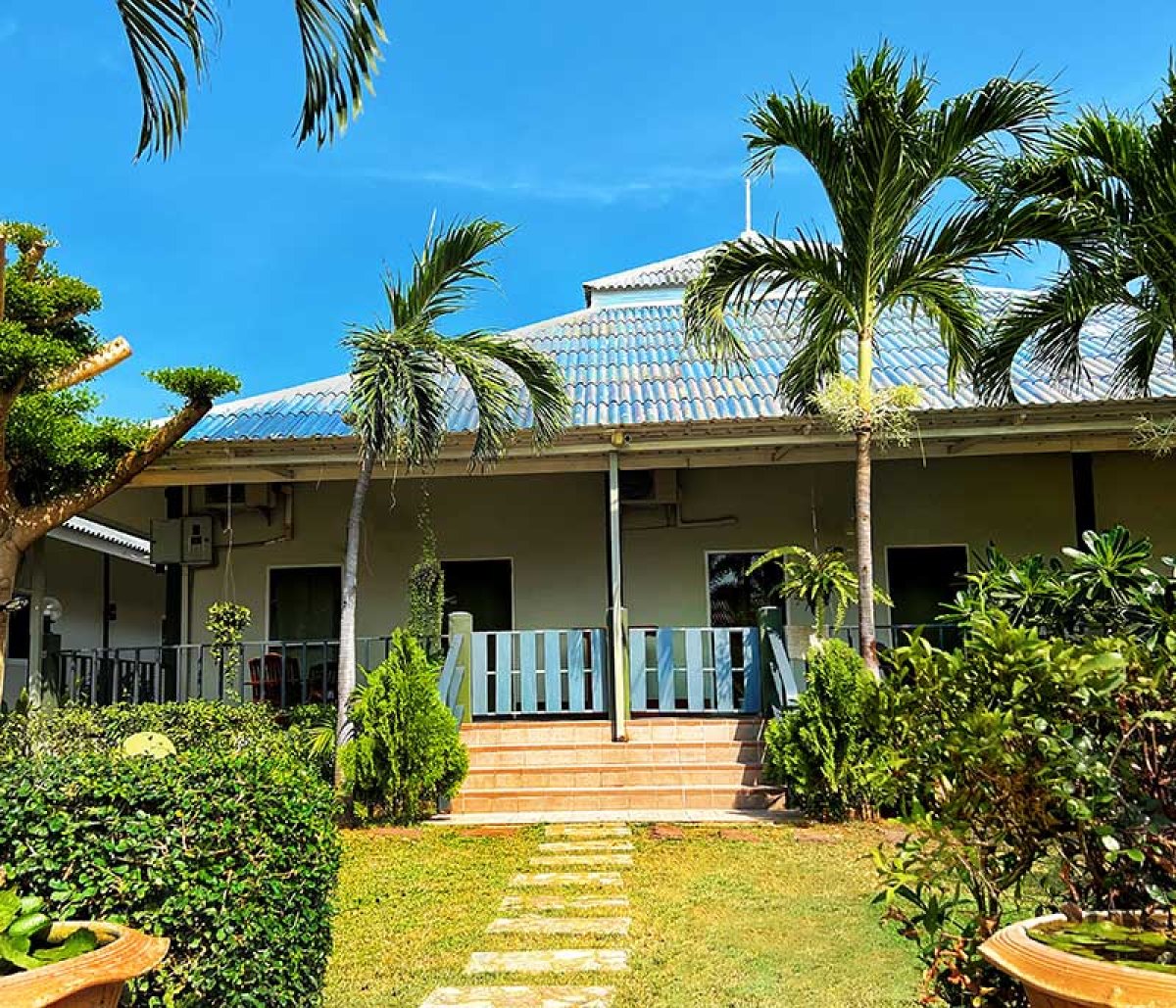

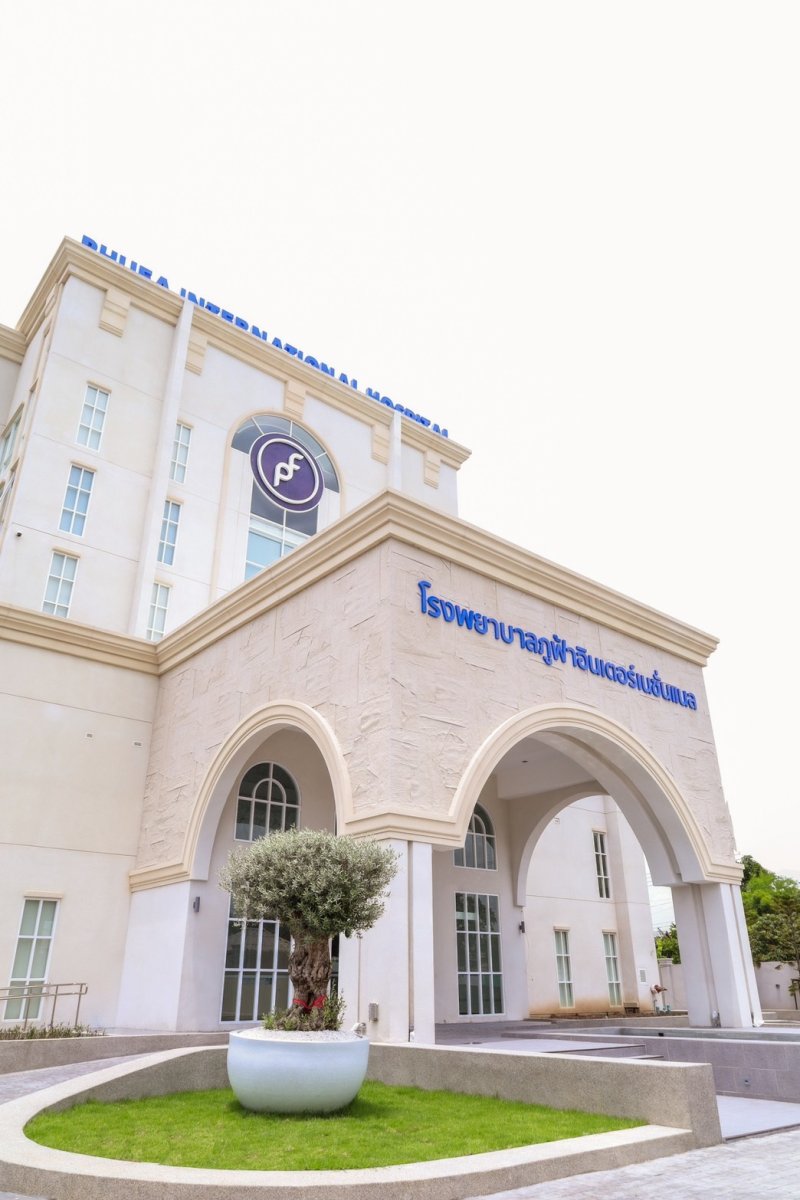
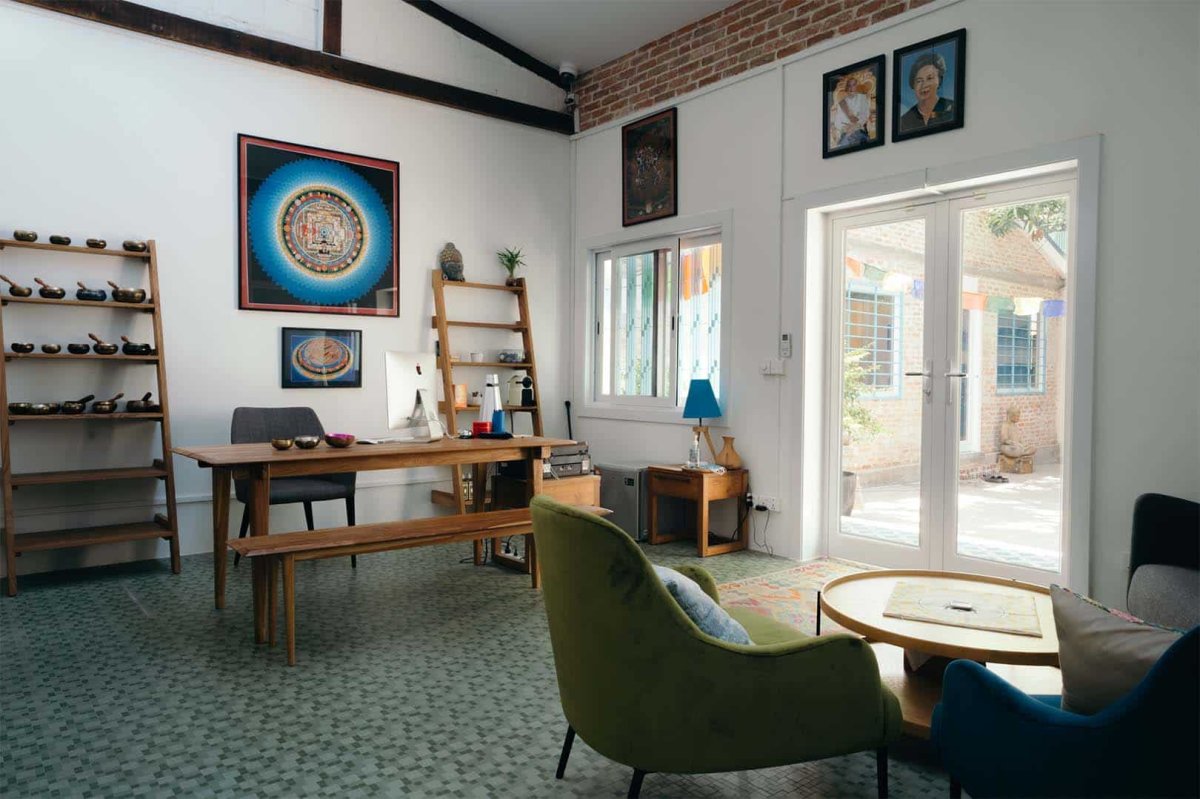
Phufa Resthome | Sahwan International Rehab Center


Get a Medical Assessment for Alcohol addiction Treatment in Thailand: consult with 18 experienced doctors for Australian patients now
View all Doctors
Pichayut Kasemphakdeephong
900+ alcohol addiction treatments performed – Dr. Pichayut combines clinical care with ongoing research at Phramongkutklao Hospital.
- 15 years of experience in psychiatry, specializing in addiction
- Committee member of the Thai Society for Addiction Psychiatry
- Conducts research to improve rehabilitation outcomes
- Provides psychiatric evaluations and integrated care strategies
Aviva Wolf

Kanok Uttawichai
Share this content
Video Stories from Bookimed Patients
 Anna Leonova
Expert Overview about Alcohol addiction Treatment in Thailand
Is medical detox for alcohol addiction safe in Thailand?
Medical detox for alcohol addiction is safe in Thailand when conducted in licensed facilities. These facilities provide 24/7 clinical supervision. Licensed centres employ addiction psychiatrists and nurses to manage withdrawal with medications like diazepam. This prevents life-threatening complications such as seizures or delirium tremens during the initial recovery phase.
- Clinical supervision: Facilities provide 24/7 nursing care to monitor vitals and withdrawal symptoms.
- Medication protocols: Doctors use benzodiazepines and thiamine (B1) to prevent brain injury.
- Specialist oversight: Leading psychiatrists, such as Dr Pichayut Kasemphakdeephong, supervise complex dual-diagnosis cases.
- Facility standards: Centres like Day One Rehabilitation hold national accreditation for residential addiction treatment.
Bookimed Expert Insight: Thailand is a global hub for addiction care, ranking 6th globally for served requests. While many retreat-style centres exist, the highest safety levels are found in clinics like Day One Rehabilitation. This Bangkok centre maintains a strict 1-to-6 doctor-to-patient ratio. It provides more personal medical monitoring than typical high-volume Australian public wards.
Patient Consensus: Patients highlight that medical oversight is non-negotiable because stopping daily drinking abruptly can be fatal. They recommend choosing facilities in quieter areas like Bangkok. This helps avoid the heavy drinking culture found in Phuket.
How long does alcohol addiction treatment in Thailand typically last?
Alcohol addiction treatment in Thailand typically lasts between 28 and 90 days. Most residential programmes start with a 7 to 10-day medically supervised detox. Stays of 60 days or longer generally produce better outcomes for heavy daily drinkers or those with co-occurring mental health conditions.
- Medical detox: Supervised withdrawal usually takes 5 to 10 days for heavy drinkers.
- Residential stay: Standard intensive inpatient programmes at centres like Day One Rehabilitation Center last 28 days.
- Extended recovery: Clinicians often recommend 60 to 90-day stays to address deep-seated triggers.
- Outpatient support: Intensive outpatient programmes can extend support for several months or up to a year.
Bookimed Expert Insight: Many centres offer 28-day packages, such as Day One Rehabilitation Center in Bangkok for A$17,900. However, patients often benefit from the research-backed PMK model used by specialists like Dr Pichayut Kasemphakdeephong. This model focuses on cost-effectiveness and long-term sobriety outcomes. For Australians, these residential stays include resort-style 4-star accommodation. This makes intensive 24/7 care more sustainable compared to the high costs of similar private facilities at home.
Patient Consensus: Patients note that 30 days provides a helpful reset. However, committing to three or four months often leads to more stable recovery. Many highlight that access to English-speaking AA meetings in Bangkok and Phuket is essential. This support is vital after the initial inpatient phase ends.
Can Thai rehab centres treat co-occurring mental health issues alongside alcohol addiction?
Thai rehab centres provide integrated dual-diagnosis care for patients with alcohol addiction and mental health issues. Specialist clinics use multidisciplinary teams to treat depression, anxiety, and PTSD alongside substance dependency. Programmes typically combine medical detox with evidence-based therapies like CBT in residential settings.
- Integrated care: Centres like Day One Rehabilitation Center treat alcohol use and bipolar disorder concurrently.
- Specialist staffing: Addiction psychiatrists, such as Dr Pichayut Kasemphakdeephong, oversee complex dual-diagnosis treatment plans.
- Therapeutic range: Programmes include cognitive behavioural therapy, 12-step models, and motivational enhancement therapy.
- Nationally accredited: Facilities often hold national accreditation, meaning they meet Thai residential rehabilitation standards.
- Holistic support: Clinics offer mindfulness, art therapy, and gardening to improve overall mental well-being.
Bookimed Expert Insight: Data shows a shift towards clinical psychiatric leadership in Bangkok-based centres. Dr Pichayut Kasemphakdeephong works at Day One Rehabilitation Center. He is a committee member for the Thai Society for Addiction Psychiatry. This level of specialist oversight is vital for Australians with complex needs. It means medication and therapy can align for better long-term recovery.
Patient Consensus: Patients say centres like The Dawn and The Diamond Rehab handle trauma and PTSD well. They recommend checking if a facility has on-site medical supervision rather than just wellness-style counselling.
What kind of aftercare is provided after leaving an alcohol addiction treatment centre in Thailand?
Alcohol addiction aftercare in Thailand focuses on relapse prevention. It does this through structured discharge planning, ongoing counselling, and connecting with sober communities. Centres provide personalised transition strategies. They often include digital support apps and weekly online check-ins. Direct referrals to international support networks like Alcoholics Anonymous are also provided. This provides continuity of care after residential treatment ends.
- Personalised planning: Clinical teams create specific relapse-prevention strategies before patients finish residential programs.
- Digital support: Some facilities provide mobile apps for ongoing check-ins and recovery tracking.
- Community connection: Patients receive referrals to English-speaking AA meetings in Bangkok, Phuket, or Chiang Mai.
- Professional follow-up: Treatment often continues through scheduled outpatient counselling sessions or psychiatric reviews.
Bookimed Expert Insight: Bangkok rehab centres like Day One Rehabilitation Center offer a strategic advantage for Australians. This is because of direct flight access and multidisciplinary teams. Dr Pichayut Kasemphakdeephong leads care there. His role in the Thai Society for Addiction Psychiatry means aftercare plans meet national standards. This bridges the gap between luxury resort settings and clinical psychiatric oversight.
Patient Consensus: Patients note that success depends on leaving with a specific first-month plan. This works better than general advice. They emphasise the importance of attending English-speaking meetings in Thailand. This helps maintain accountability and build sober social circles.