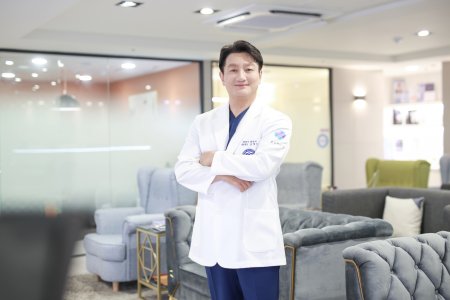
25 years of experience
30000 treatments
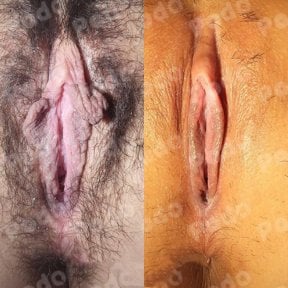
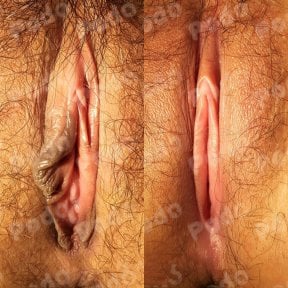
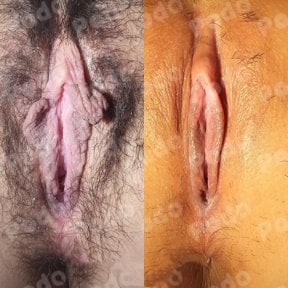
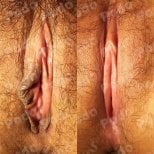
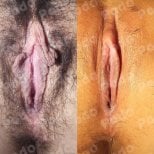
PODO Signature Scarless Labiaplasty
Scarless labiaplasty in the Republic of Korea typically costs from AUD $3,100 to AUD $5,500. Final prices depend on the laser technology used, clinic location, and surgeon expertise. Australians often save around 58% compared to local private fees of AUD $10,500. Quotes usually include surgeon fees, anaesthetic, and initial consultations in major hubs like Seoul.
Bookimed Expert Insight: Choosing a clinic with advanced equipment offers significant value for Australian patients seeking discretion. Yonseisarangmoa Women Disease Hospital in Seoul is one of few centres using the da Vinci Surgical System. This robotic platform allows for extreme precision and minimal visible marking. Their focused team manages 4,500 patients annually. This high volume supports high standards in international patient services.
| Republic of Korea | Thailand | Turkey | |
| Scarless labiaplasty | ≈ AUD $3,100 | ≈ AUD $2,100 | from AUD $2,800 |
No hidden fees – just official clinic prices. Pay at the clinic for Scarless labiaplasty upon arrival and use a flexible instalment plan if needed.
Bookimed is committed to your safety. We only work with medical institutions that maintain high international standards in Scarless labiaplasty and have the necessary licenses to serve international patients worldwide.
Bookimed offers free expert assistance. A personal medical coordinator supports you before, during, and after your treatment, solving any issues. You're never alone on your Scarless labiaplasty journey.
In the Republic of Korea, scarless labiaplasty is a minimally invasive vaginal rejuvenation. It uses high-precision lasers or heat-based technology. These methods in Seoul clinics target excess labia minora tissue. They correct asymmetry or discomfort while minimising visible scarring and preserving sexual sensation.
Bookimed Expert Insight: These laser methods are marketed as scarless. However, they often provide a subtler reduction than traditional surgery. Many patients choose these heat-based options specifically for the 12–18 month result. They do so before committing to permanent surgical excision. Seoul clinics maintain high standards, with specialised centres serving 4,500+ patients annually.
Patient Consensus: Patients in Korea felt relieved that sensation remained intact alongside improved aesthetic symmetry. They suggest following strict recovery rules regarding spicy food and alcohol for the best healing results.
Scarless labiaplasty in the Republic of Korea focuses on laser-assisted tissue reduction and microsurgical suturing. These techniques aim to eliminate visible marks. Surgeons use high-precision lasers to contour tissue while minimising trauma. Key methods include laser fusion, where heat seals incisions. Hidden-incision techniques place stitches within natural folds.
Bookimed Expert Insight: Many Seoul clinics market scarless results. However, the most effective outcomes often come from hybrid approaches. Leading centres like Yonseisarangmoa Women Disease Hospital combine laser precision with specialised microsurgery. This technique preserves nerve sensitivity. It also achieves the aesthetic goals patients expect from high-tech Korean gynaecology.
Patient Consensus: Patients in Seoul report that laser methods significantly reduce worries about visible stitches. They also reduce concerns about post-surgical recovery. Most experienced no loss of sensation. They appreciated how surgeons customised wedge or trim techniques to match their specific anatomy.
Recovery after scarless labiaplasty in the Republic of Korea is typically quick. Patients can return to daily activities within 2–3 days. Clinics in Seoul use high-precision lasers to fuse tissue. This reduces swelling and eliminates traditional sutures. Full healing generally takes 4–6 weeks.
Bookimed Expert Insight: While lasers allow for a scarless finish, the internal tissue still needs time to bond. Clinical data support this. Centres like Yonseisarangmoa women disease hospital show laser groups report 30% less bruising. Most surgeons advise staying in Seoul for 7 days to complete the first review.
Patient Consensus: Expect the first 3 days to be the most tender before noticing marked improvement. Plan for a full week off work and wait at least a month before resuming intense exercise. Don't judge the final look too early as swelling takes weeks to disappear completely.
Scarless labiaplasty in the Republic of Korea uses high-precision CO2 or Erbium lasers. These lasers refine tissue without traditional scalpels. This sutureless technique prevents visible scarring and stitch marks. Leading Seoul facilities like Yonseisarangmoa Women Disease Hospital use technologies. This approach delivers natural results and rapid healing.
Bookimed Expert Insight: While many markets focus on basic excision, Korean clinics frequently integrate robotic assistance. Yonseisarangmoa Women Disease Hospital is a noted leader in robotic-assisted feminine health. This precision often allows for more complex "3D" anatomical reshaping than standard manual techniques.
Patient Consensus: Patients in Korea report immense satisfaction with the natural aesthetic and lack of stitch marks. They suggest staying in Seoul long enough for initial follow-up checks before flying.
Korean clinics stay preferred for scarless labiaplasty. Surgeons specialise in laser-based techniques that eliminate traditional incisions. These methods use precision lasers to seal blood vessels instantly. This reduces swelling and prevents visible scarring while preserving full nerve sensitivity and natural function.
Bookimed Expert Insight: South Korea holds a high global rank for cosmetic gynaecology with around 80 specialised clinics. Yonseisarangmoa Women Disease Hospital handles 4,500 patients annually. This massive volume allows surgeons to refine "hidden-incision" methods that are rarely performed elsewhere.
Patient Consensus: Patients in the Republic of Korea value subtle results and natural appearance. They report no nerve damage or loss of pleasure after laser procedures. Many find the no-suture options reduce recovery stress significantly.
Choose a clinic by prioritising specialised gynaecology hospitals over general plastic surgery centres. Focus on facilities using laser-assisted techniques or deepithelialisation to hide incision lines. Verify surgeons are members of the Korean Society of Plastic Surgery or specialised obstetric societies in Seoul.
Bookimed Expert Insight: South Korean clinics often integrate robotic technology into gynaecological care for higher precision. Yonseisarangmoa Women Disease Hospital uses the Da Vinci robot for complex cases. This high-tech focus usually indicates a clinic invests in superior surgical accuracy and safety.
Patient Consensus: Patients in the Republic of Korea suggest prioritising clear technical explanations over low prices. They recommend confirming that the clinic provides a detailed one-month recovery plan focused on nerve safety.