7 Best Lobectomy Clinics in Republic of Korea — AUD Prices


Medically reviewed by
Yesim Yildirim
How Much Does Lobectomy Cost in Republic of Korea in AUD?
Lobectomy in the Republic of Korea typically costs from AUD $24,100 to AUD $36,200. Prices primarily depend on the surgical technique, hospital tier, and case complexity. Standard quotes usually include pre-operative imaging, anaesthesia, and a hospital stay of 5 to 10 days.
- Robotic-assisted surgery: Typically adds a 20–30% premium due to precision equipment costs.
- Minimally invasive techniques: VATS approach is generally more cost-effective than traditional open-chest surgery.
- Hospital location: Facilities in high-end Seoul districts like Gangnam may cost 20% more.
- Clinical tier: Major specialised centres in Seoul often charge more than regional medical hubs.
Bookimed Expert Insight: South Korea offers exceptional value for complex lung surgery. Major centres like Asan Medical Center and Severance Hospital carry JCI accreditation. These facilities handle incredible volumes, with Severance serving over 4,000,000 patients annually. Gangnam Severance Hospital even performed the country’s first lung transplant. Choosing these high-volume centres ensures access to advanced robotic systems and multidisciplinary oncology teams.
| Republic of Korea | Thailand | Turkey | |
|---|---|---|---|
| Lobectomy | from AUD $24,100 | from AUD $22,600 | from AUD $12,100 |
Your Benefits and Guarantees with Bookimed
Transparent Prices & Flexible Installments
No hidden fees – just official clinic prices. Pay at the clinic for Lobectomy upon arrival and use a flexible instalment plan if needed.
Verified Clinics & Doctors Only
Bookimed is committed to your safety. We only work with medical institutions that maintain high international standards in Lobectomy and have the necessary licenses to serve international patients worldwide.
Free 24/7 Assistance
Bookimed offers free expert assistance. A personal medical coordinator supports you before, during, and after your treatment, solving any issues. You're never alone on your Lobectomy journey.

Your personal Bookimed medical coordinator
- Supports you at every stage
- Helps choose the right clinic and doctor
- Ensures quick and convenient access to information
Best Lobectomy Clinics in Republic of Korea for Australians: 7 Verified Options and AUD Prices
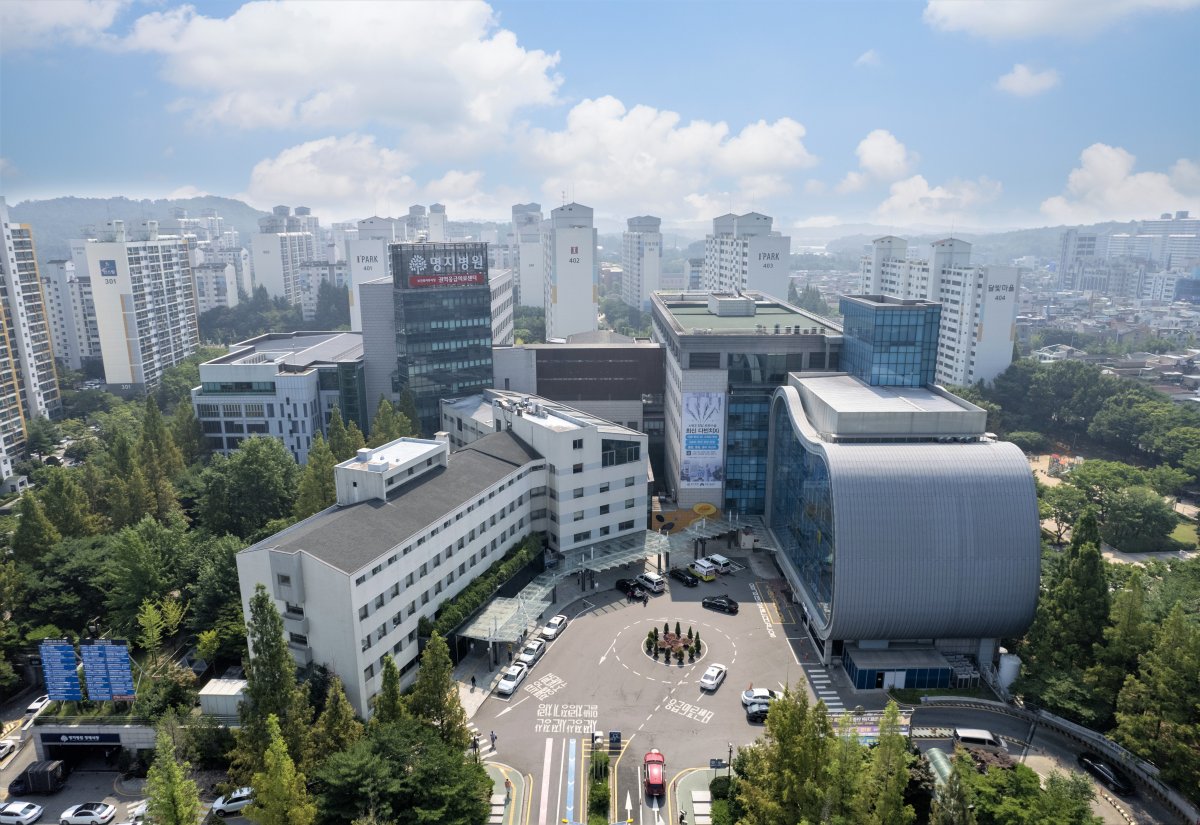

Ewha Womans University Medical Center
Paik Nam-sun














Lobectomy Overview in Republic of Korea
- Lobectomy - from AUD $24,134The procedure involves removing a lung lobe, typically to treat conditions like lung cancer, improving patient health.
- Lung cancer surgery - from AUD $33,184The procedure removes tumors in the lungs, aids with diagnosis, and generally alleviates symptoms and prolongs life.
- Lung segmentectomy - from AUD $22,626This surgery removes lung segments harboring cancerous cells, protecting healthy tissue.
- Target therapy for lung cancer - from AUD $3,771This therapy specifically attacks cancer cells, reducing damage to healthy ones. It"s less severe with notable efficacy.
- Bookimed deposit: $200 or €200.
- Clinic deposit: Pay a set percentage in advance.
Our Doctors
View all Doctors
Choi Yong Soo
Dr. Choi Yong Soo specializes in thoracic surgery at Samsung Medical Center, focusing on precise and effective lobectomies.
- Experienced in performing numerous lobectomy procedures
- Works at one of South Korea's leading medical institutions
- Dedicated to thoracic surgery with a focus on patient outcomes
Paik Nam-sun
Dr. Paik Nam-sun is a surgical oncologist at Ewha Womans University Medical Center in Seoul. He is recognized as one of the world's top 100 gastric and breast cancer surgeons. He performed the first breast-conserving surgery in South Korea. Dr. Paik also invented a proprietary stomach cancer technique to reduce reflux disease risk.
- Director of the Cancer Center for Women at Ewha Womans University Medical Center.
- Former President of Konkuk University Hospital.
- Served as the Director of the Korea Cancer Center Hospital.
- Former President of the Korean Society of Cancer Prevention.

Lee, Han-Byoel
The doctor is an expert in oncoplastic surgery and breast cancer, with extensive experience from prestigious institutions. The doctor holds an M.D. degree from Seoul National University College of Medicine and an M.S. degree in Surgery from the same institution. Additionally, the doctor earned a B.S. in biological sciences from the Korea Advanced Institute of Science and Technology (KAIST) and a Ph.D. in Surgery from Seoul National University Graduate School.
Video Stories from Bookimed Patients
Reviews about Bookimed: Discover Patients' Insights
All reviewsShare this content
 Anna Leonova

FAQ about Lobectomy in Republic of Korea
What is the long-term outlook after a lobectomy in South Korea?
The long-term outlook after a lobectomy in South Korea is very positive. Surgeons achieve exceptional survival rates through minimally invasive techniques. Patients usually recover within 4 to 8 weeks. Specialised clinics in Seoul use robotic-assisted systems and video-assisted thoracic surgery. These methods preserve healthy tissue and maximise post-operative lung function.
- Technique precision: Surgeons use da Vinci robotic systems at centres like Severance Hospital to minimise scarring.
- Survival outcomes: Top facilities report survival rates for specific cancers that often exceed international averages.
- Functional recovery: Lung capacity often stabilises quickly as remaining tissue expands to compensate for the removed lobe.
- Low complication risk: Fatal respiratory events remain extremely rare, with rates recorded at approximately 0.5% nationally.
- Post-op support: Comprehensive rehabilitation plans help patients return to work and normal activities within 2 months.
Bookimed Expert Insight: While many countries offer standard lung surgery, South Korea’s "Smart Hospitals" like Seoul National University Bundang Hospital are leaders in digital safety systems. These systems monitor recovery metrics in real-time. This high-tech approach contributes to their remarkably low 0.5% complication rate for major thoracic procedures.
Patient Consensus: Patients report feeling normal within 2 to 6 weeks. They often find that lung capacity remains steady if the removed tissue was non-functional. Most people return to work quickly and appreciate the lack of visible scarring from minimally invasive approaches in South Korea.
Why do patients choose South Korea for a lobectomy?
Patients choose South Korea for a lobectomy. They benefit from world-leading thoracic surgery outcomes and rapid access to robotics. Major Seoul centres perform thousands of lung resections annually. They report a 95% efficacy rate for early-stage cancer and mortality rates as low as 0.76%.
- Robotic precision: Surgeons at Severance Hospital have performed 4,000+ robotic operations using Da Vinci systems.
- Clinical excellence: National centres report lung cancer survival rates that frequently exceed international clinical averages.
- Technology: Facilities like Gangnam Severance use Tomotherapy for precise radiation alongside minimally invasive surgery.
- Zero waiting: Patients often receive specialist consultations. They enter theatre within days of their arrival.
- Global standards: Hospitals hold JCI and Global Healthcare Accreditation, so international patients can expect high safety.
Bookimed Expert Insight: While many countries offer robotic surgery, South Korea stands out for surgeon volume. Statistics show many thoracic specialists there have performed 500+ lobectomies individually. This high repetition rate is a key reason for the country's exceptionally low surgical complication rates.
Patient Consensus: Patients value the multidisciplinary care and efficiency of Seoul's digital hospitals. They often find that combining traditional recovery foods with high-tech monitoring provides a balanced healing environment.
What types of lobectomy techniques are available in South Korea?
South Korean hospitals specialise in minimally invasive lobectomy techniques. They primarily use Video-Assisted Thoracoscopic Surgery (VATS) and robotic-assisted methods. These approaches prioritise smaller incisions and faster recovery. Leading centres like Severance Hospital and Asan Medical Center use da Vinci robotic systems. These systems perform high-precision lung resections.
- Robotic lobectomy: Surgeons use da Vinci systems for enhanced dexterity during complex lung resections.
- Standard VATS: Minimally invasive approach using small incisions to reduce chest wall trauma.
- Single-incision VATS: Technique using one 2.5 cm entry point for better cosmetic results.
- Open thoracotomy: Traditional surgery reserved for complex cases where minimally invasive methods are unsuitable.
Bookimed Expert Insight: South Korea leads in surgical digitisation. Seoul National University Bundang Hospital is the first fully digital facility. This integration allows precise real-time imaging during VATS. It helps surgeons identify tumour boundaries more accurately than traditional methods.
Patient Consensus: Patients value the multidisciplinary approach in Seoul. They note how international departments coordinate specialists across oncology and thoracic surgery. They recommend asking about nerve monitoring if the surgery is near major vocal cord nerves.
Is a lobectomy considered a major surgery in South Korea?
Lobectomy is a major surgery in South Korea involving the removal of a lung lobe. While extensive, it is a highly standardised procedure at JCI-accredited Seoul centres. Experts use robotic and Video-Assisted Thoracic Surgery (VATS) to manage lung cancer with strong success rates and survival benefits.
- Surgical approaches: Surgeons use robotic systems like da Vinci or VATS to minimise incisions.
- Clinical standard: Major hospitals perform 32,000+ annual operations, maintaining a routine, low-risk profile.
- Accredited facilities: Top centres like Severance Hospital and Asan Medical Center hold JCI or KOIHA certification.
- Specialist expertise: Thoracic surgeons like Dr Choi Yong Soo specialise in complex lung resections.
Bookimed Expert Insight: South Korea is a global leader in thoracic innovation. It notably performed the first Asia-based robotic surgeries. A lobectomy costs from $16,000 to $24,000. Patients also benefit from "smart hospital" technology. This frequently achieves better survival rates than Western averages.
Patient Consensus: Patients recommend confirming the specific lung procedure with specialists and preparing for chest tube management. Many find comfort in post-operative care by using ginger chews and shoulder heating pads during recovery in Seoul.
What is the difference between lobectomy and segmentectomy in the Korean context?
Korean thoracic surgeons distinguish between lobectomy and segmentectomy based on tumour size and patient age. Lobectomy removes an entire lung lobe for larger tumours. Segmentectomy targets specific segments of a lobe, preserving healthy tissue and lung function for patients with small, early-stage lung cancers.
- Tissue removal: Lobectomy involves taking the entire lobe while segmentectomy removes only the cancerous segment.
- Tumour size: Segmentectomy is typically reserved for peripheral tumours measuring 2 cm or smaller.
- Function preservation: Segmentectomy leaves more lung tissue, helping older patients maintain better postoperative breathing capacity.
- Oncological outcomes: Lobectomy remains the standard for central tumours due to a lower recurrence risk.
Bookimed Expert Insight: Leading Seoul centres like Severance Hospital and Asan Medical Center increasingly favour robotic-assisted segmentectomy. Lobectomy costs between $16,000 and $24,000. On the other hand, the precision of robotic systems helps reduce hospital stays. It also minimises scarring for international patients.
Patient Consensus: Patients suggest asking surgeons directly if they follow the JCOG0802 trial guidelines in the Republic of Korea. They found that confirming if a tumour is small enough for segmentectomy helps. It clarifies the treatment plan early.
How long is recovery after a lobectomy in South Korea?
Recovery after a lobectomy in South Korea depends on the surgical method. Patients undergoing minimally invasive surgery like Video-Assisted Thoracoscopic Surgery (VATS) typically stay in hospital for 4–7 days. Most individuals return to light daily routines within 4–8 weeks while lung function gradually improves.
- Hospital discharge: Patients leave hospital once chest tubes are removed, usually within 3–5 days.
- Initial mobility: Walking is encouraged 1–2 days after surgery to promote lung expansion.
- Minimal incisions: Surgeons at Severance Hospital use robotic systems to reduce scarring and pain.
- Work return: Office-based work typically resumes after 2 weeks for thyroid-related lobectomy procedures.
- Strenuous activity: Heavy lifting and intense exercise are generally avoided for at least 8 weeks.
Bookimed Expert Insight: South Korea leads in lung cancer outcomes. Seoul National University Hospital achieves breast and lung survival rates that often exceed US averages. For lung lobectomies, choosing a centre like Gangnam Severance is vital. They performed Korea's first lung transplant and specialise in complex resections.
Patient Consensus: Expect a challenging first week as energy levels fluctuate while breathing stabilises after a lung lobectomy. Patients in South Korea found relief using peppermint tea and bone broth. They used these during the initial recovery phase.