17 Best Nephrology Clinics in Republic of Korea — AUD Prices

Medically reviewed by
Gokhan Temiz
How Much Do Nephrology Procedures Cost in Republic of Korea in AUD?
Nephrology treatment in South Korea typically costs from AUD $6,900 to AUD $28,900. Total expenses depend on the complexity of the kidney condition, the need for robotic-assisted technology, and the length of hospital stays. Australians often save 40–60% compared to private healthcare rates back home.
Typical Nephrology Costs in South Korea
- Consultation with a nephrologist: AUD $140 – AUD $290
- Kidney biopsy: AUD $2,300 – AUD $3,800
- Urine analysis: AUD $15 – AUD $90
- Dialysis: AUD $480 – AUD $900
- Nephrectomy: AUD $22,600 – AUD $27,100
- Urethroscopic lithotripsy: AUD $150 – AUD $5,700
- Nephrectomy with Da Vinci Robot: AUD $25,600 – AUD $36,900
- Basic check-up: AUD $380 – AUD $1,000
- Biochemical blood analysis: AUD $90 – AUD $200
- Scintigraphy: AUD $180 – AUD $1,500
Most specialised renal centres are located in Seoul and Incheon. South Korea is a practical choice for Australians due to the advanced medical technology and shorter waiting times for complex procedures. Request a consultation with a specialist to get accurate pricing for your specific health needs.
| Republic of Korea | Thailand | Turkey | |
|---|---|---|---|
| Urethroscopic lithotripsy | from AUD $150 | ≈ AUD $3,500 | from AUD $11,300 |
| Ureteroscopy with laser lithotripsy (kidney stone removal) | from AUD $9,000 | ≈ AUD $4,200 | from AUD $11,300 |
| Therapeutic Apheresis | ≈ AUD $2,100 | from AUD $8,900 | from AUD $6,800 |
| Robotic radical nephrectomy | ≈ AUD $25,600 | ≈ AUD $17,300 | from AUD $23,200 |
| Pyeloplasty | ≈ AUD $11,300 | ≈ AUD $8,300 | from AUD $11,300 |
All Nephrology conditions
Your Benefits and Guarantees with Bookimed
Transparent Prices & Flexible Installments
No hidden fees – just official clinic prices. Pay at the clinic for Nephrology treatment upon arrival and use a flexible instalment plan if needed.
Verified Clinics & Doctors Only
Bookimed is committed to your safety. We only work with medical institutions that maintain high international standards in Nephrology treatment and have the necessary licenses to serve international patients worldwide.
Free 24/7 Assistance
Bookimed offers free expert assistance. A personal medical coordinator supports you before, during, and after your treatment, solving any issues. You're never alone on your Nephrology treatment journey.

Your personal Bookimed medical coordinator
- Supports you at every stage
- Helps choose the right clinic and doctor
- Ensures quick and convenient access to information
Best Nephrology Clinics in Republic of Korea for Australians: 17 Verified Options and AUD Prices

















Bumin Hospital Seoul

Top Nephrology centres in Republic of Korea for Australians
- Samsung Medical Center, Republic of Korea
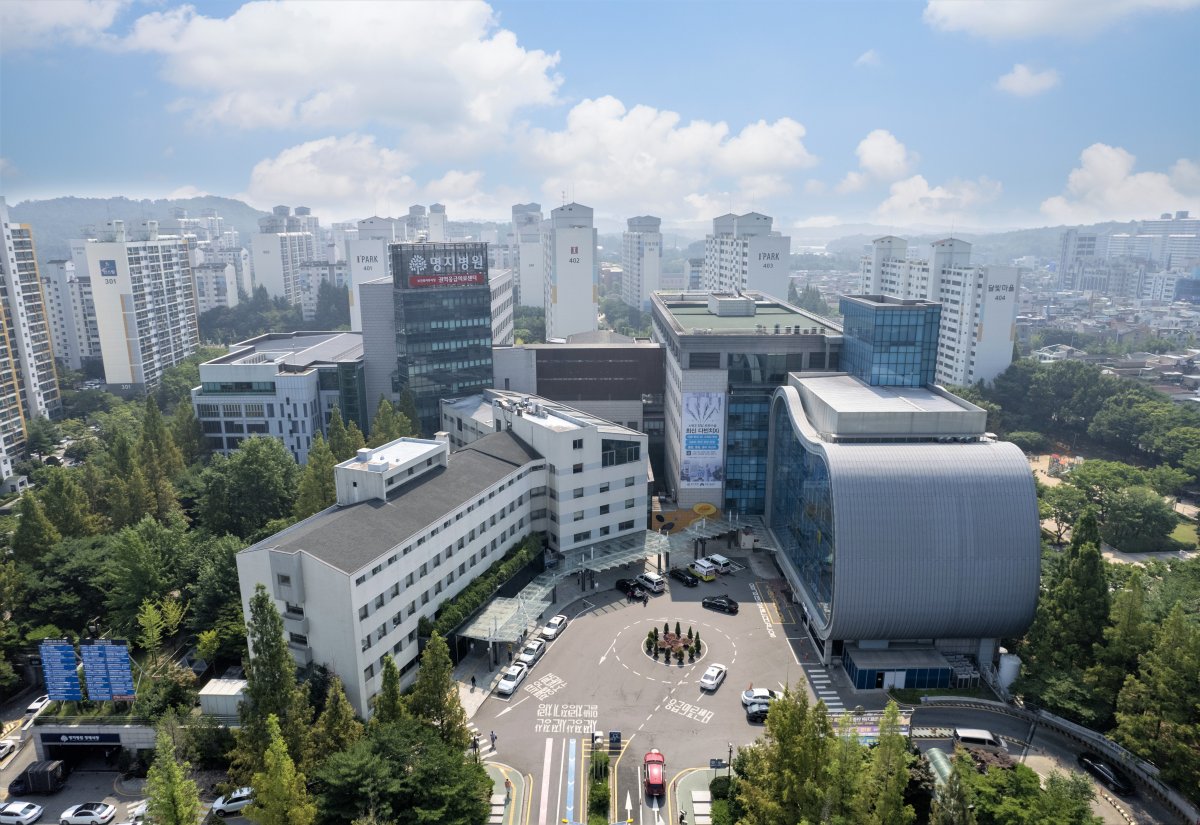
- Myongji Hospital, Republic of Korea
- Ewha Womans University Medical Center, Republic of Korea
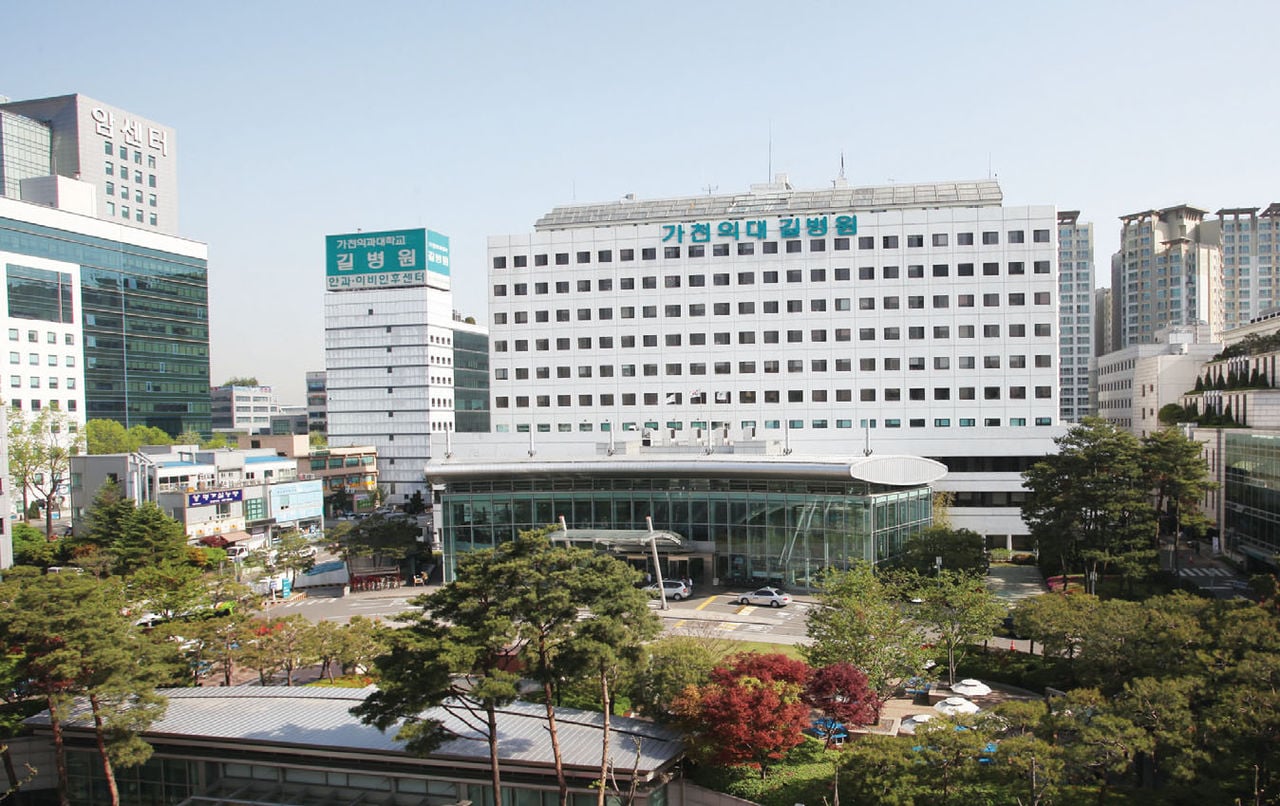
- Gachon University Gil Medical Center, Republic of Korea
- Seoul National University Bundang Hospital (SNUBH), Republic of Korea
- Gangnam Severance Hospital, Republic of Korea
- Asan Medical Center, Republic of Korea
- Severance Hospital, Republic of Korea
- Bumin Hospital Seoul, Republic of Korea
- Soon Chun Hyang University Hospital, Republic of Korea
Our Doctors
View all Doctors
Chin Kyung Sun
Dr. Chin Kyung Sun is a nephrologist. He is the Director of the Nephrology Center at Naeun Hospital. He graduated from Gachon University College of Medicine. He trained in nephrology at Gachon University Gil Medical Center and completed a fellowship there.
He is a Korean Society of Nephrology Certified Dialysis Specialist. He previously served as Head of Internal Medicine at Incheon Red Cross Hospital. He is an adjunct professor at Gachon University and Inha University Colleges of Medicine. He is a member of the Korean Association of Internal Medicine and the Korean Society of Nephrology.
His clinical focus includes chronic kidney disease, hemodialysis, peritoneal dialysis, hematuria, and proteinuria. He also provides dialysis therapy and care for other kidney diseases.
Share this content
Video Stories from Bookimed Patients
 Anna Leonova
FAQ about Nephrology in Republic of Korea
What is the success rate for kidney transplants in the Republic of Korea?
South Korean kidney transplant centres report exceptional success, with a 98.4% 1-year patient survival rate. Long-term outcomes are equally strong. They maintain a 95.8% survival rate after 5 years. Leading facilities like Asan Medical Center report success rates from 90% for complex cases.
- Survival rates: Patient survival reaches 95.8% and graft survival 90.5% after 5 years.
- Graft performance: National registries show 71.8% of transplanted kidneys function properly after 10 years.
- Clinical expertise: Specialised centres successfully manage high-risk cases. These include ABO-incompatible (cross-blood type) transplants.
- Accredited facilities: Major Seoul centres like Severance Hospital hold Joint Commission International (JCI) accreditation.
Bookimed Expert Insight: Data shows a link between hospital digitisation and clinical safety in Seoul. Seoul National University Bundang Hospital (SNUBH) uses the BESTcare digital system. This reduces medical errors. Treating over 1.5 million patients annually helps maintain some of the world's most stable survival figures.
Patient Consensus: Patients in South Korea often mention the efficient digital systems and fast diagnostic testing. Many feel reassured by the high volume of complex surgeries surgeons perform every day.
Can international patients receive a deceased donor transplant in the Republic of Korea?
International patients cannot receive deceased donor transplants in South Korea. The Korean Network for Organ Sharing (KONOS) reserves organs from deceased or brain-dead donors for citizens and residents. International patients on medical visas may only access living donor transplants.
- Legal restriction: The Organ Transplant Act prevents non-residents from joining national waiting lists.
- Living donation: Patients must bring an eligible living donor from their home country.
- Ethical screening: Authorities conduct stringent legal checks to prevent commercial organ trafficking.
- Domestic priority: Low donation rates mean organs are allocated based on emergency scores.
Bookimed Expert Insight: While deceased donation is restricted, centres like Asan Medical Center report transplant success rates from 90%. Facilities such as Seoul National University Hospital use digital BESTcare systems to minimise medical errors. This high-tech approach helps living donor transplants remain a safe alternative for international patients.
Patient Consensus: Patients report that clinics in the Republic of Korea steer international cases toward living donor pathways. They note that any promise of a fast deceased donor organ is a major warning sign.
Which hospitals in the Republic of Korea specialise in nephrology and kidney care?
Top Korean hospitals for nephrology include Asan Medical Center, Samsung Medical Center, Seoul National University Hospital (SNUH), and Severance Hospital. These centres lead in kidney transplants and chronic kidney disease (CKD) management. They also specialise in robotic-assisted surgeries. Most hold JCI accreditation or Newsweek global rankings for clinical excellence.
- Asan Medical Center: Largest multidisciplinary centre with 90% kidney transplant success rates.
- Samsung Medical Center: Provides robotic nephrectomy using the Da Vinci surgical system.
- SNUH: Fully digitalised state facility specialising in complex organ transplants and research.
- Severance Hospital: JCI-accredited institution offering multidisciplinary care for 4,000,000+ patients annually.
Bookimed Expert Insight: Major Seoul centres like Asan Medical Center handle the highest surgical volumes. However, Seoul National University Bundang Hospital (SNUBH) stands out for safety. It uses the BESTcare digital system to track patient data. This reduces medical errors specifically for chronic kidney disease patients.
Patient Consensus: Patients in the Republic of Korea find the transition between diagnosis and treatment seamless. They appreciate the speed of diagnostic testing and the professionalism of hospital staff.
What advanced technologies are utilised for kidney care and dialysis in the Republic of Korea?
South Korean kidney care uses digitally integrated systems. These include AI-driven diagnostics, robotic Da Vinci surgical systems, and high-volume online haemodiafiltration. Leading Seoul centres use cloud-based monitoring for home peritoneal dialysis. This allows for real-time oversight and precise management of chronic kidney disease.
- Digital health systems: Seoul National University Hospital uses the BESTcare EHR system for precision.
- Robotic surgical systems: Samsung Medical Center uses Da Vinci robots for precise kidney surgeries.
- High-efficiency dialysis: Centres universally deploy high-flux membranes and high-volume online haemodiafiltration (HDF) techniques.
- Cloud-based monitoring: Home dialysis systems relay nightly treatment data to hospital nephrologists automatically.
Bookimed Expert Insight: South Korea's nephrology landscape is defined by its digital infrastructure. While most countries use basic electronic records, SNUH and Samsung Medical Center operate as smart hospitals. This allows AI to cross-reference years of lab data instantly. It often identifies subtle diagnostic trends faster than traditional methods.
Patient Consensus: Patients note the seamless transition between in-centre and home dialysis options in South Korea. They frequently highlight how digital apps simplify tracking diet and fluid intake. These tools also keep them connected to their medical team.
What constitutes the typical wait time to begin kidney treatment in the Republic of Korea?
Initial kidney consultations and diagnostics in South Korea often occur within days of arrival. Routine treatments like dialysis start promptly once confirmed. However, deceased donor kidney transplants involve significant waiting periods. These often exceed 4.5 to 5 years due to national waitlist and matching protocols.
- Dialysis initiation: Medical centres typically treat urgent dialysis as time-sensitive. Care starts immediately upon admission.
- Specialist access: Outpatient reviews at major centres like Severance Hospital often occur within 1–3 days.
- Diagnostic speed: Comprehensive tests like kidney biopsies or scintigraphy are usually completed within a few days.
- Transplant pathway: Living donor transplants proceed much faster than deceased donor lists after matching and checks.
Bookimed Expert Insight: Priority access depends on the clinic's digital infrastructure. Centres like Seoul National University Bundang Hospital use the BESTcare system to integrate records. This allows nephrologists to review international test results instantly. Choosing a digital-first hospital can reduce diagnostic repetition and start treatment several days sooner.
Patient Consensus: Patients find that treatments begin rapidly once they enter the South Korean hospital system. They suggest bringing recent lab results to avoid repeating steps. Transplant pathways remain naturally slower due to complex matching and eligibility paperwork.
Is language and travel support provided for international kidney patients visiting the Republic of Korea?
International kidney patients in South Korea receive language and travel support through medical tourism centres and hospital international departments. Facilities often provide English-speaking coordinators. Support includes airport assistance, appointment scheduling, and translation for dialysis or nephrectomy procedures.
- Airport assistance: Incheon International Airport provides free language support, medical coordination, and pickup arrangements.
- Digital coordination: Seoul National University Bundang Hospital (SNUBH) uses the BESTcare system for remote patient records.
- Language services: Ewha Womans University Medical Center prioritises international patients with dedicated translation for treatments.
- JCI accreditation: Severance Hospital and Gangnam Severance Hospital maintain international standards for safety and communication.
Bookimed Expert Insight: Clinics with Global Healthcare Accreditation (GHA), such as SNUBH, focus on the international patient experience. These centres typically offer smoother medical record transfers and integrated digital systems. This infrastructure allows specialists to review history before arrival. This is vital for managing long-term kidney conditions.
Patient Consensus: Patients note it is important to confirm English support for lab results and medications before travelling. Many arrange accommodation separately. They rely on hospital coordinators for clinical schedules and interpreter services in Seoul.