20 Best Arthrosis Treatment Clinics in India — AUD Prices

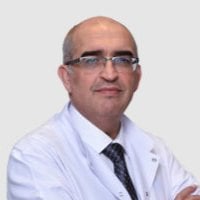
Medically reviewed by
Kayhan Turan
What's the Cost of Arthrosis Diagnosis and Treatment in India?
Arthrosis treatment cost in India typically runs from AUD $7,500 to AUD $8,300 for a knee replacement, while an initial consultation with an orthopedist ranges from AUD $60 to AUD $110. Total expenses depend on the joint involved, implant choice, and hospital tier. Australians often save around 60–80% compared to local private healthcare rates. Top cities for these procedures include Delhi, Bengaluru, and Gurgaon.
Typical Arthrosis Treatment Costs in India
- Consultation with an orthopedist: AUD $60 – AUD $110
- Knee replacement: AUD $7,500 – AUD $8,300
- Hip replacement: AUD $8,300 – AUD $13,500
- Stem cell therapy for arthritis: AUD $5,300 – AUD $10,500
- Knee arthroscopy: AUD $3,300 – AUD $5,300
- MAKOplasty total hip replacement: AUD $12,800 – AUD $17,300
- Stem cell therapy for knees: AUD $4,200 – AUD $6,800
Bookimed Expert Insight: Patients requiring advanced precision should consider robot-assisted surgery. Fortis Gurgaon is ranked among the most technically advanced hospitals globally and offers robotic options. For complex cases, large multidisciplinary networks provide high reliability. Manipal Hospitals serves 2 million patients annually with 50+ years of experience. Apollo Hospital Indraprastha is another robust choice, featuring one of the best diagnostic laboratories in India for accurate staging.
| India | Thailand | Turkey | |
|---|---|---|---|
| TransArterial MicroEmbolization (TAME) | ≈ AUD $4,200 | ≈ AUD $6,500 | ≈ AUD $5,700 |
| Stem cell therapy for knees | ≈ AUD $4,200 | from AUD $2,300 | from AUD $5,300 |
| Stem cell therapy for arthritis | ≈ AUD $5,300 | from AUD $3,800 | from AUD $5,300 |
| Stem Cell Therapy | ≈ AUD $6,800 | from AUD $1,500 | from AUD $1,400 |
| MAKOplasty total hip replacement | ≈ AUD $12,800 | from AUD $23,300 | from AUD $13,500 |
Your Benefits and Guarantees with Bookimed
Transparent Prices & Flexible Installments
No hidden fees – just official clinic prices. Pay at the clinic for Arthrosis treatment and use a flexible instalment plan if needed.
Verified Clinics & Doctors Only
Bookimed is committed to your safety. We only work with medical institutions that maintain high international standards in Arthrosis treatment and have the necessary licenses to serve international patients worldwide.
Free 24/7 Assistance
Bookimed offers free expert assistance. A personal medical coordinator supports you before, during, and after your treatment, solving any issues. You're never alone on your Arthrosis treatment journey.

Your personal Bookimed medical coordinator
- Supports you at every stage
- Helps choose the right clinic and doctor
- Ensures quick and convenient access to information
Best Arthrosis Treatment Centres in India for Australians: 20 Verified Options and AUD Prices












Get a Medical Assessment for Arthrosis in India: Consult with Experienced Doctors Now
View all Doctors
Shrinand V. Vaidya
Dr. Shrinand V. Vaidya is an orthopedic surgeon at Global Hospital Mumbai. He treats arthrosis and complex joint conditions. Dr. Vaidya works at a medical center in India that has 450 beds and over 180 doctors. The hospital is accredited by the Indian National Hospital Accreditation Board.
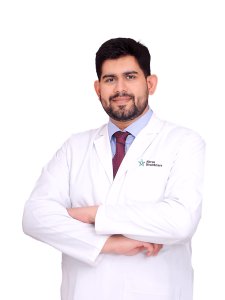
Sarthak Walia
Bhupal Deokar

Santosh Kumar Hakkalamani
Dr. Santosh Kumar Hakkalamani is an orthopedic surgeon at Global Hospital Chennai. He specializes in lower limb replacement and arthroscopic knee surgery. Dr. Hakkalamani previously served as a consultant at several university hospitals in the UK. He completed training at the Royal College of Surgeons in Edinburgh.
- Completed a Lower Limb Arthroplasty Fellowship at UHCW Coventry Hospital.
- Finished a Knee Soft Tissue Reconstruction Fellowship at York Teaching Hospitals.
- Awarded 1st Prize for research at the SICOT international meeting.
- Won 1st Prize in Orthopaedics at the British Orthopaedic Trainee Association meeting.
Reviews about Bookimed: Discover Patients' Insights
All reviewsShare this content
Video Stories from Bookimed Patients
 Anna Leonova
Expert Overview about Arthrosis Treatment in India
How can I verify the quality and safety of a hospital in India for arthrosis treatment?
Verifying Indian hospitals requires checking for international JCI and national NABH accreditations. Patients should check for specific departmental certifications. Leading centres like Artemis and Manipal Hospitals maintain these standards. Assessing surgeon volumes and robotic systems like MAKOplasty is also vital.
- Accreditation status: Look for Joint Commission International (JCI) or National Accreditation Board for Hospitals (NABH).
- Surgical expertise: Prioritise surgeons with specific experience in joint replacement and orthopaedic reconstruction.
- Technology: Check for robotic-assisted surgery systems like MAKOplasty for joint replacement precision.
- Clinical track record: Verify the hospital appears in Newsweek World Best Hospitals rankings.
Bookimed Expert Insight: Quality indicators in India often depend on hospital networks rather than single sites. For example, the Manipal and Apollo networks serve millions of international patients annually. Choosing an established group often provides more robust support for complex follow-up care.
Patient Consensus: Patients at Delhi centres like BLK Super Speciality Hospital note that staff attention helps recovery. Experienced travellers emphasise confirming your specific surgeon's credentials before booking any treatment in India. You should also confirm the hospital's aftercare plan.
What is the global success rate for joint replacement surgery performed in Indian hospitals for arthrosis?
Indian hospitals report a 90% to 95% global success rate for joint replacements. Leading institutions maintain these standards through high surgical volumes and JCI accreditation. These outcomes match global benchmarks for long-term mobility and chronic pain relief.
- Pain relief: Over 90% of patients report substantial relief from chronic arthritic pain.
- Mobility restoration: More than 85% of individuals regain normal walking abilities after surgery.
- Implant longevity: Approximately 90% of modern implants remain functional for 15 years.
- Surgical volume: Major Indian centres perform over 150,000 joint reconstructions annually.
Bookimed Expert Insight: Success rates in India are tied to high levels of specialisation. Dr Anchit Uppal at Sarvodaya Hospital Noida focuses specifically on robotic joint replacement. Experience at this level is common in India. Apollo Hospital Indraprastha serves 1,000,000 international patients annually. This massive case volume allows surgeons to refine techniques that minimise complications.
Patient Consensus: Patients in India report excellent care from staff which helps manage post-operative pain. Many note that outcomes improve when surgeons have high annual volumes. Clear rehabilitation plans also contribute to better results.
Are there minimally invasive non-surgical procedures available in India for arthrosis management?
India provides multiple minimally invasive non-surgical treatments for arthrosis management. These procedures include cooled radiofrequency ablation (RFA), platelet-rich plasma (PRP) therapy, and stem cell treatments. Leading JCI-accredited hospitals in Delhi, Mumbai, and Bengaluru offer these daycare options to delay joint replacement.
- Regenerative therapy: Stem cell and PRP injections use biological materials to support the healing environment.
- Nerve ablation: Cooled RFA shuts down pain signals from genicular nerves for long-term relief.
- Image guidance: Specialists use ultrasound or fluoroscopy for precise delivery of joint injections.
- In-hospital stays: Most minimally invasive procedures are daycare options requiring no overnight stay.
Bookimed Expert Insight: Indian medical centres like Apollo Hospital Indraprastha and Manipal Hospitals handle over 1,000,000 international patients annually. This massive volume has led to specialised arthritis units that focus on non-surgical management. Data shows that clinics in Delhi and Mumbai often combine robotic diagnostics with regenerative treatments. These offer more precise staging than standard X-rays alone.
Patient Consensus: Patients in India find these options helpful for improving mobility and reducing pain. They avoid the recovery time needed for surgery. Experience shows that checking if image guidance is used for injections is vital for better outcomes.
Can I access alternative treatments like Ayurveda or stem cell therapy for arthrosis in India?
Patients can access Ayurveda and stem cell therapy for arthrosis in India. Ayurveda is a state-regulated medical system. However, stem cell therapy remains an experimental procedure. Major facilities like Artemis Hospitals and Manipal Hospitals provide specialised orthopaedic care. They also offer regenerative options under strict clinical supervision.
- Ayurvedic status: The Ministry of Ayush regulates these traditional practices within National Accreditation Board for Hospitals (NABH) clinics.
- Traditional techniques: Janu Basti and Panchakarma are used to manage joint inflammation and improve mobility.
- Stem cell regulation: The Indian Council of Medical Research permits autologous therapies using a patient's own cells.
- Accredited facilities: Leading centres such as Apollo Hospital Indraprastha and BLK Super Speciality hold Joint Commission International (JCI) accreditation.
Bookimed Expert Insight: Many patients seek alternative therapies. India's top hospitals often integrate these with modern technology. For instance, Manipal Goa Hospital uses IBM Watson for decision support. Global Hospital Mumbai combines orthopaedic expertise with robotic systems. Patients should choose clinics that offer standard orthopaedic opinions alongside regenerative injections. This helps to create the most effective treatment plan.
Patient Consensus: Patients in India often use Ayurveda to manage symptoms alongside conventional care. They recommend requesting written details on specific treatments like PRP-style injections. They also suggest checking that follow-up care is available after returning to Australia.