5 Best Vasectomy Reversal (Vasovasostomy) Clinics in Turkey — AUD Prices

Medically reviewed by
Gokhan Temiz
How it works
How Much Does Vasectomy Reversal (Vasovasostomy) Cost in Turkey in AUD?
Best Vasectomy Reversal (Vasovasostomy) Clinics in Turkey for Australians: 5 Verified Options and AUD Prices




Memorial Göztepe Hospital

Hisar Hospital Intercontinental
Cenk Acar






Central Hospital

Vasectomy Reversal (Vasovasostomy) Overview in Turkey
- Vasectomy - from AUD $1,356The operation is a permanent male sterilization method involving sealing/cutting the tubes carrying sperm.
- Bookimed deposit: $200 or €200.
- Clinic deposit: Pay a set percentage in advance.
Our Trusted Doctors for Australian Patients
View all Doctors
Baris Nuhoglu
Cenk Acar
Dr. Cenk Acar is a urological surgeon at Hisar Hospital Intercontinental in Istanbul. He has performed over 500 surgeries for urological cancers. He was the first doctor in Turkey to apply bipolar prostate enucleation. Dr. Acar completed a fellowship in robotic and laparoscopic surgery at The Netherlands Cancer Institute.
- Performed over 250 HOLEP procedures for benign prostate enlargement.
- Expert in intraoperative fluorescence imaging for robotic urological surgeries.
- Specializes in sentinel lymph node dissections for prostate cancer treatment.
- Works at a JCI-accredited hospital serving 500,000 patients annually.
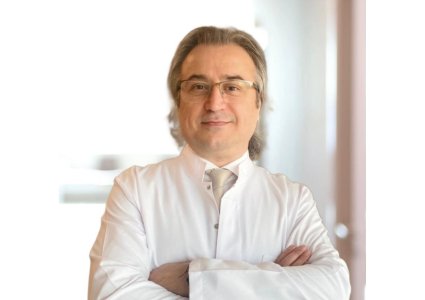
Ramazan Altin
Dr. Ramazan Altin specializes in vasectomy reversal with extensive urology training and international experience.
- Trained in uro-oncology and robotic surgery at Cleveland Clinic
- Over 26 years of urology practice
- Works at Medicana Ataköy Hospital
Hasan Cem
Dr. Hasan Cem is a Professor of Urology at Lokman Hekim Istanbul Hospital. He specializes in pediatric urology, male infertility, and laparoscopic surgery. The doctor completed his medical training and PhD at the Gülhane Military Medical Academy. He gained international experience at Duke University Hospital in the USA.
- Authored over 40 international and 15 national peer-reviewed journal articles.
- Recipient of 9 academic and scientific awards in the urology field.
- Treats complex conditions including men’s sexual health and urinary system stones.
- Works at Lokman Hekim, a JCI-accredited center serving 10,000+ patients annually.
Video Stories from Bookimed Patients
Reviews about Bookimed: Discover Patients' Insights
All reviewsShare this content
 Anna Leonova
FAQ about Vasectomy Reversal (Vasovasostomy) in Turkey
What is the success rate of a vasectomy reversal in Turkey?
Vasectomy reversal success in Turkey depends on the time since the original surgery. Patency rates (sperm return) reach 95% if performed within 10 years. Pregnancy rates range from 30% to 70% at JCI-accredited centres like Lokman Hekim Istanbul Hospital. Specialists there use multi-layer microsurgical techniques.
- Early reversal success: Procedures done under 10 years post-vasectomy achieve up to 90%–95% patency rates.
- Technique-specific outcomes: Standard vasovasostomy maintains 80%–95% success. Complex vasoepididymostomy success drops to 40%–60%.
- Surgical experience: Top urologists like Dr Ozkan Onuk have performed 1,200+ procedures, reducing scarring risks.
- Long-term outcomes: Success rates for sperm return typically decline below 70% after 15 years.
Bookimed Expert Insight: Many clinics highlight high patency rates. However, the most successful outcomes come from surgeons with international training. For instance, Dr Ramazan Altin trained at the Cleveland Clinic. He brought microscopic skills to Istanbul. Patients should look for this surgical pedigree rather than just the lowest price.
Patient Consensus: Patients in Turkey suggest distinguishing between sperm return and actual pregnancy. They recommend sharing the exact years since surgery. They also suggest checking the surgeon's personal case volumes for microsurgery.
How does the time elapsed since my vasectomy affect my reversal options in Turkey?
The time since a vasectomy determines if a Turkish surgeon performs a standard reconnection or a complex bypass. Reversals are possible decades later. However, an interval over 10 years often needs vasoepididymostomy to fix secondary blockages. This affects sperm return rates and procedure complexity.
- Surgical technique: Intervals under 10 years usually allow for standard vasovasostomy reconnection.
- Bypass requirements: Longer delays often cause epididymal blowouts requiring technically demanding bypass surgery.
- Success rates: Sperm return rates typically sit at 97% for recent vasectomies.
- Fertility backup: Specialists often harvest and freeze sperm during surgery as an IVF safeguard.
Bookimed Expert Insight: Turkish urologists like Dr Ramazan Altin trained at global centres such as the Cleveland Clinic. This expertise is vital. The decision to perform a bypass is often made mid-operation after analysing fluid quality. Choosing a surgeon with 20+ years of experience ensures they can pivot techniques under the microscope.
Patient Consensus: Men visiting Turkey often appreciate the thorough pre-surgical digital consultations. Many find that freezing sperm during the reversal provides peace of mind for future family planning.
Should my partner be evaluated before booking a vasectomy reversal in Turkey?
Partners must undergo evaluation before booking a vasectomy reversal in Turkey. Leading centres assess couples together. This is because female fertility and age significantly impact pregnancy success. Determining ovarian reserve and egg quality helps decide if a reversal is right. It may be more effective than alternatives like IVF or ICSI.
- Female fertility check: Assessing egg reserves prevents delays if natural conception chances are low.
- Vasectomy interval: Success rates often reach 95% if the vasectomy occurred under 10 years ago.
- Surgical candidacy: Specialists like Dr Ozkan Onuk evaluate past injuries to confirm microsurgery is viable.
- Alternative pathways: Evaluating both partners confirms if TESE or IVF is a faster, realistic option.
Bookimed Expert Insight: Turkish urology specialists often request initial screenings via telehealth before patients travel. Experienced surgeons, including Dr Ramazan Altintas who trained at the Cleveland Clinic, use these reports. They use local results to confirm if surgery is viable. This ensures couples avoid unnecessary travel if IVF is more suitable.
Patient Consensus: Couples in Turkey suggest a full fertility work-up for the female partner before booking. This practical approach helps compare the value of reversal against other alternatives. This is done before the couple commits to travel.
What happens if the surgeon identifies a blockage during my vasectomy reversal in Turkey?
If a Turkish microsurgeon identifies a secondary blockage, they pivot from a standard reconnection to a complex bypass called a vasoepididymostomy. Specialists identify blockages by analysing fluid under a microscope in theatre. This procedure allows sperm to bypass the blowout to restore fertility.
- Fluid analysis: Surgeons check the vas deferens fluid for healthy sperm during the operation.
- Blockage confirmation: Thick or creamy fluid indicates a secondary blockage requiring a more complex bypass.
- Bypass procedure: The surgeon connects the vas deferens directly to the epididymis above the blockage.
- Surgical expertise: These procedures require microsurgery skills using sutures thinner than a human hair.
- Timeframe changes: Standard operations take 2 hours. However, complex bypasses can extend to 4 hours.
Bookimed Expert Insight: While a standard reversal in Turkey costs from $5,000 to $8,000, some clinics include the bypass as a contingency. Surgeons like Dr Ramazan Altin have trained at major global centres like the Cleveland Clinic. This training is vital because a bypass requires specialised microsurgical techniques that general urologists may not offer.
What is the post-operative recovery process like after a vasectomy reversal in Turkey?
Recovery after a vasectomy reversal in Turkey takes 1 to 2 weeks for light activity. Full tissue healing takes 4 to 6 weeks. International patients usually stay in Istanbul for 3 to 7 days for follow-up checks before flying.
- Immediate rest: Rest strictly for 1–3 days to minimise swelling and protect the site.
- Dressings and hygiene: Shower after 24–48 hours but avoid baths or hamams for 2 weeks.
- Scrotal support: Wear tight-fitting underwear or a supporter 24/7 for the first 4–6 weeks.
- Activity limits: Avoid heavy lifting over 7kg and vigorous exercise for 4 weeks.
- Sexual activity: Abstain from intercourse and ejaculation for 3–4 weeks to prevent scarring.
Bookimed Expert Insight: Reputable Turkish centres like Lokman Hekim Istanbul Hospital hold JCI accreditation. This is a key safety signal for Australians. Surgeon Professor Ozkan Onuk has performed 1,200+ urological procedures. He often recommends a 1-day hospital stay to check healing before discharge.
Patient Consensus: Recovery in Turkey often feels longer than expected. Most patients report dull soreness and bruising for several days. Using supportive underwear and ice packs is essential. Scheduling extra time before the long flight home makes travel more comfortable.
What is the typical medical travel timeline for a vasectomy reversal in Turkey?
A typical vasectomy reversal in Turkey requires a 5 to 7 day stay. This covers preoperative testing, surgery, and follow-up. Costs range from $5,000 to $8,000.
- Pre-op phase: Spend 1–2 days in Istanbul or Antalya for tests and urologist consultations.
- Surgical time: The microsurgical procedure takes 2–4 hours under general or regional anaesthesia.
- Hospital stay: Patients typically discharge the same day or stay 1 night for observation.
- Recovery window: Rest for 48 hours locally before a final wound check on day 6.
- Travel clearance: Surgeons generally clear patients for flights after checking incision sites for swelling.
Bookimed Expert Insight: For complex cases like vasoepididymostomy, choose microsurgery experts like Dr Ramazan Altin. He trained at the Cleveland Clinic. Experienced surgeons often recommend staying 7 days to ensure fertility instructions are clear through an interpreter.
Patient Consensus: Arrive 2 days early for tests and pack loose clothing for the flight home. Clinics provide written post-op instructions to help manage recovery once back in Australia.