 Glial Tumor Resection with Internal Decompression (Microsurgical Technique)
Advertiser Disclosure
Last updated: 22/11/2026
5 Best Resection of glioma Clinics in Turkey — AUD Prices
Want to explore more options? You can also browse all 5 clinics below.

85 %
patient recommendation
46 K+
patients
Meet the experts behind this page
Medically reviewed by
Yesim Yildirim
Authored by Anna Leonova
Head of Content Marketing Team
How it works
We've transformed the clinic search process, making it simple, fast, and personal.
Answer a few questionsTake a short quiz to share your Resection of glioma goals.
Get personalised offers3 clinics, handpicked based on your answers, provide tailored treatment plans and quotes.
Choose the best optionCompare offers and choose the clinic that suits you best.
You can also browse all 5 clinics below.
1M+ patient inquiries
32+ countries
3,323 partner clinics
13,325 certified doctors
How Much Does Resection of glioma Cost in Turkey in AUD?
Resection of glioma in Turkey typically costs from AUD $15,400 to AUD $26,900, depending on the tumour's location, surgical technique, and the hospital's technology. Standard packages usually include preoperative tests, neurosurgeon consultations, general anaesthesia, several days of hospitalisation, and airport-to-clinic transfers.
- Microsurgical technique: often used to remove tumours with high precision while sparing healthy brain tissue.
- Intraoperative monitoring: typically adds to the cost but helps protect motor and sensory functions during surgery.
- Neuronavigation: uses GPS-like technology to guide the surgeon, frequently included in premium neurosurgery packages.
- Internal decompression: involves reducing pressure within the skull and is often performed alongside the main resection.
Bookimed Expert Insight: Choosing a clinic with international affiliations provides high-level care at a fraction of Australian private costs. Anadolu Medical Center, for example, is affiliated with Johns Hopkins Hospital and offers microsurgical resection packages around A$31,200. This includes seven days of hospitalisation and intraoperative monitoring. Such bundles offer better value than paying separately for intensive care and specialized navigation technology at other global hubs.
| Turkey | Thailand | |
|---|---|---|
| Resection of glioma | from AUD $15,400 | ≈ AUD $16,600 |
Data verified by Bookimed as of November 2026, based on patient requests and official quotes from 60 clinics worldwide. Median costs are based on real invoices (2025–2026) and updated monthly. Actual prices may vary.
Best Resection of glioma Clinics in Turkey for Australians: 5 Verified Options and AUD Prices
Procedure type
Glial Tumor Resection with Internal Decompression (Microsurgical Technique)
 Glial Tumor Internal Decompression
 Glial Tumor Resection with Internal Decompression (Microsurgical Technique)


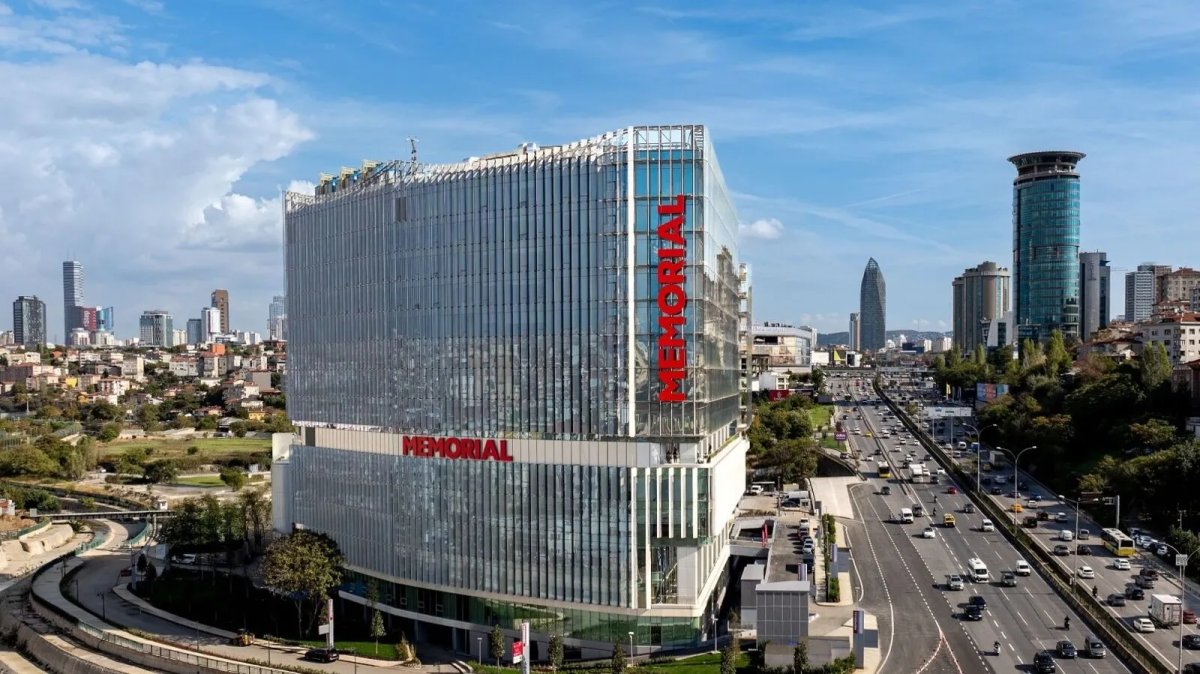 Glial Tumor Resection with Internal Decompression (Microsurgical Technique)
 Glial Tumor Internal Decompression
Resection of glioma Overview in Turkey
Takeaways
Related procedures & Costs
How it works
Benefits
Payment
patients recommend -
85%
Surgery Time - 4 hours
Stay in the country - 14 days
Rehabilitation - 30 days
Anaesthesia - General anaesthesia
Requests processed - 46119
Verified patient reviews - 20
Bookimed fees - $0
Types of Resection of glioma
- Brain tumor removal - from AUD $12,083The surgery extracts harmful growths in the brain, enhancing patient health and reducing symptoms like headaches or seizures.
- Transnasal resection of tumor - from AUD $12,083This operation removes tumors via the nose, reducing recovery time and minimizing surgical scars.
- Stereotaxic surgeries - from AUD $9,062The procedure uses precise coordinates to operate in small brain areas, enhancing accuracy and reducing complications.
- Removal of meningioma - from AUD $13,593The operation aims at surgically eliminating a benign brain tumor, enhancing neurological function and reducing symptoms.
- Resection of glioma - from AUD $15,406The operation removes brain tumors, enhancing patient survival and reducing symptoms, with accuracy and minimal harm.
- Resection of glioblastoma - from AUD $33,228Removal of a malignant brain tumor to control symptoms and prolong life.
- Excision of skull base tumor - from AUD $13,593The procedure removes growths near the skull"s bottom, using surgical techniques, improving patient health and lifespan.
- Pituitary tumor surgery - from AUD $12,083This procedure removes tumors located at the base of the brain, improving quality of life and reducing symptoms.
- Brain tumor surgery - from AUD $18,125Surgery to remove benign or malignant brain neoplasms to stop or control their growth.
- Surgical removal of the brain cyst - from AUD $12,083The procedure aims to remove brain cysts, enhancing patients" life quality by relieving symptoms and preventing complications.
- Brain Tumor Embolization - from AUD $12,083The procedure obstructs blood flow to brain tumors, hindering growth, making removal safer and easier.
How to find best solution with Bookimed?
Check available options for your case on the website.
Request a free consultation with documents assessment.
Download your medical records and describe your needs.
Receive customised free treatment plans with prices and details.
Compare them and finalise your choice.
Agree the date for your upcoming clinic visit.
Arrive and pay at the clinic. Bookimed fees are $0 for you.
From start to finish, the Bookimed coordinator keeps you safe and comfortable during your medical journey.
100% free, non-binding assessment of your medical records
Instant FREE personalised treatment plans to make the right choice
Expert guidance in choosing the perfect Oncology doctor and clinic.
Special packages and exclusive prices for our patients.
24/7 Bookimed guidance at no cost, guaranteed.
Hassle-free translation of your medical documents for clinics.
Bookimed's multilingual team ensures comfortable communication.
Bookimed ensures transparent and secure payments. Patients pay at the clinic with no additional fees.
Available Payment Methods:
How to Secure an Appointment:
1. Documents: Passport and ticket copies.
or
2. Deposit:
- Bookimed deposit: $200 or €200.
- Clinic deposit: Pay a set percentage in advance.
For more information, see our Payment Policy
Our Trusted Doctors for Australian Patients
View all Doctors
verified
Mustafa Solak
20 years of experience
Dr. Solak specializes in complex cancer cases, trained at Hacettepe University Cancer Institute and MD Anderson Cancer Center.
- Expertise in breast, testicular, ovarian, lung, and gastrointestinal cancers
- Fellowship-trained at one of the world's leading cancer centers
- Practices at Hisar Hospital Intercontinental with advanced treatment options

verified
Alaettin Celik
49 years of experience
Prof. Dr. Alaettin Celik specializes in pediatric surgery and pediatric urology, with decades of experience at Istanbul Florence Nightingale Hospital.
- Founding chairman of Pediatric Surgery Department at Istanbul Faculty of Medicine
- Author of multiple pediatric surgery textbooks
- Member of Turkish Ministry of Health Pediatric Surgery Society
- Extensive research and publications in pediatric surgery

verified
Tahsin Ozatli
2016 years of experience
Associate Professor Tahsin Ozatli specializes in breast, lung, and gastrointestinal cancers at Istinye Liv University Hospital.
- Internal Medicine Specialist with diverse hospital experience
- Works in the Oncology Department with a focus on comprehensive cancer care
- Promoted to Associate Professor in 2016
- Education from Selcuk University Faculty of Medicine

verified
Mustafa Serkan Alemdar
20 years of experience
Dr. Mustafa Serkan Alemdar brings years of specialized training and experience in oncology to glioma treatment.
- Trained in medical oncology at Akdeniz University.
- Experience at several reputable hospitals including Akdeniz University Hospital and Antalya Training and Research Hospital.
- Specialized in internal medicine before moving to oncology.
Video Stories from Bookimed Patients
Amanda
My companion and I were treated with such kindness — I have nothing but admiration for the entire team.
Procedure: Mastectomy
Randolph
Stay strong, stay informed, and never underestimate the power of cutting-edge treatments and a solid support system.
Procedure: Radioembolization for liver cancer
Reviews about Bookimed: Discover Patients' Insights
All reviewsAnonymous • PET-CT with Gallium 68 (DOTATATE)
Georgia
18 Oct 2026
This was all great
If you're considering a Gallium 68 PET-CT abroad, here's my perspective. The human support was a definite highlight. My coordinator was excellent, always in touch, very kind and helping decide every issue. I found the doctor to be accurate and attentive, and having good translation support made a difference. The staff and accommodation were a boon. This was all great. On the other hand, the process could be more efficient. I wish the clinic were supporting my native doctors' reports for MRI, CT, and biopsy, so I hadn't had unnecessary expenses. Having to repeat diagnostics that were already done at home was frustrating. Overall the medical care was solid, but it's worth clarifying their policy on existing records before you commit.
Coordinator was eccellent, always in touch, vety kind and helping deciding every issue, doctor was accurate and attentive, translation support was good, staff and accomodation were boon
I wish clinic were suppirting my native doctors' reports for MRI, CT, PET/CT scans, biopsy patomorphology and I hadn't unnecessary expenses
Anonymous • PET-CT with Gallium 68(PSMA)
Turkey
3 Oct 2026
I can confirm that this part of my medical journey was managed with thorough competence
My primary concern before traveling for a PET-CT with Gallium 68 was the logistical side of things and whether every step would be clearly explained and executed in a new medical system. These worries proved to be entirely unfounded. The entire process was managed with clear and direct communication from the staff and the surgeon, which made a significant difference. The clinic's organization was evident. Everything was handled systematically, and each stage of the diagnostic procedure was laid out for me beforehand, so there were no surprises. The approach was very professional. but I can confirm that this part of my medical journey was managed with thorough competence.
Anonymous • Immunotherapy with Keytruda (Pembolizumab)
United Arab Emirates
30 Dec 2024
Thanks to Dr
I had an excellent experience at VM Hospital, and I am incredibly grateful to Dr. İBRAHİM KADIOĞLU for his outstanding care and expertise. From the moment I entered the hospital, I was impressed by the clean and welcoming environment, as well as the professionalism of the staff.
Dr. Ibrahim is truly remarkable. He took the time to thoroughly explain my inquiries , answer all my questions, and ensure I felt comfortable throughout the process. His compassion, knowledge, and attention to detail made a significant difference in my treatment and recovery.
Thanks to Dr. Ibrahim and the wonderful team at VM Hospital. I highly recommend this hospital to anyone seeking top-notch medical care. Thank you once again, Dr. Ibrahim, for your dedication and kindness!
Anonymous • Lobectomy
United Kingdom
22 Feb 2025
Professor Alper Toker is an outstanding doctor, professional, very knowledgeable
The team was great. Professor Alper Toker is an outstanding doctor, a true professional, and extremely knowledgeable. His team is perfectly organized, ensuring that everything runs smoothly.
The nurses were incredibly attentive and compassionate, providing excellent care and support throughout the entire process. They were always available to assist with any needs, making sure that we were comfortable and well-informed at all times.
From the initial consultation to the final stages of care, the entire experience was handled with **expertise and professionalism**. We are truly grateful for the dedication and hard work of Professor Alper Toker and his exceptional team.
Ержан • Tongue cancer
Kazakhstan
10 Oct 2024
Thank Allah that we met him and he did a good surgery
Many thanks to Dr Bora Basharan and Alisher Durdiev! Diagnosis: carcinoma on the tongue.
Alisher was very helpful with the choice and full support during the treatment. He gave us confidence in choosing Dr Bora Basharan by telling us about his professionalism and humanity. The most important thing for Alisher was the patient's health and to organise the diagnosis/surgery so that the patient gets the best results. We are very happy about this. We could not decide on the treatment (we were waiting for answers from South Korea) and Alisher did not give up to provide us with doctor's answers, answer our many questions and help with organisation. His ability to speak excellent Russian helped a lot in communication.
The first meeting organised by Alisher went well. The doctor explained everything about the surgery and gave us peace of mind due to his experience as a highly specialised ENT surgeon in oncology. The operation went well and the follow up health checks. The recovery is good.
We read many positive reviews online about Dr Bor Basharan which gave us more confidence. The reviews are true. After the surgery we were given a room with excellent food and the recovery was good.
Thank Allah that we met Alisher and Dr Bora Basharan, for his golden hands, good surgery and organisation. Thank you very much again!
Good health to all!
About Bookimed service
Online survey and automatic selection of clinic options that specialise in this disease. Quick answers and support.
An online service that helps people find the best treatment.
Mariam kimeridze • Radiation therapy for bowel cancer
Georgia
25 Jan 2024
We are very satisfied with all the jobs they did for us
Dear all, Higlhly recomending the Florence Hospital wich is locating in istanbul. We are very satisfied with the all jobs they did for us.
They have a online program BOOKIMED, wich will helps to you all to get a approximatelly quotation and treatment course step by step. Its very comportable and reachable for all. From here began a difficult road which we passed easily with the help of this clinic. The person whos name is Alisher Durdyyev, coordinator of the Florence hospital , took a good care for patient and us as well. Many thanks to him, he did his best.
Thank you All.
About Bookimed service
This is a great Online program, wich helps to everybody and creates an easy connections. Super!
Anonymous • Consultation with a mammologist
Turkey
13 June 2026
It was the right choice
What worried me most was the uncertainty and what the treatment plan would be. But my fears were put to rest after the very first consultation. The doctor was very attentive and explained everything in detail and calmly, which immediately put me at ease. I really appreciate that approach. All the staff at the clinic were responsive and supportive at every stage. The clinic itself made a good impression; everything is well organised. I am currently in the recovery phase and feel much calmer, having a clear understanding of the next steps. It was the right choice.
Everything was great
Anonymous • Basalioma
14 June 2026
The surgeon was excellent
What surprised me most about my basalioma treatment wasn't the procedure itself, but the detailed skin examination I received. The surgeon was excellent. He made sure all removal options were discussed clearly, which was reassuring since I already had my diagnosis before arriving. Right now, the treated area is healing very well. While the medical care was superb and the clinic facilities are great, the administrative staff seemed a bit disorganized, which was the only downside. Despite that, based on the surgeon’s work, it’s a place I would suggest to others.
My Bookimed coordinator was highly skilled, had the passion and patience for her work and that translated to the numerous array of options provided to me to choose from based on my budget during the entire process.She interacted with me 24/7 just for us to have solution within my schedule. All information (proforma, visa assistance, travel guidance and estimated personal expenses) for the entire treatment were on point and I encourage all manner of persons seeking medical treatment abroad to choose Bookimed as their medical tourism partner.
1. Interpreter only come when the patient calls for his services and that is only during the day. If the interpreter can also support beyond the interactions with the specialist.
2. Airport and Internal movement are left to the patient to handle which can sometimes be a major challenge for some category of patients and given the language barrier.
3. Hospital discharges are very strict even if you the patient feels he/she need additional day(s) to be fit for a return to the hotel to continue the recovery.
Anonymous • Immunotherapy with Keytruda (Pembolizumab)
Netherlands
31 May 2026
The doctor and all the staff have been very attentive and professional, which gives me confidence that I made the right choice of clinic and treatment process
My main concern before starting treatment was how my body would react to the drug. I’m undergoing a course of Keytruda immunotherapy for kidney cancer, receiving an infusion every three weeks. Yes, I have experienced some side effects. These are mainly digestive issues, and I feel a little more tired. Of course, I am still concerned that these might get worse over time. But I must say that the doctor and all the staff have been very attentive and professional, which gives me confidence that I made the right choice of clinic and treatment process.
Anonymous • PET-CT with Gallium 68 (DOTATATE)
Poland
24 Sept 2026
Everything was done at a very high level, and I am sincerely grateful for the help and support I received from everyone involved
The medical team's communication during my Gallium 68 DOTATATE PET-CT was direct and clear, which set the tone for the entire process. From coordination to the scan itself, every stage was handled with a high degree of professionalism. My overall sentiment is simple: everything was done at a very high level, and I am sincerely grateful for the help and support I received from everyone involved. The clinic environment and the attentive staff made a significant difference. I have no suggestions for improvement. The service was solid.
Anonymous • Testicular prosthesis
Italy
22 May 2026
When friends ask if I would suggest this clinic to them, my answer is a 10
My biggest worry was finding a surgeon and team I could completely trust for this personal procedure. That concern disappeared quickly. From the first consultation, the surgeon was professional and the staff were consistently kind, which made the whole process feel secure and well-managed. I'm still in the early stages of healing, but the level of care has been excellent. Everything was clear. When friends ask if I would suggest this clinic to them, my answer is a 10. The support has been fantastic.
Coordinator stayed in touch .The clinic exceeded expectations.I wanted to thank Dr. Baris Nuhoglu and his assistant, who took impeccable care of me. They listened to me and resolved a problem that was very serious and causing me discomfort. On May 19th, they gave me a new birth with professionalism, seriousness, and empathy.I have e big gratitude and deep respect to Dr. Baris and his team,
and I wish to return in a few months for a check-up and, who knows, maybe for another new treatment.😁😉👍
Anonymous • Prostatectomy
Ukraine
19 Aug 2026
The organization was top-notch
The consultation with the doctor and his calm confidence greatly helped to manage my anxiety. I went through the examination calmly and confidently, feeling a professional and compassionate approach at every stage. The organization was top-notch. The coordinator was always in touch, promptly resolving any issues that arose, and the transfer was always on time, which was very important. The clinic is excellent, and the staff is caring. The doctor himself is polite and attentive. Thank you.
The coordinator was always in touch👍
Great clinic👍
The doctor was polite and attentive👍
Transfer was always on time👍
Sergei • Complex oncology diagnostic
26 June 2026
Hisar Hospital is a clinic staffed by professionals who carry out their work to the highest standard;
Hisar Hospital is a clinic staffed by professionals who carry out their work to the highest standard; special thanks go to Dr Taifun Apuhan for his professionalism.
Special thanks also go to the staff and the interpreter, ‘Rabiya’ – everything was of the highest standard.
Anonymous • Prostate cancer
United Kingdom
25 Sept 2026
The support staff were truly exceptional, making a very difficult situation feel much more manageable
If you are looking into this clinic for prostate cancer treatment, I can offer my perspective. The support staff were truly exceptional, making a very difficult situation feel much more manageable, and the clinic facilities were solid. I would say my experience was overall good. However, there were some communication hurdles to navigate. While general language support was adequate, I felt this was a weak point during crucial consultations with the surgeon himself, which led to some uncertainty. This is the main reason for my lower rating for the doctor. It's just something to be prepared for. I am now focused on my recovery.
Overall good
Language support was adequate
Anonymous • PET-CT with Gallium 68(PSMA)
Turkey
19 Aug 2026
The staff were a definite highlight, providing excellent support and guidance throughout the PET-CT with Gallium 68 PSMA scan
I came away with a positive overall impression of the day. The staff were a definite highlight, providing excellent support and guidance throughout the PET-CT with Gallium 68 PSMA scan. They made me feel looked after. The doctor was professional and the clinic itself was well-equipped. My only negative, and the reason for a lower overall score, was the airport transfer. The taxi was difficult for me to get in and out of. More importantly, upon arrival at the airport, I could not find the driver at the designated meeting point, which created unnecessary stress. While the medical care was handled very well, the logistics of the transport could be improved.
A positive overall impression of the day
My only negative was the airport transfers
Difficult to get in and out of taxi. On arrival ay airport could not find diver at meeting point
Share this content
Updated: 22/11/2026
Authored by
 Anna Leonova
Head of Content Marketing Team
A certified medical writer with 10+ years of experience, developed Bookimed’s trusted content, backed by a Master’s in Philology and medical expert interviews worldwide.
Reviewed by Bookimed Medical Advisor
This page may feature information relating to various medical conditions, treatments, and healthcare services available in different countries. Please be advised that the content is provided for informational purposes only and should not be construed as medical advice or guidance. Please consult with your doctor or a qualified medical professional before starting or changing medical treatment.
FAQ about Resection of glioma in Turkey
These FAQs come from real patients seeking medical assistance through Bookimed. Answers are given by experienced medical coordinators and trusted clinic representatives.
What advanced technologies do Turkish hospitals use for glioma removal?
Turkish neurosurgical centres use high-precision tools to maximise glioma removal while sparing healthy brain tissue. These tools include intraoperative MRI (iMRI), neuronavigation, and awake craniotomy. Advanced facilities like Anadolu Medical Center and Memorial Sisli integrate real-time imaging and functional mapping. This protects motor and speech centres during complex resections.
- Intraoperative MRI: Provides real-time scans during surgery to verify the extent of tumour removal.
- Neuronavigation systems: Maps pre-operative scans onto the brain for sub-millimetre precision during surgical entry.
- Awake craniotomy: Enables surgeons to test speech and motor functions while removing the tumour.
- Fluorescence-guided surgery: Uses 5-ALA (the pink drink). It makes malignant glioma cells glow under blue light.
- Neuromonitoring: Continually checks electrical pathways to prevent permanent neurological deficits during the procedure.
Bookimed Expert Insight: Data shows that JCI-accredited centres often combine surgical resection with intraoperative monitoring and navigation. Anadolu Medical Center is one of these centres. Hospitals affiliated with global leaders, such as Johns Hopkins, provide access to specialised neurosurgeons. These experts focus on high-grade gliomas and complex functional mapping.
Patient Consensus: Patients recommend checking for intraoperative MRI. This ensures the tumour is fully removed before theatre ends. They value dedicated coordinators and interpreters in Istanbul. This helps manage the complex coordination between neurosurgery and oncology teams.
What is the typical success rate or extent of tumour removal for glioma surgery in Turkey?
Glioma surgery in Turkey achieves high success rates through maximum safe resection. Typically, surgeons remove 70% to 90% of tumour volume in high-grade cases. Leading JCI-accredited centres in Istanbul and Ankara report high gross total resection rates. These reach up to 85% for accessible low-grade gliomas.
- Surgical efficacy: Targeted volume reduction is achieved in 70% to 90% of malignant procedures.
- Resection rates: Surgeons reach complete visual removal in 60% to 85% of low-grade glioma cases.
- Technology: Specialists use intraoperative MRI and neuronavigation to maximise removal while sparing healthy tissue.
- Clinical benchmarks: Major Turkish hospital networks maintain neurological complication rates between 7% and 10%.
Bookimed Expert Insight: Turkish neurosurgery centres like Anadolu Medical Center benefit from direct affiliations with top-tier US institutions like Johns Hopkins. This partnership means surgical protocols for complex brain tumours follow the latest global safety standards. Australian patients often find that these high-volume centres perform far more glioma resections each year. Smaller private clinics at home perform far fewer.
Patient Consensus: Patients were impressed by the technology in Istanbul and felt supported by dedicated international coordinators. The thorough diagnostic tests and professional care provided immense peace of mind during a stressful holiday for treatment.
What does a standard medical tourism package for brain surgery include in Turkey?
Standard brain surgery packages in Turkey include microsurgical resection and preoperative testing. They also cover general anaesthesia and hospitalisation for 3 to 7 days. These bundles typically cover VIP airport transfers, specialist consultations, and personal interpreters at JCI-accredited facilities. Costs range from $10,200 to $17,800.
- Clinical inclusions: Covers surgical fees, anaesthesia, ECG, and pathology for pre-operation checks.
- Specialist access: Includes sessions with neurosurgeons and anaesthetists for detailed procedure planning.
- Inpatient care: Provides 3 to 7 days in hospital for intensive post-surgical monitoring.
- Patient support: Features dedicated English-speaking coordinators and chauffeur-driven transfers between the airport.
Bookimed Expert Insight: Anadolu Medical Center stands out because its neurosurgery department is affiliated with Johns Hopkins Hospital. Memorial Bahçelievler offers high-tech MRI. Anadolu, however, focuses on large glial tumours using navigation systems. This level of specialist infrastructure provides clinical safety levels comparable to private Australian hospitals.
Patient Consensus: Packages in Turkey bundle surgery, hospital stays, and transfers. However, Australians must budget extra for flights. Patients highlight the importance of staying several weeks to allow safe recovery before flying.
How long do international patients need to stay in Turkey after glioma surgery?
International patients typically stay in Turkey for 14 to 21 days after glioma surgery. This allows for 3 to 7 days in hospital and a local recovery period afterwards. Patients usually receive fit-to-fly clearance once sutures are removed and neurological stability is confirmed.
- Hospital stay: Patients spend 3 to 7 days as an inpatient, depending on the resection technique used.
- Initial monitoring: The first 24 to 48 hours involve intensive care to monitor brain swelling.
- Suture removal: Surgeons generally remove stitches or staples 7 to 14 days after the procedure.
- Flight safety: Experts recommend waiting at least 14 days before taking a long-haul flight to Australia.
Bookimed Expert Insight: Anadolu Medical Center packages include 7 hospital nights, which is longer than the 3-day stays at other clinics. This extended inpatient period is ideal for complex resections. It provides professional monitoring during the most critical phase of neurological recovery before patients move to a hotel.
Patient Consensus: Many patients plan for a 3-week stay in Turkey to allow time for wound checks. They suggest building in extra recovery time before the long flight home to manage post-surgical fatigue.
Which are the top-rated hospitals in Turkey for neurosurgery and brain tumours?
Turkey houses top-rated neurosurgery centres, such as Anadolu Medical Center and Memorial Sisli Hospital. These centres hold Joint Commission International accreditation. They use intraoperative MRI and neuronavigation for brain tumour treatment. Specialists such as Dr. Ahmet Hilmi Kaya perform complex glioma resections.
- Anadolu Medical Center: Affiliated with Johns Hopkins Medicine, using neuro-oncology systems for tumour mapping.
- Memorial Sisli Hospital: First Turkish hospital to earn JCI accreditation, specialising in high-volume microsurgical removals.
- NP Istanbul Brain Hospital: Europe’s second specialised brain hospital, featuring dedicated neurosurgery operating theatres and neuronavigation.
- Hisar Hospital Intercontinental: Provides MR-LINAC technology for precise imaging during intensive brain tumour treatments.
Bookimed Expert Insight: While many centres claim excellence, Anadolu Medical Center stands out for Australian patients. Its Johns Hopkins affiliation and MTQUA top 10 global ranking set it apart. The clinic includes airport transfers and personal coordinators. This simplifies logistics for patients travelling from Australia for complex neurosurgery.
Patient Consensus: Patients trust major tertiary hospitals in Istanbul, such as Koc University Hospital, for their multidisciplinary neuro-oncology teams. Experience matters more than hospital branding. Patients recommend verifying a surgeon's specific glioma case volume before booking.