4 Best Removal of spinal cord tumor Clinics in Turkey — AUD Prices


Medically reviewed by
Yesim Yildirim
How it works
How Much Does Removal of spinal cord tumor Cost in Turkey in AUD?
Removal of spinal cord tumor in Turkey typically costs from AUD $10,500 to AUD $40,100. The final price depends on the tumor location, surgical technique, and the need for intraoperative neurophysiological monitoring. Packages often include surgical fees, hospital stays, and airport transfers.
- Standard resection: AUD $10,500 to AUD $40,100 for microsurgical tumor removal.
- Spine tumor embolization: AUD $10,500 to AUD $11,800 for reducing blood flow before surgery.
- Intraoperative monitoring: Typically adds 15–20% to ensure spinal nerve safety during resection.
- Laminoplasty: Often preferred over laminectomy in younger patients to maintain spinal stability.
Bookimed Expert Insight: Choosing a hospital with advanced imaging leads to better outcomes. Anadolu Medical Center is ranked among the world's best by Newsweek and MTQUA. Prof. Nejat Akalan at Medipol uses iMRI and O-arm systems for millimeter precision. While basic packages start near A$13,500, premium options at JCI-accredited facilities around A$35,600 provide higher-tier post-operative care and specialised neurosurgeons.
| Turkey | Thailand | |
|---|---|---|
| Removal of spinal cord tumor | from AUD $10,500 | ≈ AUD $21,100 |
| Spine Tumor Embolization | from AUD $10,500 | ≈ AUD $7,500 |
Best Removal of spinal cord tumor Clinics in Turkey for Australians: 4 Verified Options and AUD Prices








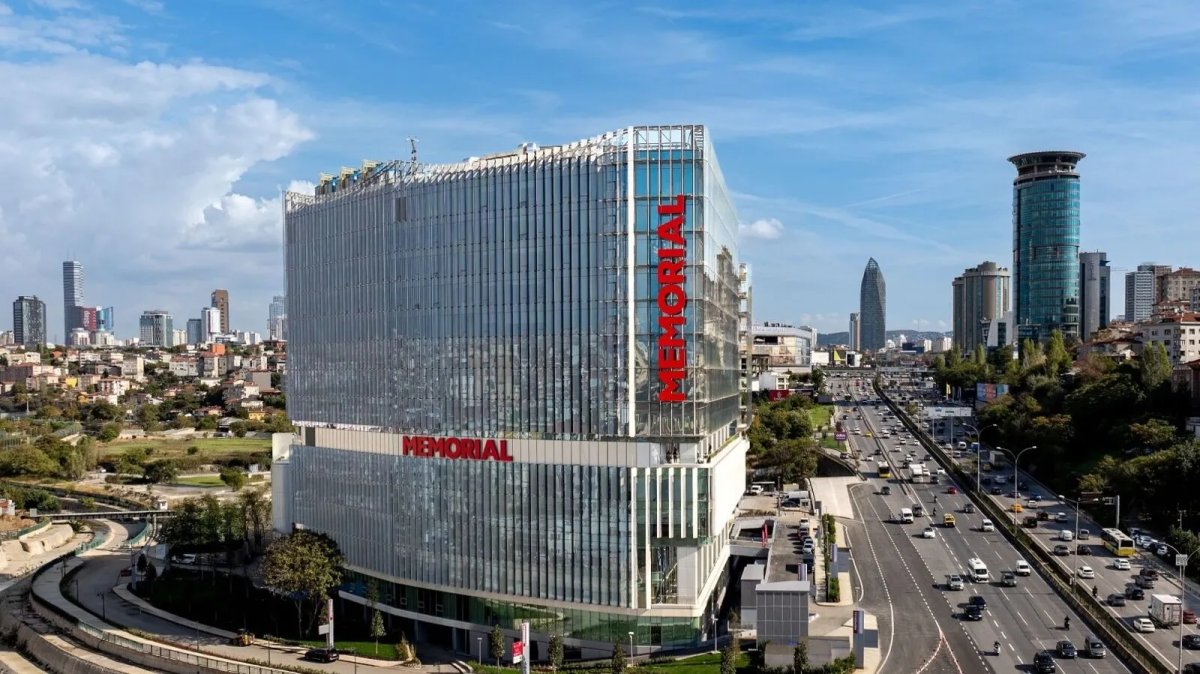
Removal of spinal cord tumor Overview in Turkey
- Removal of spinal cord tumor - from AUD $10,549The procedure aims to safely eliminate growths from the spine, helping to alleviate related pain and discomfort.
- Spine Tumor Embolization - from AUD $10,549The procedure targets spinal tumors, obstructs their blood supply, reducing size and ease surgical removal.
- Bookimed deposit: $200 or €200.
- Clinic deposit: Pay a set percentage in advance.
Our Trusted Doctors for Australian Patients
View all Doctors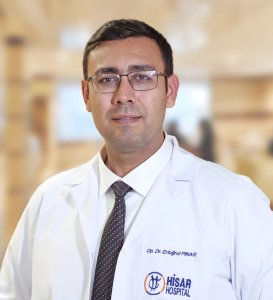
Ertugrul Pinar
Dr. Ertugrul Pinar specializes in complex brain and spine conditions, with extensive experience in both adult and pediatric cases at Hisar Hospital Intercontinental.
- Trained in neurosurgery at Marmara University
- Specializes in brain tumors, meningiomas, and spinal cord conditions
- Works with both adult and pediatric patients
- Handles a wide range of neurosurgical cases
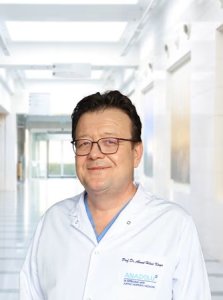
Ahmet Hilmi Kaya
Prof. Dr. Ahmet Hilmi Kaya specializes in spinal cord tumor removal at Anadolu Medical Center, combining academic rigor with hands-on surgical expertise.
- Professor of Neurosurgery with over 20 years of experience
- Expert in spinal instrumentation and stereotactic neurosurgery
- Multiple research awards for work on Parkinson's and spinal disorders
- Supervised groundbreaking thesis on brain metabolic activity changes
- Member of Turkish Neurosurgical Society and Turkish Medical Association

Hasan Ozgur Ozdemir
Prof. Dr. Hasan Ozgur Ozdemir specializes in endoscopic brain and spine surgeries at Medical Park Antalya Hospital Complex.
- Over 24 years of neurosurgical experience
- Expert in minimally invasive spine tumor removal
- First place in Turkish Neurosurgical Society Proficiency Exam
- Member of Turkish Neurosurgical Society
- Trained at Hacettepe University – one of Turkey's top medical schools

Baran Yılmaz
Dr. Yılmaz specializes in neurosurgery, with training at Yale School of Medicine. He operates at Istinye University Liv Hospital Bahcesehir.
- Member of Turkish Neurosurgery Association
- Member of Turkish Spine Association and AOSpine
- Graduated from Marmara University, Turkey
Video Stories from Bookimed Patients
Reviews about Bookimed: Discover Patients' Insights
All reviews


Share this content
 Anna Leonova

FAQ about Removal of spinal cord tumor in Turkey
What surgical techniques are used for spinal cord tumour removal in Turkey?
Surgeons in Turkey use microsurgical excision, laminectomy, and laminoplasty for spinal cord tumour removal. These procedures often utilise intraoperative neurophysiological monitoring to prevent nerve damage. Specialised centres in Istanbul employ high-powered microscopes and robotic systems. These allow for precise resection while protecting spinal stability.
- Microsurgical excision: Surgeons use high-magnification microscopes to separate tumours from delicate spinal nerves safely.
- Laminectomy approach: This technique involves removing part of the vertebra to access and decompress the cord.
- Laminoplasty technique: Doctors reconstruct the vertebral arch after tumour removal to maintain natural spinal alignment.
- Neurophysiological monitoring: Specialists track nerve signals in real-time during surgery to reduce paralysis risks.
Bookimed Expert Insight: While many centres offer laminectomy, leading hospitals like Anadolu Medical Center or Hisar Hospital Intercontinental prioritise laminoplasty. This is especially true for complex cases. This technique is often paired with intraoperative monitoring. It helps prevent post-surgical spinal deformity, which is a common concern for Australian patients.
Patient Consensus: Patients feel reassured by the thorough preoperative scans and the use of nerve monitoring. The professional coordination and clear communication in Istanbul made the intense surgical process feel manageable and safe.
What are the success rates for spinal tumour surgery in Turkey?
Spinal tumour surgery in Turkey has success rates between 85% and 90% for minimally invasive procedures and spinal stability. High outcomes are driven by intraoperative neurophysiological monitoring and microsurgery at JCI-accredited centres like Anadolu Medical Center and Memorial Şişli Hospital. These techniques protect nerve function during resection.
- Microsurgical precision: Surgeons achieve high rates of gross total resection while sparing healthy spinal cord tissue.
- Advanced monitoring: Intraoperative neurophysiological monitoring tracks nerve signals in real-time to prevent permanent neurological damage.
- Hospital stay: Patients typically need 6 days of specialist inpatient care for initial recovery and monitoring.
- Specialist expertise: Surgeons like Dr. Cevdet Gokcek report success rates reaching 95% for complex spine surgeries.
Bookimed Expert Insight: Data reveals that surgeons at major Istanbul centres often combine Yale or US-based fellowship training with high patient volumes. Leading specialists like Dr. Baran Yil or Dr. Nejat Akalan have handled thousands of cases. As a result, complication rates for delicate intramedullary tumours remain low.
Patient Consensus: Patients in Turkey report regaining sensation and mobility shortly after surgery. They highlight the importance of asking for surgeon-specific resection estimates and having a clear rehabilitation plan for returning to Australia.
What is included in a typical spinal tumour surgery package in Turkey?
Typical spinal tumour surgery packages in Turkey include the neurosurgeon fee and general anaesthesia. They also cover approximately 6 nights of hospitalisation. Most all-inclusive bundles also cover pre-operative diagnostic tests and neurophysiological monitoring during the operation. They include VIP airport transfers to the clinic.
- Medical services: Include neurosurgeon fees, anaesthetist consultations, and all theatre costs.
- Diagnostic imaging: Covers pre-op blood tests, ECG, and postoperative MRI or CT scans.
- Hospital stay: Typically provides 4 to 6 nights in a private hospital room.
- Logistical support: Offers VIP airport-clinic transfers and dedicated English-speaking patient coordinators.
- Recovery aids: Often provides post-op medications and supportive devices like neck collars.
Bookimed Expert Insight: High-end packages at Memorial Healthcare Group often reach A$39,200 because they bundle complex laminectomies. Patients can save by choosing centres like Anadolu Medical Center. There, affiliation with Johns Hopkins ensures top-tier neurophysiological monitoring for approximately A$24,800.
Patient Consensus: Packages in Turkey feel seamless because coordinators handle everything from transfers to translation. Patients appreciate that follow-up scans and neck collars are typically included in the upfront price. Confirming every itemised detail before flying prevents confusion during the recovery period.
How long does recovery after spinal cord tumour removal in Turkey last?
Spinal cord tumour recovery in Turkey typically involves a 4 to 6-day hospital stay. This stay is for pain management and monitoring. Wound healing takes about 3 to 4 weeks. However, initial mobility begins within 1 to 2 days after surgery. Full neurological and strength recovery often requires 3 months to 2 years.
- Hospitalisation: Patients stay 4 to 6 nights for intensive monitoring and pain control.
- Initial mobility: Assisted walking usually begins within 1 to 2 days after the operation.
- Wound healing: Skin incisions generally heal within 3 to 4 weeks with proper care.
- Rehabilitation: Formal physiotherapy starts around week 4 to restore strength and coordination.
- Nerve recovery: Sensation and motor function improvements continue for up to 2 years post-surgery.
Bookimed Expert Insight: Turkish neurosurgery packages often include intraoperative neurophysiological monitoring to protect spinal nerves during tumour removal. Clinics like Anadolu Medical Centre and Hisar Hospital build in 6-day hospital stays. This longer clinical observation period helps manage the early, critical phase of neurological recovery. It does so more effectively than shorter stays.
Patient Consensus: Getting up to walk within 48 hours is standard. However, long-term success in Turkey depends on months of dedicated physiotherapy. Patients can expect significant improvements in the first 90 days. However, sensory changes like numbness can take over a year to resolve.
Which hospitals in Turkey are recommended for spinal tumour removal?
Memorial Sisli Hospital, Anadolu Medical Center, and Hisar Hospital Intercontinental are top-rated Turkish hospitals for spinal tumour removal. These JCI-accredited facilities specialise in microsurgery and neuromonitoring to protect nerve function. Specialists often use 3T MRI and O-arm 3D imaging. This allows precise resection of intramedullary or extramedullary tumours.
- Anadolu Medical Center: Affiliated with Johns Hopkins Hospital, offering neurophysiological monitoring and thoracic laminoplasty.
- Memorial Healthcare Group has multiple centres, including Sisli and Bahcelievler. These offer laminectomy with Magnetom Skyra 3T MRI.
- Hisar Hospital Intercontinental has a dedicated neurosurgery unit. It is equipped with 640-slice CT scanners and MR-LINAC.
- Florence Nightingale Hospital is Turkey's first smart-and-green hospital. It specialises in complex neuro-oncology and full-endoscopic spine surgery.
Bookimed Expert Insight: Anadolu Medical Center stands out for Australian patients because of its direct Johns Hopkins affiliation. This mirrors Western clinical protocols. Laminectomy packages start from A$13,300. However, for tumour cases, it's vital to choose a package with neurophysiological monitoring. This prevents permanent nerve damage during the procedure.
Patient Consensus: Large hospital groups like Acibadem or Memorial are preferred for complex oncology care. They are chosen over smaller clinics. Patients appreciate the approachable staff and thorough explanations during consultations. They also value the cleanliness of facilities in Istanbul.
What alternative treatments are available for spinal cord tumours in Turkey besides surgery?
Non-surgical alternatives for spinal cord tumours in Turkey include stereotactic radiosurgery like CyberKnife and Gamma Knife, targeted drug therapies, and interventional procedures like tumour embolisation. Major JCI-accredited centres in Istanbul use these methods to treat unresectable tumours or to control growth after incomplete surgical resection.
- Radiosurgery options: CyberKnife and Gamma Knife provide high-precision radiation to destroy tumour cells without incisions.
- Drug therapies: Specialists use targeted medications like everolimus and immunotherapy to slow malignant cell progression.
- Tumour embolisation: Interventional neuroradiologists perform this to cut off blood supply, costing $7,000 to $7,800.
- Focused ultrasound: MRgFUS technology allows for the non-invasive treatment of specific spinal tissues using heat.
Bookimed Expert Insight: Turkish oncology centres often combine treatments in ways that save time for international patients. Prof Gul Alco at Medipol uses CyberKnife alongside Da Vinci robotic systems for precise targeting. While surgery remains the primary tool for decompression, these non-invasive technologies allow specialists to manage complex cases that were previously considered untreatable.
Patient Consensus: Patients in Turkey find that radiation is effectively used to stabilise tumours when surgery is too risky. Many combine surgery with five weeks of follow-up radiation and targeted drugs to maintain long-term stability.