7 Best Laser Lithotripsy Clinics in Turkey — AUD Prices

Medically reviewed by
Gokhan Temiz
How it works
How Much Does Laser Lithotripsy Cost in Turkey in AUD?
Laser lithotripsy in Turkey typically costs from AUD $7,100. The total price depends on stone size, location, and the specific laser technology required. Fees generally include the specialist consultation, anaesthetic, the procedure itself, and a short hospital stay.
- Ureteroscopy with laser lithotripsy: from AUD $11,300 for kidney stone removal.
- Advanced RIRS: adds 30–40% to the base price for flexible digital scopes.
- Holmium laser lithotripsy: typically costs more than standard lasers due to higher stone-clearing efficiency.
- Premium hospital tier: JCI-accredited facilities in Istanbul often charge 20% more than mid-tier centres.
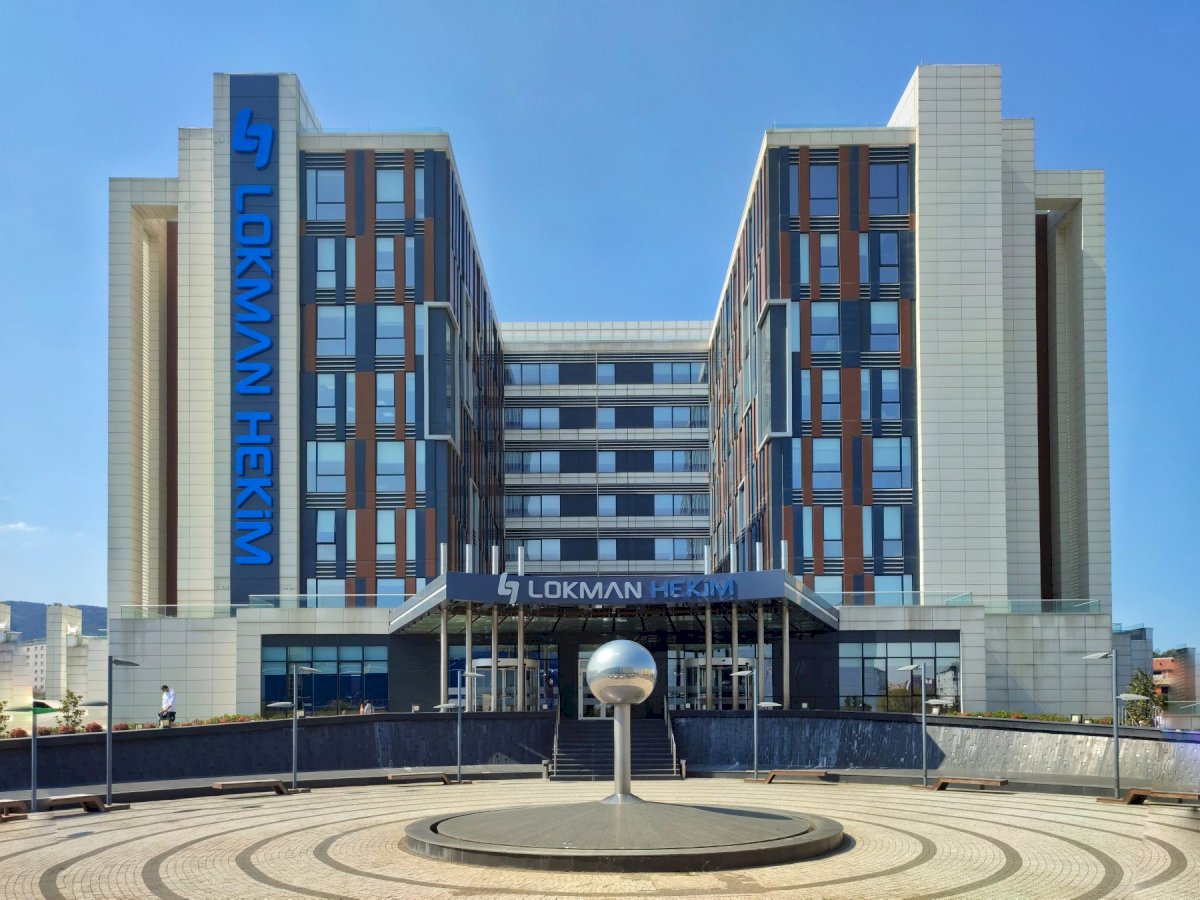
Bookimed Expert Insight: Choosing a specialist with high procedural volume provides the best value. Professors like Ozkan Onuk have performed over 1,000 kidney stone surgeries using minimally invasive techniques. Quality is high at JCI-accredited hubs like Hisar Hospital Intercontinental or Lokman Hekim Istanbul Hospital. These clinics use German-certified quality systems, such as TÜV NORD, which audits clinics against international safety standards.
| Turkey | Thailand | |
|---|---|---|
| Laser Lithotripsy | from AUD $7,100 | ≈ AUD $3,500 |
| Ureteroscopy with laser lithotripsy (kidney stone removal) | from AUD $11,300 | ≈ AUD $4,200 |
Best Laser Lithotripsy Clinics in Turkey for Australians: 7 Verified Options and AUD Prices

Anadolu Medical Center
Elnur Allahverdiyev














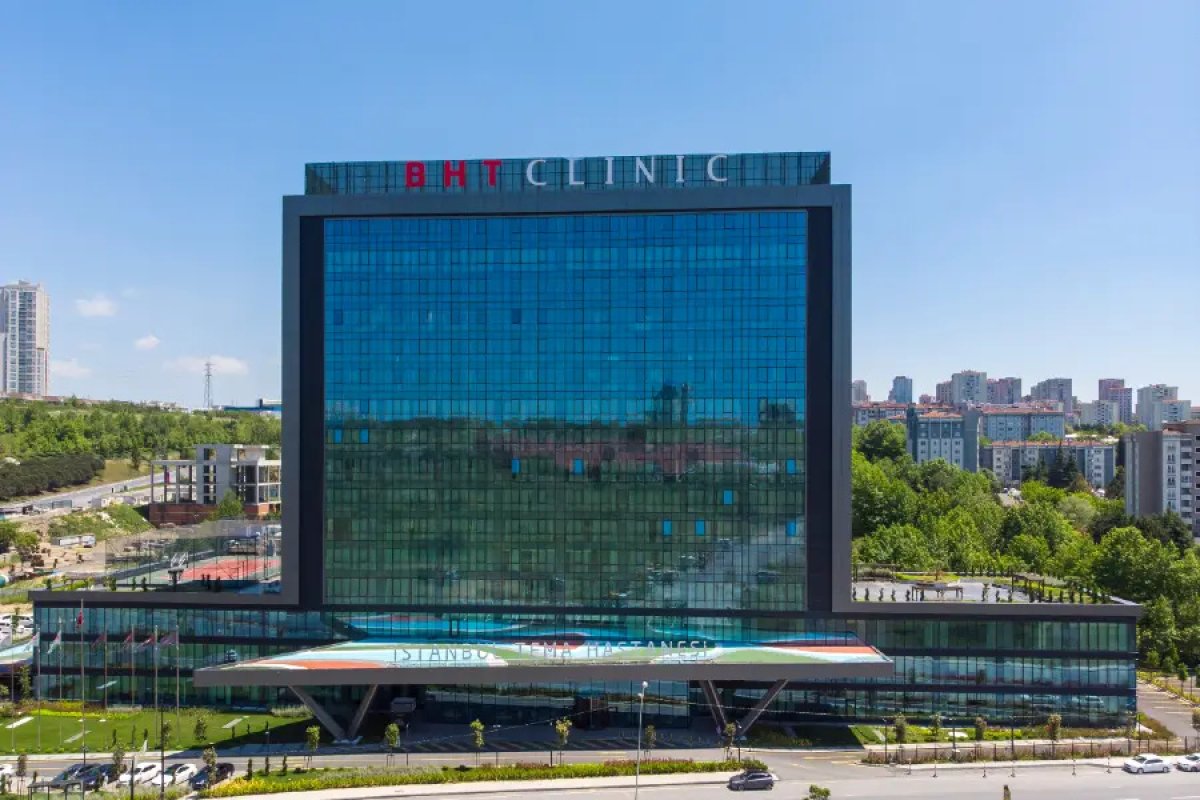
BHT CLINIC Istanbul Tema Hospital
Assoc. Prof. Dr. Haluk Söylemez
Assoc. Prof. Dr. Şahin Kılıç
Sahin Kilic
Özel Deva Hastanesi
Laser Lithotripsy Overview in Turkey
- Bookimed deposit: $200 or €200.
- Clinic deposit: Pay a set percentage in advance.
Our Trusted Doctors for Australian Patients
View all DoctorsElnur Allahverdiyev
Dr. Elnur Allahverdiyev specializes in kidney-stone surgery and minimally invasive urology at Anadolu Medical Center.
- Trained at Marmara University – a leading Turkish institution
- Expert in female urogynecology and reconstructive urology
- Certified in urodynamics for precise diagnostics
- Member of multiple international urological societies
Sait Aygun

Kadir Onem
Prof. Dr. Kadir Önem is a Professor of Urology at Medical Park Hospital in Samsun. He earned his MD and completed his urology residency at Istanbul University. He then completed a postdoctoral fellowship at Baylor College of Medicine in neuro-urology, reconstructive urology, and urologic oncology. He treats complex neuro-urological and reconstructive cases in adults and children. He has developed surgical techniques.
He is a principal investigator in several international Phase III–IV trials on neurogenic bladder and bladder cancer. He has more than 70 publications and book chapters. He serves as a reviewer for multiple journals.
Leadership and affiliations: President, Turkish Urological Association – Western Black Sea Branch (2025). ISCoS Prevention Committee (2025). EAU Neurourology Group (2023–2025). ICS Neurourology Committee (2023–2025). INUS Board (2023). Awards: TUA (2016, 2017, 2020, 2022) and ICS (2020).
Sahin Kilic
Dr. Sahin Kilic is a urologist in Antalya. He treats urological oncology and performs minimally invasive reconstruction. Dr. Kilic uses robotic and laparoscopic techniques for adrenal, kidney, and bladder surgery. He uses MR-TRUS fusion technology for targeted prostate biopsies.
- Performs robotic radical prostatectomy and Retzius-sparing procedures for prostate cancer.
- Uses Holmium and Thulium laser platforms for HoLEP and flexible ureteroscopy.
- Treats kidney stones using percutaneous nephrolithotomy (PCNL) and laparoscopic methods.
- Creates metabolic risk assessments to prevent urinary stones from returning.
Video Stories from Bookimed Patients
Reviews about Bookimed: Discover Patients' Insights
All reviewsShare this content
 Anna Leonova
FAQ about Laser Lithotripsy in Turkey
What happens during a laser lithotripsy procedure in Turkey?
Laser lithotripsy in Turkey uses a specialised laser fibre to break urinary stones into dust. Specialists perform this via a natural opening, so no incisions are required. Short pulses from a holmium laser break stones down over 30 to 60 minutes. The procedure is performed while patients are under general anaesthesia.
- Technique delivery: Surgeons use a thin ureteroscope to reach stones in the bladder or kidneys.
- Laser fragmentation: Targeted energy pulses smash stones into debris small enough to pass naturally.
- Debris extraction: Specialists use micro-baskets to remove larger fragments immediately during the surgery.
- Stent placement: A temporary double-J stent keeps the ureter open during initial healing.
Bookimed Expert Insight: Many centres offer standard lithotripsy. However, Turkish professors like Dr Ali Ferruh Akay often specialise in Retrograde Intrarenal Surgery (RIRS). This technique allows them to reach stones in difficult kidney locations using flexible scopes. Choosing a surgeon with 20+ years of experience in endourological techniques helps achieve higher stone-free rates.
What is the success rate of laser lithotripsy in Turkish hospitals?
Laser lithotripsy in Turkey achieves a stone fragmentation success rate between 85% and 95%. Hospitals use Holmium:YAG laser technology for these procedures. Success for ureter or bladder stones reaches up to 99.1%. Kidney stone clearance via retrograde intrarenal surgery matches this after a second session.
- Stone size: Small stones under 10 mm show a 97.6% average clearance rate.
- Upper tract: Kidney stone clearance typically ranges from 60% to 85% per session.
- Clinical safety: Most Turkish centres report low complication rates of approximately 6%.
- Surgical volume: Specialists like Dr Ozkan Onuk have performed 1,000+ stone surgeries.
Bookimed Expert Insight: Laser lithotripsy typically costs from $4,700 in Turkey. The real value lies in the fast recovery time. Leading Istanbul hospitals like Hisar Hospital Intercontinental perform these as same-day procedures. This allows Australian patients to return to light activity within 48 hours.
Patient Consensus: Patients in Turkey highlight the speed of the procedure and professional surgeons. Minimal discomfort and a rapid return to daily life were frequently noted as highlights.
What are the advantages of choosing laser lithotripsy over shockwave therapy (ESWL) for treatment in Turkey?
Laser lithotripsy in Turkey offers a 97% success rate and immediate stone removal in one session. This endoscopic technique uses Holmium or Thulium lasers to destroy hard stones. Unlike shockwave therapy, it provides predictable outcomes for international patients within a shorter travel timeline.
- Success rate: Achieves 92% to 97% stone-free status immediately compared to unpredictable shockwave sessions.
- Treatment sessions: Typically requires 1 definitive procedure, whereas shockwave treatment often needs 2–3 sessions.
- Stone density: Destroys very hard stones like calcium oxalate that resist external acoustic waves.
- Physical removal: Surgeons extract fragments instantly using specialised baskets to avoid painful debris passage.
- Patient eligibility: Safe for patients with a high body mass index or those taking blood thinners.
Data shows specialists like Prof. Dr. Ozkan Onuk have performed 1,000+ kidney stone surgeries. This volume explains why Turkish clinics can offer fixed-price bundles for complex endoscopic cases.
Patient Consensus: Patients find laser lithotripsy a one-and-done solution in Turkey that avoids the pain of passing fragments. Direct visual control allows surgeons to clear harder stones that external shockwaves often miss.
What should I expect during recovery after laser lithotripsy in Turkey?
Recovery after laser lithotripsy in Turkey is typically swift. Most patients resume light activities within 1–2 days. Specialists like Dr Ozkan Onuk use minimally invasive endoscopic techniques so patients are mobile shortly after surgery. Full resolution of urinary irritation usually occurs within 7–14 days.
- Activity resumption: Most patients return to light work within 3–7 days of surgery.
- Urinary symptoms: Expect pink-tinged urine and bladder spasms for several days after treatment.
- Stent management: Discomfort often stems from the temporary stent, which stays for 1–2 weeks.
- Flight timing: Surgeons usually recommend waiting 3–5 days before flying to prevent mid-flight pain.
Bookimed Expert Insight: Prof Ali Ferruh Akay at Başkent University Istanbul Hospital has 30 years of experience in endourology. Our data shows that high-volume surgeons often use flexible ureteroscopy (RIRS). This technique allows for quicker discharge than traditional methods, often requiring only a single night in hospital.
Patient Consensus: Recovery feels notably faster after stent removal. Plan your travel dates around this. Stay hydrated to flush stone fragments. Expect frequent bathroom visits and some discomfort when moving.
How long should I plan to stay in Turkey for laser lithotripsy?
Australians should plan to stay in Turkey for 5 to 7 days for laser lithotripsy. This timeframe allows for pre-operative tests, the procedure, and initial recovery. Surgeons recommend this duration to check the urinary tract is stable before long-haul flights home.
- Hospital stay: Most clinics include 1 night for observation after laser treatment.
- Medical breakdown: Stones are fragmented using lasers via ureteroscopy or percutaneous approaches.
- Stent factor: Patients with temporary stents may require a 14-day stay for removal.
- Recovery phase: Fragments often flush out naturally over 3 to 5 days post-surgery.
Bookimed Expert Insight: Laser lithotripsy in Turkey costs from $4,700. Our data shows that professors like Dr Ali Ferruh Akay bring 30+ years of experience. Choosing a high-volume centre like Hisar Hospital Intercontinental ensures the team handles complex stone cases daily.
Patient Consensus: Short medical stays in Turkey are common. Patients suggest allowing extra buffer days for stent-related discomfort or follow-up visits. Many appreciated having multilingual coordinators help with logistics and local support during the first few days of recovery.
Which are the best cities and hospitals in Turkey for urological laser lithotripsy?
Istanbul, Ankara, and Antalya are the premier destinations for urological laser lithotripsy in Turkey. These hubs house JCI-accredited facilities like Hisar Hospital Intercontinental and Anadolu Medical Center. Specialists here perform retrograde intrarenal surgery (RIRS) and ureteroscopic laser fragmentation to clear kidney stones. These procedures cost a fraction of Australian prices.
- Istanbul hub: Home to 390+ clinics including Quartz Hospital, serving thousands of international patients annually.
- Specialist expertise: Professors like Dr Ali Ferruh Akay have 25+ years of experience in complex endourology.
- Specialised techniques: Facilities offer flexible ureteroscopy (RIRS) and Mini-PNL for precise stone removal.
- Accredited safety: Major centres hold JCI and ISO certifications for international surgical theatre safety standards.
Bookimed Expert Insight: Istanbul is the most popular choice. Bookimed data shows Professor Ozkan Onuk in Istanbul has performed 1,200+ kidney stone surgeries. This high volume is a critical quality signal for patients seeking single-session clearance.
Patient Consensus: Patients in Turkey suggest prioritising the urologist's stone volume over the specific city. Many appreciate having a dedicated endourology team. They also value clear post-op plans for JJ stent management after returning home.