 Unilateral Laminectomy (Hemilaminotomy) with Ipsilateral and Contralateral Decompression, Single Level
Advertiser Disclosure
Last updated: 04/11/2026
14 Best Laminectomy Clinics in Turkey — AUD Prices
Want to explore more options? You can also browse all 14 clinics below.

85 %
patient recommendation
21 K+
patients
Meet the experts behind this page
Medically reviewed by
Ali Zirh
Authored by Anna Leonova
Head of Content Marketing Team
How it works
We've transformed the clinic search process, making it simple, fast, and personal.
Answer a few questionsTake a short quiz to share your Laminectomy goals.
Get personalised offers3 clinics, handpicked based on your answers, provide tailored treatment plans and quotes.
Choose the best optionCompare offers and choose the clinic that suits you best.
You can also browse all 14 clinics below.
1M+ patient inquiries
32+ countries
3,323 partner clinics
13,325 certified doctors
How Much Does Laminectomy Cost in Turkey in AUD?
Laminectomy in Turkey typically costs from AUD $5,600 to AUD $14,100, depending on the spine level and surgical technique. Major medical hubs include Istanbul, Ankara, and Antalya. Packages often include preoperative MRIs, specialist consultations, hospital stays, and airport transfers.
- Lumbar laminectomy and stabilization: AUD $7,100 to AUD $16,200 for single-level decompression and spinal support.
- Cervical procedures: Often cost 15–20% more than lumbar surgery due to anatomical complexity.
- Multi-level decompression: Typically adds 25–40% to the base price for each additional spinal level.
- Instrumentation and grafts: Using internal fixation devices like screws or rods increases hardware costs significantly.
Bookimed Expert Insight: Choosing a specialist with high procedural volumes offers the best value for complex spine cases. Experienced surgeons like Dr. Ertugrul Pinar at Hisar Hospital Intercontinental have performed over 1,100 spine surgeries. Entry-level packages at Hisar start around A$4,984, including minimally invasive techniques. This provides a balance of expert care and significantly lower out-of-pocket costs compared to Australian private hospitals.
| Turkey | Thailand | |
|---|---|---|
| Laminectomy | from AUD $5,600 | from AUD $19,600 |
| Lumbar Laminectomy and Stabilization Surgery Single Level | from AUD $7,100 | ≈ AUD $14,100 |
Data verified by Bookimed as of November 2026, based on patient requests and official quotes from 152 clinics worldwide. Median costs are based on real invoices (2025–2026) and updated monthly. Actual prices may vary.
Best Laminectomy Clinics in Turkey for Australians: 14 Verified Options and AUD Prices
Procedure type
Unilateral Laminectomy (Hemilaminotomy) with Ipsilateral and Contralateral Decompression, Single Level


 Unilateral Laminectomy (Hemilaminotomy) with Ipsilateral and Contralateral Decompression, Single Level
 Posterior Cervical Laminectomy (C3–C7)
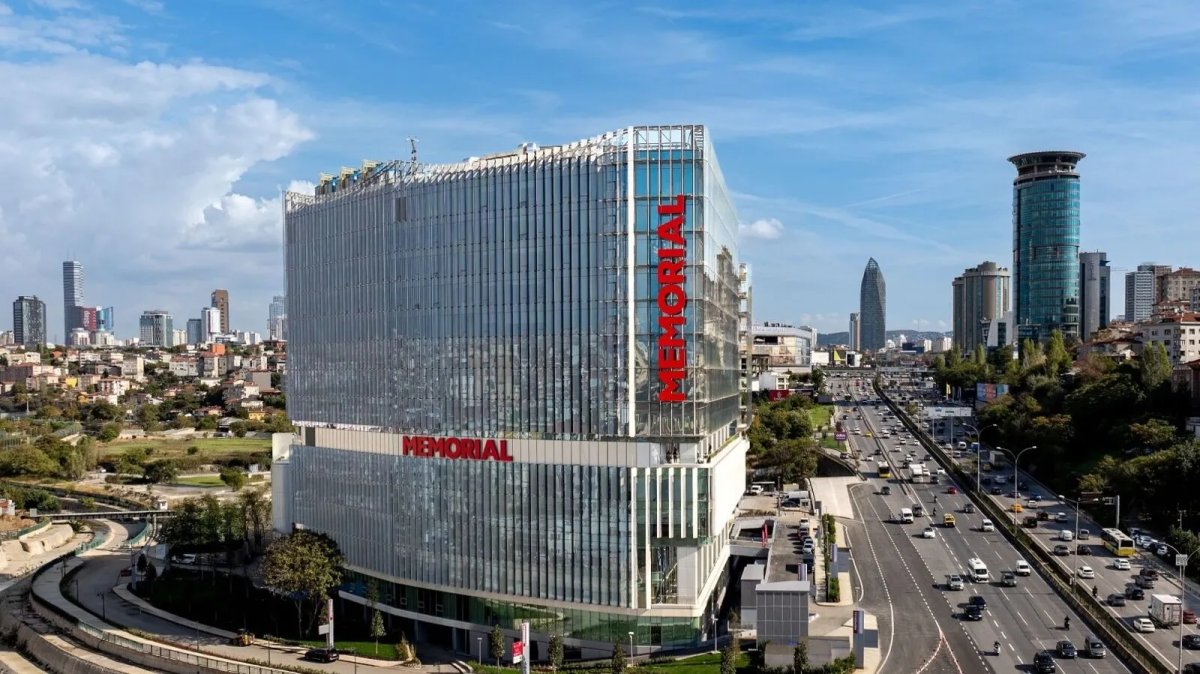 Unilateral Laminectomy (Hemilaminotomy) with Ipsilateral and Contralateral Decompression, Single Level
You’ve viewed 4 of 14 packages
Laminectomy Overview in Turkey
Takeaways
Related procedures & Costs
How it works
Benefits
Payment
patients recommend -
85%
Surgery Time - 2 hours
Stay in the country - 7 days
Rehabilitation - 4 days
Anaesthesia - General anaesthesia
Requests processed - 21657
Verified patient reviews - 21
Bookimed fees - $0
Types of Laminectomy
- Laminectomy - from AUD $5,640This procedure relieves spinal pressure, involves removing part of the vertebra, offering pain relief and improved mobility.
How to find best solution with Bookimed?
Check available options for your case on the website.
Request a free consultation with documents assessment.
Download your medical records and describe your needs.
Receive customised free treatment plans with prices and details.
Compare them and finalise your choice.
Agree the date for your upcoming clinic visit.
Arrive and pay at the clinic. Bookimed fees are $0 for you.
From start to finish, the Bookimed coordinator keeps you safe and comfortable during your medical journey.
100% free, non-binding assessment of your medical records
Instant FREE personalised treatment plans to make the right choice
Expert guidance in choosing the perfect Neurosurgery doctor and clinic.
Special packages and exclusive prices for our patients.
24/7 Bookimed guidance at no cost, guaranteed.
Hassle-free translation of your medical documents for clinics.
Bookimed's multilingual team ensures comfortable communication.
Bookimed ensures transparent and secure payments. Patients pay at the clinic with no additional fees.
Available Payment Methods:
How to Secure an Appointment:
1. Documents: Passport and ticket copies.
or
2. Deposit:
- Bookimed deposit: $200 or €200.
- Clinic deposit: Pay a set percentage in advance.
For more information, see our Payment Policy
Our Trusted Doctors for Australian Patients
View all Doctors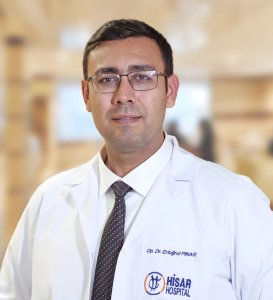
verified
Ertugrul Pinar
10 years of experience • 4500+ treatments performed
Dr. Ertugrul Pinar specializes in neurosurgery with a focus on brain and spine conditions at Hisar Hospital Intercontinental.
- Trained in neurosurgery at Marmara University
- Handles both adult and pediatric cases
- Expertise in brain tumors and spinal disorders
- Works with advanced neurosurgical techniques

verified
Zafer Orkun Toktas
17 years of experience
The doctor is an experienced neurosurgeon with over 15 years of clinical practice in Turkey. Throughout a distinguished career, the doctor has served in various high-profile medical institutions, including Memorial Ataşehir Hospital, VM Medical Park Pendik Hospital, and Bahçeşehir University Medical Park Göztepe Hospital.
Specializing in neurosurgical procedures, the doctor has extensive experience in managing complex neurological conditions and providing comprehensive patient care. Having served in both private hospital systems and state-run facilities, the doctor possesses a broad clinical background in surgical interventions and neurological health management.

verified
Yusuf Bayram
14 years of experience
Dr. Yusuf Bayram has performed over 1,000 orthopedic surgeries at Hisar Hospital Intercontinental. He specializes in spinal diseases and arthroscopic procedures. Dr. Bayram earned his medical degree from the prestigious Marmara University. He treats complex conditions like scoliosis, kyphosis, and spinal fractures. Hisar Hospital holds JCI accreditation for meeting high safety and treatment standards.
- Expert in minimally invasive knee, shoulder, and ankle arthroscopy.
- Performs joint replacements for the hip, knee, and shoulder.
- Specializes in surgical treatments for herniated discs and canal stenosis.
- Treats orthopedic trauma and developmental hip dysplasia.
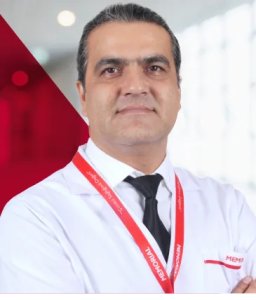
verified
Mustafa Sakar
15 years of experience
Dr. Mustafa Sakar is a neurosurgeon at Memorial Göztepe Hospital in Istanbul. He specializes in pediatric neurosurgery and tumor surgery. Dr. Sakar completed a corner tumor surgery observership at the University of Tübingen, Germany. He also trained in fetal spina bifida surgery at HCor in São Paulo, Brazil.
- Member of the International Society for Pediatric Neurosurgery (ISPN).
- Member of the European Association of Neurosurgical Societies (EANS).
- Active in the Turkish Neurosurgical Society Pediatric Neurosurgery group.
- Practices at Memorial Göztepe, which features AI-supported 3 Tesla MRI technology.
Video Stories from Bookimed Patients
Elissa
It’s definitely a lengthy process, but I'm excited to watch the results emerge!
Procedure: Rhinoplasty (nose job)
Reviews about Bookimed: Discover Patients' Insights
All reviewsAnonymous • Tummy tuck
United Kingdom
1 Nov 2026
Everything was well organized, and all transfers were on time and pleasant
I was nervous about handling all the travel arrangements, but in the end it was really simple. Everything was well organized, and all transfers were on time and pleasant. The hospital was modern and clean. My surgeon, Dr. Yaman, and his translator were very approachable with any questions, and he was honest about the realistic results for my full hip-to-hip tummy tuck. He was also present during recovery checks. I’m still in early recovery with two drains but feeling better than expected. A few things to note: it was quite late before I heard from the hospital coordinators, and be prepared to pay for post-op medications to take home. The food is pretty awful, so bring snacks or use the hospital cafe. The nursing staff are very good, but English is limited, so using a translation app on your phone is helpful. The clinic provided a clear aftercare guide and has been easy to reach.
Everything was well organized, all transfers were on time and pleasant. Hospital was very modern and clean with the latest technology. Nursing staff mostly all very pleasant although English wasn't great we got by. Surgeon Dr yaman and his translator were very pleasant and approachable with any questions or concerns.
It was quite late into my week of surgery before I heard from the hospital co ordinators, although once I did they were very quick to respond. Food is pretty awful so bring bits in yourself, although hospital cafe is quite decent. Be prepared to pay for post op medications to take home, I hadn't been made aware of this.
Anonymous • Spinal stenosis
Canada
10 Oct 2026
My coordinator, Olha, was excellent
My coordinator, Olha, was excellent. She kept in touch with me regularly, providing great reassurance that I had made the correct decision to come to Bursa, Türkiye for my spinal stenosis surgery. Her constant availability and very quick responses to any of my questions or concerns felt very personable and made a significant difference in my journey. I felt supported. The surgeon and the rest of the staff were also fantastic. While I rated the clinic facilities slightly lower than the people and only because of road noise in room, I have to say that my experience was all positive from start to finish. I am still in early recovery, but I am confident in the medical care I was given.
My coordinator Olha was excellent!! She kept in touch regularly and was a great reassurance that I had made the correct decision to come to Bursa Türkiye for surgery! She was available at all times and very quick to respond to any questions or concerns! Very personable!!
My experience was all positive!
Iryna Gumenchuk • Brain tumor removal
United States of America
16 July 2025
We felt fully confident knowing we were in the hands of one of the best in his field
World-Class Neurosurgical Care and Compassion
We are profoundly grateful for the exceptional care provided by Professor Ilhan Elmaci. His expertise, professionalism, and compassionate approach were evident from our very first meeting. Professor Elmaci performed the surgery to remove a medulloblastoma with extraordinary precision and care, and we felt fully confident knowing we were in the hands of one of the best in his field. Beyond his remarkable surgical skill, Professor Elmaci took the time to explain each step of the process with clarity and patience. He was always available to answer questions and offer reassurance, treating both the patient and our family with deep empathy and respect.
A heartfelt thank you to Coordinator Alisher, who supported us at every step. He was always responsive, attentive, and truly dedicated to the patient’s well-being. From organizing the transfer and handling all special requirements to keeping the family updated and arranging medical needs, he made a difficult time much more manageable.
The hospital staff was professional, kind, and caring throughout. We deeply appreciate the high level of expertise and personal attention that made all the difference in this journey.
About Bookimed service
⸻
Excellent Support and Coordination by Bookimed
We are very thankful to Bookimed for their outstanding support in organizing the entire process of surgery and treatment. From the very beginning, their team was professional, responsive, and truly dedicated to helping us find the best medical care possible.
They guided us through every step — from selecting the right hospital and specialist to arranging the logistics of travel, appointments, and treatment. Thanks to Bookimed, we were connected with Professor Ilhan Elmaci, an exceptional neurosurgeon, and received world-class care.
A special thanks to Coordinator Alisher, who was with us every step of the way. He handled all the details, ensured smooth communication between the hospital and our family, and made sure the patient’s needs were fully met. His commitment, compassion, and constant availability gave us comfort and confidence throughout this challenging time.
We highly recommend Bookimed to anyone seeking reliable, efficient, and compassionate medical coordination. They truly made a difference in our experience.
Anonymous • Consultation with a neurosurgeon
Uzbekistan
16 Dec 2024
They brought our boy back to life
From the bottom of our hearts we would like to express our gratitude to our doctor Ilhan Elmachi and his whole team. We are from Uzbekistan and when we were diagnosed with arteriovenous malformation we realised that this is the most complicated pathology of brain neurosurgery. Our boy is only 17 years old and therefore it is understandable what grief fell on us. But thanks to the clinic manager Florence Alisher, we came across our respected doctor. The operation lasted 17 hours. Two days later our boy was already in the ward. 15 days later we were home. Our boy is healthy Ilhan Elmachi is a high professional. THANK YOU for the sensitive and caring attitude to us doctor and his team and nurses They brought our boy back to life. Such people are like stars in the desert gave us hope. All health and success in science. May Allah protect you.
Mary Ndwiga • Pituitary adenoma
11 Oct 2024
We would strongly recommend this team to any foreigner visiting Turkey for treatment
I landed on Bookimed while searching for further treatment.. One Dr.Hilal got in touch with me and guided me through the different options available to us. We eventually settled on Florence nightingale hospital and immediately got in touch with Alişer, who walked with us through our preparation and arrival in Turkey as well as the hospital visits. He was kind enough to guide us on what was expected and was always available even at odd hours . The doctors at the Hosp led by Prof Elle and Prof Yusef, treated us with utmost professionalism. They calmly guided us through the process and made us understand what we are dealing with. They were not quick to rush into any interventions.. we felt very safe in their hands. A special thanks to Simaza our interpreter, you are a wonderful human being. Blessings lady. To The Professors, all medical professionals at the hospital, we are grateful. Hilal, Alişer and Simaza you the best. We would strongly recommend this team to any foreigner visiting Turkey for treatment..
we were happy! Blessings
Aleksandrs Berzins • Consultation with a neurosurgeon
Latvia
2 Oct 2025
If in your country it’s hard to find experience with complex medical cases, the best and most reliable choice is Florence Nightingale Hospital
Our heartfelt thanks to Florence Nightingale Hospital
My wife and I would like to share our sincere gratitude to the clinic and its amazing staff.
First of all, a huge thank you to our coordinator Alisher. He organized everything — hotels, transfers, and all the logistics — at the highest level. Everything was perfectly arranged. We are truly grateful for his care and professionalism. He was always by our side, and even when we were back home in Latvia, he stayed in touch and supported us every step of the way.
The attitude and professionalism of the doctors and medical staff were outstanding.
As for the treatment — my diagnosis was a brain tumor located in a very delicate and complex area where surgery is extremely challenging.
They managed to remove almost everything! The operation was performed by Professor Ilham Elmaci, a brilliant and highly experienced surgeon, together with his exceptional team. They did an amazing job.
What impressed us most was how seriously the whole team approached their work — every morning, even on weekends, almost the entire medical team came to check on me.
We would also like to thank Dr. Azat Mustafayev, a wonderful doctor who truly understands his patients and is always available and supportive.
And, of course, our special thanks to all the nurses and medical staff who cared for me, helped me, and patiently put up with me! 😂
If in your country it’s hard to find experience with complex medical cases, the best and most reliable choice is Florence Nightingale Hospital.
Best Regard Alexandrs and Kristina
All was cool.
Владислав • Brain tumor
Ukraine
23 Sept 2022


"Marina Provided us with moral support documentary for the second time at the highest level
Hello, my name is Vladislav Ivanov, Ukraine, Odessa city. In February 2021, my daughter Vlada was diagnosed with anaplastic ependymoma, we went to the doctors for a week trying to find out why the child started having severe headaches. They went through examinations, did an MRI, and as a fact, they found a brain tumor. That's when the ground slipped from under my feet. Realization has come - this has already happened, which means you need to quickly take action. The first thing we did was go to the children's hospital in Kyiv, the child was given a shunt. But unfortunately, fluid began to collect in my head and my vision began to fall sharply. The doctors explained that an operation was urgently needed. We did not have a large accumulated amount, and we decided to complete the operation abroad. We contacted Bookmed. We contacted the employee Marina. Marina quickly found a clinic for us in Turkey, organized a trip for us, flew to Turkey in a matter of days. The hospital was already waiting for us. Examined, took blood for tests and the next day an operation was scheduled. Everything went well. Then they underwent a course of radiotherapy. The results are positive, we were sent home to Ukraine (August 2021). Every 3 months they underwent MRI, the pictures were good .. But a year later, in March 2022, we heard the terrible words “relapse”, “war”. Hastily collected the necessary documents and left for Lviv. From there, by large buses, all children with cancer began to be taken out along the humanitarian corridor from Ukraine to Europe. The daughter and his wife were assigned to France. A second operation was performed, the tumor was removed, and after that a course of chemotherapy was prescribed. After a month of taking the course, the doctor said that chemotherapy was not helping. The doctor suggested experimental chemotherapy, but that didn't help either. As a result, the daughter is getting worse and worse every day. The child began to walk badly, the right leg and handle practically do not work. The child melted before my eyes. It's all very scary, but it's worse to leave Vlad without an opportunity for treatment. I again turned to Marina Bookmed Marina again very quickly found us a hospital in Turkey, helped us with the flight Paris Istanbul. Arrived at the hospital 2 days later, the operation was successful!!! After the operation, the child began to talk, swallow, and after a couple of days to walk. What I want to say Bookmed in particular Marina Provided us with moral support documentary for the second time at the highest level. Marina many thanks to you and your team THANK YOU.
About Bookimed service
Undoubtedly
Яна • MRI of the spine cord
Turkey
28 Oct 2023
I really liked the clinic
I really liked the clinic. Logistics. Transfer. The doctors are competent. Competent. The equipment in the clinic is new and excellent. But the translators were very upset, it spoiled my impression of the clinic. This made me very sad! The quality of the translation was incompetent, poor, slow, disorganized, very often different information, they did not answer my questions and I had to ask the same question 5 times to get an answer or an appointment with the doctor. They made mistakes regarding the diagnosis. It is unacceptable . I advise you to pay attention to translators and pay attention to the quality of their work! This spoils the reputation of the clinic!
About Bookimed service
I really liked the clinic, the doctors are very knowledgeable and competent, but I was disappointed by the translators, I didn’t like the quality of the translators’ work
Gul'mairam • Deep brain stimulation (DBS) surgery
Kyrgyzstan
15 May 2024
Overall, we are very satisfied with our visit to this clinic, the patient management tactics and we have a follow-up visit planned in 3 months
Good afternoon! We are from Kyrgyzstan!
We applied to the clinic through the bookimed website.
The coordinator Anastasia was very helpful, everything was organised very clearly, we were never disappointed. The clinic itself is impressive in terms of scale, cleanliness and quality of service, the staff is friendly and attentive. Our interpreter Lamia worked with us, coordinated our logistics around the clinic, tried to ensure timely appointments with doctors, she was very comfortable and easy to communicate with. But, there was a moment with the examination: we were referred to MRI, the procedure was quite long, the room was quite cold, so I was very cold. As a recommendation - it would be good to warn patients about the need to maintain a certain temperature regime in this room and somehow provide comfort as much as possible.
Overall, we are very satisfied with our visit to this clinic, the patient management tactics and we have a follow-up visit planned in 3 months.
Max • Consultation with a neurosurgeon
7 Oct 2023
He really did a great job with helping me understand and setting up everything as much as possible to enable me to have as much of a successful productive visit as I could, which I very much appreciate
I had some logistical problems leading up to my arrival, but i got great help from translator whom helped me throughout my stay, with translations as well as guiding me through the stepps by Wassim. He really did a great job with helping me understand and setting up everything as much as possible to enable me to have as much of a successful productive visit as I could, which I very much appreciate. The coordinator at the location also did a good job of trying to piece together a solution as we tried to find out if I could see some specific doctors whilst i was there which im thankful for.
About Bookimed service
If I have to use my critical eye, I would say, maybe outline the importance of having all the documents of MRI and scans available and underscore the importance of certain time frames when it comes to meeting certain doctors as some can be very busy if one meeting is missed.. And also maybe get all the information from the manager to the local manager about case, because I for example had a problem earlier with getting diagnosed, and would like to give that information to the local manager that earlier, I have had problems with that exact step, so we know to check extra well to see how we can get around finding a solution to my problem with that in mind, knowing it can be hard to find a diagnose, and to be a little extra prepared to navigate this problem.
Allan MacKay • Discectomy
United States of America
23 Apr 2026

Based on my journey so far, I would absolutely point a friend in this clinic's direction
If you're considering a discectomy/lumbar fusion and wondering where to go, I can speak to my experience here. The entire team deserves a 5/5 rating. Truly. From the surgeon's clear communication to the attentive staff, I felt I was in good hands throughout the entire process. The clinic environment itself was also comfortable and well-run. I’m still in the early phase of recovery, but the confidence I have in the care I received makes a huge difference. Based on my journey so far, I would absolutely point a friend in this clinic's direction. It was the right choice for me.
Anonymous • Gamma Knife
Bulgaria
11 Sept 2025
Благодарим на лекарите, които поеха нашия случай, тъй като беше доста сложен
Имахме доста сериозно образование АВМ за което намерихме лечението в клиниката. Тъй като резултатът изисква време, все още не можем да преценим дали е било успешно лечението, но за сега всичко ни хареса. Надяваме се, че ще получим позитивен финален резултат без сериозни странични ефекти. Ще проследяваме състоянието след лечението в клиниката. Благодарим на лекарите, които поеха нашия случай, тъй като беше доста сложен, а също и на Алишер, който помогна с организацията на лечението.
Отношението на докторите
Медицински персонал, освоен докторите не иска много да говори на английски.
Chris • Herniated disk
Canada
22 Jan 2023
"If you find yourself in need of Dr Kamran Aghayev’s skills I would recommend him without reservation
I can not say enough as to how good Dr Kamran Aghayev and him team are. Dr Kamran is so skilled and professional as well as so approachable. His staff made the entire experience so smooth and trouble free, they will make sure you don’t worry for anything. The hospital is very good and the nurses are great, friendly, considerate and professional. If you find yourself in need of Dr Kamran Aghayev’s skills I would recommend him without reservation.
About Bookimed service
I am completely satisfied with the service from Bookimed and Chukwu. Chukwu, thank you for your attention and time, you were the first factor to help me choose Dr Kamran Aghayev and I have no regrets. I wish you all the best.
Keith Bertling • Anterior Cervical Discectomy and Fusion
United States of America
14 Nov 2023

I was treated here like royalty
My whole family against me coming to turkey for this operation from the Us they were very scared and I was a little nervous as well . Wish they could have come and seen how I was treated here like royalty . Hate to admit it but would have never got this kind of service in US. I think everyone here that was involved doctors nurses interpreters drivers and sure left some out behind the scenes. Would definitely recommend and come back again
About Bookimed service
This was my first experience and if ever need be would recommend and use again
Mehmood • Consultation with a neurosurgeon
United Kingdom
14 Oct 2023
so far the best decision that I have ever made was to choose VMH hospitals for my surgery!!! 10/10
Highly recommended place for surgery, telling you from my own experience cause I went there for it and it was successfully done under the supervision of professional surgeons and doctors, my special thanks to the Team for rhw assistance throughout, the price is also commendable since it includes transport as well, so far the best decision that I have ever made was to choose VMH hospitals for my surgery!!! 10/10
Share this content
Updated: 04/11/2026
Authored by
 Anna Leonova
Head of Content Marketing Team
A certified medical writer with 10+ years of experience, developed Bookimed’s trusted content, backed by a Master’s in Philology and medical expert interviews worldwide.
Reviewed by Bookimed Medical Advisor
Ali Zirh
Neurosurgeon
This page may feature information relating to various medical conditions, treatments, and healthcare services available in different countries. Please be advised that the content is provided for informational purposes only and should not be construed as medical advice or guidance. Please consult with your doctor or a qualified medical professional before starting or changing medical treatment.
FAQ about Laminectomy in Turkey
These FAQs come from real patients seeking medical assistance through Bookimed. Answers are given by experienced medical coordinators and trusted clinic representatives.
Are Turkish spine surgeons and hospitals qualified for complex laminectomy surgery?
Turkish spine surgeons and hospitals are highly qualified for complex laminectomy. Many surgeons hold European Board of Neurosurgery (EANS) certification. Leading Istanbul facilities maintain Joint Commission International (JCI) accreditation. They provide advanced intraoperative neuromonitoring and robotic systems for patient safety during multi-level spinal decompressions.
- Specialist credentials: Surgeons like Dr. Salih Murat Imer hold EANS certification and international fellowships.
- Hospital standards: Memorial Şişli and Anadolu Medical Center maintain rigorous JCI and ISO certifications.
- Advanced technology: Centres use Mazor X Stealth and NAVIO robotic systems for high-precision surgery.
- International experience: Major hospitals serve 300,000+ patients annually, including hundreds from Australia and USA.
Bookimed Expert Insight: Basic laminectomy starts from $3,800. Complex cases often reach A$45,000. These involve posterior instrumentation for up to 5 levels at top-tier centres like Memorial Şişli. This cost includes extended 3–5 day hospital stays. These stays are vital for monitoring neurological recovery after intensive spinal reconstruction.
Patient Consensus: Patients recommend choosing hospital-based surgeries over smaller clinics for better specialist support. They found arranging appointments easy on short notice. They felt confident in surgeons who have international standing.
What is the recovery timeline after a laminectomy procedure in Turkey?
Recovery after a laminectomy in Turkey usually takes 6 to 12 weeks for a return to daily activities. Most patients stay in hospital for 1 to 5 days. This depends on whether surgeons perform a minimally invasive decompression or a multi-level lumbar laminectomy with instrumentation.
- Hospital stay: Patients spend 1 to 5 days in theatre recovery and wards.
- Travel clearance: Surgeons typically require 10 to 14 days before long-haul flights.
- Activity restrictions: Bending, lifting, and twisting are strictly avoided for 6 weeks.
- Nerve healing: Residual stiffness or nerve symptoms can take 12 months to resolve.
Bookimed Expert Insight: While hospital stays are brief, the real differentiator in Turkey is the mandatory "fit to fly" window. Surgeons like Dr. Ertugrul Pinar at Hisar Hospital Intercontinental, who has performed 1,100+ spine surgeries, often mandate a 10-day local stay. This manages potential post-op inflammation before the long flight back to Australia.
Patient Consensus: Initial pain and stiffness are high, but walking helps significantly during the first fortnight. Australians find the travel home stressful. Managing pain relief and arranging local follow-up care is essential.
What is usually included in medical tourism packages for laminectomy in Turkey?
Laminectomy packages in Turkey bundle neurosurgery fees, hospital stays of 1–5 nights, and essential medical tests. These packages typically include private airport transfers, 4-star or 5-star hotel accommodation for recovery, and English-speaking coordinators. The coordinators manage all appointments at JCI-accredited facilities.
- Surgical essentials: Includes lead surgeon fees, anaesthetist, theatre use, and all medical consumables.
- Hospital stay: Covers 1–5 nights in a private room with 24-hour nursing care.
- Diagnostics: Bundles pre-operative blood panels, coagulation profiles, and required MRI or CT scans.
- Local logistics: Features private VIP transfers between the airport, hotel, and hospital clinics.
Bookimed Expert Insight: While many packages look identical, the hospital stay duration is a key differentiator. Packages from Memorial Şişli Hospital often vary from 1 to 5 nights. The length depends on whether the laminectomy is a single-level decompression or a complex 5-level lumbar reconstruction with graft placement.
Patient Consensus: Patients in Turkey find that packages bundle surgery, hotel stays, and transfers into one fee. They value having an interpreter for every appointment. They often recommend budgeting extra for flights and potential recovery extensions.
How long do I need to stay in Turkey after a laminectomy?
Most patients stay in Turkey for 7 to 10 days after a laminectomy. Hospital discharge often occurs within 1 to 5 days. Staying locally allows surgeons to monitor initial healing and gives swelling time to subside before the long flight back to Australia.
- Hospital stay: Expect 1 day for single-level procedures and 5 days for cervical cases.
- Initial mobility: Most patients begin walking within 1 to 3 days after surgery.
- Flight clearance: Specialists recommend waiting 10 to 14 days before boarding long-haul flights.
- Wound care: Staying 7+ days allows for essential post-operative checks and stitch removal.
- DVT prevention: Extended local stays reduce blood clot risks during 15-plus hour flights.
Bookimed Expert Insight: Data shows hospital stays vary significantly by technique. Memorial Sisli Hospital requires 5 days for posterior cervical cases. It requires only 1 day for single-level lumbar procedures. Australian patients should choose clinics like Hisar Hospital, which are near Istanbul Airport. This minimises travel stress during the first 2 weeks.
Patient Consensus: The first fortnight is the hardest, so staying in Turkey prevents travelling during peak discomfort. Walking helps recovery. However, airport transfers and heavy luggage remain the biggest challenges for Australians returning home.