49 Best Cheek implants Clinics in Turkey — AUD Prices

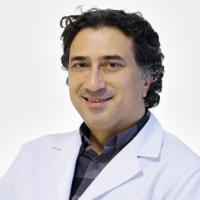
Medically reviewed by
Ergin Er
How it works
How Much Does Cheek implants Cost in Turkey in AUD?
Cheek implants in Turkey typically cost from AUD $2,200 to AUD $5,200, depending on the implant material, the surgeon's expertise, and the chosen city. All-inclusive packages often cover the surgeon's fee, silicone or Medpor implants, hospital stays, and VIP transfers between the airport and clinic.
- Surgeon expertise: highly experienced specialists or professor-level surgeons may charge 15–20% more for their services.
- Implant material: high-quality solid silicone or porous polyethylene (Medpor) impacts the final surgical quote.
- Clinical location: major medical hubs include Istanbul, Ankara, and Izmir, where infrastructure and competition are highest.
- Ancillary services: many clinics bundle accommodation and 24/7 patient monitoring into a fixed package price.
Bookimed Expert Insight: Australian patients find significant value at clinics like Dr. MED or Quartz Hospital, which frequently treat international travellers. Choosing a professor-level specialist, such as Dr. Furkan Karabekmez who trained at the Mayo Clinic, ensures surgical standards comparable to the highest Australian tier. Many top Istanbul hospitals hold JCI accreditation, which provides independent verification of patient safety and quality systems for those travelling from abroad.
| Turkey | Thailand | |
|---|---|---|
| Cheek implants | from AUD $2,200 | from AUD $2,200 |
Best Cheek implants Clinics in Turkey for Australians: 49 Verified Options and AUD Prices
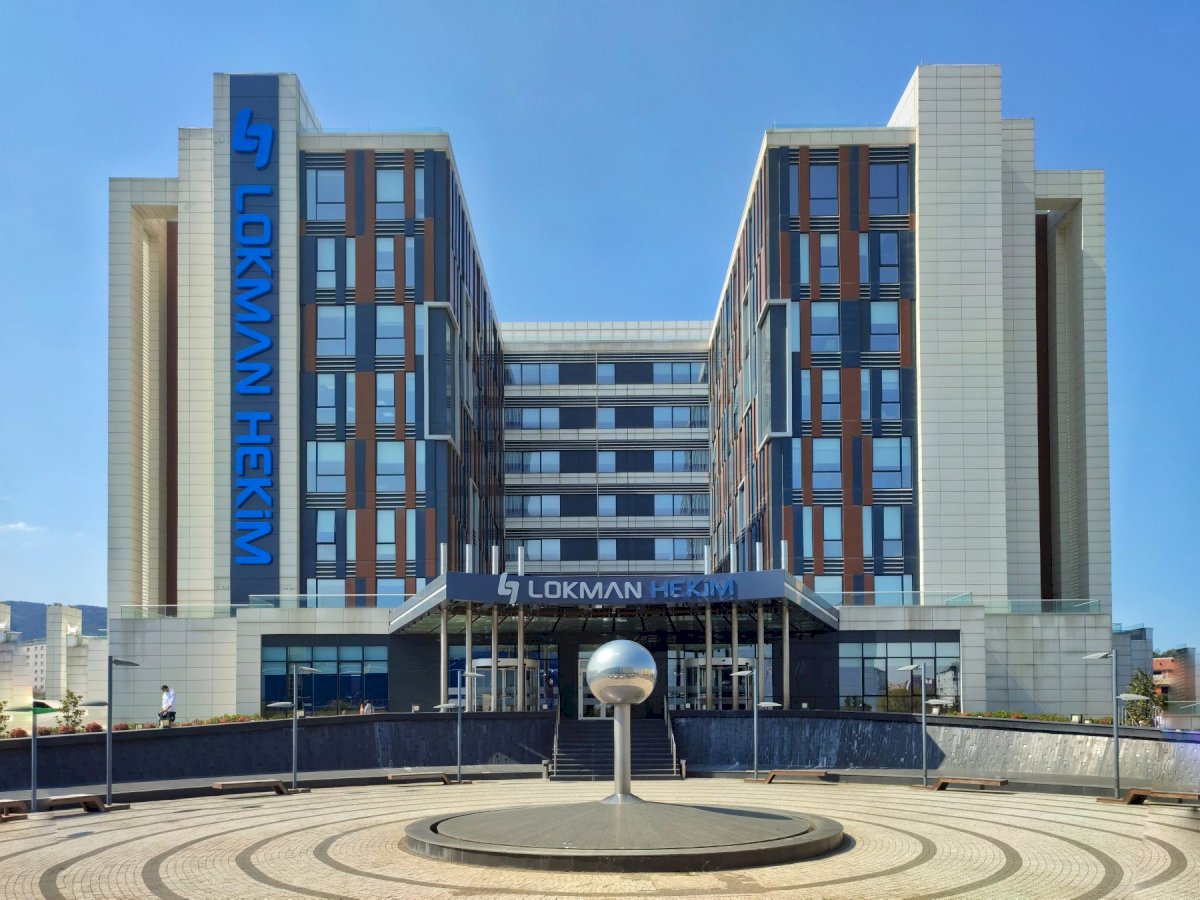
Lokman Hekim Istanbul Hospital
Murat Yaman










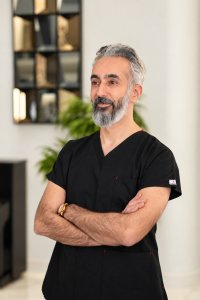
Prof. Dr. Furkan Erol Karabekmez Clinic
Furkan Erol Karabekmez
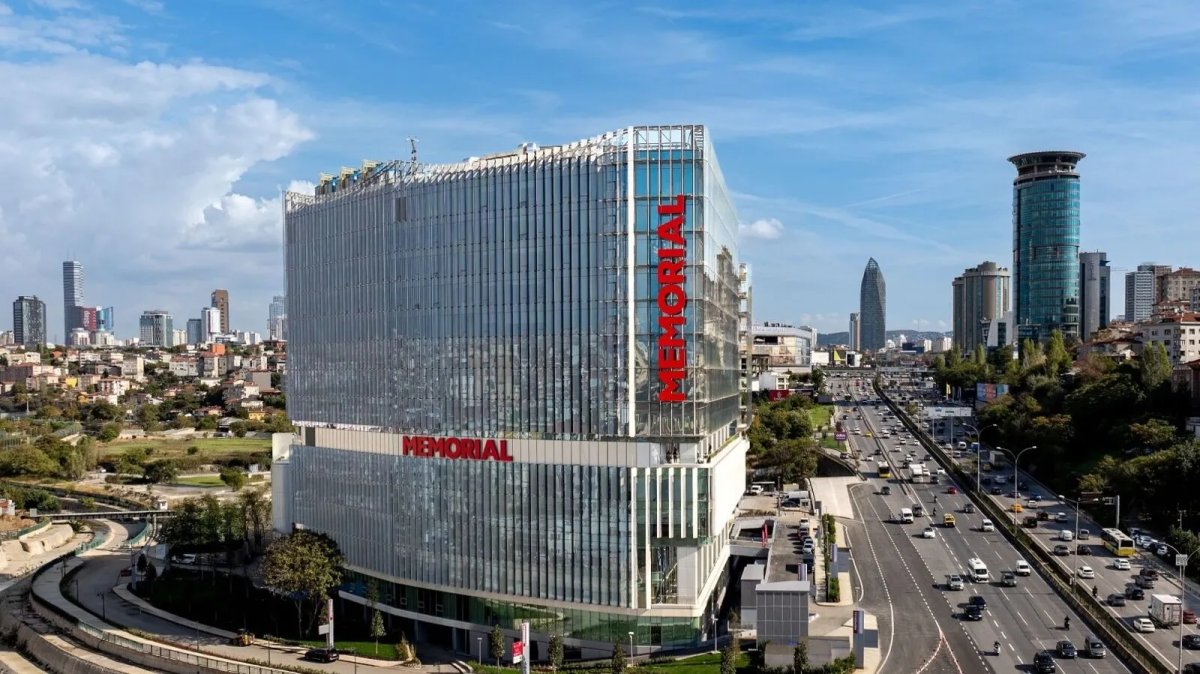
Memorial Göztepe Hospital


Memorial Ataşehir Hospital
Ercan Karacaoglu

Cheek implants Overview in Turkey
- Cheek implants - from AUD $2,226This procedure enhances facial contours, using inserted materials to provide fuller cheeks, promoting a youthful appearance.
- Bookimed deposit: $200 or €200.
- Clinic deposit: Pay a set percentage in advance.
Our Trusted Doctors for Australian Patients
View all Doctors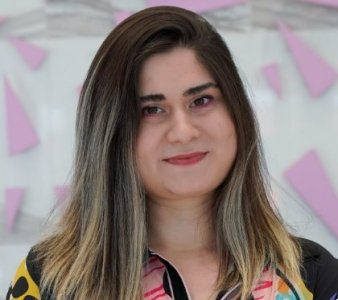
Aysel Pasazade
Dr. Aysel Pasazade is a plastic and reconstructive surgeon at Quartz Hospital in Istanbul. She holds the prestigious EBOPRAS certification. This credential confirms her competence meets high European standards. Dr. Pasazade specializes in complex body and facial transformations.
- Performs deep plane facelifts, rhinoplasty, and mommy makeovers.
- Graduated from Istanbul University Cerrahpaşa Faculty of Medicine.
- Completed residency training at Bursa Uludağ University.
- Treats over 6,500 international patients annually at Quartz Hospital.

Melikgazi Ozturk
Specialist in Plastic Reconstructive and Aesthetic Surgery at Memorial Şişli Hospital.
- Trained at Hacettepe University – one of Turkey's leading medical schools
- Research assistant at Erciyes University Faculty of Medicine
- Extensive experience across multiple hospitals in Turkey
- Specializes in reconstructive and aesthetic procedures
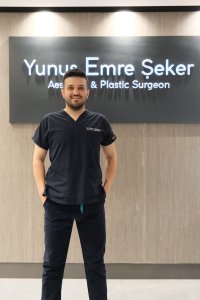
Yunus Emre Seker
Specializes in facial harmony enhancements with precision – trained under Dr. Özkan, who pioneered Turkey's first face transplants.
- Graduated from Ankara University – one of Turkey's top medical schools
- Expert in ultrasonic rhinoplasty and ethnic nose reshaping
- Performed key roles in groundbreaking transplant surgeries
- Focus on preserving function while enhancing aesthetics

Leyla Arvas
Trained at world-renowned Chang Gung Memorial Hospital in microsurgery, Dr. Arvas brings precision to cheek implants at Quartz Hospital.
- Specializes in minimally invasive aesthetic procedures like Silhouette Lift
- Expert in VASER and LASER technologies for facial contouring
- Assistant Professor of Plastic Surgery at Yeditepe University
- International training in Japan and Spain for advanced techniques
Video Stories from Bookimed Patients
Reviews about Bookimed: Discover Patients' Insights
All reviews










Cheek implants: Before & after photos
View all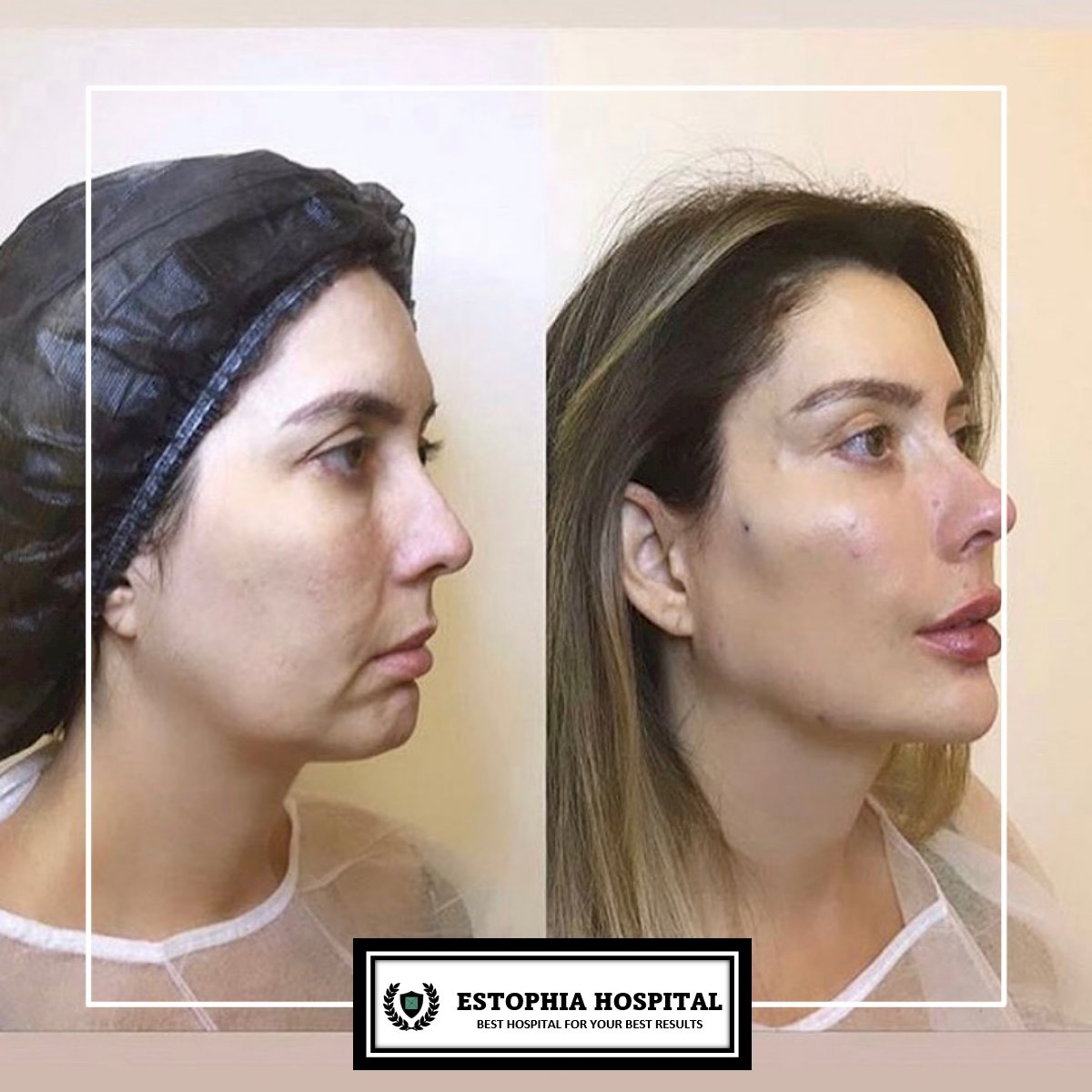
Share this content
 Anna Leonova

FAQ about Cheek implants in Turkey
Can I combine cheek implants with other procedures in Turkey?
Turkish clinics frequently combine cheek implants with other facial surgeries to improve facial proportions. Common combinations include rhinoplasty, deep-plane facelifts, and eyelid surgery (blepharoplasty). Specialists often perform these procedures together. Doing so harmonises the jawline and mid-face. It also reduces overall recovery time and theatre costs.
- Facial contouring: Rhinoplasty and chin augmentation are common additions to improve the side profile.
- Soft tissue lifting: Deep-plane facelifts or thread lifts address skin laxity alongside implant volume.
- Eye rejuvenation: Lower blepharoplasty often complements cheek implants for a smooth under-eye transition.
- Surgical expertise: Board-certified surgeons personally perform these combinations. Dr Furkan Karabekmez at his Ankara clinic is one such surgeon.
Bookimed Expert Insight: Clinics like Quartz Hospital serve thousands of international patients annually. They often use endoscopic techniques for combined facial surgeries. This approach uses the same small incisions as a mid-face lift. Surgeons like Dr Leyla Arvas can then place implants. Choosing this path can significantly reduce visible scarring compared to separate surgeries.
Patient Consensus: Surgeons in Turkey are well-regarded for their combination procedures. They often pair cheek implants with rhinoplasty or liposuction. Patients suggest researching Instagram results. They also recommend joining community groups. This helps confirm a surgeon's specific experience with multiple facial procedures before booking.
What are the different types of cheek augmentation techniques available in Turkey?
Cheek augmentation in Turkey includes surgical implants, fat grafting, and dermal fillers. They improve volume and facial contour. Surgeons in Istanbul and Ankara specialise in permanent silicone implants and lipofilling. They often combine these with lifts to address sagging skin and mid-face symmetry.
- Surgical implants: Permanent silicone prosthetics placed through oral incisions to define cheekbones.
- Fat grafting: Uses a patient’s own processed fat for natural-looking volume restoration.
- Dermal fillers: Non-surgical injections providing temporary contouring without downtime or anaesthesia.
- Mid-face lift: Repositions existing facial tissue to lift sagging cheeks and nasolabial folds.
Bookimed Expert Insight: While many seekers focus on fillers, Turkish surgeons like Dr. Furkan Karabekmez often suggest fat grafting (lipofilling). This yields longer-lasting results. Clinics in Istanbul frequently bundle this with VASER liposuction. This allows patients to harvest fat from the abdomen while enhancing facial volume.
Patient Consensus: Patients in Turkey report high satisfaction with natural volume from fat transfer. They value the 72% savings compared to Australian costs. However, they suggest confirming aftercare support before booking.
What is included in Turkish cheek implant packages?
Cheek implant packages in Turkey typically bundle surgical fees, high-quality silicone or medpor implants, and general anaesthesia. All three are covered by one price. Clinics often include private VIP transfers, four or five-star hotel stays, and dedicated interpreters. These support international patients throughout their stay.
- Surgical components: Includes specialist surgeon fees, hospital theatre use, and anaesthesia.
- Clinical inclusions: Covers pre-operative blood tests, initial consultations, and necessary post-operative medications.
- Logistical support: Most packages provide private VIP transfers between the airport, hotel, and clinic.
- Hotel accommodation: Patients usually receive 3–5 nights in a partner hotel for recovery.
Bookimed Expert Insight: While many centres offer bundled deals, Dr. MED provides a significant differentiator with one year of aftercare support included. This extended follow-up is rare. It provides extra security for Australians returning home after surgery and ensures long-term results are monitored.
Patient Consensus: Patients recommend verifying implant brands via video chat with surgeons. This should be done before travelling to Turkey. Confirming whether items like post-op x-rays and medications are bundled is useful. It helps avoid unexpected costs upon arrival.
Who is a good candidate for cheek implants in Turkey?
Ideal candidates for cheek implants in Turkey are adults with underdeveloped cheekbones, mid-face volume loss, or facial asymmetry. Suitable patients require good skin elasticity and should be non-smokers. Most seek a permanent alternative to dermal fillers at Turkey's JCI-accredited surgical centres.
- Volume restoration: Corrects sunken mid-face areas caused by ageing or significant weight loss.
- Structural enhancement: Provides definition to naturally flat or underdeveloped malar (cheek) bones.
- Health status: Requires stable fitness levels and no uncontrolled chronic medical conditions.
- Skin quality: Adequate elasticity ensures the skin drapes naturally over the new implants.
Bookimed Expert Insight: Many people seek implants for volume. However, top Istanbul surgeons like Dr. Leyla Arvas often suggest combining them with deep-plane facelifts. Data shows clinics like Dr. MED achieve high success rates. They do so by integrating these procedures so skin tension matches the new underlying structure.
Patient Consensus: Patients in Turkey often recommend bringing their own pain relief. They also advise conducting independent research via private groups. Successful outcomes depend on clear communication with theatre staff and verified surgeon credentials before booking.
What is the recovery time for cheek implants in Turkey?
Recovery from cheek implants in Turkey usually takes 7 to 14 days before patients return to work. Most facial swelling resolves within 3 weeks. Final results appear after 4 to 6 weeks. Surgeons in Istanbul typically recommend a 7-day stay for monitoring and suture removal.
- Activity resumption: Most patients return to daily habits and desk work within 7–10 days.
- Post-operative stay: Clinics generally require a 7 to 10-day stay for follow-up and suture removal.
- Swelling timeline: Facial puffiness peaks in 48 hours. About 70% typically resolves by week 3.
- Dietary restrictions: Patients must eat soft foods for 7 days to avoid shifting the implants.
- Physical limitations: Avoid strenuous exercise and wide facial movements for at least 2 to 3 weeks.
Bookimed Expert Insight: High-volume Istanbul clinics like Quartz Hospital or Dr. MED often combine cheek implants with other facial adjustments. Recovery for single implants is quick. Combining them with rhinoplasty can extend the period for final symmetry settling to 12 months.
Patient Consensus: Turkish clinics provide excellent support. Most patients manage discomfort easily with mild painkillers by day 3. Swelling makes the face look wide initially. Makeup safely covers any remaining bruising after 10 days.
How long do I need to stay in Turkey for cheek implant surgery?
Patients typically need to stay in Turkey for 7 to 10 days for cheek implant surgery. This timeframe lets surgeons monitor initial healing and manage peak swelling between days 2 and 3. It also allows them to check the implants are stable before the flight back to Australia.
- Clinical stay: Most patients spend 1 night in hospital after the procedure.
- Initial recovery: Swelling and bruising generally peak during the first 48 to 72 hours.
- Follow-up window: Surgeons usually schedule a final check-up 5 to 7 days post-surgery.
- Work readiness: Most people return to non-strenuous jobs within 7 days.
Bookimed Expert Insight: While a 7-day stay is standard, clinics like Dr. MED provide a full year of aftercare support. This is particularly valuable for Australian patients to manage the 2–3 month window it takes for all minor swelling to fully settle.
Patient Consensus: Travellers in Turkey find that 1 week is enough to recover before flying. They suggest resting during the first 3 days and booking a window seat for the flight home to protect the face.
How long does the cheek implant procedure take in Turkey?
Cheek implant surgery in Turkey typically takes 60 to 90 minutes. The surgical theatre time is brief. However, the total process including preoperative preparation and anaesthesia generally requires 3 hours. Most patients are discharged on the same day as this is an outpatient procedure.
- Surgical duration: Most procedures are completed within 1 to 1.5 hours.
- Theatre time: Patients typically spend 3 hours in the surgical suite including preparation.
- Hospital stay: Patients usually leave the clinic on the day of surgery.
- Turkey stay: A minimum 3-day trip is required for consultation, surgery, and follow-up.
Bookomed Expert Insight: The surgery is quick. However, the most experienced surgeons in Istanbul often request 10 to 15 days in the country. This allows for a safe recovery. Dr. Furkan Karabekmez is one example. Quartz Hospital, for instance, is dedicated to Australian patients. Choosing clinics with a similar focus provides support before and after the theatre session.
Patient Consensus: Surgery in Turkey is fast, usually finishing under 2 hours. Patients suggest staying for at least 10 days to handle swelling safely. It helps to bring a companion for support during the first week of recovery.
What other procedures can be combined with cheek implants in Turkey?
Turkish surgeons frequently combine cheek implants with facelifts, rhinoplasty, and eyelid surgery. This achieves comprehensive facial harmony. Patients can address multiple ageing or structural concerns in a single theatre session. This reduces total recovery time while creating a balanced profile.
- Facial rejuvenation: Facelifts or neck lifts address skin laxity alongside volume loss.
- Structural balance: Rhinoplasty or chin implants help the nose and cheeks appear proportional.
- Eye enhancement: Blepharoplasty corrects tired eyes to match the youthful volume of new implants.
- Contouring options: Bichectomy (buccal fat removal) thins the lower face to highlight cheekbones.
Bookimed Expert Insight: Clinics like Quartz Hospital often recommend combining implants with fat grafting. This hybrid approach uses the implant for structural height. Fat provides softer, more natural-looking transitions. Surgeons like Dr Leyla Arvas use these combinations to avoid a "surgical" look. They also improve skin texture.
Patient Consensus: Many travellers in Turkey successfully pair cheek implants with neck lifts or chin surgery. This gives a cohesive result. Patients suggest avoiding too many procedures at once. They recommend prioritising surgeons with clear before-and-after portfolios.
Will the doctors and staff in Turkey speak English?
English is widely spoken by doctors and medical staff in major Turkish private clinics and hospitals. Leading specialists often complete fellowships in the UK or USA. This gives them high proficiency. Medical facilities catering to international patients also employ professional coordinators and interpreters. They assist patients throughout the journey.
- Specialist training: Many surgeons, like Dr Ömer Faruk Deveci, completed medical degrees in English programs.
- International departments: JCI-accredited hospitals like Memorial Şişli maintain dedicated teams for English-speaking international patients.
- Translation services: Clinics such as Soraca Med provide interpreters to assist during consultations and recovery.
- Support teams: Medical coordinators manage communication between Australian patients and clinicians to keep things clear.
Bookimed Expert Insight: Language barriers are rarely an issue at Istanbul clinics because high-volume centres rely on global patients. Doctors like Dr Furkan Karabekmez even provide online consultations in English before travel. This allows patients to discuss cheek implant goals and clarify surgical plans from Australia.
Patient Consensus: Patients often mention that coordinators greet them at the airport and stay close during appointments. Staff in Istanbul are described as helpful, professional, and very easy to understand during recovery.