13 Best Biostimulation Clinics in Turkey — AUD Prices


Medically reviewed by
Fahad Mawlood
How it works
How Much Does Biostimulation Cost in Turkey in AUD?
Biostimulation in Turkey typically costs from AUD $1,100 to AUD $1,100, depending on the product brand, session count, and clinic location. Most Turkish clinics include a professional skin analysis and a personalized treatment plan within the base price.
- Product selection: Hyaluronic acid boosters generally cost less than poly-L-lactic acid or calcium hydroxylapatite.
- Treatment hubs: Prices in Istanbul and Antalya often run 15–20% higher than in regional cities.
- Volume discounts: Multi-session packages frequently offer a 10–15% discount compared to single-session rates.
- Clinic tier: University-affiliated hospitals or specialized dermatology centres may charge a premium for consultant-led injections.
Bookimed Expert Insight: Choosing a specialist who trains other doctors offers superior value. Dr Ali Sahan, for example, is a professional trainer for major brands like Allergan and Restylane. For Australian patients, clinics like Soraca Med provide all-inclusive packages. These often cover accommodation and transport, making the trip significantly more cost-effective than booking services separately.
| Turkey | Thailand | |
|---|---|---|
| Biostimulation | from AUD $1,100 | from AUD $240 |
Best Biostimulation Clinics in Turkey for Australians: 13 Verified Options and AUD Prices






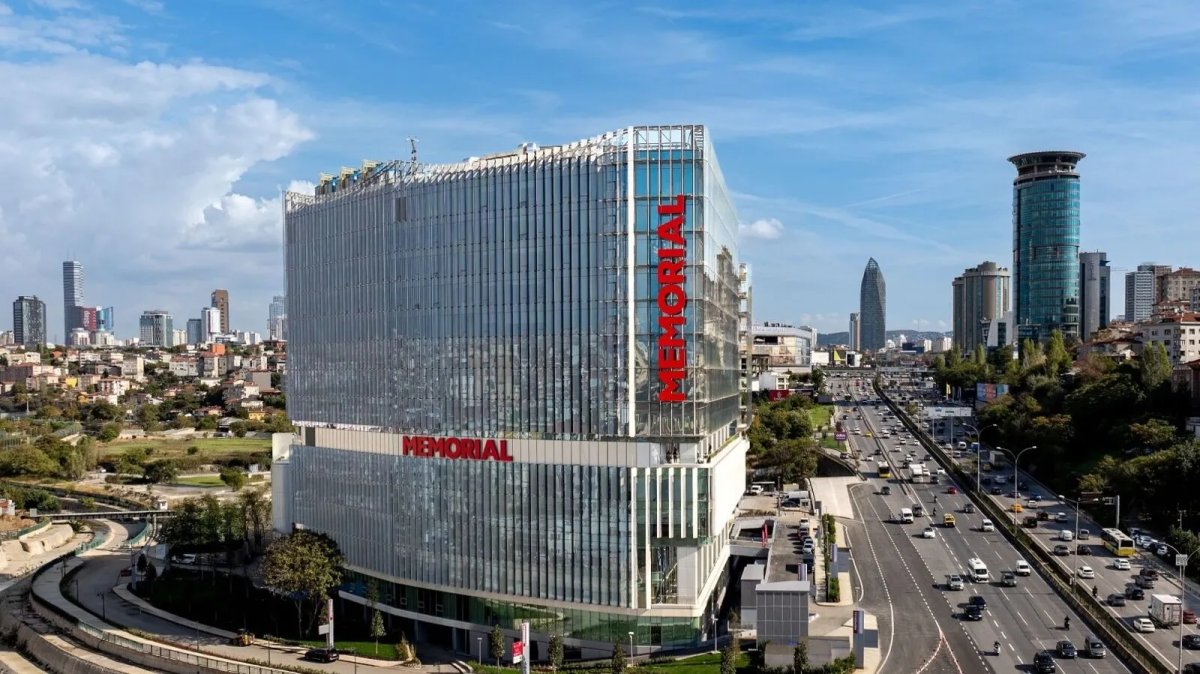
Memorial Göztepe Hospital

Medipol Acibadem District Hospital
Dr Makbule Dundar





VIPMED Klinik
Biostimulation Overview in Turkey
- Bookimed deposit: $200 or €200.
- Clinic deposit: Pay a set percentage in advance.
Our Trusted Doctors for Australian Patients
View all Doctors
Cemal Firat
Professor at Inonu University with extensive expertise in reconstructive surgery and microsurgery.
- Specializes in nerve injuries and reconstructive techniques
- Published research on burn wound healing and tissue regeneration
- Academic roles include education coordinator and thesis supervisor
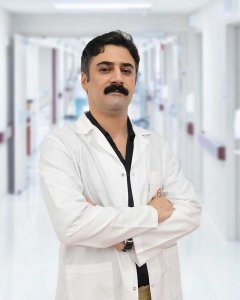
Semih Ozcinar
Op. Dr. Semih Özçınar is a plastic, reconstructive, and aesthetic surgeon. He earned his M.D. from Ankara University and completed his plastic surgery residency at İnönü University. He is a member of the International Society of Aesthetic Plastic Surgery (ISAPS).
His scientific work includes an oral presentation at the 2022 National Congress of the Turkish Society of Plastic, Reconstructive and Aesthetic Surgery titled "Retrospective Analysis of Regional, Free, and Local Flaps in Head and Neck Reconstruction." He also wrote a thesis on the effect of septocolumellar flap use on nasal tip projection in rhinoplasty.
He has completed training in ISAPS Live Surgery Rhinoplasty, the ISAPS World Congress 2022 in Istanbul, Bosphorus Breast Live Surgery, the 9th Rhinoplasty & Facial Aesthetics fresh cadaver course, BTS International Aesthetic in Sweden, and FABCAST meetings. His focus areas are facial aesthetics, breast surgery, body contouring, and reconstruction.

Veysel Ozcan
14 years of experience in aesthetic medicine, including 14 years as a chief physician. Dr. Ozcan is known for his disciplined and innovative approach.
- Certified by the Turkish Ministry of Health in Mesotherapy, Phytotherapy, Cupping Therapy, and Ozone Therapy
- Fluent in English and intermediate Kurdish for better patient communication
- Former chairman of Infection Committee and Quality Unit at State Hospital
- Focuses on patient satisfaction and safety
Emre Gunenc
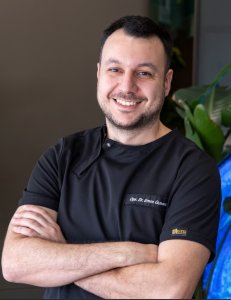
Dr. Emre Günenç is a Plastic, Reconstructive and Aesthetic Surgery Specialist at İstinye University Liv Hospital Topkapı. He has worked there since 2026. He trained at Prof. Dr. Cemil Taşcıoğlu Training and Research Hospital, one of Istanbul’s largest and busiest centers. This gave him broad operative experience.
Education: Acıbadem University. Plastic Surgery residency at Prof. Dr. Cemil Taşcıoğlu Training and Research Hospital. Specialist posts: Gazi Yaşargil Training and Research Hospital (2024–2025) and Cemil Taşcıoğlu Training and Research Hospital (2024).
Accreditations: Member of the Turkish Plastic, Reconstructive and Aesthetic Surgery Association. Courses: 42nd Basic Microsurgery Course, ISAPS 5th Aesthetic Istanbul, and 4th Full Circle Rhinoplasty Live Surgery. He has also attended many national congresses and focused rhinoplasty and facial aesthetics courses. Focus: natural, balanced, and functional results in rhinoplasty, and in breast, body, and facial procedures.
Video Stories from Bookimed Patients
Reviews about Bookimed: Discover Patients' Insights
All reviews





Share this content
 Anna Leonova

FAQ about Biostimulation in Turkey
What is biostimulation treatment in Turkey?
Biostimulation in Turkey is a minimally invasive skin rejuvenation treatment. It triggers the body to produce new collagen and hyaluronic acid. Qualified dermatologists in Istanbul use injectables like Platelet-Rich Plasma (RPP), mesotherapy, and 8-point biological lifting. These treatments improve skin texture and elasticity.
- Treatment techniques: Includes PRP injections, collagen mesotherapy, and specialised 8-point biological lifting protocols.
- Core objective: Stimulates fibroblasts to naturally restore skin radiance while reducing fine lines.
- Clinical expertise: Specialists like Dr Veysel Ozcan offer combined aesthetic and wellness therapies.
- Quality standards: Many Istanbul facilities, such as Medipol Acibadem, hold prestigious JCI accreditation.
Bookimed Expert Insight: Turkish clinics often package biostimulation with wellness therapies like ozone or phytotherapy. Choosing a clinic that combines these can enhance the skin's regenerative response. Dr Veysel Ozcan's clinic is a prime example of this integrated approach.
Patient Consensus: Turkish patients mention that results appear gradually. Skin texture and hydration improve over several weeks. Patients should confirm specific product ingredients and scheduled sessions to match their desired outcomes.
What is the recovery time for biostimulation in Turkey?
Recovery after biostimulation in Turkey is generally minimal. Most patients return to their daily routine straight after mesotherapy or PRP injections. Minor swelling or redness typically resolves within 24 to 48 hours. Patients should plan for 2 to 3 days of healing before social events.
- Injectable recovery: Redness or slight puffiness usually clears within 1 to 2 days.
- Social readiness: Full results and skin settling occur within 2 to 3 weeks.
- Activity limits: Patients can resume light activities and hydration shortly after treatment.
- Post-op support: Hair transplant biostimulation involves a check-up and wash on day 3.
Bookimed Expert Insight: Clinics like Veysel OZCAN Clinic perform 1,000+ non-surgical procedures annually. Data shows that downtime is low. Doctors here often combine biostimulation with 8-point lifting. Patients should allow a 3-day buffer before flying so injection-site swelling subsides.
Patient Consensus: Expect mild tenderness or puffiness for up to 72 hours across Turkey. Planning for a week of buffer time helps if patients feel cautious about bruising. Flying home is easy after a short rest following the final session.
How long do the results of biostimulation in Turkey last?
Biostimulation results in Turkey typically last between 1 and 2 years. This depends on the specific technique used. Treatments like Platelet-rich plasma (PRP) and regenerative injections provide gradual improvements. Most patients require maintenance sessions every 6 to 12 months to sustain outcomes.
- Treatment variety: Clinics offer PRP, Paris Glow, and 8-point biological lifting.
- Maintenance schedule: Repeat sessions are needed as results build and then slowly fade.
- Surgeon expertise: Dr Veysel Ozcan provides specialised mesotherapy formulations with 12+ years of experience.
- Clinical standards: JCI-accredited facilities like Medipol Acibadem District Hospital follow high-quality injectable protocols.
Bookimed Expert Insight: Many clinics promote biostimulation as a standalone fix. However, data shows it is most effective as a maintenance tool. Istanbul providers often bundle these injections with hair transplants to speed up healing. Patients often report more consistent, 18-month outcomes at clinics with Ministry of Health certifications.
Patient Consensus: Patients in Turkey find results build gradually rather than appearing instantly. Most recommend budgeting for top-up treatments to keep the skin looking refreshed.
Is biostimulation treatment in Turkey painful?
Biostimulation treatments in Turkey are typically low-pain procedures with minimal discomfort. Specialists use topical anaesthesia or lidocaine-mixed formulas for a comfortable experience. Most patients describe the sensation as a brief pinch or slight tingling rather than true pain.
- Pain management: Specialists routinely apply high-strength numbing creams to the skin before starting any injections.
- Anaesthetic use: Injectables like Sculptra often contain lidocaine to reduce stinging and post-treatment bruising.
- Sensitive areas: Discomfort varies by site. Lips or eyes feel more pinch-like than cheeks.
- Side effects: Common reactions include temporary redness, swelling, or mild tenderness that settles within 48 hours.
Bookimed Expert Insight: While biostimulation costs from $700 to $850, comfort levels depend on the specialist's technique. Dr Veysel Ozcan and other Turkish experts often use modern 8-point biological lifting techniques. This method requires fewer injection sites, which naturally minimises total discomfort.
Patient Consensus: Patients in Turkey describe the injections as a bearable sting or pressure. Using numbing cream or ice reduces discomfort. Short-lived swelling is the most common post-treatment reality.
Which areas can be treated with biostimulation in Turkey?
Biostimulation in Turkey targets the face, neck, and décolletage for skin rejuvenation. Turkish clinics also use it for joints and tendons. They use Platelet-rich plasma (PRP), mesotherapy, and 8-point biological lifting. These treatments trigger collagen production, treat scarring, and speed up wound healing.
- Facial rejuvenation: Clinics like Veysel Ozcan Clinic use collagen mesotherapy to treat sagging skin.
- Musculoskeletal repair: Specialists at Memorial Göztepe Hospital apply regenerative techniques to cartilage and tendons.
- Chronic wound healing: Specialised protocols address non-healing wounds and diabetic foot ulcers effectively.
- Dental regeneration: Dental centres use diode lasers to stimulate periodontal tissues during oral procedures.
Bookimed Expert Insight: Many patients focus on facial lifting. However, hospitals like Medipol Acibadem District Hospital use these same pathways for complex orthopaedic recovery. Choosing a multispecialty hospital often provides access to robotic-assisted diagnostic tools. These tools allow for more precise injection targeting.
Patient Consensus: Patients in Turkey often find that treating the neck and face together looks more natural. They recommend confirming product brands before the appointment. Patients should also check if the treatment covers multiple zones.
What are the main benefits of choosing biostimulators in Turkey?
Choosing biostimulators in Turkey offers access to collagen-inducing treatments like Sculptra and Radiesse at significant savings. Leading Istanbul clinics hold JCI accreditation. This ensures medical standards match Australian private hospitals. Specialists there use high-density techniques like 8-point biological lifting for natural, long-lasting facial rejuvenation.
- Specialist expertise: Doctors like Dr Makbule Dundar at Medipol Acibadem lead dedicated aesthetic departments.
- Diverse techniques: Clinics offer 8-point biological lifts, Paris Glow, and regenerative mesotherapy formulations.
- Certified facilities: Major centres like Odin Clinic maintain JCI and ISO quality certifications.
- Recovery privacy: Patients often prefer recovering abroad to maintain privacy during the healing phase.
Bookimed Expert Insight: Bookimed data shows Turkey is a global leader for biostimulation, serving over 3,000 patients annually. While Australian clinics often focus on single injections, Turkish specialists frequently combine biostimulators with PRP or mesotherapy. This multi-layered approach often delivers better skin texture and elasticity than standalone treatments.
Patient Consensus: Australians often choose Turkey because clinics bundle airport transfers and hotels into convenient treatment packages. Many find high patient volumes provide surgeons with more experience in complex facial contouring.