
4.9
(84 reviews) 8 years of experience
Areola Reduction with VIP Transfer — 4 Hotel, 3 Nights Included
Areola reduction in Turkey typically costs from AUD $2,200 to AUD $2,900. Total costs depend on the surgical technique used, the clinic's location, and whether it is performed as a standalone procedure. In Australia, patients often pay AUD $7,000 on average, meaning travelling to Turkey can provide savings of approximately 63%. Most Turkish packages include the surgical fee, local anaesthetic, and airport transfers.
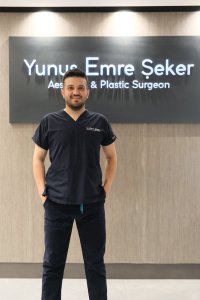
Bookimed Expert Insight: Australian patients can find exceptional value by choosing clinics that bundle high-precision surgical care with luxury recovery. For example, Soraca Med offers packages around A$3,200 that include VIP transfers and a 4-star hotel stay. This clinic features surgeons like Dr. Yunus Emre Seker, whose experience in complex transplants ensures a high level of surgical accuracy for delicate aesthetic procedures.
| Turkey | Thailand | South Korea | |
| Areola reduction | from AUD $2,200 | from AUD $1,600 | from AUD $5,000 |
Dr Murat Yaman has performed over 1,500 breast and nose procedures, specialising in aesthetic surgery at Lokman Hekim Istanbul Hospital.
Dr Aysel Pasazade is a European Board-certified surgeon who earned her medical degree from the prestigious Istanbul University Cerrahpasa Faculty of Medicine.
Dr Aydinol has performed over 900 successful procedures and is a recognised specialist in aesthetic breast surgery at the Dr. MED clinic in Istanbul.
Dr Kadriye Ipek Uzunoglu is a highly regarded plastic surgeon at Memorial Şişli Hospital with international training from the University of Alabama.
Areola reduction in Turkey is usually a low-risk procedure performed under local anaesthesia. Primary risks include changes in nipple sensation, potential breastfeeding difficulties, and mild scarring. Choosing JCI-accredited facilities and surgeons with international memberships like ISAPS or EBOPRAS reduces the likelihood of complications.
Bookimed Expert Insight: While many Australian patients focus on costs, the real differentiator is surgeon volume. Specialists like Dr Murat Yaman at Lokman Hekim Hospital have performed over 1,000+ breast-related surgeries. This high frequency often leads to refined "lollipop" techniques that minimise scarring.
Patient Consensus: Patients suggest confirming whether the surgeon will use nipple-preserving techniques. This helps to protect breastfeeding ability. Most travellers found that all-inclusive packages simplified recovery by including transfers and hotel stays.
Safety for areola reduction in Turkey requires verifying surgeons hold EBOPRAS or ISAPS credentials. Choose JCI-accredited hospitals in Istanbul or Antalya. These provide 24/7 post-operative monitoring and 48% savings over Australian prices.
Bookimed Expert Insight: Australian patients often expect general anaesthesia. However, Bookimed data shows several Turkish clinics use local anaesthesia for this 3100-AUD procedure. Use of local anaesthesia reduces recovery time. It also avoids the risks of being put under, helping international travellers.
Patient Consensus: Patients suggest requesting a video consultation to discuss risks and anatomy before booking. They recommend joining independent social groups to verify credentials. This helps ensure the surgeon consulted is the one performing the operation.
Breastfeeding is often possible after areola reduction in Turkey if the surgeon preserves the milk ducts and nerve supply. This procedure typically removes less tissue than a full breast reduction. Specialists can often reshape the areola while keeping the nipple pedicle intact to maintain nursing capabilities.
Bookimed Expert Insight: Turkish clinics frequently bundle areola reduction into mommy makeover packages with 24/7 monitoring. Clinics like Soraca Med provide continuous post-operative guidance. This helps the surgical team quickly address any concerns about nipple sensation or healing.
Patient Consensus: Patients in Turkey report that tissue-sparing techniques provide the best chance for breastfeeding. Many successfully provide breast milk. Still, they suggest having formula available as a backup for a few months.
Recovery after areola reduction in Turkey typically allows a return to desk work within 2–7 days. Surgeons often perform this as an outpatient procedure under local anaesthesia. Most patients fly home after 8 days once initial checks and suture removals are finish.
Bookimed Expert Insight: Areola reduction is frequently a day-case procedure under local anaesthesia. Clinics like Soraca Med include 3–5 nights in a 4-star hotel. This lack of general anaesthesia allows for same-day discharge and immediate local mobility.
Patient Consensus: Patients often describe the first week as a stinging sensation rather than sharp pain. Many manage work-from-home tasks by day 3. They use silicone tape once incision edges have fully closed.
The surgical experience in Turkey involves specialised breast surgeons performing excisional techniques under local anaesthesia. Most facilities provide all-inclusive logistics. Board-certified specialists like Dr Yunus Emre Seker at Soraca Med oversee the procedure. Patients typically recover in 4-star hotels with 24/7 post-operative monitoring.
Bookimed Expert Insight: Many Australian patients expect general anaesthesia for this surgery. However, Bookimed data shows Turkey’s leading clinics prefer local anaesthesia. This switch reduces the need for hospitalisation while maintaining patient comfort. Clinics such as Dr Safa Manav Clinic include 1-night stays for post-op safety.
Patient Consensus: Recovery in Turkey is often fast. Many patients return to light work within 2 days. Secure a companion to help with luggage. Confirm if follow-up care is in-person or via remote photo check-ins.
Visible scarring is inevitable after areola reduction. Incisions are placed along the natural perimeter where the pigmented areola meets the breast skin. This donut-shaped scar typically becomes faint within 12 months for most patients in Turkey.
Bookimed Expert Insight: Turkish clinics like Soraca Med and Dr. Safa Manav Clinic frequently bundle 24-hour health support into fixed-price packages. This monitoring helps Australian patients manage scar care through the critical first weeks.
Patient Consensus: Healed scars often blend into the edge pigment. However, individual skin types significantly influence final visibility. Patients recommend requesting long-term photos and discussing keloid risks with Turkish specialists.
Areola reduction in Turkey is highly suitable for men. It is a standard procedure for those unhappy with large, puffy, or asymmetrical areolas. Specialists often perform this under local anaesthesia. It can be a standalone day procedure or paired with male breast reduction for a flatter chest.
Bookimed Expert Insight: Many men seek areola reduction to fix "puffy" nipples. However, the best results often come from adding a small amount of gland removal. Bookimed data shows that leading Istanbul centres like Istanbul Aesthetic Plastic Surgery Center serve 5,000+ patients annually. These clinics frequently bundle these small tweaks into a single session for a natural male chest.
Patient Consensus: Areola reduction is a minor procedure with manageable pain. It effectively changes nipple size and shape in Turkey. Men suggest wearing a compression vest. They also recommend choosing surgeons with experience in male anatomy to obtain symmetry and minimal scarring.