7 Best Thyroid goiter Treatment Clinics in Turkey — AUD Prices


Medically reviewed by
Fahad Mawlood
How it works
What's the Cost of Thyroid goiter Diagnosis and Treatment in Turkey?
Best Thyroid goiter Treatment Centres in Turkey for Australians: 7 Verified Options and AUD Prices
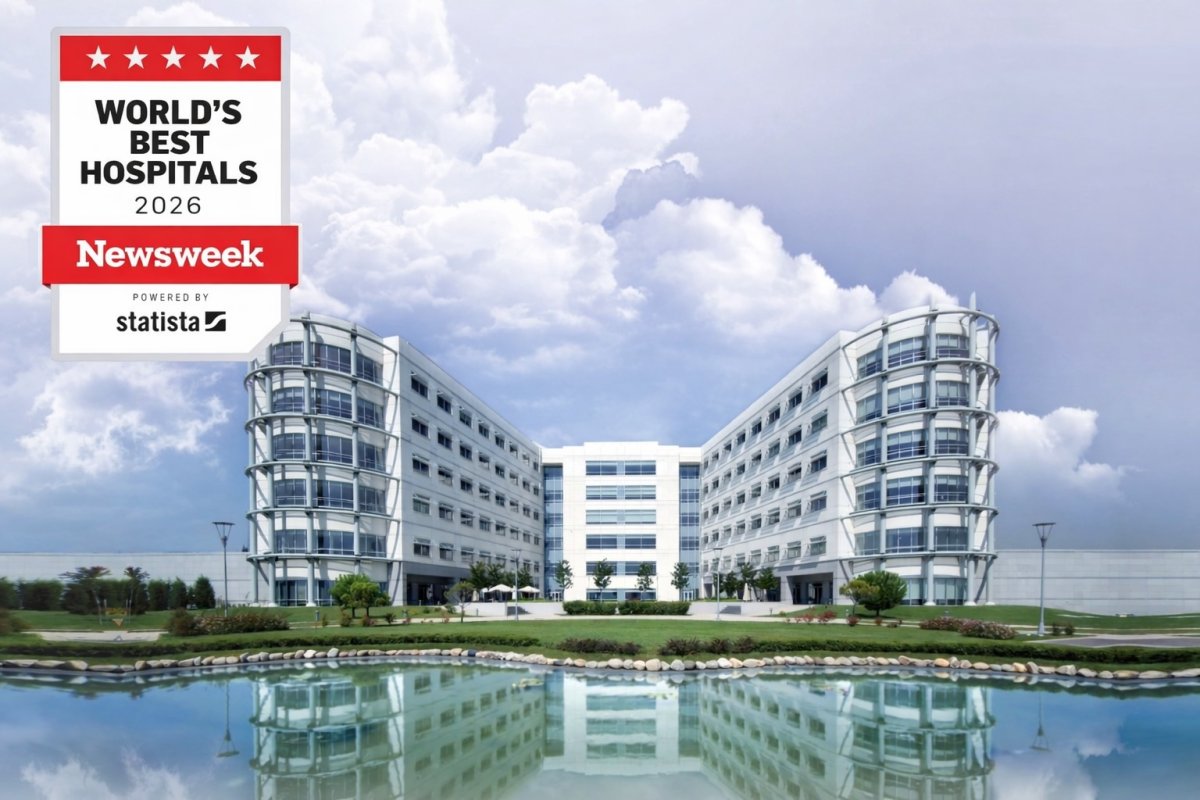










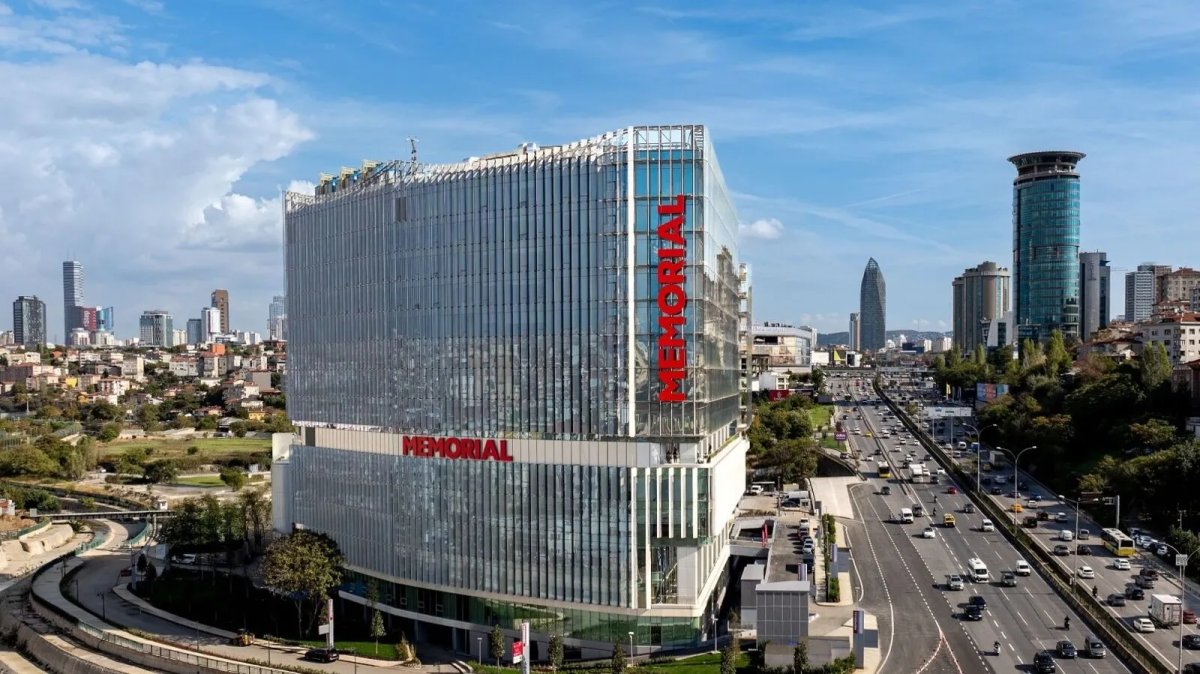



Estophia Hospital
Get a Medical Assessment for Thyroid goiter Treatment in Turkey: consult with 7 experienced doctors for Australian patients now
View all Doctors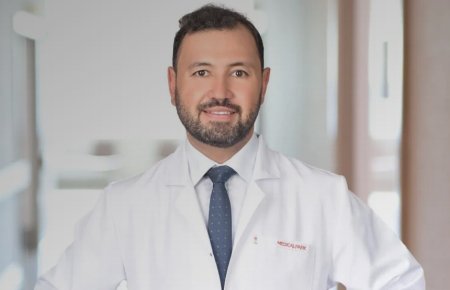
Hakan Duger
Specialist in Endocrinology and Metabolic Diseases with extensive training at top Turkish hospitals. Currently practices at Gaziantep Özel Defa Life Hospital.
- Completed specialization at Ankara Numune Training and Research Hospital
- Member of Turkish Society of Endocrinology and Metabolism
- Experienced in treating thyroid disorders at multiple institutions
- Active member of Clinical Endocrinology and Diabetes Association
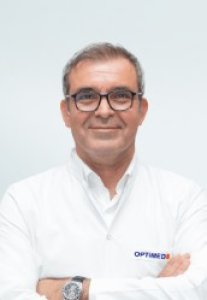
Mete Gulpinar
Dr. Mete Gülpınar is an Internal Medicine Specialist at Optimed International Çorlu Hospital. He has over 20 years of hospital and ICU experience. He manages acute and chronic diseases.
Education and accreditation: Gazi University Faculty of Medicine graduate. Completed Internal Medicine training at SSK Ankara Training and Research Hospital (1999–2003). Certified in ozone therapy, mesotherapy, dialysis, specialized clinical treatments, and emergency care.
Career highlights include service at Aksaray State Hospital, Beypazarı State Hospital, Sudan Turkish Hospital, and 29 Mayıs State Hospital. He joined Optimed in 2025. Clinical focus includes ICU management and infectious diseases. He also treats systemic disorders: endocrinology (insulin resistance, thyroid disease, obesity), nephrology (kidney disease and failure), rheumatology, hypertension, hyperlipidemia, gastrointestinal disorders, anemia, vitamin deficiencies, and fatty liver.
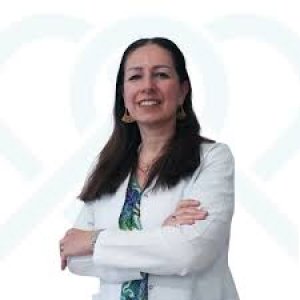
Sibel Ertek Yalcin
The doctor is a highly qualified specialist in Endocrinology and Metabolic Diseases, holding a medical degree from Hacettepe University. With extensive clinical training, the doctor completed a specialization in Internal Medicine at Ankara University followed by subspecialty training in Endocrinology and Metabolic Diseases at Ufuk University.
The doctor has achieved significant academic and professional milestones, including an Associate Professorship in 2013 and reaching the rank of Professor in Endocrinology and Metabolic Diseases at Istinye University in 2019. Throughout a distinguished career, the doctor has demonstrated a deep commitment to the field, contributing to both clinical practice and medical education.
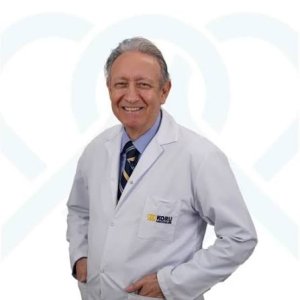
Goksun Ayvaz
Dr. Goksun Ayvaz is a professor trained in internal medicine and in endocrinology and metabolism. He earned his MD from Ankara University Faculty of Medicine in 1983. He completed compulsory service in Nevsehir from 1983 to 1985. He worked at the Department of Internal Medicine at Gazi University in 1985 and in 1994. He completed a residency in the United States in 1990 and subspecialty training in endocrinology and metabolism in the United States in 1996.
He served as an internal medicine specialist in the Internal Medicine and Cardiology units at Ankara Numune Hospital and Ankara Bayindir Medical Center. His academic titles are Assistant Professor (1996–1997), Associate Professor (1997), and Professor (2003). In 1997, he conducted research at the Experimental Medicine Laboratory of the Université libre de Bruxelles with Prof. W. J. Malaisse on pancreatic islet isolation and static incubation.
Medical interests include Graves disease (toxic goiter), Graves orbitopathy, thyroid disease (nodules and thyroid cancer), diabetes mellitus (insulin resistance and latent diabetes), obesity, and gonadal and pituitary diseases.
Share this content
Video Stories from Bookimed Patients
 Anna Leonova

Expert Overview about Thyroid goiter Treatment in Turkey
What treatment options are available for a thyroid goiter in Turkey?
Turkey offers thyroid goitre treatments including thyroidectomy, radiofrequency ablation (RFA), and radioiodine therapy. Patients access minimally invasive endocrine surgery at JCI-accredited facilities. Leading specialists like Prof. Dr Erhan Ayşan at Yeditepe University Hospitals provide scarless options that preserve normal thyroid function.
- Surgical intervention: Total or partial thyroidectomy for large or potentially malignant goitres.
- Ablation techniques: Radiofrequency ablation (RFA) treats benign nodules without surgical incisions.
- Nuclear medicine: Radioiodine therapy effectively shrinks overactive or toxic thyroid tissue.
- Medication management: Levothyroxine regulates hormone levels to reduce goitres caused by hypothyroidism.
Bookimed Expert Insight: Turkish endocrinology departments often combine diagnostic speed with surgical volume. For instance, Medipol Mega University Hospital serves 1,000,000 patients annually. This high patient flow means surgical teams handle complex goitre cases daily. They use intraoperative nerve monitoring as a standard to protect vocal cords.
Patient Consensus: Patients find that modern Turkish hospitals prioritise minimally invasive options like ablation for cystic nodules. They emphasise that patients start with a thyroid ultrasound in Turkey. The ultrasound confirms if medication or surgery is needed.
How can I ensure the safety and quality of a clinic in Turkey?
Verify clinical safety by checking for Joint Commission International (JCI) accreditation and Turkish Ministry of Health authorisation. Australian patients should prioritise university-affiliated hospitals, such as Anadolu Medical Center or Medipol Mega University Hospital. These centres maintain rigorous quality standards and use international medical protocols.
- Hospital accreditations: JCI and ISO certifications confirm a facility meets global safety standards.
- Doctor credentials: Surgeons like Prof. Erhan Ayşan hold prestigious international research fellowships.
- Specialised technology: Quality centres offer radiofrequency (RF) ablation for minimally invasive goitre treatment.
- Clinical setting: Perform invasive surgeries in multi-speciality hospitals rather than small boutique offices.
Bookimed Expert Insight: Quality often follows scale in Turkish healthcare. Leading centres like Medipol Mega University Hospital serve 1,000,000 patients annually. This massive volume allows departments to specialise deeply in endocrine surgery. This leads to higher success rates for complex thyroid goitre cases compared to smaller clinics.
Patient Consensus: Patients emphasise checking official health ministry listings rather than just social media. They note that clear communication before surgery is the best test of clinic quality in Turkey.
What are the risks of scarring and voice changes after thyroid goiter surgery in Turkey?
Thyroid goiter surgery in Turkey carries minor risks of voice changes and scarring. However, experienced surgeons maintain high safety standards. Temporary hoarseness affects some patients due to swelling or nerve irritation. Permanent vocal nerve injury occurs in less than 2% of routine cases in JCI-accredited facilities.
- Nerve monitoring: Turkish centres often use real-time nerve monitoring to protect vocal cord function.
- Voice recovery: Temporary hoarseness usually resolves within weeks as post-operative tissue swelling subsides.
- Scarring techniques: Surgeons use intradermal sutures and surgical glues for thin, discreet incisions.
- Minimally invasive approaches: Specialists like Prof. Erhan Ayşan specialise in minimally invasive and radiofrequency techniques.
Bookimed Expert Insight: While many focus on general hospitals, choosing a centre with a dedicated multidisciplinary tumour board, like Memorial Göztepe Hospital, means complex goiters are assessed by multiple specialists. This collaborative approach significantly reduces the risk of nerve damage during the removal of large or difficult masses.
Patient Consensus: Patients note their voices often sound raspy or weak like a cold initially but improve steadily. They recommend using silicone tape and sun protection to help neck scars fade into faint lines over several months.
Will I need daily medication after thyroid goiter treatment in Turkey?
Daily medication depends on the specific procedure. Total thyroidectomy requires lifelong hormone replacement. Partial removals or radiofrequency ablation often allow the remaining gland to function normally. Specialists in Istanbul use thyroid function tests. These help decide if supplementation is necessary after surgery or radioiodine therapy.
- Total thyroidectomy: Patients require lifelong levothyroxine to replace natural metabolic hormones.
- Partial removal: The remaining lobe often produces enough hormone without daily pills.
- Radiofrequency ablation: This minimally invasive technique typically spares healthy tissue and function.
- Monitoring period: Doctors check blood levels 6–8 weeks post-treatment to confirm stability.
Bookimed Expert Insight: Turkish endocrinology departments often provide multidisciplinary care that reduces medication dependency. At clinics like Memorial Göztepe, surgeons use AI-supported imaging and robotic systems. This helps them perform precise partial removals. Prof. Dr Erhan Ayşan specialises in these minimally invasive endocrine techniques. This precision often preserves enough healthy tissue to avoid permanent daily medication.
Patient Consensus: Patients note that dose adjustments are common in the first months after treatment in Turkey. They emphasise that regular blood tests are vital until thyroid levels finally stabilise.
How long do I need to stay in Turkey for thyroid goiter treatment?
Patients typically need 7 to 10 days in Turkey for thyroid goitre surgery. This timeframe allows for pre-operative blood tests, ultrasounds, and biopsies. It also covers 1 to 2 nights in hospital. It includes a week of post-operative monitoring before flying back to Australia.
- Diagnostic window: Initial tests and specialist consultations usually require 1 to 2 days.
- Hospital stay: Surgical patients remain in the theatre unit for 1 to 2 nights.
- Ablation speed: Radiofrequency ablation procedures are faster, sometimes requiring only a single day.
- Recovery period: Surgeons require 4 to 6 days of local monitoring before clearing patients.
Bookimed Expert Insight: While surgery is the standard, Turkish professors like Prof. Erhan Ayşan at Yeditepe University specialise in radiofrequency ablation. This technique can significantly reduce on-the-ground time compared to traditional thyroidectomy. Patients should confirm if their goitre type is suitable for ablation. This could potentially shorten their trip.
Patient Consensus: Patients note that the procedures are often quick. However, the true recovery of thyroid levels takes weeks. Most recommend staying the full 10 days in Turkey. This allows all drain removals and wound checks to be completed by the surgeon.