Whipple surgery Clinics in Thailand — AUD Prices


Medically reviewed by
Yesim Yildirim
How Much Does Whipple surgery Cost in Thailand in AUD?
Whipple surgery in Thailand generally costs between AUD $25,300 / ฿578,000 and AUD $41,700 / ฿952,000. Final prices depend on the surgical technique, hospital accreditation, and the required length of stay in intensive care. Thailand packages often include pre-operative imaging, surgeon fees, anaesthesia, and post-operative hospital accommodation.
- Robotic-assisted surgery: Typically adds 20–30% to the base surgical cost.
- Hospital location: Facilities in Bangkok often charge 20–30% more than regional medical hubs.
- Hospital accreditation: JCI-accredited facilities usually have higher, more transparent pricing for international patients.
- Clinical complexity: Extended ICU stays or multidisciplinary oncology care will increase the total investment.
Bookimed Expert Insight: Choosing a premier facility like Bumrungrad International Hospital offers high value for complex oncology. This hospital is ranked among the top ten globally. It serves over one million patients annually. Their experience with international travellers is unmatched. Their outpatient clinic is one of the world's largest. This ensures efficient pre-operative testing for Australians. High surgical volumes often lead to better patient outcomes in pancreatic surgery.
| Thailand | Turkey | |
|---|---|---|
| Whipple surgery | ≈ AUD $25,300 / ฿578,000 | from AUD $14,900 / ฿340,000 |
Your Benefits and Guarantees with Bookimed
Transparent Prices & Flexible Installments
No hidden fees – just official clinic prices. Pay at the clinic for Whipple surgery upon arrival and use a flexible instalment plan if needed.
Verified Clinics & Doctors Only
Bookimed is committed to your safety. We only work with medical institutions that maintain high international standards in Whipple surgery and have the necessary licenses to serve international patients worldwide.
Free 24/7 Assistance
Bookimed offers free expert assistance. A personal medical coordinator supports you before, during, and after your treatment, solving any issues. You're never alone on your Whipple surgery journey.

Your personal Bookimed medical coordinator
- Supports you at every stage
- Helps choose the right clinic and doctor
- Ensures quick and convenient access to information
Best Whipple surgery Clinics in Thailand for Australians: 2 Verified Options and AUD Prices











Whipple surgery Overview in Thailand
- Bookimed deposit: $200 or €200.
- Clinic deposit: Pay a set percentage in advance.
Video Stories from Bookimed Patients
Reviews about Bookimed: Discover Patients' Insights
All reviewsShare this content
 Anna Leonova

FAQ about Whipple surgery in Thailand
What are the common risks and long-term consequences of a Whipple procedure?
Whipple surgery in Thailand carries short-term risks like anastomotic leaks, infections, and delayed gastric emptying. Long-term consequences include pancreatic insufficiency, new-onset diabetes, and nutritional deficiencies. Leading JCI-accredited hospitals in Bangkok manage these complexities using protocols that serve over 1 million patients annually.
- Anastomotic leaks: Pancreatic juices may leak from new connections, requiring drains.
- Digestive changes: Pancreatic enzyme replacement therapy (PERT) is usually required lifelong.
- Endocrine impact: Roughly 20% of patients develop diabetes after losing insulin-producing cells.
- Nutritional support: Patients often need vitamin B12, iron, and fat-soluble vitamin supplements.
- Structural risks: Scar tissue can lead to incisional hernias or bowel obstructions.
Bookimed Expert Insight: Thai medical centres like Bumrungrad International often use a multidisciplinary approach for Whipple cases. They combine oncology, endocrinology, and nutrition specialists in a single team. This helps transition patients to the new normal of enzyme management and glucose control before they fly back to Australia.
Patient Consensus: Recovery involves adapting to a new normal with strict adherence to enzyme tablets and small meals. Patients in Thailand found that detailed dietitian plans helped manage the initial fatigue and muscle loss during their stay.
What is a Whipple procedure and when is it indicated?
A Whipple procedure is a complex operation that removes the head of the pancreas, the first part of the small intestine, the gallbladder, and the bile duct. Surgeons in Thailand perform this pancreaticoduodenectomy to treat tumours or chronic inflammation at the crossroads of the digestive system.
- Malignant indications: Treating pancreatic, bile duct, ampullary, or duodenal cancers when the tumour is localised.
- Benign indications: Managing severe chronic pancreatitis or traumatic injuries to the head of the pancreas.
- Eligibility criteria: Patients must have no distant spread and tumours that spare major blood vessels.
- Reconstruction phase: Surgeons reconnect the remaining pancreas, bile duct, and stomach to the small intestine.
- Surgical fitness: Requires high cardiac and respiratory health to withstand 4 to 6 hours of anaesthesia.
Bookimed Expert Insight: Quality outcomes for this procedure correlate directly with hospital volume. Bumrungrad International Hospital alone serves over 1 million patients annually, including significant numbers of international cases. Choosing such high-volume centres in Bangkok typically ensures access to multidisciplinary teams that manage the intricate post-operative digestive monitoring required.
Patient Consensus: Recovery in Thailand is a long journey involving major fatigue and significant digestive changes. Patients find managing surgical drains and using pancreatic enzymes essential for a return to daily life.
What is the recommended recovery period and duration of stay in Thailand?
Whipple surgery in Thailand requires a minimum 3 to 4 week stay. This includes 7 to 14 days of specialist inpatient care at JCI-accredited facilities like Bumrungrad International Hospital. Patients must remain nearby for another 1 to 3 weeks to monitor healing before clearing long-haul flights.
- Hospital stay: Inpatient monitoring for 7 to 14 days ensures safe pain and diet management.
- Post-discharge stabilization: Plan for 1 to 3 weeks of local recovery to manage surgical drains.
- Flying readiness: Surgeons clear travel once patients tolerate solid food and show stable blood tests.
- Full recovery: Initial healing takes 4 to 6 weeks while full stamina return takes months.
Bookimed Expert Insight: While minor surgeries allow for quick departures, major abdominal procedures like the Whipple require extended local observation. Staying in Bangkok or Pattaya for at least 21 days is vital. This allows surgeons to monitor for delayed pancreatic leaks or digestive issues that often appear 10 days after the operation.
Patient Consensus: Functional recovery is measured in months, so prepare for low energy levels initially. Discharge is only granted once you can eat and move safely, so stay near the hospital for easy drain removal and follow-up care.
What surgical techniques do specialists in Thailand offer for this procedure?
Specialists in Thailand perform Whipple surgery using open, laparoscopic, and robotic techniques. Most centres prefer the standard open approach for complex tumours to ensure precision. Major facilities like Bumrungrad International Hospital utilize JCI-accredited protocols and advanced robotic systems for selected, less invasive cases.
- Open approach: Remaining the standard technique, especially for treating complex tumours effectively.
- Laparoscopic surgery: Minimally invasive option available for selected cases to reduce scaring.
- Robotic assistance: Surgeons use robotic systems for enhanced precision in specific surgical scenarios.
- Multidisciplinary teams: Specialists collaborate across hepatobiliary surgery, oncology, and pathology for care.
Bookimed Expert Insight: Thai hospitals like Bumrungrad International often lead in volume, serving over 1 million patients annually. This high throughput is vital for Whipple surgery. Data suggests success depends more on the hospital's ICU and complication management than the specific tool used.
Patient Consensus: Patients find the open technique most common in Thailand for complex cases. They suggest focusing on multidisciplinary support and ensuring all pathology reports are secured before flying home.
Which hospitals in Thailand are considered leaders for the Whipple procedure?
Leading Thai hospitals for the Whipple procedure include JCI-accredited facilities like Bumrungrad International and specialist centres within the BDMS network. These institutions use multidisciplinary teams and robotic systems, such as the da Vinci Xi, to manage complex pancreatic resections for international patients.
- Bumrungrad International: Features the Horizon Regional Cancer Centre with advanced robotic surgical infrastructure.
- Wattanosoth Cancer Hospital: Part of the BDMS network offering dedicated Total Cancer Care models.
- Vejthani Hospital: Utilises the da Vinci Xi system for high-precision, minimally invasive abdominal surgery.
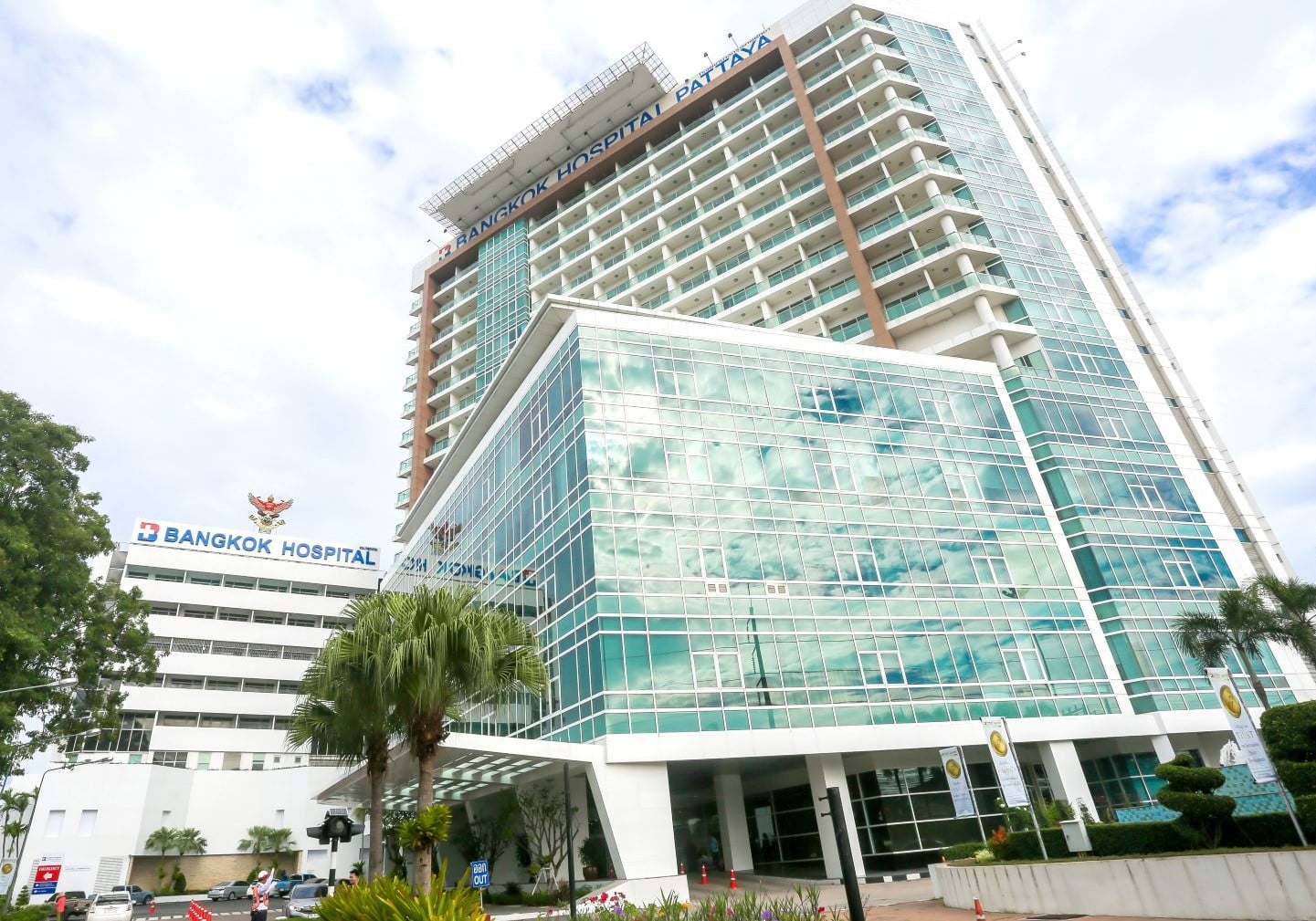
- Bangkok Hospital Pattaya: Serves as a major diagnostic and surgical hub on the eastern coast.
- Specialised units: Leading centres maintain dedicated hepatobiliary wards rather than using general surgery rooms.
Bookimed Expert Insight: Data shows Bumrungrad International treats patients from over 190 countries, with half their volume being international. This high volume across 1,300 doctors ensures surgical teams are accustomed to the complex logistics required for Australians undergoing major 5+ hour surgeries abroad.
Patient Consensus: Patients recommend choosing high-volume surgeons at private facilities for better ICU support and coordination. They often arrange follow-up care with their Australian GP regarding drains and enzymes before flying to Thailand.