8 Best Treatment of pulpitis Clinics in Thailand — AUD Prices


Medically reviewed by
Fahad Mawlood
How Much Does Treatment of pulpitis Cost in Thailand in AUD?
Treatment of pulpitis in Thailand typically costs from AUD $330 / ฿7,500 to AUD $680 / ฿15,300. The final price depends on the tooth type, infection complexity, and choice of restoration like crowns. Treatment usually includes the initial consultation, local anaesthesia, and the root canal procedure.
- Front teeth: typically 30–40% cheaper than molars as they usually have only one canal.
- Molar treatment: attracts higher fees due to complex root structures and multiple canals.
- Protective crowns: adding a ceramic or zirconia crown can double the total procedure budget.
- Microscopic endodontics: using specialised dental microscopes for high-precision cleaning increases the base price.
- Diagnostic imaging: digital X-rays or 3D CBCT scans are often billed as separate items.
Bookimed Expert Insight: Choosing large medical centres offers significant value for complex cases. Bumrungrad International Hospital, a JCI-accredited facility, serves over one million patients annually with advanced digital imaging. For personalised care, SOL Dental Clinic is a popular choice for Australians. Experienced specialists like Dr. Kitcha Tungthangthum, with 40+ years of experience, provide high-level expertise in these procedures.
| Thailand | Turkey | |
|---|---|---|
| Treatment of pulpitis | ≈ AUD $330 / ฿7,500 | from AUD $300 / ฿6,800 |
Your Benefits and Guarantees with Bookimed
Transparent Prices & Flexible Installments
No hidden fees – just official clinic prices. Pay at the clinic for Treatment of pulpitis upon arrival and use a flexible instalment plan if needed.
Verified Clinics & Doctors Only
Bookimed is committed to your safety. We only work with medical institutions that maintain high international standards in Treatment of pulpitis and have the necessary licenses to serve international patients worldwide.
Free 24/7 Assistance
Bookimed offers free expert assistance. A personal medical coordinator supports you before, during, and after your treatment, solving any issues. You're never alone on your Treatment of pulpitis journey.

Your personal Bookimed medical coordinator
- Supports you at every stage
- Helps choose the right clinic and doctor
- Ensures quick and convenient access to information
Best Treatment of pulpitis Clinics in Thailand for Australians: 8 Verified Options and AUD Prices










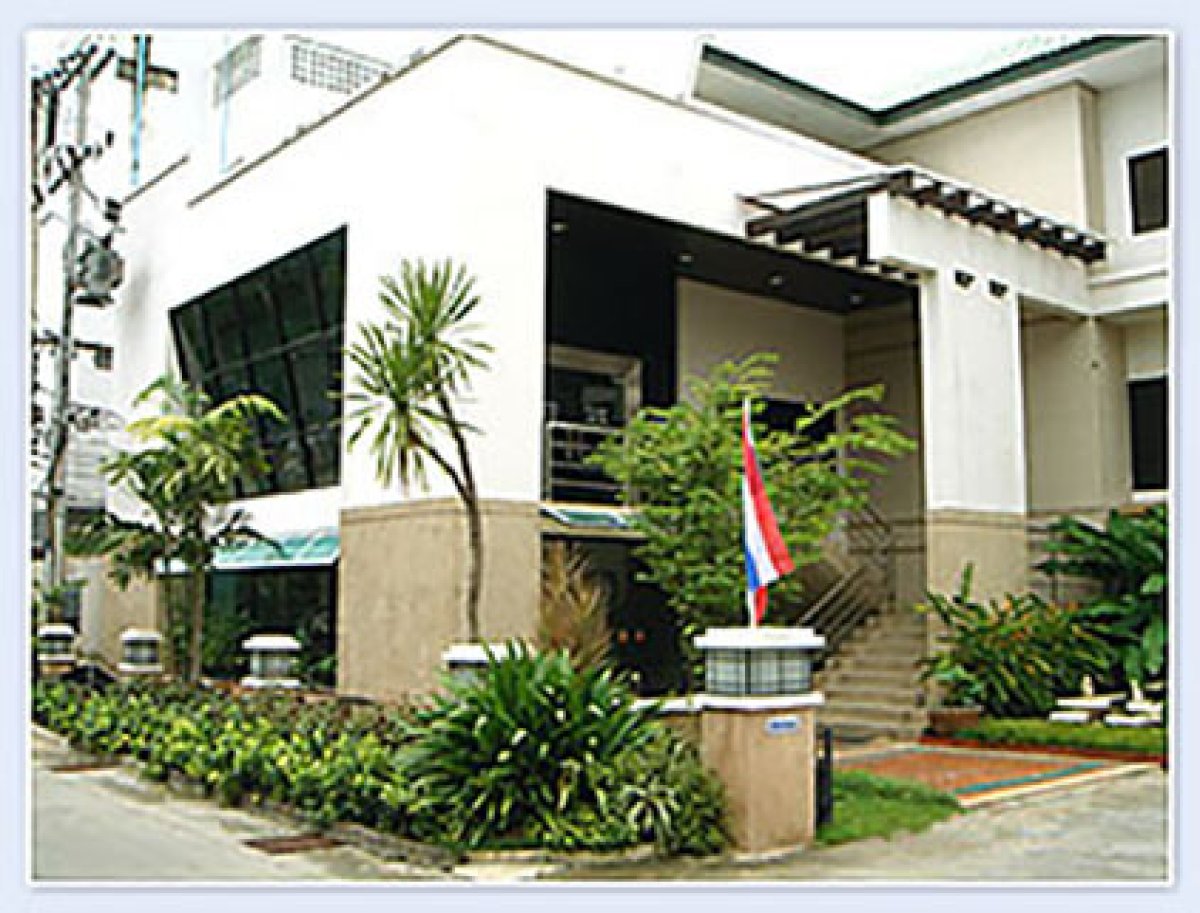
Grace Dental Care Clinic
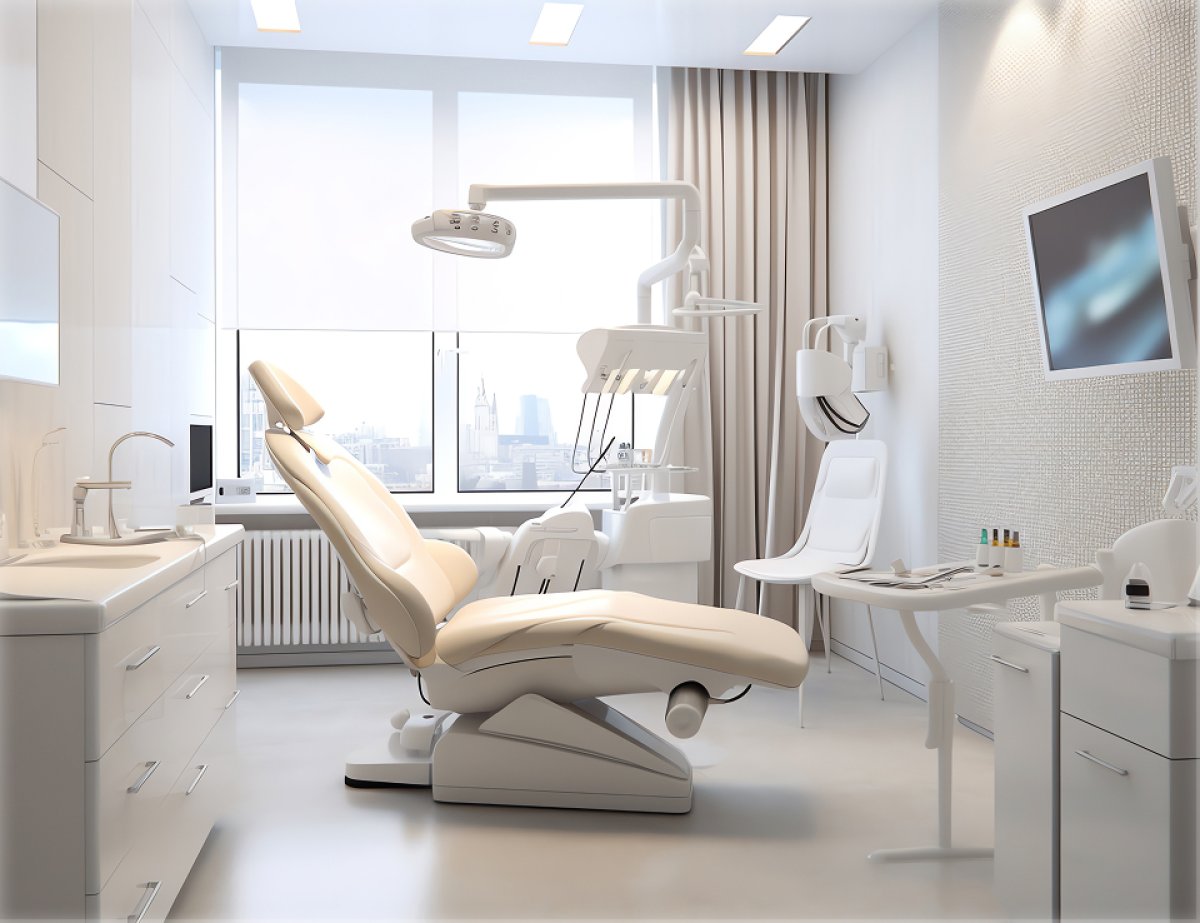
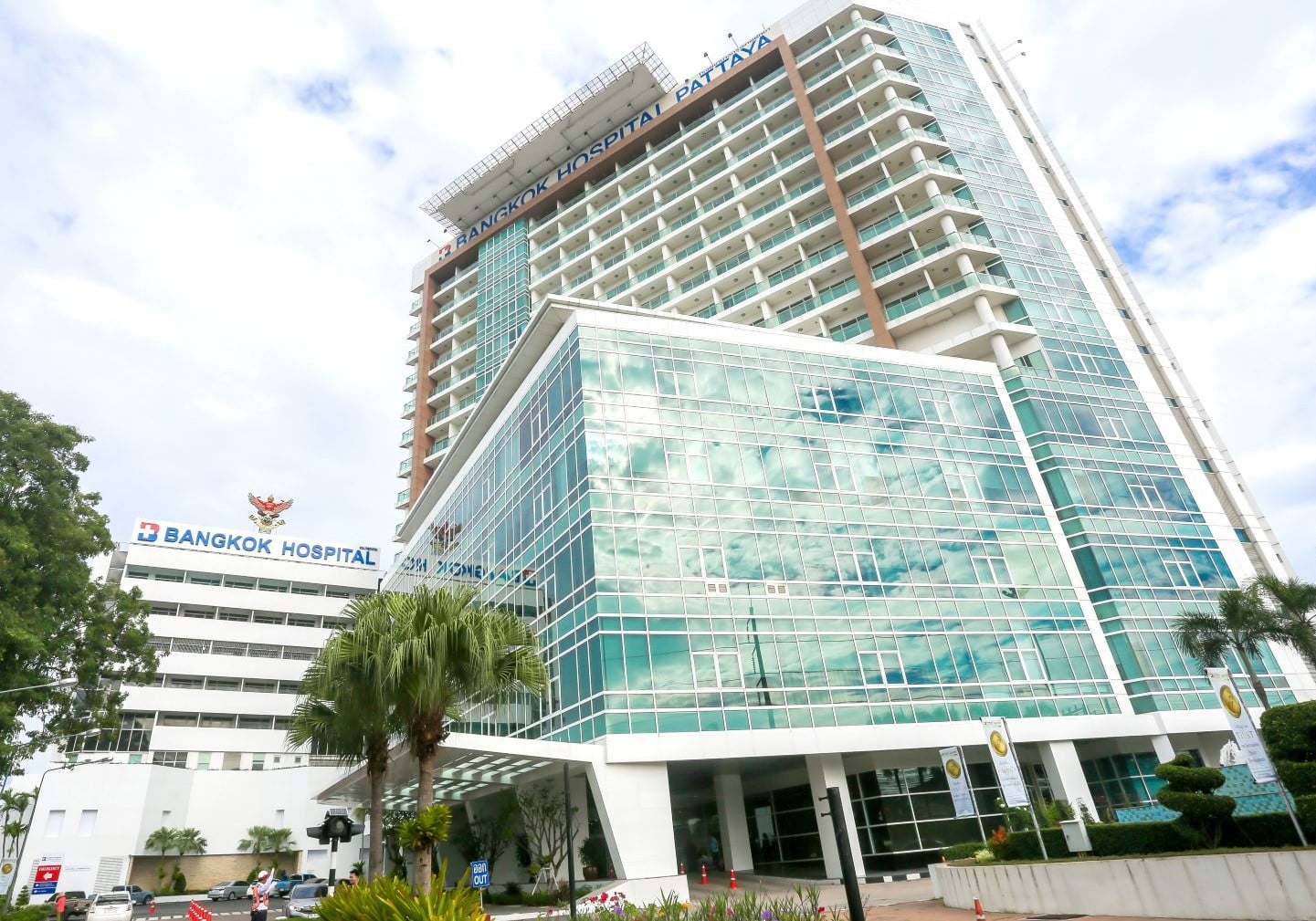




SOL Dental Clinic (Bangkok, Thailand)
Akarapat Rattananon



HeySmile Dental Clinic
Treatment of pulpitis Overview in Thailand
- Root canal treatment - from AUD $181Deep cavity treatment of infections by removing pulp from a tooth, disinfecting, and then sealing it.
- Bookimed deposit: $200 or €200.
- Clinic deposit: Pay a set percentage in advance.
Our Doctors
View all Doctors
Napapas Nidhidvanich
Specializes in complex tooth problems affecting pulp, nerves, and tissues – Dr. Nidhidvanich brings precision endodontic care at Intrarat Hospital.
- Graduated with honors from Chulalongkorn University
- Holds a Master's in Endodontics
- Diplomate of the Thai Board of Endodontics
- Focuses on advanced endodontic treatments

Pawak Tungthangthum
Dr. Pawak Tungthangthum brings over 17 years of dental expertise, trained in both Thailand and the USA, specializing in restorative and implant dentistry.
- Head of the Dental Department at Bangkok Chiang Mai Hospital since 2017
- Trained at Los Angeles School of Dentistry in advanced implantology
- Member of The American Dental Association and other prestigious organizations
- Specializes in esthetic restorative and implant dentistry

Kitcha Tungthangthum
With 45 years of dental expertise, Dr. Kitcha Tungthangthum founded Kitcha Dental Clinic to provide exceptional care.
- Specializes in treating pulpitis and other dental conditions
- Graduated with a Doctor of Dental Surgery degree from Chiang Mai University
- Dedicated to innovation and high treatment standards
Akarapat Rattananon
Specializes in minimally invasive procedures for pulpitis at SOL Dental Clinic, with advanced training in dental veneers and soft tissue surgery.
- Certified in Master course implant Osstem AIC Bangkok
- Trained in All-on-4 and All-on-6 techniques by Neodent
- Completed Fradeani Masterclass for dental veneers
- Expertise in soft tissue surgery from Thai Board of Periodontology
Video Stories from Bookimed Patients
Reviews about Bookimed: Discover Patients' Insights
All reviews

Share this content
 Anna Leonova

FAQ about Treatment of pulpitis in Thailand
Is it safe to undergo treatment for pulpitis in Thailand?
Pulpitis treatment in Thailand is safe when performed by qualified endodontists at accredited facilities. Leading centres like Bumrungrad International Hospital and Bangkok International Dental Center hold JCI accreditation. These clinics use digital microscopes and 3D imaging for precise root canal therapy with high success rates.
- Expert specialists: Endodontists like Dr Napapas Nidhidvanich at Intrarat Hospital hold master’s degrees and board certifications.
- Strict hygiene: Clinics use 3M Attest biological monitoring and autoclaving to meet international infection control standards.
- Modern diagnostics: Facilities use CBCT 3D imaging to map complex root canals and avoid re-infection.
- Quality materials: Official partners of Dentsply Sirona use professional-grade dental products identical to those in Australia.
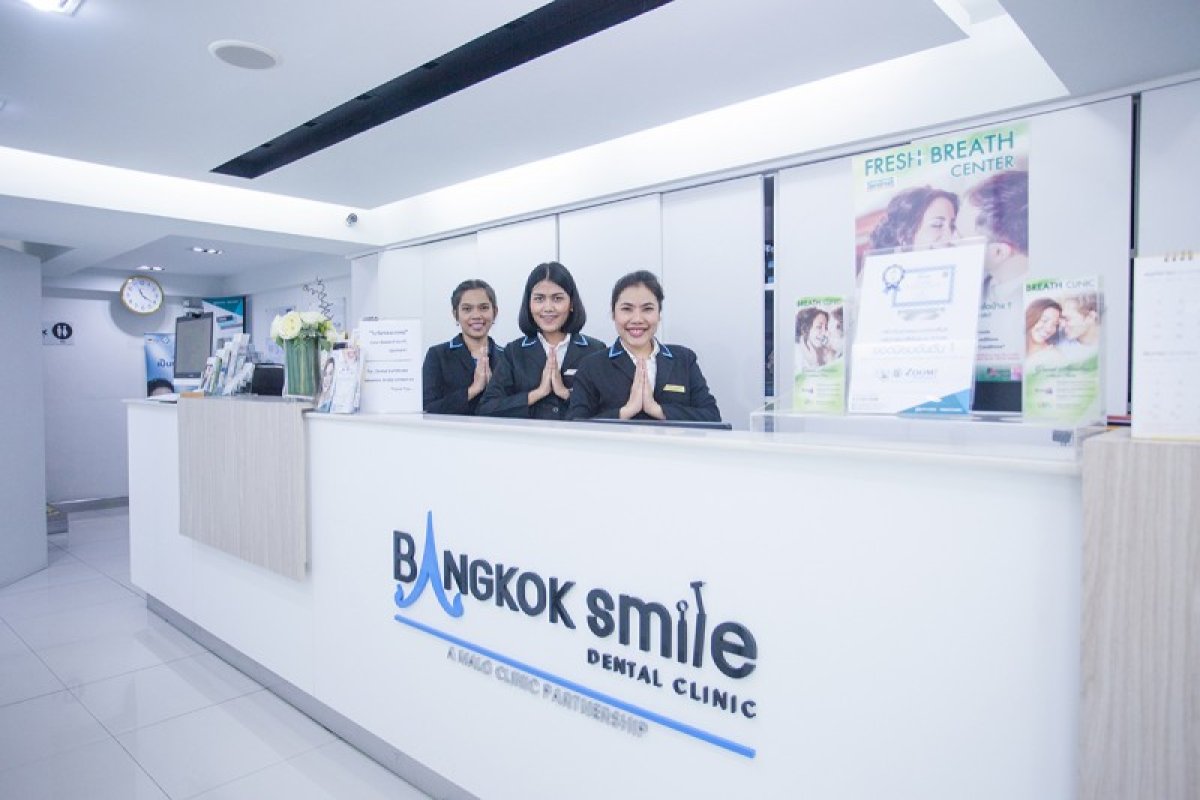
Bookimed Expert Insight: Thailand has 150+ dental clinics. Safety for pulpitis depends on choosing a specialist endodontist. General dentists can perform root canals. However, specialists at centres like Bangkok Smile Dental Clinic focus on complex pulp problems. Patients often save up to 72% while receiving care that meets ISO 9001:2015 quality management standards.
Patient Consensus: Patients find Thai clinics modern and professional. They often feel more supported than they do at home. Most experience relief after the first visit. Still, they suggest confirming the timeline for crowns or follow-up before flying back.
Can pulpitis be treated with antibiotics instead of a procedure in Thailand?
Antibiotics alone cannot cure pulpitis in Thailand or elsewhere. They may temporarily manage swelling but cannot reach the infected tooth pulp once blood flow stops. Definitive treatment requires physical intervention, such as a root canal or restorative filling, from a qualified dentist.
- Biological limitation: Antibiotics need blood flow to work. However, pulpitis often cuts off a tooth's internal blood supply.
- Pain management: Guidelines confirm antibiotics do not stop pain from irreversible pulpitis without dental work.
- Root canal: Specialists at centres like Intrarat Hospital remove infected tissue to save the natural tooth.
- Restorative options: Reversible cases may only need a filling or crown to protect the pulp.
- Extraction: This remains a final option if the tooth structure is too damaged to restore.
Bookimed Expert Insight: Antibiotics are never a cure. Clinics like SOL Dental Clinic often see Australian patients using them as a temporary fix. Relying on medication often leads to abscesses. This makes later surgery more complex. Specialist endodontists, such as Dr Napapas Nidhidvanich, focus on saving the tooth through precise therapy.
Patient Consensus: Patients in Thailand note that antibiotics only provide misleading, temporary relief. They recommend an immediate dental assessment. This helps avoid infections spreading to the gums or jawbone.
What is the clinical procedure for treating pulpitis in Thailand?
Pulpitis treatment in Thailand follows standard clinical protocols for inflammation. Dentists use dental fillings for mild cases or root canal therapy for severe infections. Leading JCI-accredited clinics in Bangkok and Phuket provide specialist care from endodontists to save teeth through precise cleaning and sealing.
- Reversible therapy: Dentists remove decay and apply biocompatible materials such as Mineral Trioxide Aggregate (MTA).
- Root canal workflow: Specialists use digital X-rays and microscopes to clean, disinfect, and seal infected canals.
- Structural reinforcement: Fragile teeth typically receive a post, core, and zirconia or porcelain crown.
- Specialist expertise: Endodontists like Dr Napapas Nidhidvanich at Intrarat Hospital hold Thai Board of Endodontics certification.
Bookimed Expert Insight: Thailand is a major hub for dental care with over 150 clinics. Thousands of international patients visit every year. Costs range from $220 to $450. Many Bangkok clinics use digital CAD/CAM milling to provide permanent crowns in just 2–5 days.
Patient Consensus: Patients find that Thai clinics offer clear choices based on inflammation severity. They suggest seeking a board-certified endodontist for complex cases. This provides the highest chance of saving the natural tooth.
How long do I need to stay in Thailand for the treatment of pulpitis?
Patients should plan to stay in Thailand for 3 to 14 days to treat pulpitis. A simple filling for reversible pulpitis takes a single day. However, complex root canal therapy requires several appointments and a 48-hour wait before flying safely.
- Reversible pulpitis: Allow 3–5 days to monitor sensitivity after a 60-minute filling appointment.
- Root canal therapy: Budget 7–10 days for multiple visits to clear infection and seal canals.
- Crown placement: Plan 10–14 days for root canal completion and custom laboratory crown fabrication.
- Flight safety: Wait 48+ hours post-treatment to avoid pain from cabin pressure changes.
Bookimed Expert Insight: Many local dentists perform general work. However, seeking a Diplomate of the Thai Board of Endodontics provides specialist expertise for complex pulpitis. At Bangkok Smile Dental Clinic, an in-house laboratory can reduce the week-long wait for crowns to a few days.
Patient Consensus: Visitors suggest leaving extra days if experiencing swelling or severe pain. For Australians, it is wise to build a buffer in case the dentist recommends a second appointment to stabilise the tooth before the flight home.