8 Best Thyroidectomy Clinics in Thailand — AUD Prices


Medically reviewed by
Fahad Mawlood
How it works
How Much Does Thyroidectomy Cost in Thailand in AUD?
Thyroidectomy in Thailand typically costs from AUD $5,200 / ฿119,000 to AUD $9,600 / ฿221,000. Final prices depend on the surgical technique, hospital tier, and specific city. Standard inclusions usually feature pre-operative blood work, surgeon fees, anaesthetic, a private hospital stay, and basic post-operative medications.
- Thyroid resection: AUD $8,200 / ฿187,000 to AUD $11,900 / ฿272,000 for partial removal of the gland.
- Subtotal thyroidectomy: AUD $7,100 / ฿163,200 to AUD $9,600 / ฿221,000 for removing most of the thyroid.
- Robotic-assisted surgery: Typically adds 20–30% more than traditional open surgery techniques.
- Hospital tier: Premium facilities in Bangkok can charge 20–60% more than regional centres.
Bookimed Expert Insight: Choosing a facility with international credentials offers excellent value for Australian patients. For example, Sikarin Hospital and Bumrungrad International Hospital both hold JCI accreditation. This ensures they meet rigorous global safety standards. While Bangkok is the primary hub, Pattaya and Chiang Mai also host reputable hospitals. Some clinics, like MedConsult Bangkok, specifically report serving Australians frequently. This indicates a high level of familiarity with the needs of medical tourists.
| Thailand | Turkey | |
|---|---|---|
| Thyroidectomy | from AUD $5,200 / ฿119,000 | from AUD $3,600 / ฿81,600 |
| Thyroid resection | ≈ AUD $8,200 / ฿187,000 | from AUD $3,700 / ฿85,000 |
| Subtotal thyroidectomy | ≈ AUD $7,100 / ฿163,200 | from AUD $4,500 / ฿102,000 |
| Submandibular Gland Excision | ≈ AUD $3,900 / ฿88,400 | from AUD $1,600 / ฿37,400 |
| Parotidectomy | ≈ AUD $5,600 / ฿129,200 | ≈ AUD $4,700 / ฿108,800 |
Best Thyroidectomy Clinics in Thailand for Australians: 8 Verified Options and AUD Prices


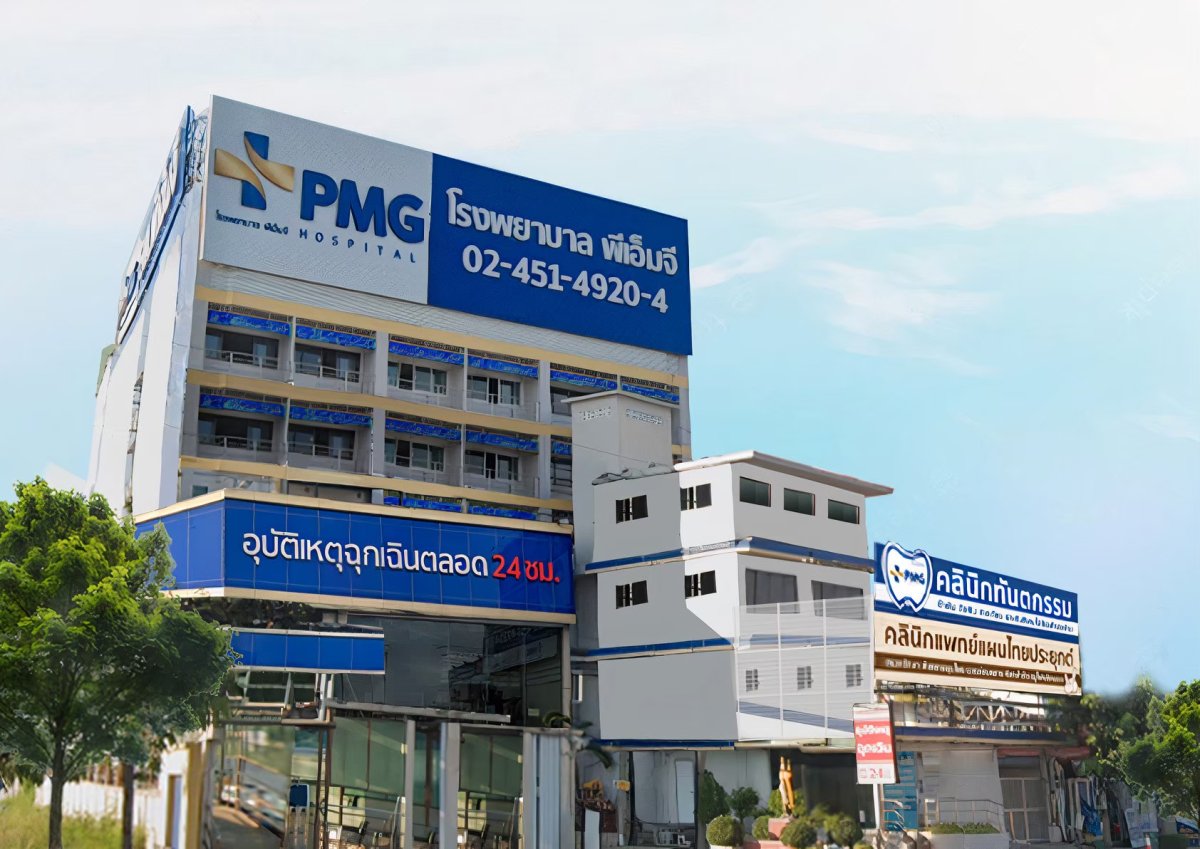








MedConsult Bangkok Medical Clinic
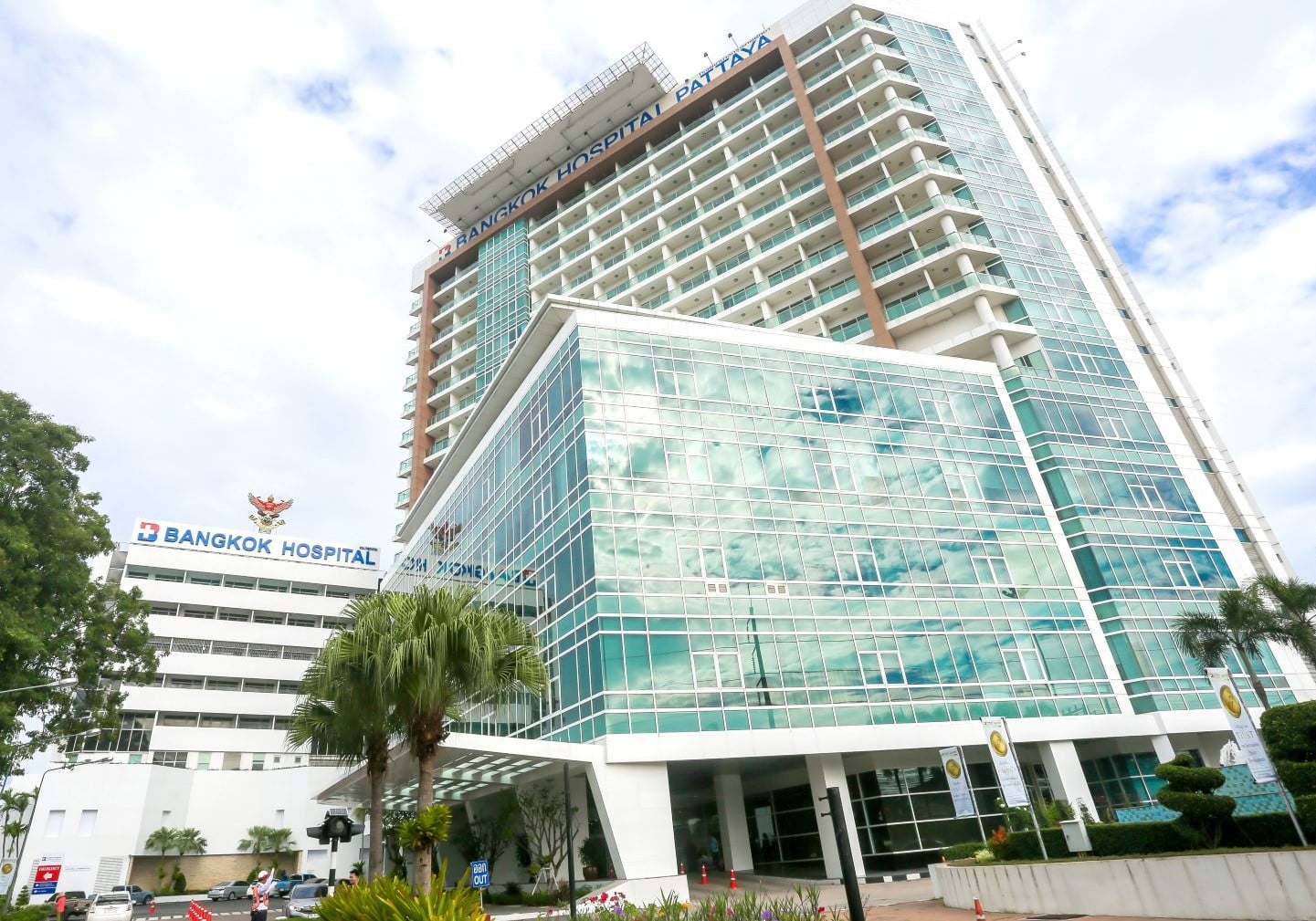






Thyroidectomy Overview in Thailand
- Thyroidectomy - from AUD $5,193The operation involves removing all or part of the thyroid gland to treat thyroid diseases.
- Bookimed deposit: $200 or €200.
- Clinic deposit: Pay a set percentage in advance.
Our Doctors
View all Doctors
Dr Prapas Teerakul
Dr. Prapas Teerakul is an otolaryngologist at Intrarat Hospital in Bangkok. He specializes in head and neck surgery and complex ENT conditions. Dr. Teerakul served as an Assistant Professor of Otolaryngology at Ramathibodi Hospital. He earned his medical degree and specialty certification from Mahidol University.
- Performs specialized surgeries including cochlear implants, stapedectomy, and tympanoplasty.
- Treats sleep apnea, hearing loss, and deviated septums.
- Provides reconstructive procedures such as cleft palate repair and prosthetic ear placement.
- Practices at the ISO 9001-certified Intrarat Hospital.

Anyarat Vichayawannakul
Dr. Vichayawannakul is a board-certified endocrinologist specializing in thyroid conditions at Intrarat Hospital.
- Diploma in Endocrinology from Rajavithi Hospital
- Expertise in internal medicine with a focus on thyroid disorders
- Graduated with honors from Chulalongkorn University
Video Stories from Bookimed Patients
Reviews about Bookimed: Discover Patients' Insights
All reviews

Share this content
 Anna Leonova

FAQ about Thyroidectomy in Thailand
What are the success and complication rates for a thyroidectomy in Thailand?
Thyroidectomy in Thailand has a 95% to 98% success rate at JCI-accredited facilities. Bumrungrad International Hospital and similar clinics maintain complication profiles that align with international benchmarks. They achieve nearly 100% symptom resolution for benign conditions like goitres or nodules.
- Surgical success: Routine procedures for low-risk cases maintain success rates of 95% or higher.
- Cancer outcomes: Long-term survival for differentiated thyroid cancer exceeds 95% with professional follow-up.
- Nerve safety: Permanent vocal cord paralysis occurs in less than 1% of specialised cases.
- Calcium stability: Temporary hypocalcaemia affects 15% to 19.4% of patients but is easily managed.
Bookimed Expert Insight: Thailand is a hub for Transoral Endoscopic Thyroidectomy. This technique leaves zero visible neck scars. Centres like Bumrungrad International Hospital serve over 500,000 international patients annually. This high volume helps surgeons maintain proficiency in robotic and scarless approaches.
Patient Consensus: Patients report that Bookimed matches them with specialists who understand their medical requirements. The guidance provided assists those without prior medical travel history in Thailand.
Will I need long-term medication after returning to Australia following a thyroidectomy in Thailand?
Whether you need long-term medication depends on the extent of your surgery. A total thyroidectomy requires lifelong hormone replacement. However, a partial procedure might not. Most patients have blood tests 6 to 8 weeks post-surgery in Australia to find their maintenance dose.
- Hormone replacement: Total thyroidectomy requires lifelong daily synthetic thyroxine, such as Oroxine or Eutroxsig.
- Dose titration: It typically takes 4 to 5 months of small adjustments to stabilise levels.
- Interim supplements: Doctors may prescribe short-term calcium or Vitamin D to support parathyroid function.
- GP handover: Australian GPs must issue local prescriptions as foreign ones are not valid here.
Bookimed Expert Insight: Data from centres like Bumrungrad International Hospital shows that 50% of their patients are international. They are adept at preparing medical dossiers for foreign GPs. Patients should ask their Thai endocrinologist, such as Dr Anyarat Vichayawannakul at Intrarat Hospital, for a detailed pathology report. This helps simplify Australian Medicare claims for follow-up blood tests.
Patient Consensus: Patients in Thailand found that clear pathology reports helped their Australian doctors adjust doses quickly. Bringing copies of operative summaries helped provide a smooth transition to local care.
Can I have scar-free thyroid surgery in Thailand?
Thailand leads in scar-free thyroid surgery using techniques that hide incisions inside the mouth or armpit. Specialised centres in Bangkok provide transoral endoscopic thyroidectomy (TOETVA) and robotic surgery. These methods remove the thyroid without making visible cuts on the neck.
- Transoral approach: Surgeons access the thyroid through the lower lip, leaving no visible body scars.
- Robotic assistance: Bumrungrad International Hospital uses the da Vinci system for high-precision tissue removal.
- Concealed incisions: The axillary approach places small marks in the armpit where clothing easily hides them.
- Nerve monitoring: International centres use tracking during surgery to protect laryngeal nerves and preserve the voice.
Bookimed Expert Insight: While many centres claim scar-free results, Bookimed data shows hubs like Bumrungrad International Hospital serve over 1 million patients annually. These facilities provide robotic surgery and endocrinology specialists like Dr Anyarat Vichayawannakul to manage the whole process.
Patient Consensus: Patients in Thailand appreciate how hidden incisions mean no neck scars. They suggest confirming telehealth follow-up for Australia and requesting photos of previous results before booking.
How long must I stay in Thailand before flying home after a thyroidectomy?
Patients generally stay in Thailand for 7 to 14 days before flying home after a thyroidectomy. Domestic travel is possible after 3 days. However, flights to Australia require a stable recovery period. This allows the medical team to monitor calcium levels and ensure respiratory safety before long-haul travel.
- Immediate observation: Patients remain in hospital for 1 to 2 days for incision monitoring.
- Fit to fly: Written clearance is typically issued between 7 to 10 days post-op.
- Calcium monitoring: Surgeons check for hypocalcaemia risks before clearing patients for long-distance air travel.
- Drain removal: Travel is usually restricted until surgical drains are removed by the specialist.
Bookimed Expert Insight: Thailand is a high-volume hub with over 4,100 thyroidectomy requests served through our platform. Leading facilities like Bumrungrad International Hospital treat patients from 190+ countries. Surgical teams here are highly proficient in managing post-operative calcium stabilisation for international travellers.
Patient Consensus: Planning at least one week in Thailand allows for drain removal and calcium checks. Patients appreciate having an early follow-up and a clear written plan before flying to Australia.
Which hospitals in Thailand are recommended for a thyroidectomy?
Bumrungrad International Hospital, Bangkok Hospital, and Samitivej Sukhumvit Hospital are the leading recommendations for a thyroidectomy in Thailand. These JCI-accredited facilities specialise in transoral endoscopic thyroidectomy (TOETVA), a scar-free technique. Surgeons there perform many complex head and neck procedures for international patients.
- Bumrungrad International Hospital: Features a Thyroid Disorders Centre serving 500,000+ international patients annually.
- Bangkok Hospital: Provides scarless transoral surgery via the dedicated Ear Nose Throat Centre.
- Sikarin Hospital: Dedicated international hub frequently treating patients from Australia and New Zealand.
- Specialist expertise: Dr Anyarat Vichayawannakul at Intrarat Hospital provides endocrine and metabolism care.
Bookimed Expert Insight: Thailand’s leading hospitals like Bumrungrad treat over 1,000,000 patients annually. Roughly 50% of these patients arrive from overseas. This volume means specialists are highly proficient in scarless techniques like TOETVA. Many Australians choose these centres because surgeons perform these delicate procedures often.
Patient Consensus: Patients in Thailand appreciate receiving clear medical records in English. They also find post-operative follow-up reliable. Many highlight coordinators who manage pathology reports and telehealth for returning travellers.