29 years of experience
Premium Dimple Creation Surgery Package
Dimple creation surgery in Thailand typically costs from AUD $852 / ฿A28,960 to AUD $1,278 / ฿A43,439. The total price depends on whether one or both cheeks are treated and the medical facility tier. Patients save around 72% by travelling to Thailand from Australia, where this procedure costs AUD $4,117 / ฿A139,972 on average. Standard pricing usually covers local anaesthetic, facility fees, and initial post-operative medications.
Bookimed Expert Insight: Choosing a specialised hospital like Asia Cosmetic Hospital offers extra safety. They use anesthesiologists and cardiologists to supervise every procedure. For those seeking efficiency, Wansiri Hospital features specialists like Dr Shananya Varophas. She has performed over 1,100 dimpleplasties. Using established hospitals ensures access to sterile, hospital-grade operating rooms with HEPA filtration systems for better recovery environments.
| Thailand | Turkey | South Korea | |
| Dimple Creation Surgery | from AUD $830 / ฿A28,236 | from AUD $497 / ฿A16,893 | from AUD $1,349 / ฿A45,853 |
Dr Ploypailin Rattanachinnakorn is a dual-certified specialist in plastic and maxillofacial surgery based at Intrarat Hospital. She holds advanced qualifications from Thailand's top medical faculties including Chulalongkorn and Mahidol universities.
Dr Natthakritta Pruksapanrat founded Tonliew Clinic to provide specialised surgical procedures with a focus on achieving natural results tailored to each individual's facial structure.
Dimple creation surgery in Thailand is safe when performed by surgeons certified by the Medical Council of Thailand. It should take place within JCI-accredited hospitals. This 30-minute outpatient procedure is minimally invasive. Some facilities maintain a 0% complication rate across 2,500+ procedures annually. They achieve this using anaesthetist-supervised sedation and high-standard air filtration.
Bookimed Expert Insight: Here is a detail easily overlooked: reliable Thai clinics include anaesthetist supervision even for minor dimpleplasty procedures. While some boutiques use basic local injections, JCI-accredited centres like Asia Cosmetic Hospital provide a specialist to manage sedation. This oversight helps these centres maintain high safety records.
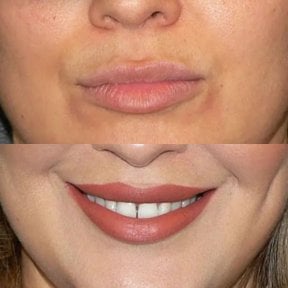
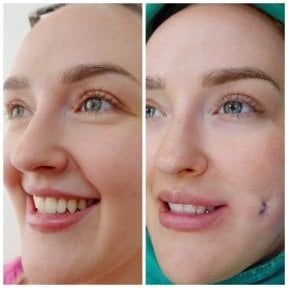
Dimpleplasty in Thailand is a 20 to 60-minute outpatient procedure. It is performed under local anaesthesia. Surgeons at JCI-accredited Bangkok clinics use an intraoral technique. They create dimples via small internal incisions. This method leaves no external scarring. It provides results that typically appear only when smiling.
Bookimed Expert Insight: Bookimed data shows high-volume centres like Somchai Clinic perform over 10,000 procedures annually. Surgeons like Dr Phatcharasak Kraisornphongsakul have handled 20,000+ cases. This volume means Thai specialists are very fast. They often complete the surgery in just 20 minutes.
Patient Consensus: Patients in Thailand describe the process as a quick surgery with minimal discomfort. They suggest sticking to soft foods and strict mouth rinsing routines. Many noted the dimples look deep initially but soften after 2 months.
Dimple creation surgery in Thailand is designed to be permanent. Surgeons create a lasting connection between the cheek skin and the buccinator muscle. They use internal sutures to form scar tissue that mimics a natural dimple. This indentation appears when facial muscles move during a smile.
Bookimed Expert Insight: Thai clinics like Asia Cosmetic Hospital and PPSI often use techniques without implants. These methods rely entirely on internal structural stitches. Choosing surgeons with vast experience helps the scar tissue form correctly for lifelong results.
Patient Consensus: Patients in Thailand note that dimples look quite pronounced at rest initially. The most natural results typically settle several months after surgery once the tissue fully heals.
Initial healing for dimple surgery in Thailand occurs within 1–3 days. Most swelling subsides during this window. Patients typically achieve full tissue recovery within 2–3 weeks. Surgeons recommend staying in Bangkok for 7–10 days for follow-up checks and safe air travel.
Bookimed Expert Insight: Many Australian patients expect a quick weekend trip. However, Bangkok surgeons often suggest a 10-day stay. This allows time for dissolvable stitches to settle. It also prevents cabin pressure during flights from causing discomfort or swelling.
Patient Consensus: The first few days in Thailand are often the roughest. Patients report swelling and tenderness during this time. Results may initially look very deep, but the appearance softens as patients return to daily activities.
Dimple creation surgery in Thailand is designed to be permanent, but it can be surgically reversed. Reversal requires a second procedure to release the internal scar tissue anchoring the skin. Surgeons in Bangkok often use no-implant techniques to allow for natural movement.
Bookimed Expert Insight: Many Australian patients focus on costs. However, the real differentiator in Thailand is surgical volume. Dr Phatcharasak Kraisornphongsakul at ID Clinic Bangkok has performed 20,000+ procedures. This repetition helps surgeons master the precise anchoring depth needed for natural-looking dimples.
Patient Consensus: Surgically created dimples result from internal scarring. Patients should treat them as a lasting change. A reversal typically requires another operation. Factor in extra logistics, travel time, and aftercare when planning a revision.
Reputable Thai clinics for dimple creation surgery are found in Bangkok and Phuket. Prices range from A$800 to A$1,300. Leading centres include JCI-accredited Asia Cosmetic Hospital and Wansiri Hospital. These hospitals provide specialised facilities and international patient services for Australian travellers.
Bookimed Expert Insight: Many clinics offer quick outpatient dimpleplasty. However, Wansiri Hospital and Asia Cosmetic Hospital use theatres with HEPA air filtration. These medical-grade environments reduce infection risks compared to smaller storefront clinics. This is vital for facial surgeries where scarring must be minimised.
Patient Consensus: Patients recommend choosing board-certified surgeons who specialise in facial aesthetics. It is better to avoid general cosmetic providers. Clear communication about asymmetry risks and viewing healed photos helps set realistic expectations in Thailand.