11 Best Self-ligating braces Clinics in Thailand — AUD Prices


Medically reviewed by
Fahad Mawlood
How Much Does Self-ligating braces Cost in Thailand in AUD?
Self-ligating braces in Thailand typically cost from AUD $2,900 / ฿64,600 to AUD $5,400 / ฿122,400. Prices depend on the bracket material, case complexity, and the specific clinic tier in cities like Bangkok, Phuket, or Chiang Mai. Initial costs usually include the orthodontic consultation and diagnostic imaging.
- H4 self-ligating metal braces: AUD $1,700 / ฿37,400 to AUD $2,700 / ฿61,200 for 1 jaw.
- SmartClip braces: AUD $2,700 / ฿61,200 to AUD $5,400 / ฿122,400 for the full system.
- Aesthetic variations: Ceramic or clear brackets commonly add 30–40% to the base treatment price.
- Post-treatment retainers: Often billed separately at a fixed rate per arch after bracket removal.
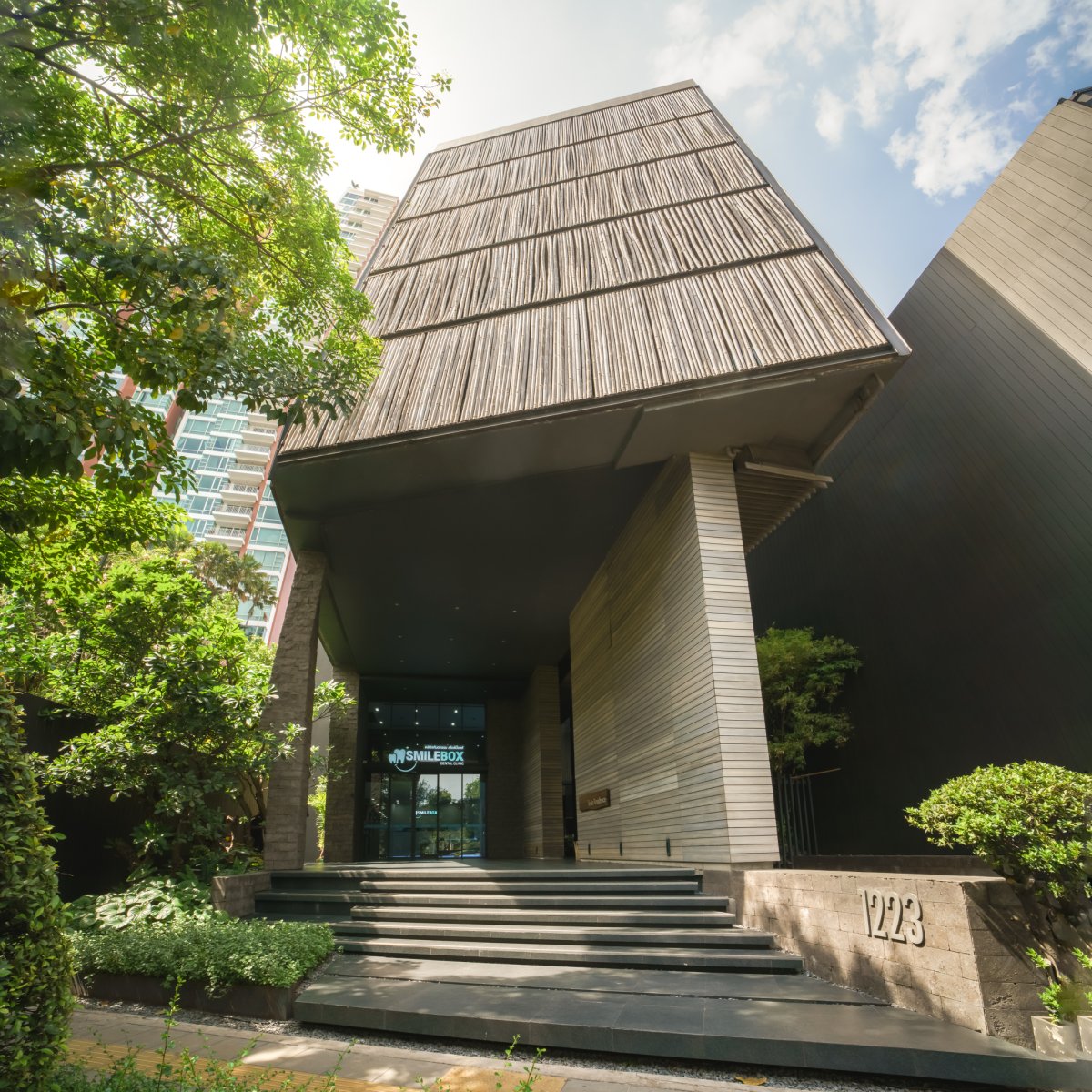
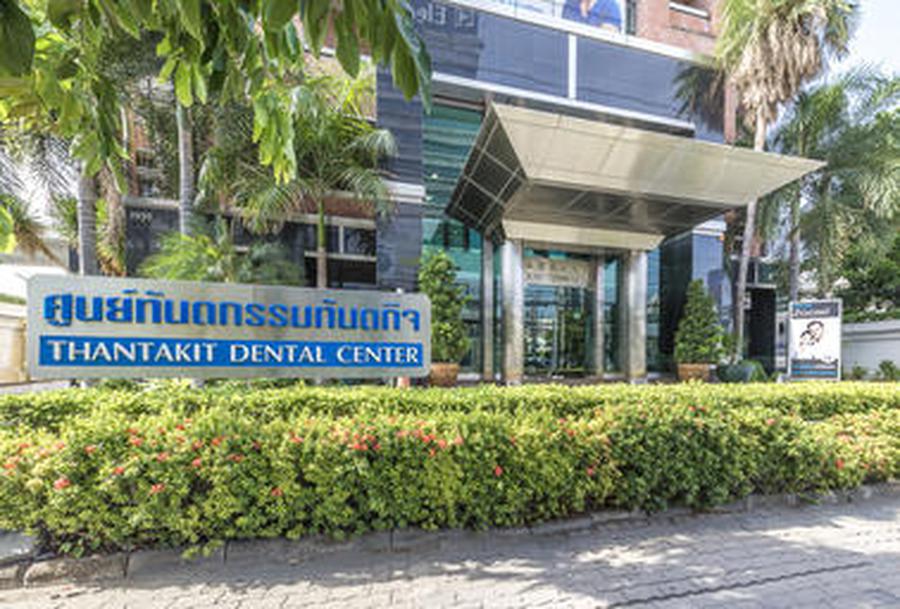
Bookimed Expert Insight: Choosing a clinic with an in-house laboratory can reduce wait times and total costs. Thantakit International Dental Center uses its own lab to maintain quality control. Patients from Australia are regular visitors at SmileBox Dental Clinic, which uses Straumann materials. Major hospitals like Bumrungrad International Hospital are accredited by the Joint Commission International (JCI). This ensures high standards for international patients seeking complex orthodontic care in Bangkok.
| Thailand | Turkey | |
|---|---|---|
| Self-ligating braces | ≈ AUD $2,900 / ฿64,600 | ≈ AUD $2,000 / ฿44,200 |
| SmartClip braces | ≈ AUD $2,700 / ฿61,200 | ≈ AUD $2,000 / ฿44,200 |
| H4 self-ligating metal braces (USA), 1 jaw | ≈ AUD $1,700 / ฿37,400 | ≈ AUD $980 / ฿22,100 |
| Clarity self-ligating ceramic braces (USA), 1 jaw | ≈ AUD $2,000 / ฿44,200 | from AUD $1,400 / ฿30,600 |
Your Benefits and Guarantees with Bookimed
Transparent Prices & Flexible Installments
No hidden fees – just official clinic prices. Pay at the clinic for Self-ligating braces upon arrival and use a flexible instalment plan if needed.
Verified Clinics & Doctors Only
Bookimed is committed to your safety. We only work with medical institutions that maintain high international standards in Self-ligating braces and have the necessary licenses to serve international patients worldwide.
Free 24/7 Assistance
Bookimed offers free expert assistance. A personal medical coordinator supports you before, during, and after your treatment, solving any issues. You're never alone on your Self-ligating braces journey.

Your personal Bookimed medical coordinator
- Supports you at every stage
- Helps choose the right clinic and doctor
- Ensures quick and convenient access to information
Best Self-ligating braces Clinics in Thailand for Australians: 11 Verified Options and AUD Prices











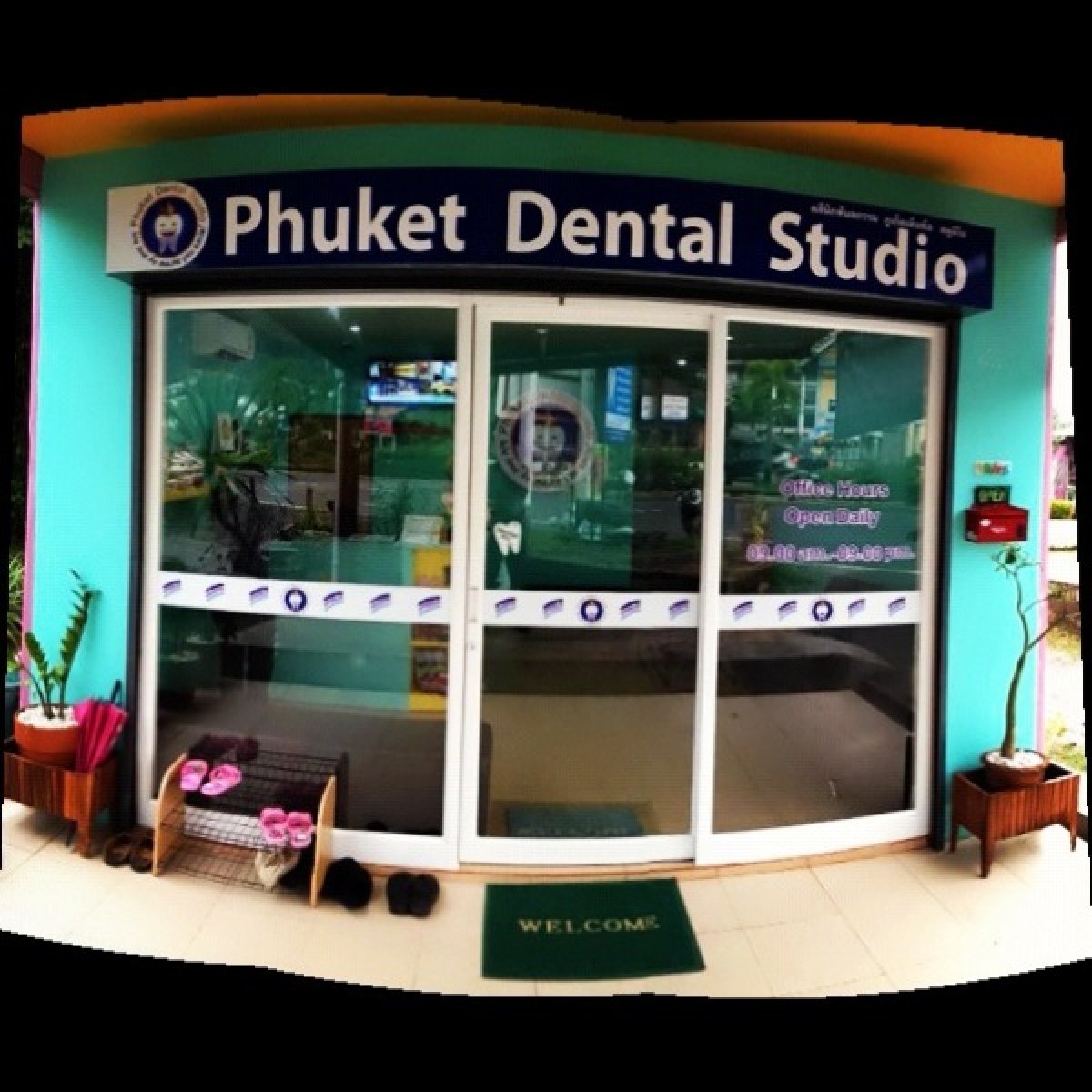
Phuket Dental Studio

Dental World: The Oral Health Center


Thantakit International Dental Center
Bangkok Dental Hospital (Silom Dental Building) / Bangkok Dental Hospital Co., Ltd
Self-ligating braces Overview in Thailand
- Bookimed deposit: $200 or €200.
- Clinic deposit: Pay a set percentage in advance.
Our Doctors
View all Doctors
Video Stories from Bookimed Patients
Reviews about Bookimed: Discover Patients' Insights
All reviews

Share this content
 Anna Leonova

FAQ about Self-ligating braces in Thailand
What are the advantages of choosing self-ligating braces in Thailand compared to traditional options?
Self-ligating braces in Thailand offer better comfort and hygiene than traditional metal options. These systems use specialised clips instead of elastic bands. This reduces friction and requires fewer adjustment visits. This efficiency makes them ideal for international patients seeking quality orthodontic care at JCI-accredited facilities.
- Reduced travel: Fewer adjustments mean patients spend less time in the orthodontist’s theatre.
- Easier cleaning: Without elastic ligatures, these brackets trap less food and plaque.
- Lower friction: Sliding mechanisms apply gentle, consistent force for a more comfortable experience.
- Specialised technology: Thailand clinics use digital planning and brands like SmartClip and H4.
Bookimed Expert Insight: While self-ligating braces cost from $1,900 to $3,600, the real value for Australians is the reduced chair time. Some Bangkok clinics now use planning systems like the Brava™ system. This allows for independent tooth movement and fewer appointments than traditional braces.
Patient Consensus: Patients in Thailand appreciate how much easier it is to keep teeth clean without elastic ties. The smoother adjustments involve less pressure. This makes the overall experience feel much faster and more manageable during a holiday.
How frequent are the adjustment visits for self-ligating braces when travelling to Thailand for treatment?
Self-ligating braces in Thailand typically require adjustment visits every 4 to 10 weeks. Systems like H4 or SmartClip use brackets that maintain constant pressure. These brackets remove the need for traditional elastic ties, allowing for longer intervals.
- Adjustment frequency: Visits occur every 4–10 weeks compared to 4–6 weeks for traditional braces.
- Initial setup: Patients should plan for a 10–14 day stay for scans and bonding.
- Treatment duration: Comprehensive orthodontic care typically lasts 18+ months for complex cases.
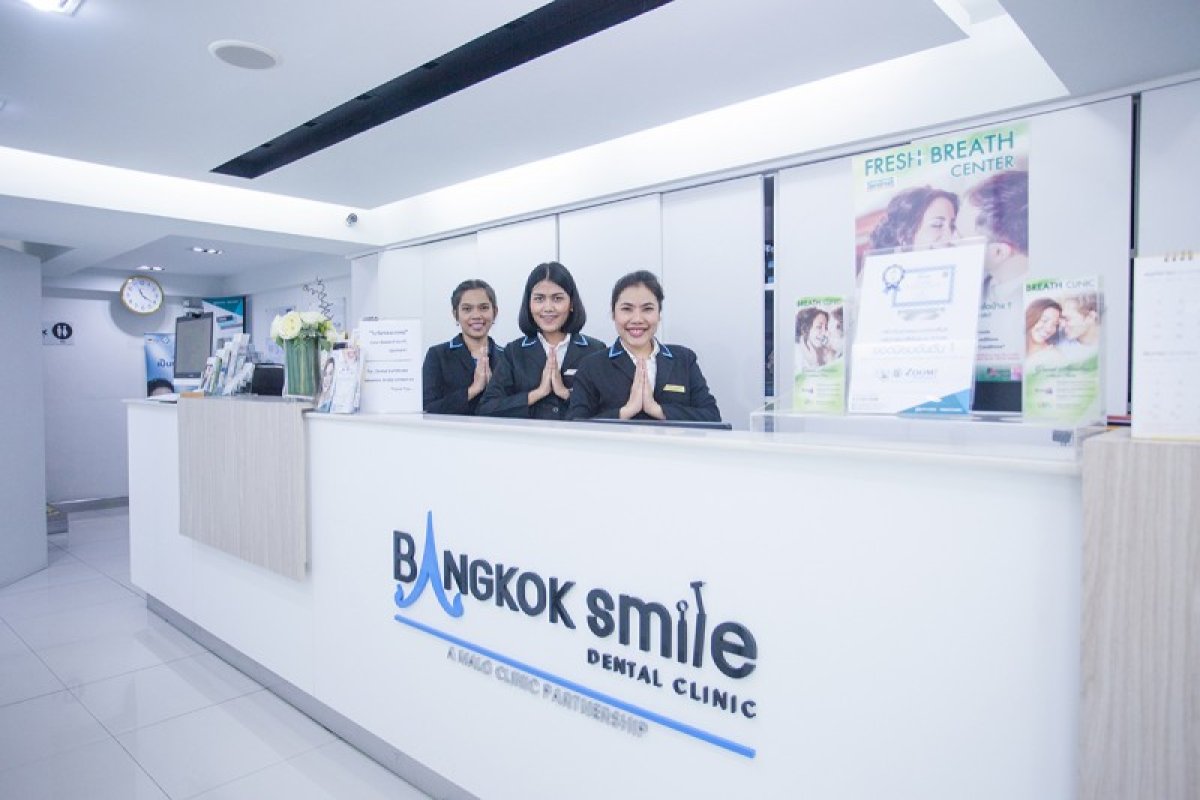
- Clinic specialisation: Bangkok Smile Dental Clinic offers structured support for international patients with short stays.
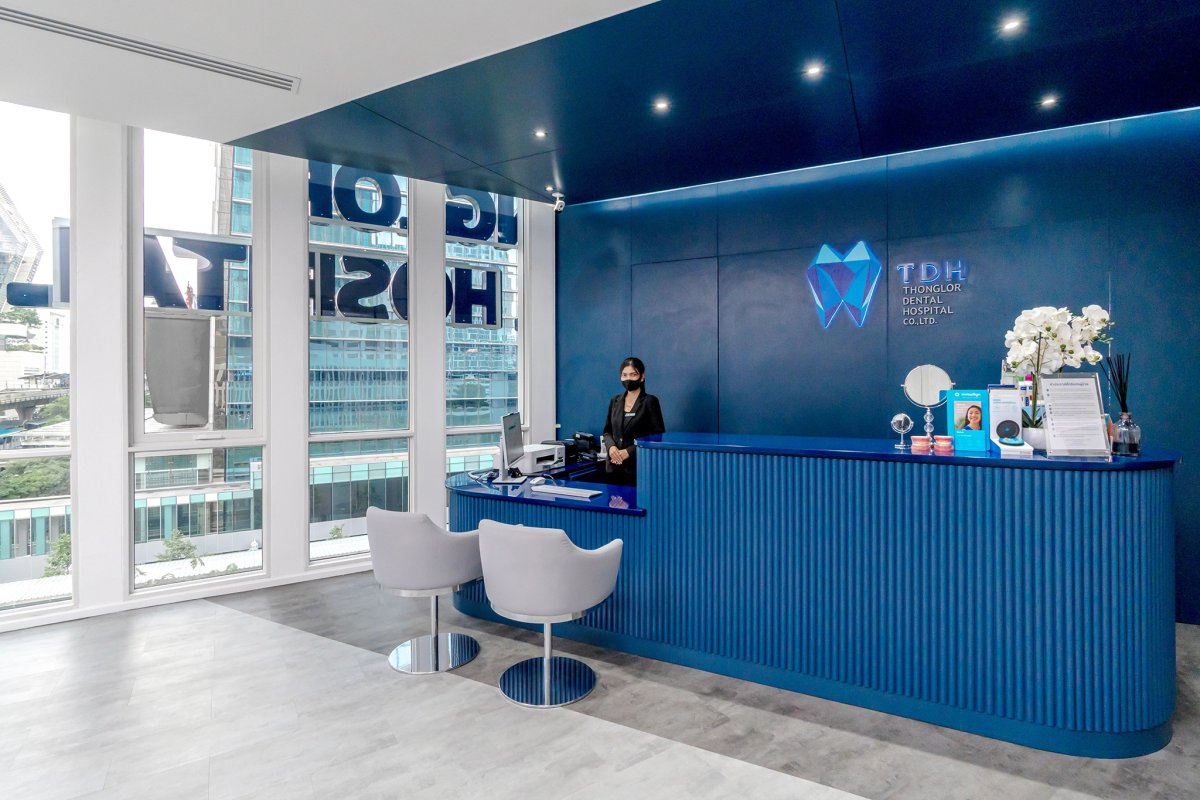
- Remote monitoring: Thonglor Dental Hospital uses digital workflows for progress tracking.
Bookimed Expert Insight: Bookimed data shows several Bangkok clinics, such as SmileBox Dental Clinic, serve many Australian patients. While local adjustments are possible, some patients save up to 51% by timing return trips with holidays. Centres like Bumrungrad International Hospital manage over 1,000,000 patients annually using JCI-accredited safety standards.
Patient Consensus: Patients travelling to Thailand value the efficient bonding and the professionalism of JCI-accredited clinics. Many find the digital planning process simplifies coordination with their dentists in Australia.
Are ceramic options available for self-ligating braces in Thailand?
Ceramic options for self-ligating braces are available in Thailand at specialised dental hospitals. Facilities in Bangkok often provide aesthetic brands like Damon Clear and 3M Clarity SL. These systems use clear, tooth-coloured brackets for a discreet appearance and faster adjustment times.
- Brand availability: Clinics offer Damon Clear and 3M Clarity SL systems for translucent straightening.
- Technology: Centres like TDH Dental use AI-assisted planning for precise orthodontic movements.
- Quality standards: JCI-accredited facilities such as Bumrungrad International Hospital follow high safety protocols.
- Material confirmation: Providers use original materials from reputable global companies like Straumann and 3M.
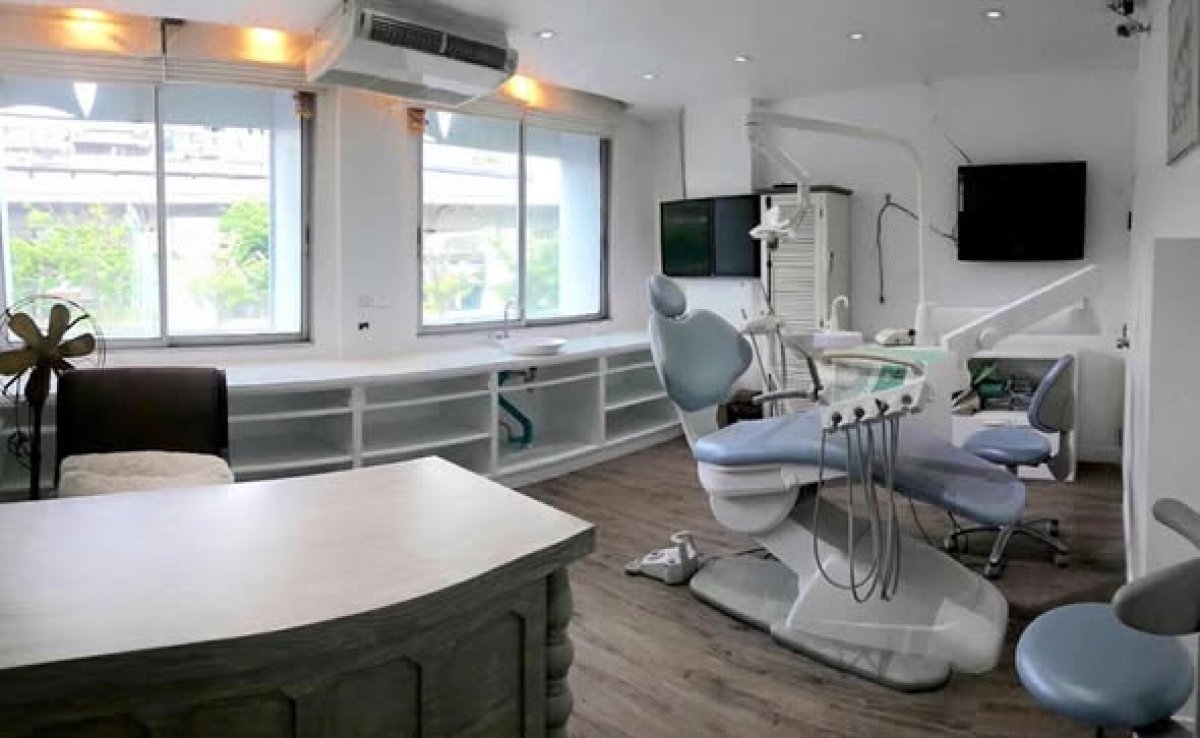
Bookimed Expert Insight: While metal self-ligating systems are common, clinics in Bangkok like Silom Dental Building specialise in all-ceramic solutions.
Patient Consensus: Patients in Thailand recommend getting the exact bracket brand and material confirmed in writing. They suggest requesting photos of the specific clear brackets before arriving for the appointment.
What does the initial fitting process for self-ligating braces involve at a clinic in Thailand?
Fitting self-ligating braces at a Thai clinic involves cleaning teeth and bonding specialised brackets. These brackets feature built-in door mechanisms to hold the archwires. Orthodontists in Bangkok and Phuket often complete this process in 1–2 hours. The procedure requires no anaesthesia or elastic ties.
- Full assessment: Initial visits include X-rays, 3D scans, and digital imaging for precise bracket placement.
- Bracket bonding: Orthodontists apply adhesive to secure H4 or SmartClip self-ligating brackets individually.
- Wire insertion: Clinicians secure specialised archwires into the bracket's built-in sliding latch system.
- Same-day fitting: Some Bangkok clinics perform diagnostics and bracket bonding during a single appointment.
Bookimed Expert Insight: Thai clinics like Thonglor Dental Hospital use AI-assisted planning and brands like Brava by Brius or SmartClip. This technology helps specialists predict tooth movement more accurately than traditional methods. Patients should check if their clinic has an in-house laboratory to speed up the diagnostic phase.
Patient Consensus: Expect the first fitting to feel like tight pressure or soreness for a few days. Patients should stick to soft foods during this time. Those treated in Thailand appreciate that clinics provide detailed advice for managing discomfort. Many also value having rapid diagnostic scans on the same day.