Rectal resection Clinics in Thailand — AUD Prices


Medically reviewed by
Yesim Yildirim
How Much Does Rectal resection Cost in Thailand in AUD?
Rectal resection in Thailand typically costs from AUD $13,600 / ฿306,000 to AUD $21,900 / ฿493,000. The final price depends on the surgical technique, clinic tier, and required hospital stay. Standard costs usually cover surgeon fees, anaesthesia, and inpatient care.
- Laparoscopic approach: Typically adds a 20–30% premium over traditional open surgery for faster recovery.
- Robotic-assisted surgery: Generally costs 50–100% more than standard methods due to advanced technology.
- Diagnostic imaging: Pre-operative PET or CT scans may add A$750 to A$3,700 to total budgets.
- Location variance: Packages in Bangkok or Pattaya often reflect higher demand than regional Thai clinics.
Bookimed Expert Insight: Choosing a facility like Bumrungrad International Hospital provides access to one of the world's top-ranked clinics. It is accredited by JCI and GHA, a global body focus on medical travel standards. Specialist surgeons, like Dr. Puttapong Serttikul, have specific training in laparoscopic colorectal surgery from Chulalongkorn University. While robotic options are pricier, larger centers provide higher volume expertise that justifies the investment for complex cases.
| Thailand | Turkey | |
|---|---|---|
| Rectal resection | ≈ AUD $13,600 / ฿306,000 | from AUD $10,500 / ฿238,000 |
Your Benefits and Guarantees with Bookimed
Transparent Prices & Flexible Installments
No hidden fees – just official clinic prices. Pay at the clinic for Rectal resection upon arrival and use a flexible instalment plan if needed.
Verified Clinics & Doctors Only
Bookimed is committed to your safety. We only work with medical institutions that maintain high international standards in Rectal resection and have the necessary licenses to serve international patients worldwide.
Free 24/7 Assistance
Bookimed offers free expert assistance. A personal medical coordinator supports you before, during, and after your treatment, solving any issues. You're never alone on your Rectal resection journey.

Your personal Bookimed medical coordinator
- Supports you at every stage
- Helps choose the right clinic and doctor
- Ensures quick and convenient access to information
Best Rectal resection Clinics in Thailand for Australians: 2 Verified Options and AUD Prices











Rectal resection Overview in Thailand
- Bookimed deposit: $200 or €200.
- Clinic deposit: Pay a set percentage in advance.
Our Doctors
View all Doctors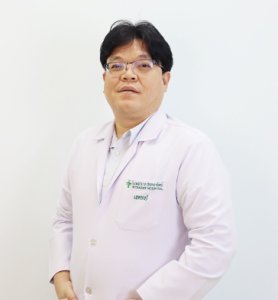
Doctor Puttapong Serttikul
Specializing in laparoscopic colorectal surgery – Doctor Puttapong Serttikul brings precision to rectal resections at Inthrarat Hospital.
- Trained in laparoscopic techniques at Chulalongkorn University Hospital
- Over 19 years of experience as a General Surgeon
- Expertise in both traditional and minimally invasive approaches
- Completed advanced training in ERCP and gastrointestinal endoscopy

Yongyut Sirivatanauksorn
Surgeon and oncosurgeon specializing in gastrointestinal tract treatments, including rectal resection, at Bumrungrad International Hospital.
- Specialist in gastrointestinal tract surgery
- Focuses on oncological surgical procedures
- Practices at a leading international hospital
Video Stories from Bookimed Patients
Reviews about Bookimed: Discover Patients' Insights
All reviewsShare this content
 Anna Leonova

FAQ about Rectal resection in Thailand
What are the success and survival rates for rectal resection procedures performed in Thailand?
Rectal resection in Thailand shows 5-year overall survival rates between 65.1% and 68.8% for cancer patients. Specialist centres in Bangkok report low mortality rates under 2%. This aligns with international standards. Outcomes improve significantly for early-stage cases, where cure rates reach 90% to 100%.
- Stage-specific survival: Survival for Stage I cases reaches 90.2% and approximately 16.7% for Stage IV.
- Recurrence rates: Local recurrence remains low at 4.4% to 9.9% over a 5-year period.
- Surgical safety: Minimally invasive techniques typically result in blood loss as low as 97 mL.
- Hospital stay: Patients usually remain in hospital for 11 days for monitoring and recovery.
Bookimed Expert Insight: Overall national survival figures are strong, but experience varies by clinic volume. Leading facilities like Bumrungrad International Hospital serve 1,000,000+ patients annually. This high volume allows surgeons to specialise exclusively in gastrointestinal oncology. High-volume centres often provide multidisciplinary teams that manage complex pathology and intensive care effectively.
Patient Consensus: Success in Thailand depends on the surgeon's case volume and the hospital's intensive care backup. Patients recommend arranging Australian follow-up care for stoma management and bowel function changes before travelling.
Will I require a permanent or temporary stoma after a rectal resection in Thailand?
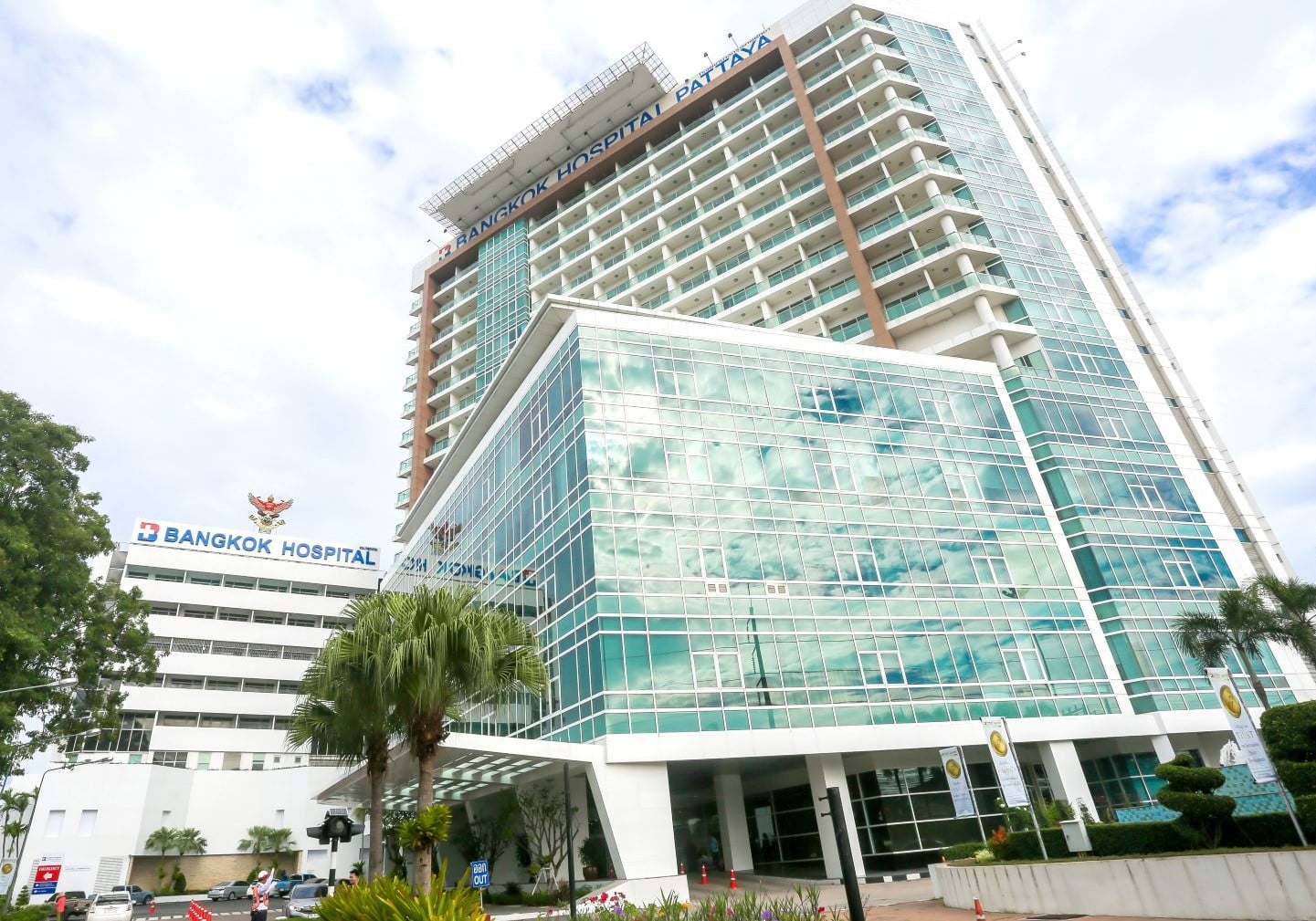
Whether a stoma is permanent or temporary depends on the tumour location and sphincter function. Quality Thai hospitals like Bumrungrad International and Bangkok Hospital Pattaya follow global clinical standards. Decisions rely on pre-operative MRI and intraoperative findings regarding the bowel join.
- Temporary stoma: Protects a low bowel connection while it heals over 3–12 months.
- Permanent stoma: Required if the tumour involves lower sphincters or reconnection is unsafe.
- Tumour location: Mid-to-upper rectal lesions usually allow for sphincter preservation and temporary diversion.
- Surgical techniques: Thai specialists like Dr. Puttapong Serttikul use laparoscopy to improve precision and healing.
Bookimed Expert Insight: Rectal resection costs in Thailand range from $9,000 to $14,500. This saves up to 83% over Australian averages. Patients should factor in reversal timing. Reversal usually occurs months later. Many patients choose JCI-accredited centres like Bumrungrad for their 1,300+ doctors and specialised wound care nurses.
Patient Consensus: Patients find that final stoma decisions often change based on intraoperative findings. Most advise confirming follow-up care and supply access in Australia before departing for Thailand.
What warning signs should I monitor for following a rectal resection in Thailand?
Monitor for anastomotic leaks, severe infections, or bowel obstructions following a rectal resection in Thailand. Red flags include sudden abdominal pain, fever above 38°C, and inability to pass gas. Seek emergency care at JCI-accredited facilities like Bumrungrad International Hospital for 24-hour English-speaking support.
- Anastomotic leak: Watch for a rigid stomach, racing heart, and intense abdominal pain.
- Obstructed bowel: Seek help for persistent vomiting or a complete lack of bowel output.
- Surgical infection: Check for foul-smelling discharge, heat, or redness around abdominal incisions.
- Blood clots: Monitor for leg swelling or sudden shortness of breath before flying.
- Severe dehydration: Flag dark urine or dizziness, especially if output is high-volume.
Bookimed Expert Insight: Clinics in Bangkok and Pattaya often use electronic health records to support international patients. Surgeons like Dr Puttapong Serttikul at Intrarat Hospital specialise in laparoscopic techniques. These methods may reduce initial complication risks. However, patients must obtain a signed Fit-to-Fly certificate before departure to manage pressure-related risks.
Patient Consensus: Treat any sudden shivering or feeling unwell as a priority infection sign. Recovery involves distinguishing normal bowel habit changes from urgent symptoms like heavy rectal bleeding.
What is the difference between open, laparoscopic, and robotic techniques for rectal resection in Thailand?
Rectal resection in Thailand uses three main techniques: open surgery via a large incision, laparoscopic surgery, and robotic-assisted surgery. Key differences involve incision size, precision within the narrow pelvis, and recovery times. JCI-accredited hubs like Bumrungrad International Hospital specialise in these complex colorectal procedures.
- Open surgery: Uses a 15–25 cm incision. This allows direct tactile feedback for the surgeon.
- Laparoscopic surgery: Uses 4–5 keyhole incisions. Patients typically report less pain and faster discharge.
- Robotic surgery: Provides 3D visualisation and articulated instruments. This offers high precision in tight spaces.
- Recovery period: Hospital stays range from 3–5 days for robotic surgery to 10 days for open.
Bookimed Expert Insight: Robotic systems like da Vinci are popular, but surgeon volume is a better quality signal. Specialists like Dr Puttapong Serttikul have formal laparoscopic colorectal training. It provides access to centres that perform thousands of surgeries annually.
Patient Consensus: Patients find keyhole methods lead to earlier walking and less pain than traditional cuts. Many suggest choosing surgeons who perform your specific technique frequently. This helps to reach the best bowel function outcomes in Thailand.
How long is the required hospital stay and total recovery period for a rectal resection in Thailand?
Hospital stays for rectal resection in Thailand typically last 5 to 7 days. Total recovery spans 4 to 8 weeks. International patients should plan a 14-day stay in the country. This allows them to be cleared for long-haul flights after wound checks.
- Hospitalisation: In-patient stay lasts 5 to 7 days for monitoring bowel function and pain.
- Fit-to-fly timeline: Surgeons usually require 10 to 14 days post-op before clearing long-haul travel.
- Activity restrictions: Heavy lifting over 5 kilograms must be avoided for 6 to 8 weeks.
- Internal healing: Complete tissue stabilisation and regular bowel habits can take 2 to 3 months.
- Surgical methods: Laparoscopic approaches used by specialists like Dr Puttapong Serttikul may reduce discomfort.
Bookimed Expert Insight: While hospital stays are consistent, Thailand manages a high volume of international patients. Bumrungrad treats 1,000,000 annual patients, with 50% from abroad. Their discharge protocols are designed for those crossing time zones. These often include telemedicine follow-up options for Australian patients once they return home.
Patient Consensus: Expect bowel changes like urgency or frequent motions to last beyond wound healing. Patients recommend staying locally for a week after discharge to manage fatigue. This also provides easier access to stoma support if required.
Which hospitals in Thailand are top-rated for performing rectal resection surgery?
Bumrungrad International Hospital and Bangkok Hospital Pattaya are top-rated facilities for rectal resection in Thailand. These hospitals hold Joint Commission International (JCI) accreditation. They specialise in laparoscopic and robotic-assisted colorectal surgery. Specialist oncosurgeons there use minimally invasive techniques to treat both cancerous and non-cancerous conditions.
- Bumrungrad International Hospital: Ranked by Newsweek as a leading global hospital with 1,300 doctors.
- Specialised clinics: Dedicated colorectal centres at MedPark and Samitivej Sukhumvit offer board-certified expertise.
- Cancer management: Facilities like Bangkok Hospital Pattaya integrate CyberKnife radiation with complex surgical resection.
- Modern technology: Surgeons use da Vinci robotic systems to improve precision and shorten hospital stays.
- Oncosurgery specialists: Experts like Dr Yongyut Sirivatanauksorn specialise in complex gastrointestinal tract oncology treatments.
Bookimed Expert Insight: Bumrungrad International Hospital manages over 1,000,000 patients annually. Because 50% of these patients travel from 190+ countries, the hospital has efficient pathology and imaging workflows. This rapid turnaround is essential for Australian patients who need clear staging and medical reports before flying home.
Patient Consensus: Patients find that leading Thai hospitals provide excellent English-speaking aftercare and detailed medical reports. Australians often prioritise facilities with robust ICU support and dedicated stoma services for a smoother recovery.