3 Best Melanoma surgery Clinics in Thailand — AUD Prices

Medically reviewed by
Yesim Yildirim
How it works
How Much Does Melanoma surgery Cost in Thailand in AUD?
Melanoma surgery in Thailand typically costs between AUD $5,700 / ฿129,200 and AUD $10,800 / ฿244,800. The final price зависит on the tumor depth, necessary margin width, and surgical technique. Pricing usually covers surgeon fees, anaesthetic, theatre use, and initial pathology reporting in Bangkok clinics.
- Mohs microsurgery: AUD $2,900 / ฿64,600 to AUD $3,900 / ฿88,400 for precise skin cancer removal.
- Hospital tier: Private international centres in Bangkok typically charge 30–40% premium over regional facilities.
- Advanced complexity: Procedures requiring lymph node removal or reconstructive grafting increase the total budget.
- Technique variations: Standard wide local excision is generally the most budget-friendly surgical option.
Bookimed Expert Insight: Choosing a major Bangkok hub provides access to immense clinical expertise. Bumrungrad International Hospital is a Joint Commission International (JCI) accredited facility. It treats over one million patients annually from 190 countries. This high volume allows for more precise pathology results. For complex cases, these centres offer multidisciplinary teams that are often unavailable in regional Australian clinics.
| Thailand | Turkey | |
|---|---|---|
| Melanoma surgery | ≈ AUD $5,700 / ฿129,200 | from AUD $5,300 / ฿119,000 |
| Wide excision of melanoma | ≈ AUD $4,200 / ฿95,200 | from AUD $9,500 / ฿214,200 |
| Topical therapy of melanoma | ≈ AUD $2,700 / ฿61,200 | ≈ AUD $2,700 / ฿61,200 |
| Mohs microsurgery | ≈ AUD $2,900 / ฿64,600 | from AUD $9,800 / ฿221,000 |
Best Melanoma surgery Clinics in Thailand for Australians: 3 Verified Options and AUD Prices
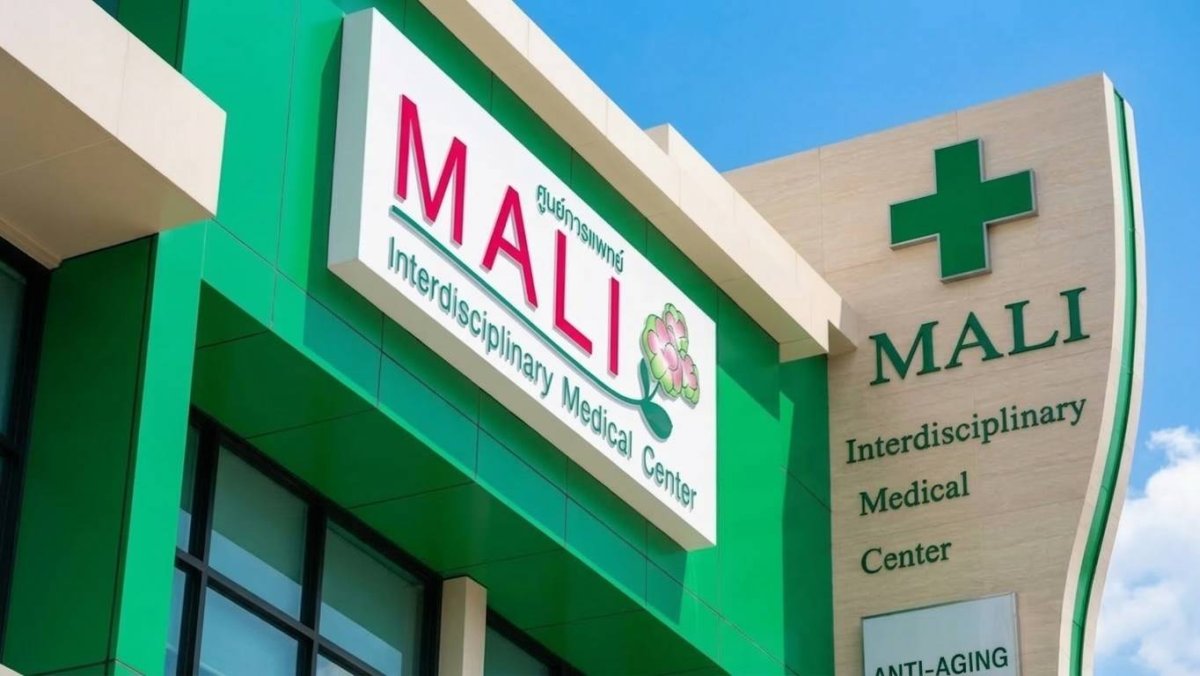









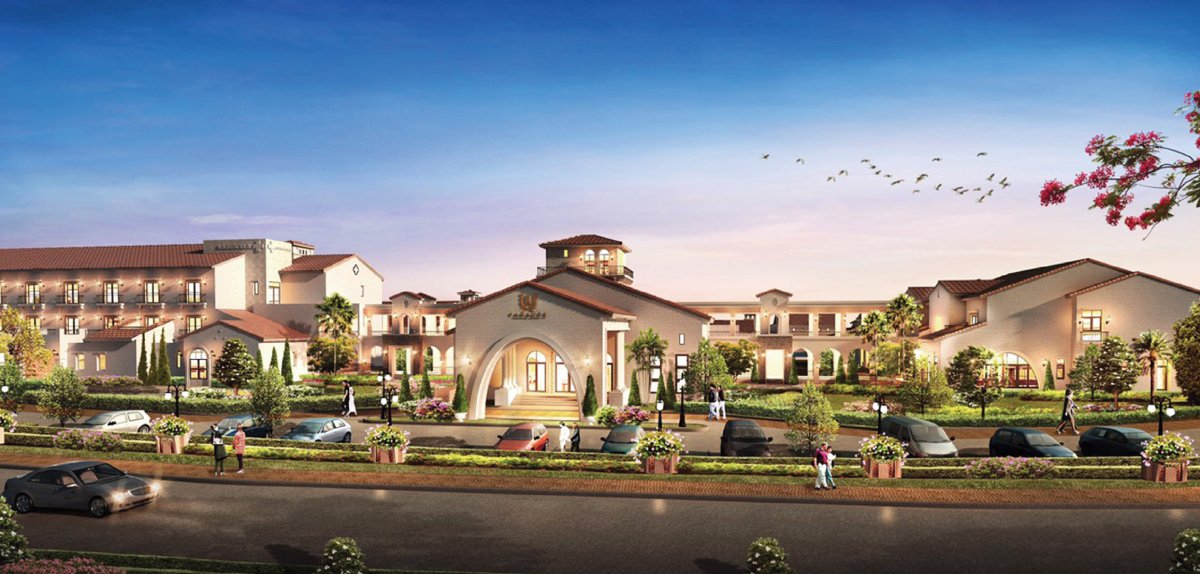
Panacee Hospital Rama 2 - Integrative Chronic Disease & Regenerative Center


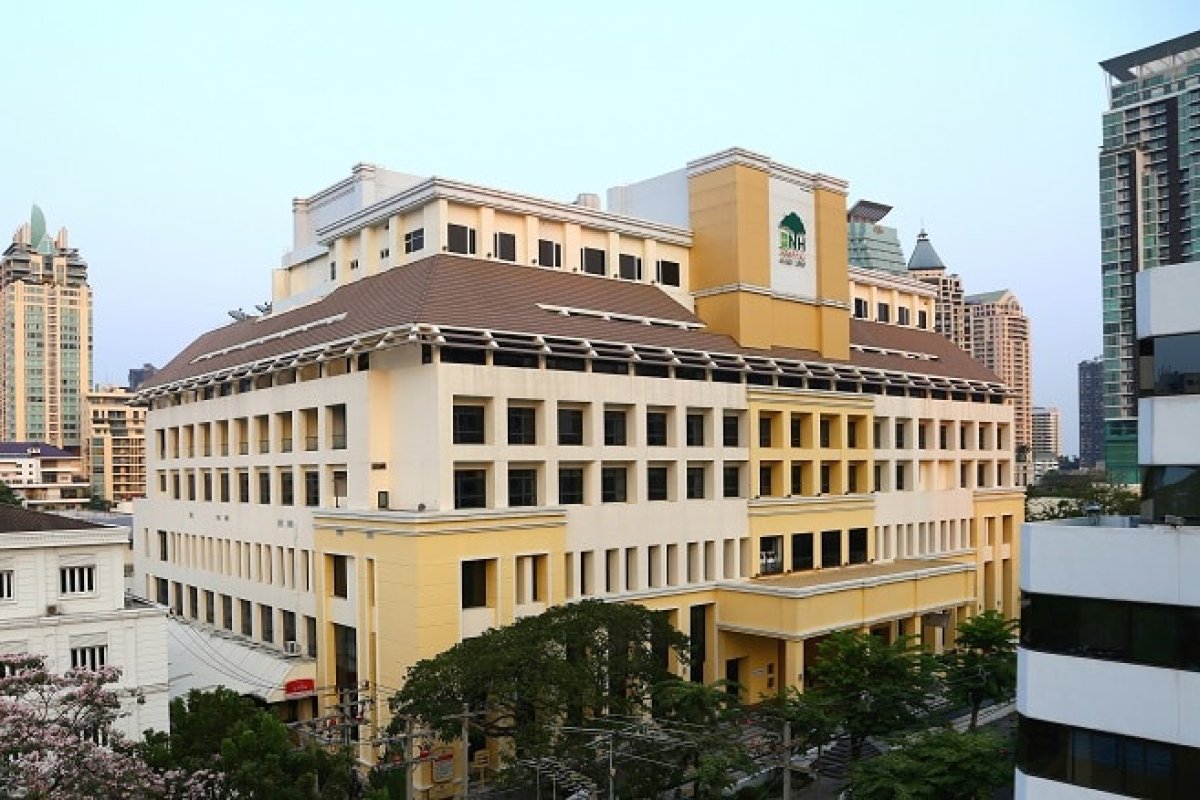
Melanoma surgery Overview in Thailand
- Bookimed deposit: $200 or €200.
- Clinic deposit: Pay a set percentage in advance.
Video Stories from Bookimed Patients
Reviews about Bookimed: Discover Patients' Insights
All reviewsShare this content
 Anna Leonova
FAQ about Melanoma surgery in Thailand
What are the clinical success and survival rates for melanoma treatment in Thailand?
Melanoma survival rates in Thailand match international standards at accredited Bangkok centres. Localised Stage I and II cases show 5-year survival rates between 95% and 99%. Leading clinics like Bumrungrad International Hospital utilise Mohs microsurgery and sentinel lymph node biopsy for precise staging.
- Localized survival: Stage I and II outcomes reach 95% to 99% success.
- Regional survival: Stage III 5-year survival ranges from 40% to 78%.
- Advanced survival: Stage IV 3-year survival has increased to 42% recently.
- Surgical success: Primary tumour excision achieves clear margins in over 90% of cases.
- Center quality: Bumrungrad International serves 1 million+ patients annually with JCI accreditation.
Bookimed Expert Insight: Success in Thailand relies on high-volume multidisciplinary teams. Bumrungrad employs 1,300+ doctors and holds GHA accreditation specifically for international patients. This ensures pathology reports meet the standards required for follow-up care with Australian GPs.
Patient Consensus: Clinical success depends on achieving clear margins and detailed staging reports. Patients recommend keeping original pathology slides to simplify ongoing skin checks back in Australia.
What are the main types of melanoma surgery performed in Thailand?
Thai clinics specialise in four main melanoma surgeries including wide local excision, sentinel lymph node biopsy, Mohs microsurgery, and lymph node dissection. Leading facilities like Bumrungrad International Hospital utilise JCI-accredited protocols to ensure surgical margins are clear of malignancy while preserving healthy tissue.
- Wide local excision: Standard primary treatment removes tumour with 1–2 cm safe margins.
- Sentinel node biopsy: Mapping procedure checks if malignancy has spread to the lymphatic system.
- Mohs microsurgery: Sparing technique removes layers sequentially for facial or delicate area lesions.
- Complex reconstruction: Surgeons use skin grafts or flaps to close large surgical defects.
- Nodal dissection: Comprehensive removal of affected lymph node basins for advanced stage cases.
Bookimed Expert Insight: Data from major Bangkok centres shows a high volume of complex reconstructive cases. Half of the patients at clinics like Bumrungrad International are international. These facilities maintain over 1,300 doctors to support immediate pathology results during surgery. This ensures clean margins before a patient leaves the theatre.
Patient Consensus: Most patients expect wide local excision as the core treatment for melanoma in Thailand. Those needing sentinel node biopsies or reconstructive grafts often plan for longer hospital stays. Everyone recommends confirming written care plans and pathology reports before flying back to Australia.
What is the typical recovery timeline following surgery?
Recovery from melanoma surgery in Thailand typically takes between 3 days and 4 weeks, depending on the depth and width of the excision. For small lesions, functional recovery occurs within 3–14 days. Complex surgeries involving skin grafts or flaps require 2–4 weeks for initial healing.
- Small excisions: Patients often return to daily activities within 3 to 14 days.
- Complex repairs: Procedures using skin grafts or flaps require 2 to 4 weeks.
- Initial sensations: Expect numbness, tightness, or itching rather than severe physical pain.
- Wound care: Arrange assistance and local transport for the first 24 to 72 hours.
- Activity restrictions: Avoid swimming and rigorous exercise until specialists clear the surgical site.
Bookimed Expert Insight: The physical healing of the wound is often faster than the diagnostic timeline. At major centres like Bumrungrad International Hospital, pathology results that confirm margins and cancer staging typically arrive while the surgical site is still in the acute 72-hour inflammatory phase.
Patient Consensus: Functional recovery in Thailand is manageable, though incisions are often larger than expected. The period waiting for pathology results is often the most intense part of the experience.