10 Best Maryland bridge installation Clinics in Thailand — AUD Prices


Medically reviewed by
Fahad Mawlood
How it works
How Much Does Maryland bridge installation Cost in Thailand in AUD?
Maryland bridge installation in Thailand typically costs from AUD $760 / ฿17,000 to AUD $1,700 / ฿37,400. The final price depends on the chosen material, clinic location, and the specialist's expertise. Quotes usually include the initial consultation, X-rays, and the custom fabrication of the dental bridge.
- Material selection: Porcelain or zirconia options typically cost 20–30% more than metal-ceramic bridges.
- Clinic accreditation: Facilities with JCI or ISO 9001 certifications often charge a premium for standards.
- Specialist expertise: Treatment by US-trained prosthodontists or American Board-certified specialists may increase costs.
- Location hubs: Bangkok and Chiang Mai host most accredited dental centres for international patients.
Bookimed Expert Insight: While Bangkok is a central hub, many Australian patients head to Chiang Mai for highly experienced care. Kitcha Dental Clinic, for instance, has more than 40 years of experience and is a frequent choice for Australians. For those in Bangkok, BIDC is accredited by JCI (Joint Commission International), meaning its safety and quality systems meet strict international standards.
Best Maryland bridge installation Clinics in Thailand for Australians: 10 Verified Options and AUD Prices
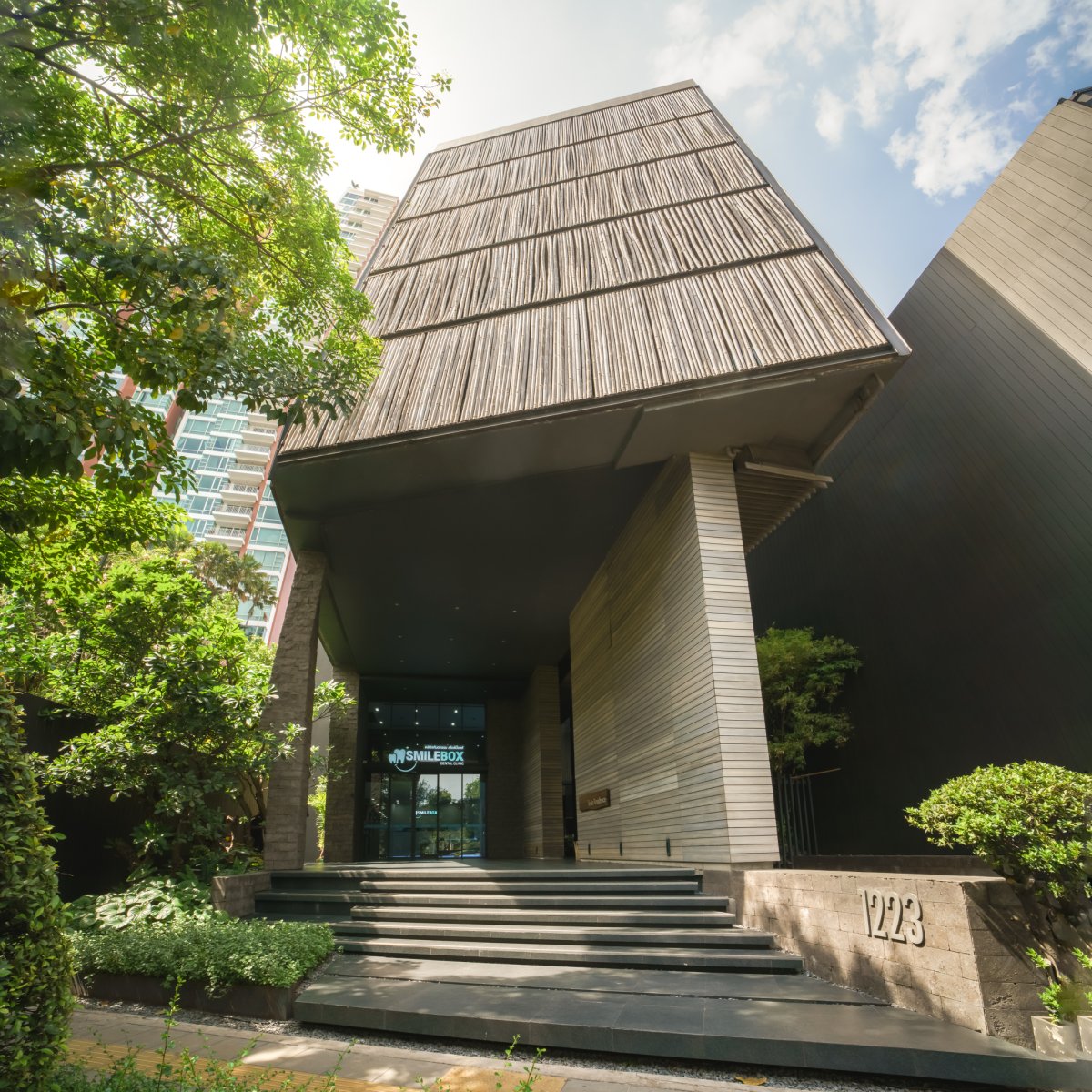






Kitcha Dental Clinic
Pratchaya Loonta







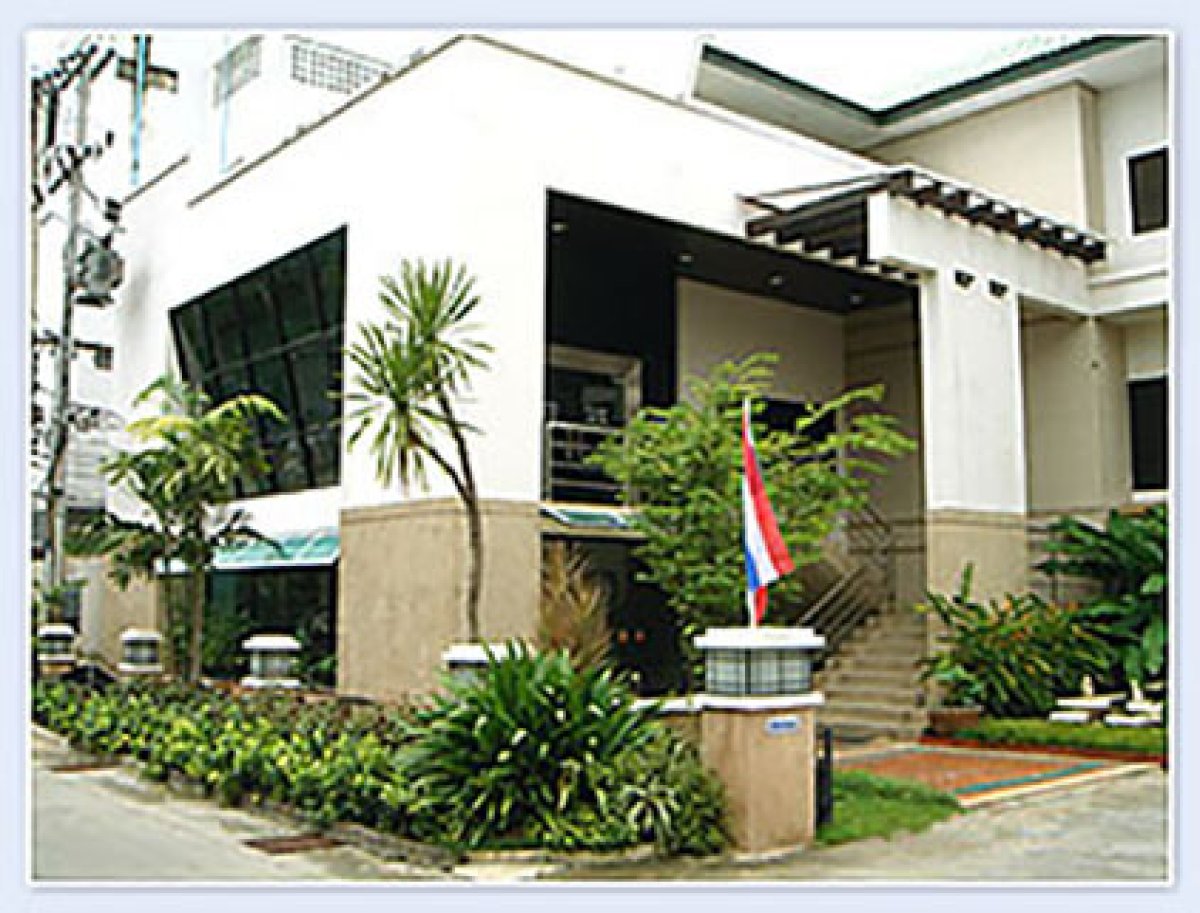
Grace Dental Care Clinic

Bangkok International Dental Center at Emquartier
Apichart Veerawattanatigul



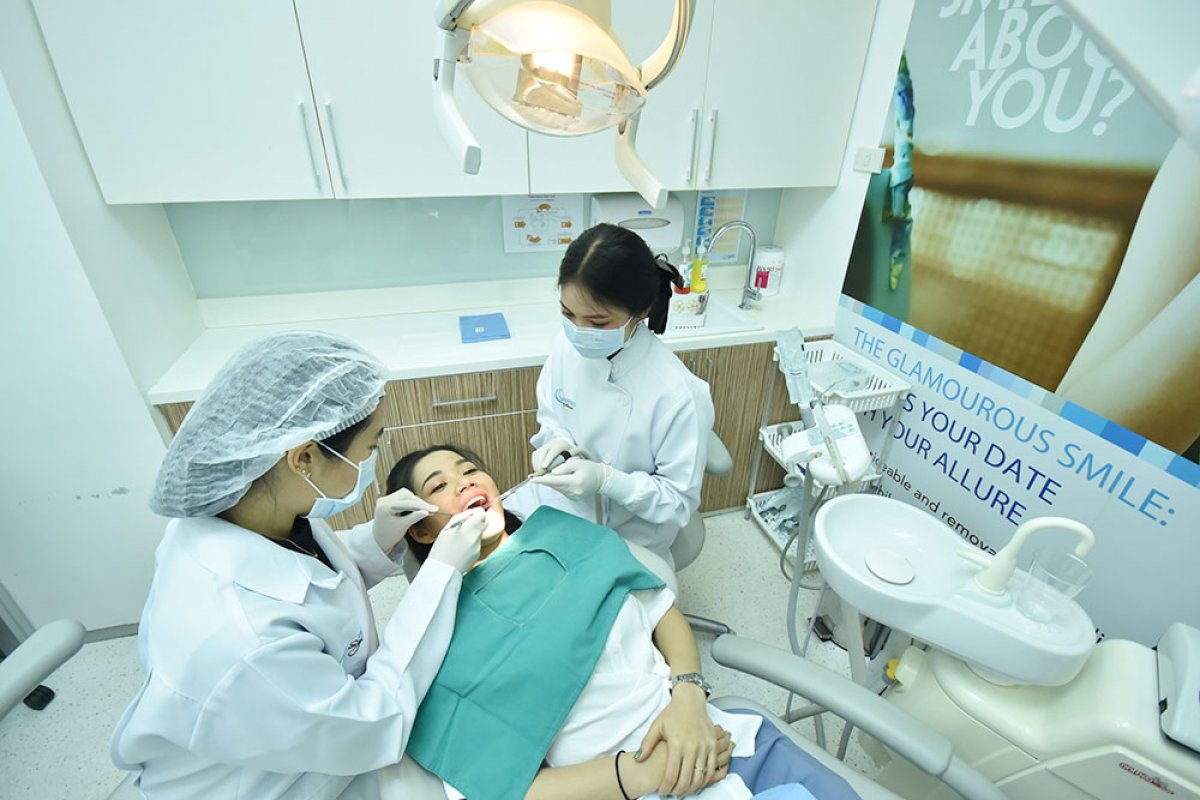

Chiangmai International Dental Clinic (CIDC)
Tarin Piangsuk


SOL Dental Clinic (Bangkok, Thailand)
Akarapat Rattananon

Maryland bridge installation Overview in Thailand
- Dental bridge installation - from AUD $378This therapy replaces missing teeth, involving anchoring an artificial tooth to adjacent natural ones, improving smile and chewing ability.
- Maryland bridge installation - from AUD $755The procedure involves securing a false tooth using wings glued to the adjoining teeth, enhancing smile aesthetics.
- Dental bridge for molars - from AUD $529This therapy replaces missing back teeth, using crowns on adjacent teeth for support, improving chewing ability.
- Metal dental bridge - from AUD $378This therapy replaces missing teeth using a strong metal structure, offering robustness, durability, and a natural look.
- Porcelain bridge - from AUD $604The operation creates a natural-looking artificial tooth to replace missing ones, using durable yet cosmetic material.
- Zirconia dental bridge - from AUD $1,133This therapy replaces missing teeth using strong, tooth-colored ceramics, giving a natural look with improved chewing function.
- Cantilever bridge - from AUD $680This therapy replaces missing teeth using anchor teeth and a prosthetic tooth, providing firmness and a natural look.
- Resin bonded bridge - from AUD $227This therapy replaces a missing tooth, using a false tooth connected by resin to neighboring teeth, leaving them intact.
- Bookimed deposit: $200 or €200.
- Clinic deposit: Pay a set percentage in advance.
Our Doctors
View all Doctors
Pawak Tungthangthum
Dr. Pawak Tungthangthum brings 17 years of specialized dental expertise to Maryland bridge procedures, trained in both Thailand and the US.
- Head of Dental Department at Bangkok Chiang Mai Hospital
- Member of The American Dental Association and other professional groups
- Trained in advanced implantology at Los Angeles School of Dentistry
- Specializes in esthetic restorative and implant dentistry
- Experienced in both restorative and implant dentistry across multiple clinics
Akarapat Rattananon
Specializes in minimally invasive prosthetic procedures – Dr. Akarapat brings precision to Maryland bridge installations at SOL Dental Clinic.
- Trained in advanced dental implant surgery at Thammasart University
- Certified in minimal invasive prosthetic procedures by Fradeani Masterclass
- Expertise in both implantology and cosmetic dentistry
Pratchaya Loonta
Dr. Pratchaya Loonta is a prosthodontist at Kitcha Dental Clinic in Chiang Mai. He holds a Master of Science in Prosthodontics from an international university program. Dr. Loonta specializes in tooth replacement using crowns, bridges, and dentures. He works at a clinic with over 30 years of history in dental care.
- Expertise includes the design and fitting of dental implants.
- Treats patients at a facility that serves over 10,000 people annually.
- The clinic is an official provider of Swiss Straumann implants.
- Kitcha Dental Clinic holds membership in the American Dental Association.
Apichart Veerawattanatigul
The doctor holds a Doctor of Dental Surgery from Srinakarinwirot University and a Master of Orthodontics from the University of Hong Kong. With extensive specialized training, the doctor is a diplomate of the Thai Board of Orthodontics and holds a Membership in Orthodontics (MOrth) from the Royal College of Surgeons of Edinburgh.
In addition to clinical practice, the doctor is certified in Invisalign treatment by Align Technology, Inc. and serves as a full-time lecturer at the Faculty of Dental Medicine, Rangsit University, contributing to the academic development of future dental professionals.
Video Stories from Bookimed Patients
Reviews about Bookimed: Discover Patients' Insights
All reviews

Share this content
 Anna Leonova

FAQ about Maryland bridge installation in Thailand
What are the key health and functional differences between a Maryland bridge and dental implants for patients visiting Thailand?
Maryland bridges provide a fast, non-surgical solution for missing front teeth. Dental implants offer a permanent, bone-preserving alternative. Bridges involve bonding wings to adjacent teeth, making them ideal for short trips. Implants require two visits to Thailand but function like natural teeth and prevent jawbone loss.
- Tooth preservation: Implants require no alteration of healthy teeth, unlike most restorative bridge techniques.
- Functional stability: Implants handle full chewing forces. Maryland bridges best suit low-pressure front teeth.
- Longevity differences: Implants can last a lifetime. Bridges typically require replacement every 7–10 years.
- Travel timeframe: Bridges take 1–2 weeks. Implants need 3–6 months for osseointegration between trips.
Bookimed Expert Insight: Maryland bridges cost from $500 to $1,100. This saves 68% over Australian averages. They are often used as temporary markers. Patients at JCI-accredited hubs like Bangkok International Dental Center frequently use bridges as a stop-gap.
Patient Consensus: Visitors to Thailand note that bridges are quick and painless to install. They appreciate the immediate aesthetic boost while enjoying their holiday. Many find the English-speaking specialists very reassuring.
Does the installation of a Maryland bridge in Thailand involve invasive surgery?
Installation of a Maryland bridge in Thailand does not involve invasive surgery or cutting into bone. It is a conservative restorative procedure. Specialists bond resin wings to the back of neighbouring teeth. This replaces a missing tooth while preserving healthy enamel. This method typically avoids the need for anaesthesia.
- Bonded attachment: Specialists use resin cement to secure the bridge wings to existing teeth.
- No bone surgery: The procedure avoids jawbone drilling or surgical gum incisions completely.
- Tooth preparation: Dentists perform light etching or minimal enamel shaping to create bonding surfaces.
- Fast turnaround: Leading Bangkok clinics often complete the entire restoration within 3 to 5 days.
Bookimed Expert Insight: While technically non-surgical, the longevity of these bridges depends on the bonding materials used. JCI-accredited facilities like Bangkok International Dental Center (BIDC) use original Ivoclar Vivadent or Straumann materials. These materials help the bond remain secure despite the humid Thai climate. This provides a more durable result than generic resins.
Patient Consensus: Patients in Thailand find the procedure straightforward and painless. It avoids the need for implants or extractions. They appreciate that the bridge looks natural and costs from $500. This makes it a practical choice for a quick dental holiday.
What is the expected recovery and turnaround time for a Maryland bridge procedure in Thailand?
Maryland bridge procedures in Thailand typically take 10 to 14 days. This allows for precise fabrication and fitting. The timeframe covers consultations, impressions, lab production, and final bonding. Recovery is immediate. Patients often return to normal activities within 24 hours.
- Hospital stay: No overnight stay is required as this is a non-surgical procedure.
- Procedure duration: Cleaning, preparation, and bonding take 1 to 2 hours per appointment.
- Laboratory phase: Fabrication takes 5 to 7 days depending on the clinic lab workflow.
- Functional adaptation: Patients usually adjust to their bite and speech within 3 to 5 days.
Bookimed Expert Insight: Choosing a clinic with an on-site digital laboratory can significantly reduce wait times. Bangkok International Dental Center (BIDC) is one such clinic. Integrated workflows allow for faster adjustments. This is vital for international patients with strict flight schedules back to Australia.
Patient Consensus: Recovery in Thailand is mild. It focuses on adapting to the new bite and temporary sensitivity. Patients recommend adding extra days to your trip for final adjustments before flying home.
How much impact does a Maryland bridge have on healthy neighbouring teeth?
A Maryland bridge has minimal impact on neighbouring teeth. It uses resin-bonded wings rather than full crowns. Specialists in Thailand typically perform minor etching or light preparation on the back of support teeth. This allows a strong bond while preserving enamel and nerve health.
- Conservative preparation: Surgeons only lightly etch the enamel on the back of neighbouring teeth.
- Nerve preservation: Shallow preparation avoids drilling near the pulp. This prevents sensitivity or nerve damage.
- Structural integrity: Adjacent teeth remain mostly intact without the heavy reduction required for traditional bridges.
- Reversibility: Enamel modification is permanent. However, it is much less invasive than shaping teeth for full crowns.
Bookimed Expert Insight: Clinics like Bangkok International Dental Center (BIDC) follow JCI-accredited protocols. These standards help protect tooth health during enamel etching. While bridges cost from $500 to $1,100, saving up to 68% versus Australia, the real value lies in using original Swiss materials to prevent debonding.
Patient Consensus: Patients in Thailand appreciate this conservative approach for healthy teeth. They recommend checking bite alignment first. Many view it as a reliable, tooth-friendly alternative to implants that avoids invasive surgery or extensive drilling.
What is the typical lifespan of a Maryland bridge and what care is required?
A Maryland bridge typically lasts between 5 and 10 years. Longevity depends on bond strength and oral hygiene. Specialists resin-bond these bridges to the back of adjacent teeth. Because they do not use full crowns, they are less durable than traditional porcelain-fused-to-metal bridges.
- Oral hygiene: Brush twice daily and floss to protect supporting enamel.
- Specialised cleaning: Use interdental brushes or floss threaders under the false tooth.
- Dietary habits: Avoid biting hard foods like ice or nuts directly with the bridge.
- Check-ups: Regular 6-month visits help keep the resin bond secure and intact.
Bookimed Expert Insight: Thailand’s leading dental centres, such as Bangkok International Dental Center (BIDC), often use Swiss-made Straumann materials. This higher-grade hardware helps bond integrity.
Patient Consensus: Conservative treatment in Thailand works best when patients avoid sticky foods. These can pull at the bond. Success depends on the health of supporting teeth and using threader floss carefully around wings.
What exactly is a Maryland bridge prosthetic?
A Maryland bridge is a conservative prosthetic used to replace one or two missing front teeth. It features an artificial tooth with metal or ceramic wings bonded to the back of adjacent teeth. This design avoids the extensive shaving of healthy enamel required for traditional bridges.
- Design components: Features a central pontic (artificial tooth) attached to wings made of metal or porcelain.
- Bonding method: Wings attach to the back surface of existing teeth using a strong resin adhesive.
- Structural preservation: Requires little to no reduction of neighbouring teeth, keeping the natural tooth structure intact.
- Primary application: Best suited for front teeth where biting forces are lower than back molar regions.
Bookimed Expert Insight: While a Maryland bridge costs from $500 to $1,100 in Thailand, patients often use it as a high-quality aesthetic stopgap. Clinics like Bangkok International Dental Center serve 15,000+ patients annually. They use Swiss materials like Straumann or Ivoclar Vivadent for these restorations.
Patient Consensus: Patients in Thailand appreciate this conservative option for front teeth because it preserves natural enamel. Many value its aesthetic seamlessness. They suggest discussing rebonding policies with the clinic before returning to Australia.