



4.4
(128 reviews) 34 years of experience
20000 treatments
Scar Revision Surgery by Royal College-Certified Surgeon — Transfer Included
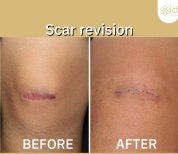
Laser scar removal in Thailand typically ranges from AUD $720 / ฿17,000. Final costs depend on the technology used, the scar size, and the number of sessions required. In Australia, the same treatment costs approximately AUD $1,600 / ฿37,400, meaning patients save around 55% by travelling. Basic packages often include a specialist consultation and the procedure itself.
Bookimed Expert Insight: Australian patients often find better value in Bangkok by choosing specialised skin clinics. For example, ASIA CLINIC offers Pico laser packages for approximately A$200 with anti-aging specialists. Larger centres like Bumrungrad International Hospital or Yanhee International Hospital provide JCI-accredited safety for complex cases. These facilities use FDA-certified technologies, providing high-standard care at a fraction of Australian private clinic prices.
| Thailand | Turkey | South Korea | |
| Laser scar removal | from AUD $720 / ฿17,000 | from AUD $660 / ฿15,600 | from AUD $160 / ฿3,700 |
| Scar revision | from AUD $3,900 / ฿91,800 | from AUD $930 / ฿22,100 | from AUD $430 / ฿10,200 |

Doctor Sirintip Jira-adisai has performed over 1,100 dermatological procedures, specialising in advanced skin repair and regenerative medicine.
Dr. Ariyapon Lortaraprasert has performed over 10,000 operations at the JCI-accredited Navamin 9 Hospital. He specializes in hair restoration and aesthetic medicine in Bangkok. Dr. Lortaraprasert is a member of the International Society of Hair Restoration Surgery (ISHRS).
Dr. Nawaporn Ungpraphakorn is a dermatologist and dermatosurgeon at Intrarat Hospital in Bangkok. She specializes in clinical dermatology and complex skin surgeries. Dr. Ungpraphakorn completed a prestigious fellowship in dermatosurgery at King Chulalongkorn Memorial Hospital. She treats various skin conditions at an ISO-certified facility that manages 100,000 patients annually.
Laser scar removal in Thailand typically requires 1 to 14 days of downtime. Non-ablative picosecond lasers offer the fastest recovery within 48 hours. Ablative fractional lasers require up to 2 weeks for skin peeling. Side effects include temporary redness, swelling, and sunburn-like sensations.
Bookimed Expert Insight: Data from top Bangkok clinics show a preference for picosecond technology over CO2. This shift allows international patients to fly home much sooner. Most specialists now recommend scheduling the procedure for your final holiday days. This avoids the risk of hyperpigmentation from intense tropical sun exposure.
Patient Consensus: Many found the heat and humidity intensified the initial sunburn feeling. Patients suggest staying in air-conditioned spaces for the first 3 days. Most were impressed by the quick healing times in Thai clinics.
Flying out of Thailand after laser scar removal is generally safe 24 hours to 14 days post-treatment. The exact timeline depends on the laser depth and skin healing. Most patients flying to Australia after non-ablative Pico lasers can depart within 1 to 2 days.
Bookimed Expert Insight: Thai clinics like ASIA CLINIC and Wansiri Hospital serve 2,000+ patients annually. They often use Pico technology that causes no tissue damage. This tech is popular with Australians because it avoids the week-long recovery of traditional ablative lasers. Requesting a pre-flight teleconsultation through Bookimed helps confirm your skin barrier has reformed.
Patient Consensus: Patients in Thailand recommend staying until all redness and crusting subside. Bringing prescribed ointments in carry-on luggage helps manage the dry 10% humidity inside airplane cabins.
Thai clinics provide laser technologies including Pico, Fractional CO2, and Erbium:YAG for diverse scar types. Major Bangkok facilities like Yanhee International Hospital and Asia Cosmetic Hospital use these systems. They treat deep acne pits, surgical scars, and pigmentation with high precision.
Bookimed Expert Insight: Many clinics offer a generic laser scar removal package from $500. However, true value often lies in combination therapy. High-volume centres like Asia Cosmetic Hospital often combine multiple technologies or subcision in one session. This treats complex, tethered scars more effectively than lasers alone.
Patient Consensus: Patients travel to Thailand for specific devices like Pico and Er:YAG to manage pigmentation and texture. Most advise confirming if a laser targets depth or colour. Multiple sessions are usually necessary for the best results.
Most patients need 3 to 6 laser sessions for significant results in Thailand. Improvements in skin texture often appear after the second session. Skin continues to remodel for several months after the final treatment for best results.
Bookimed Expert Insight: Thai clinics like ASIA CLINIC and Asia Cosmetic Hospital use Pico Laser technology. It is often branded as No Tissue Damage Technology. This is valuable for Australian patients with darker skin tones or tight holiday schedules. It works without the lengthy peeling or scabbing seen with traditional CO2 lasers.
Patient Consensus: Patients should expect a course of treatments rather than a one-off fix. Meaningful changes in Thailand typically build up after the third visit. Many patients found that combining lasers with other therapies worked best for stubborn, raised scars.
Protecting skin in Thailand after laser scar removal requires avoiding direct sun and managing heat. This helps prevent hyperpigmentation. The high tropical UV index can darken compromised tissue within minutes. Patients must use physical barriers like UPF 50+ clothing and mineral-based SPF 50+ sunscreen during daylight.
Bookimed Expert Insight: Laser scar removal in Bangkok often uses Pico technology. This targets pigment without heating surrounding skin to reduce recovery time. Specialists like Dr Sirintip Jira-adisai at ASIA CLINIC use this method. However, patients often underestimate tropical UV levels. These can still trigger pigment issues even with less invasive lasers.
Patient Consensus: Treated skin is high-risk in Thailand. Patients recommend planning indoor activities and using shade during peak UV hours. Success comes from combining physical protection with frequent sunscreen reapplication to prevent permanent darkening.
Laser scar removal in Thailand is generally comfortable. Clinics use topical numbing cream or local anaesthesia to manage sensation. Patients typically describe the feeling as a snapping rubber band or mild stinging. Pico laser technology further reduces tissue damage and heat-related discomfort during the session.
Bookimed Expert Insight: Many centres focus on aesthetic results. However, high-volume hubs like Bumrungrad International Hospital and Yanhee International Hospital treat over 1,000,000 and 450,000 patients annually. These large facilities often provide robust pain management protocols and international-standard emergency support. For Australians, choosing clinics like Asia Clinic that offer telehealth follow-ups helps manage post-treatment stinging after returning home.
Patient Consensus: Most patients find the procedure manageable. They describe it as a hot snapping sensation rather than severe pain. They recommend staying indoors in Thailand to avoid intense sun exposure. This prevents stinging and inflammation on freshly treated skin.
