4 Best Renuvion J Plasma Clinics in Thailand — AUD Prices


Medically reviewed by
Fahad Mawlood
How it works
How Much Does Renuvion J Plasma Cost in Thailand in AUD?
Renuvion J Plasma in Thailand typically costs from AUD $1,500 / ฿34,000 to AUD $6,800 / ฿153,000. The total depends on the treatment area, clinic location, and if surgeons combine it with liposuction. Most quotes include surgeon fees, anaesthesia, and post-operative medications.
- Strategic locations: Bangkok often proves most competitive due to its high density of specialised clinics.
- Tourist hubs: Phuket prices sometimes sit 10–15% higher due to its status as a premium destination.
- Combination treatments: Adding Vaser liposuction typically increases the total cost by roughly 20–30%.
- Area complexity: Treating the abdomen generally costs more than smaller areas like the neck or arms.
Bookimed Expert Insight: For many Australians, Bangkok offers the best balance of price and accreditation. Asia Cosmetic Hospital, for instance, is certified by the Joint Commission International (JCI). This means its safety systems meet rigorous international standards. They also involve cardiologists in surgical supervision. This level of oversight provides significant value for patients travelling from overseas for body contouring.
Best Renuvion J Plasma Clinics in Thailand for Australians: 4 Verified Options and AUD Prices


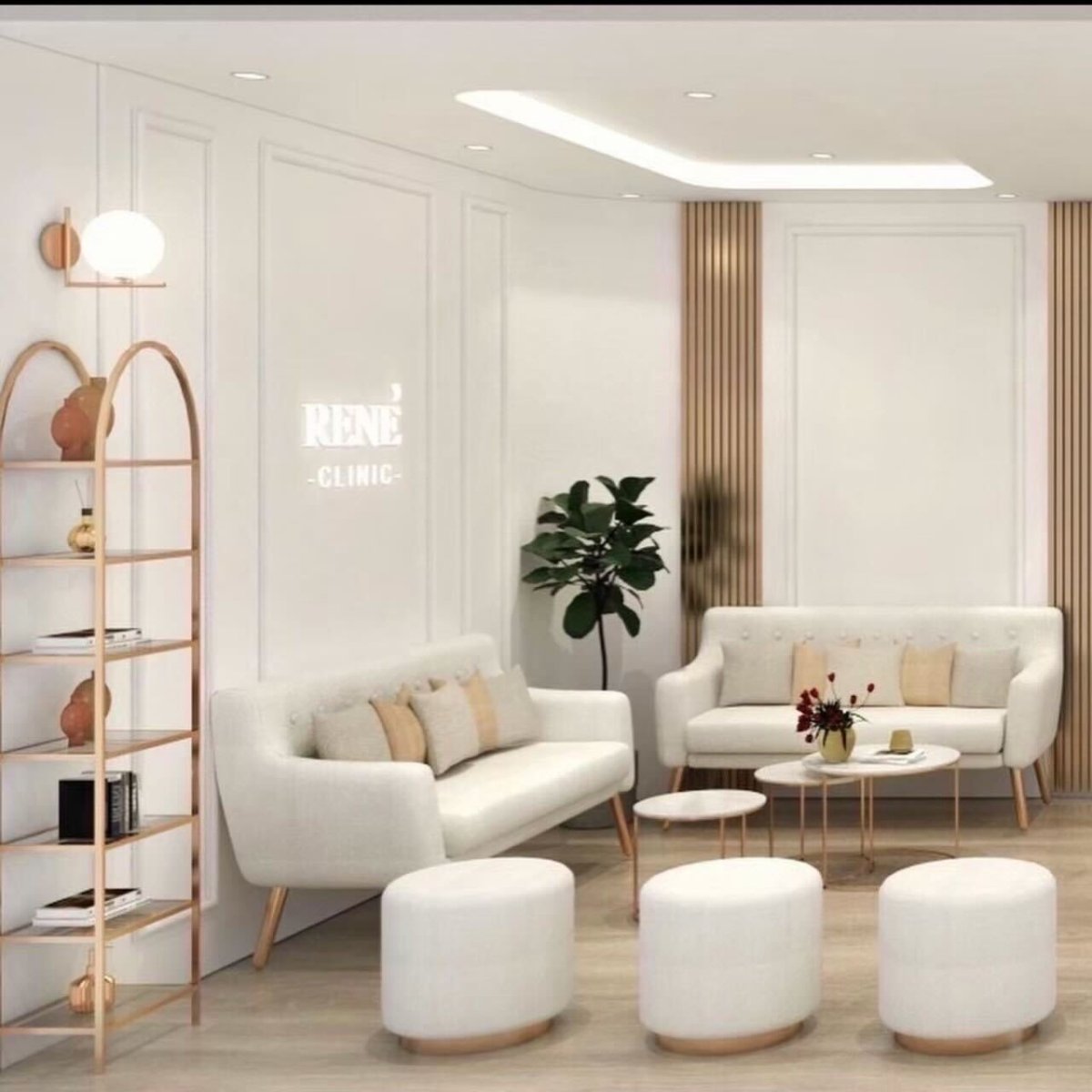
René Clinic Pattaya
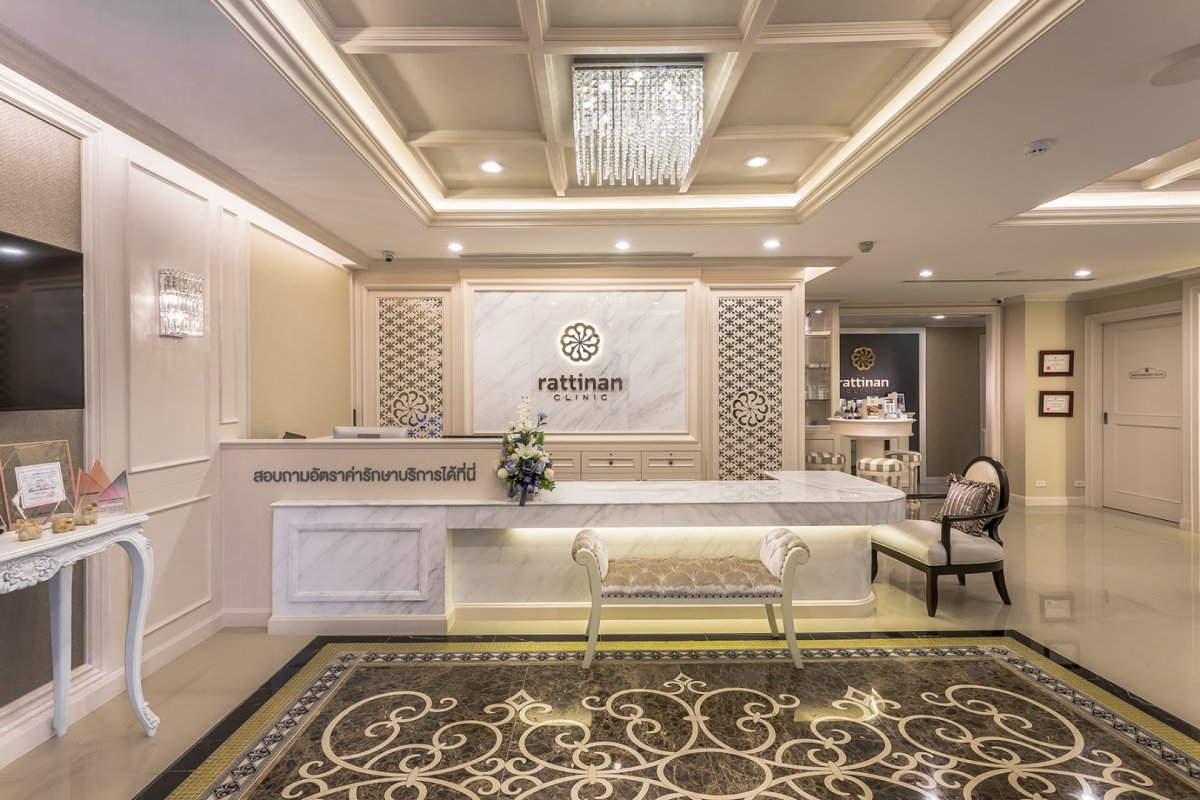
Rattinan Clinic

Renuvion J Plasma Overview in Thailand
- Renuvion J Plasma - from AUD $1,506This therapy is a minimally invasive operation to tighten skin, featuring revolutionary cold helium plasma technology for top results.
- Bookimed deposit: $200 or €200.
- Clinic deposit: Pay a set percentage in advance.
Our Doctors
View all Doctors
Chakakan Khocharoen

Tatiana Zhelninova - Bosch
Dr. Tatiana Zhelninova-Bosch is a cardiologist and regenerative medicine specialist at The Demarest Clinic in Phuket. She is a recognized leader in stem cell therapy and clinical trial management. Dr. Zhelninova-Bosch previously served as the Chief Physician and Medical Director of Hadassah Medical Moscow. She treats complex conditions like atherosclerosis, heart failure, and pulmonary hypertension.
- Uses donor and autologous stem cells for heart disease and anti-aging.
- Winner of a Certificate of Honor from the Russian Ministry of Health.
- Former General Manager of Hadassah University Hospital Health Plus in the Middle East.
- Works at Thailand’s first clinic sanctioned for allogeneic stem cell therapy.
Video Stories from Bookimed Patients
Reviews about Bookimed: Discover Patients' Insights
All reviewsShare this content
 Anna Leonova

FAQ about Renuvion J Plasma in Thailand
What is the safety and efficacy of Renuvion J-Plasma in Thailand compared to other skin tightening treatments?
Renuvion J-Plasma in Thailand provides high efficacy for mild to moderate skin laxity. It offers 65% more contraction than liposuction alone. Top Bangkok clinics like Asia Cosmetic Hospital maintain JCI and ISO standards. They use cold helium plasma for safety while achieving a significant shrink-wrap effect.
- Clinical safety: Procedures at Asia Cosmetic Hospital occur under supervision from anaesthetists and cardiologists.
- Device precision: US FDA-cleared technology delivers concentrated energy with rapid cooling to protect tissue.
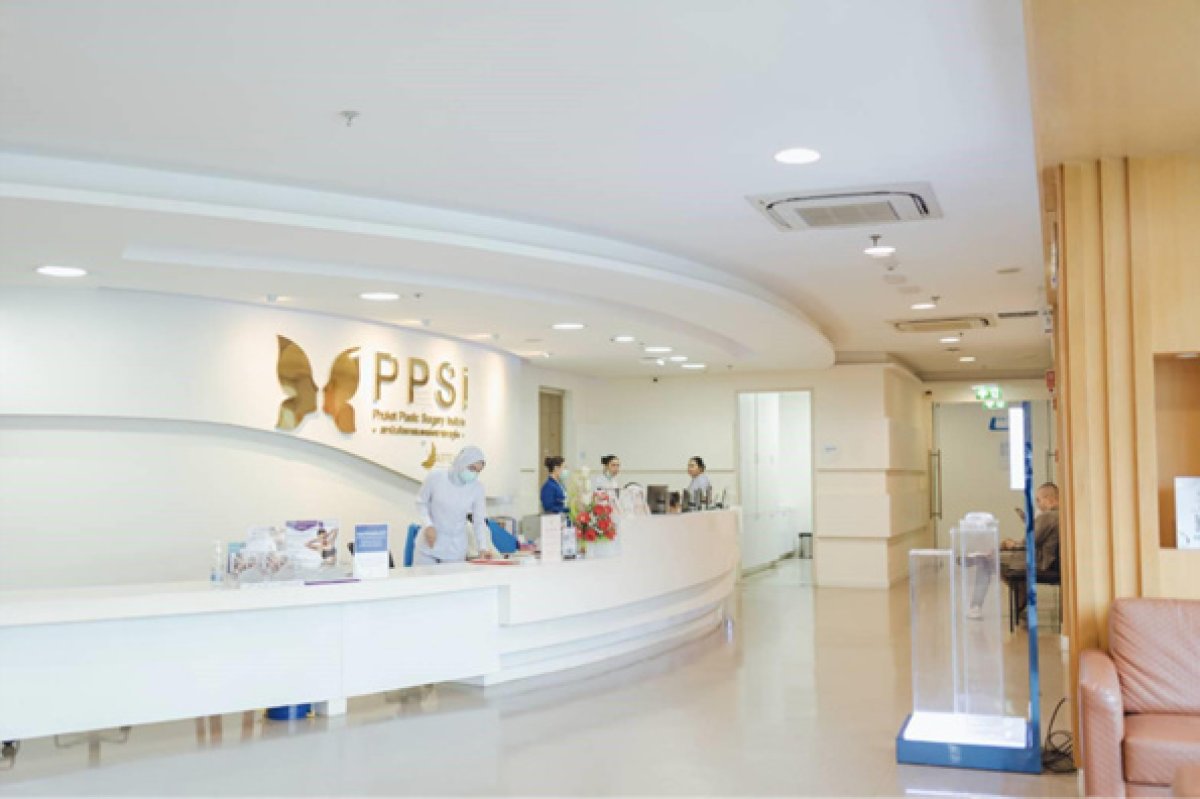
- Specialised facilities: Phuket Plastic Surgery Institute uses HEPA filters and laminar airflow to prevent infection.
- Efficiency: Most patients return to work within a few days after this minimally invasive treatment.
Bookimed Expert Insight: While many clinics offer Renuvion for A$4,800 to A$7,600, results depend on the operator. Leading Thai centres like PPSI integrate VASER LipoSelection with J-Plasma. This combination prevents gas buildup. It also improves contouring compared to using the plasma device alone.
Patient Consensus: Patients in Thailand report subtle to moderate tightening, especially for the neck and chin. Many suggest asking for specific case volumes and before-and-after photos to set realistic expectations.
What kind of results should Australian patients-to-be expect from Renuvion J-Plasma in Thailand?
Australian patients can expect significant skin contraction and improved body contouring from Renuvion J-Plasma in Thailand. The procedure uses helium plasma to tighten skin by up to 60%. It often complements VASER LipoSelection in areas like the abdomen, neck, or arms. This helps to fix skin laxity after fat removal.
- Tissue contraction: Helium plasma triggers immediate collagen shrinkage for noticeable skin tightening.
- Combination benefits: Improves liposuction results by firming skin that may otherwise sag.
- Recovery speed: This minimally invasive approach typically allows for faster healing than surgical lifts.
- Gradual refinement: Final results develop over 3–6 months as new elastin fibres form.
- Safety standards: Accredited centres like Asia Cosmetic Hospital maintain JCI and ISO certifications.
Bookimed Expert Insight: Single-area Renuvion is available. However, data shows most international patients in Thailand combine it with body-sculpting technologies. Centres like the Phuket Plastic Surgery Institute specialise in these combined pathways. These often provide more predictable contouring results than skin tightening alone for moderate laxity.
Patient Consensus: Expect subtle to moderate skin tightening rather than a full surgical lift. Patients in Thailand suggest planning all follow-up logistics before flying home for a smooth recovery.
Is it standard practice to combine Renuvion J-Plasma with liposuction in Thailand?
Combining Renuvion J-Plasma with liposuction is standard at major Thai cosmetic centres to improve skin tightening. Surgeons in Bangkok and Phuket often use helium plasma energy immediately after fat removal. This combination aims to contract tissues by up to 60% more than liposuction alone.
- Technique synergy: Renuvion uses cold plasma to tighten skin from within after VASER liposuction.
- Clinical accreditation: Clinics like Asia Cosmetic Hospital maintain JCI and ISO standards for safety.
- Targeted areas: Surgeons commonly apply this dual approach to the abdomen, arms, and thighs.
- Hospital infrastructure: Facilities like PPSI use HEPA filters and positive pressure for sterile theatres.
Bookimed Expert Insight: Thai clinics often bundle Renuvion with VASER LipoSelection to reduce the risk of sagging skin.
Patient Consensus: Patients in Thailand recommend getting an itemised quote to see if J-Plasma is bundled or extra. The combination works best for mild skin laxity rather than as a replacement for surgery.
How should I plan for recovery time after a Renuvion J-Plasma procedure in Thailand?
Recovery after Renuvion J-Plasma in Thailand typically requires 1 to 2 weeks of downtime. Patients generally return to light activities within 2 days. Most resume office work after 1 week. Swelling usually peaks between day 2 and day 4 before gradually subsiding.
- Activity timeline: Resume light daily movement after 48 hours to help circulation.
- Compression garments: Wear medical-grade garments daily to support skin tightening and reduce swelling.
- Heat restrictions: Avoid saunas, steam rooms and hot baths for 4 weeks after surgery.
- Physical exercise: Wait 4 to 6 weeks before starting strenuous workouts or heavy lifting.
- Environmental care: Avoid direct sun exposure on treated areas to prevent skin pigment changes.
Bookimed Expert Insight: Lead clinics like Phuket Plastic Surgery Institute build structured care pathways specifically for Australians. This includes managed inpatient admission and long-term follow-up protocols. Choosing a JCI-accredited facility in Thailand meets these safety standards. It also saves up to 48% compared to Australian average costs.
Patient Consensus: Plan for extra downtime beyond the clinic minimum to manage swelling and soreness. Arrange flexible leave and allow time for final follow-up checks before flying home.
What is the procedure for anaesthesia and pain management during Renuvion J-Plasma in Thailand?
Thailand clinics perform Renuvion J-Plasma using local anaesthesia with sedation or general anaesthesia for patient comfort. Specialists at Asia Cosmetic Hospital mandate that all procedures occur under the strict supervision of an anaesthetist. This professional oversight manages pain effectively during the 1–2 hour session.
- Anaesthesia oversight: Qualified anaesthetists monitor every procedure for patient safety and comfort.
- Sedation techniques: Local anaesthesia with sedation provides a painless experience without the risks of general anaesthesia.
- Operating environment: JCI-accredited facilities use HEPA filters and laminar airflow to maintain sterile environments.
- Post-op relief: Clinics provide pain medication and compression garments to manage mild swelling and discomfort.
Bookimed Expert Insight: Thai hospitals often involve a multi-specialist team for these procedures. At Asia Cosmetic Hospital, both anaesthetists and cardiologists supervise the surgery. This extra layer of cardiac monitoring is rare. However, it provides significant peace of mind for international patients undergoing body contouring.
Which parts of the body can be treated with Renuvion J-Plasma in Thailand?
Clinics in Thailand use Renuvion J-Plasma to tighten skin on the abdomen, arms, thighs, neck, and jawline. This minimally invasive technology combines cold helium plasma with radiofrequency energy. It is frequently paired with liposuction at JCI-accredited facilities in Bangkok and Phuket for better body contouring.
- Midsection areas: Surgeons treat the abdomen and flanks to firm skin after fat removal.
- Upper body: The technology effectively addresses loose skin on the arms and bra line.
- Lower body: Specialists target skin laxity on the inner thighs and around the knees.
- Facial rejuvenation: Doctors apply it to the neck, chin, and jawline for non-surgical tightening.
Bookimed Expert Insight: Thai clinics like Phuket Plastic Surgery Institute often integrate J-Plasma into structured international pathways. Data shows these centres bundle the technology with VASER liposuction. This combination provides better skin retraction than liposuction alone. Choosing a clinic with HEPA-filtered theatres provides the highest safety standards during these combined procedures.
Patient Consensus: Patients in Thailand often choose J-Plasma for the abdomen and waist to finish their transformation. Many recommend treating the neck and jawline together for a sharper profile without major surgery.
What does the Renuvion J-Plasma process involve and how does it work?
Renuvion J-Plasma uses helium gas and radiofrequency energy to tighten sagging skin and stimulate collagen. Surgeons in Thailand typically perform this procedure alongside liposuction. It creates a precise plasma beam that shrinks tissues instantly through controlled heating. At the same time, cool helium protects the surrounding areas.
- Energy delivery: Combines radiofrequency with helium to create a focused, cool plasma stream.
- Tissue contraction: Heat causes collagen fibres to shrink immediately for visible skin tightening.
- Incision detail: Surgeons insert a thin probe through tiny, millimetre-sized incisions under local anaesthesia.
- Long-term results: Triggers natural healing to produce new collagen over several months for firmness.
Bookimed Expert Insight: Thailand is a global hub for body contouring. Highly accredited facilities like the Phuket Plastic Surgery Institute (PPSI) often combine Renuvion with VASER LipoSelection. This dual-technology approach is more effective for high-definition sculpting than using J-Plasma alone. It helps skin retract smoothly after fat removal.
Patient Consensus: Patients find the tiny incisions result in minimal scarring and faster recovery compared to traditional lifts. The process delivers subtle to moderate tightening. This improves over time as swelling subsides in Thailand.