13 Best Inpatient rehabilitation Clinics in Thailand — AUD Prices


Medically reviewed by
Fahad Mawlood
How it works
How Much Does Inpatient rehabilitation Cost in Thailand in AUD?
From AUD $30,000 / ฿676,600. Prices depend on the facility tier, length of stay, and intensity of daily clinical sessions. Standard packages usually include 24-hour nursing, medical consultations, accommodation, and all meals.
- Stroke rehabilitation: typically includes three daily sessions and family orientation training.
- Neurological recovery: often involves specialist consultations with neurologists and physiatrists.
- Premium residential suites: generally add a 30-40% premium for private luxury accommodation in Bangkok.
- Intensive programs: usually bundle 28-30 sessions per month for focused recovery.
Bookimed Expert Insight: Choosing a facility focused on the 3-6 month golden period for stroke recovery offers the best value. Sanpiti Rehabilitation Center, for example, provides packages starting around A$1,582 for two weeks. This includes AACI accredited care and family training. Opting for intensive active rehab with former national team therapists can significantly accelerate outcomes compared to standard maintenance care.
Inpatient rehabilitation Packages in Thailand — November 2026 (AUD Pricing for Australians)
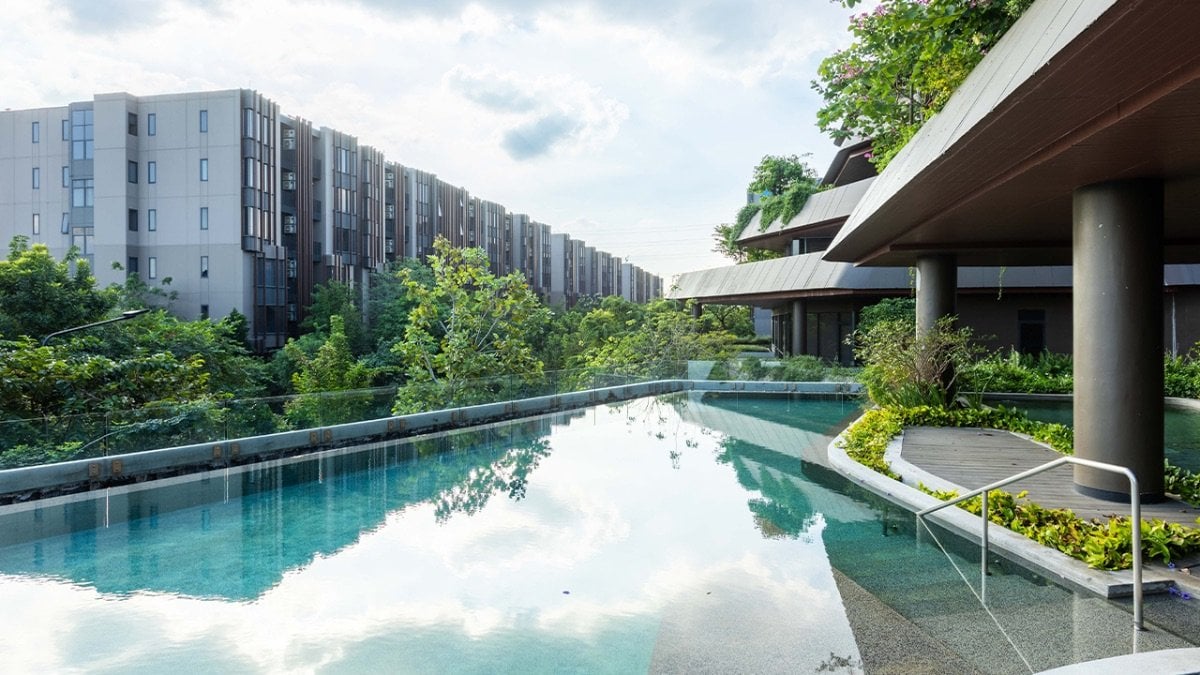
Best Inpatient rehabilitation Clinics in Thailand for Australians: 13 Verified Options and AUD Prices
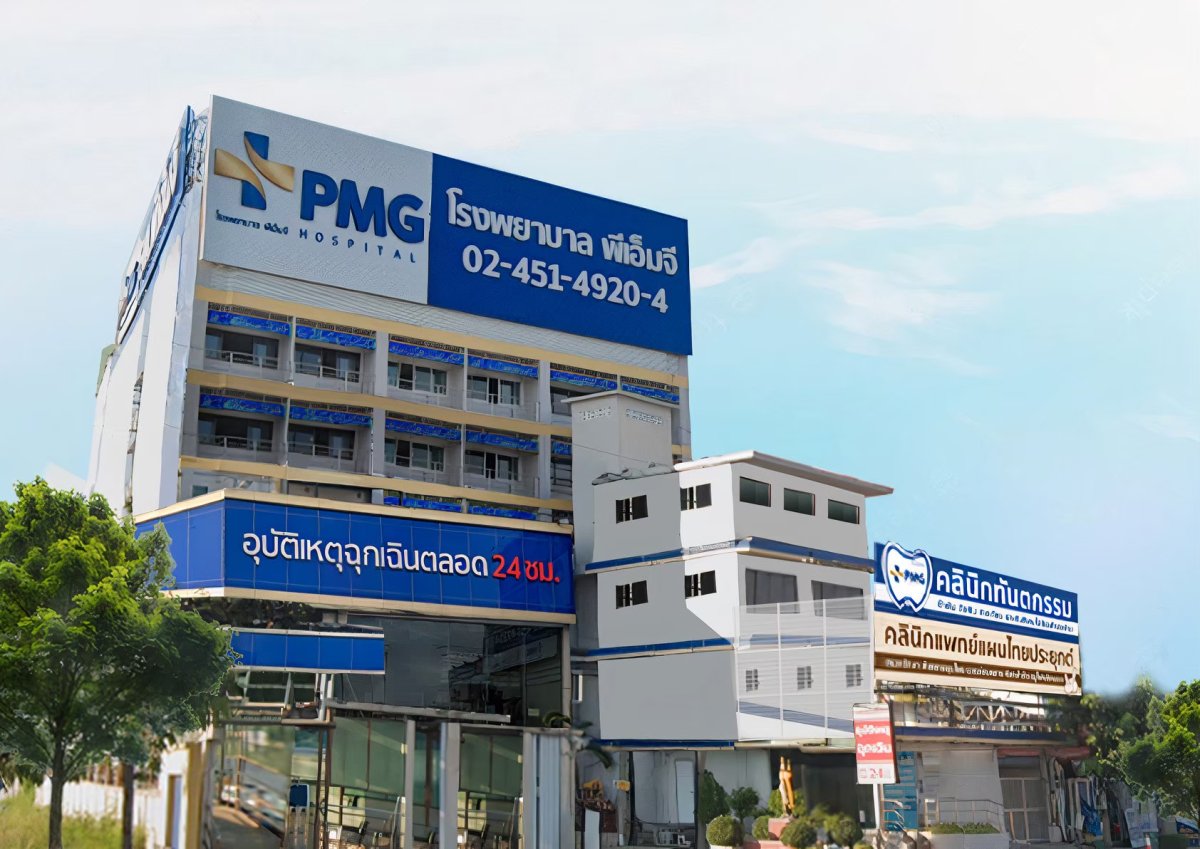



Panacee Hospital Rama 2 - Integrative Chronic Disease & Regenerative Center
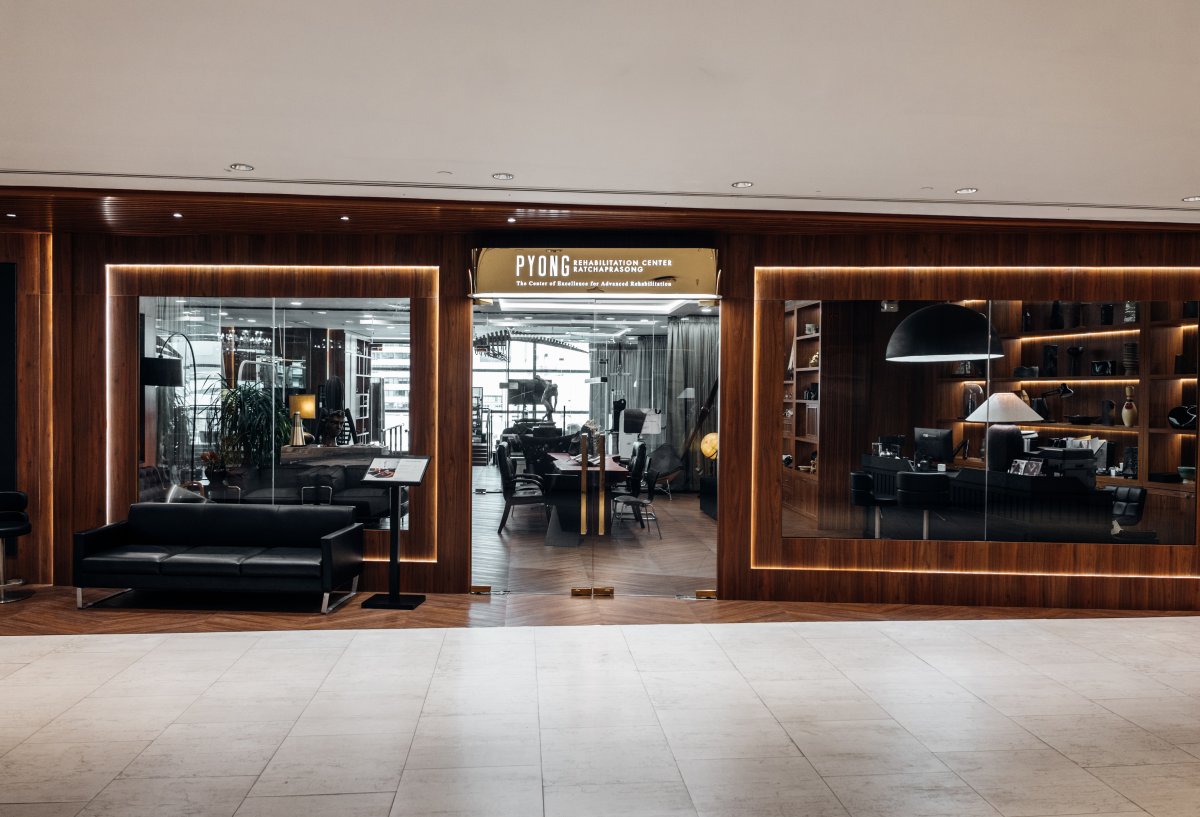
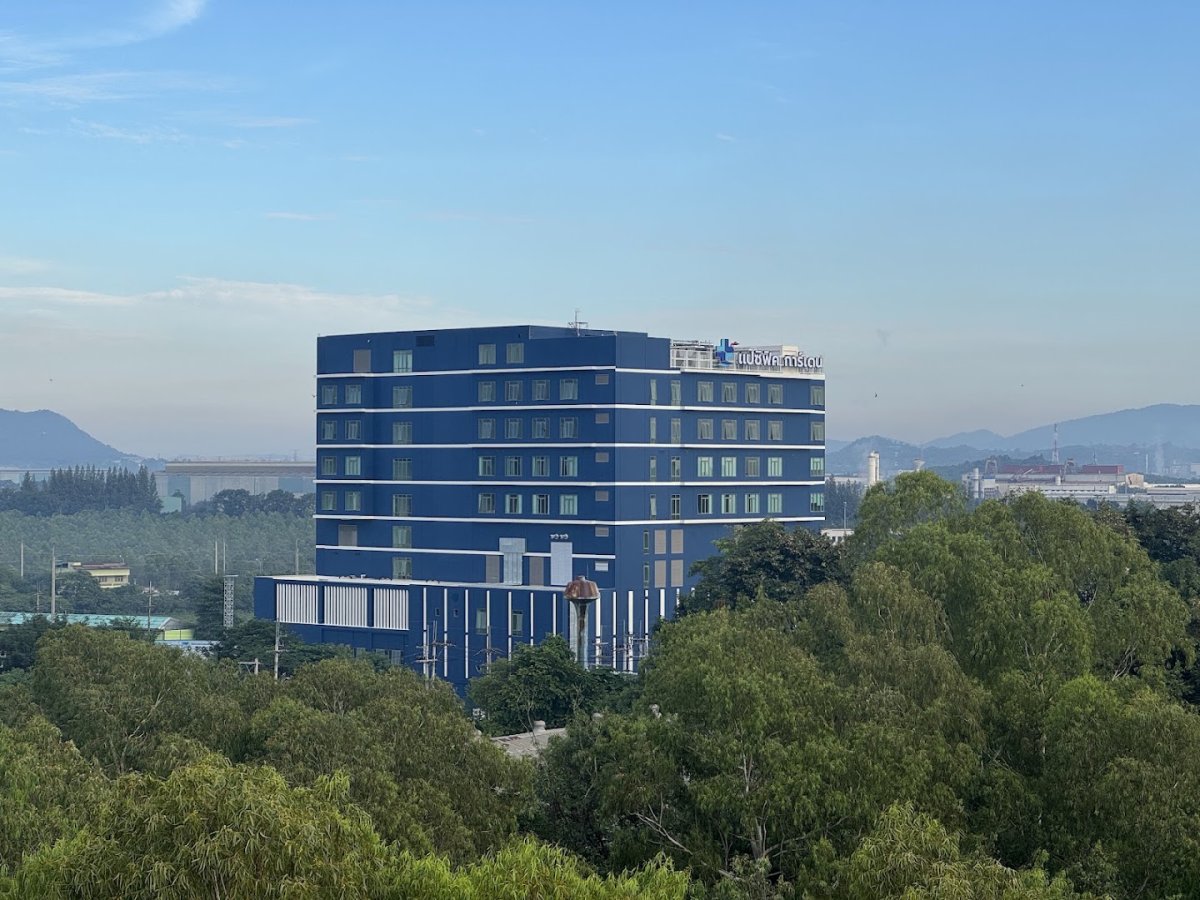
Pacific Garden Hospital
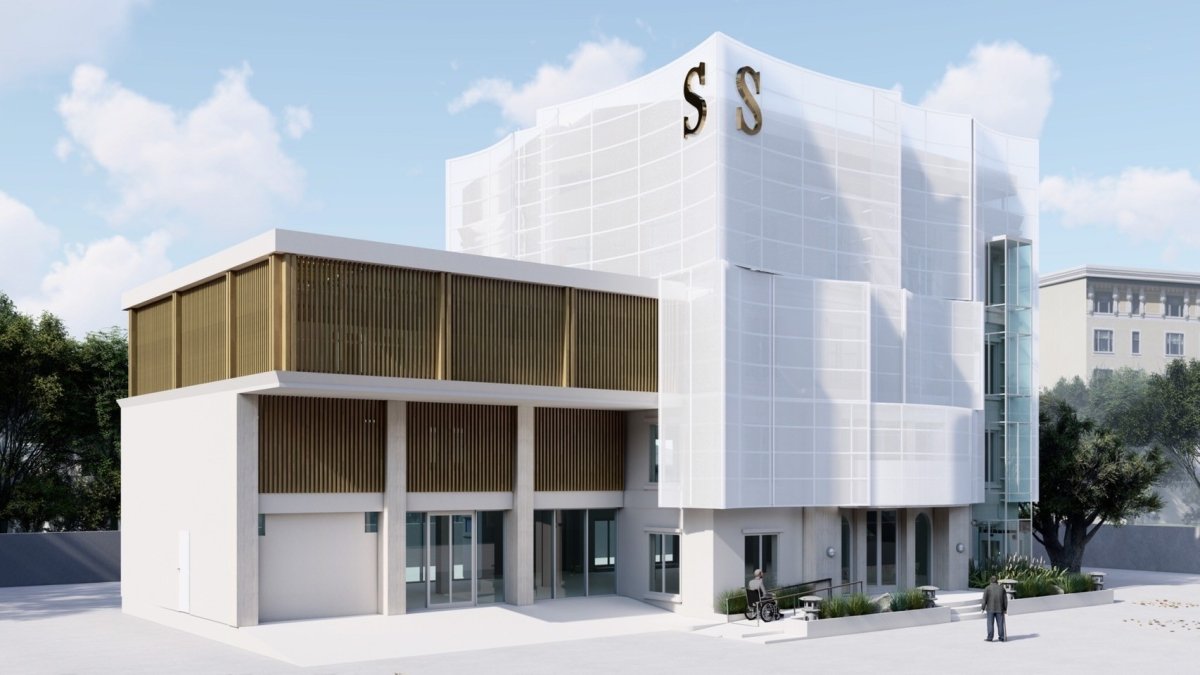

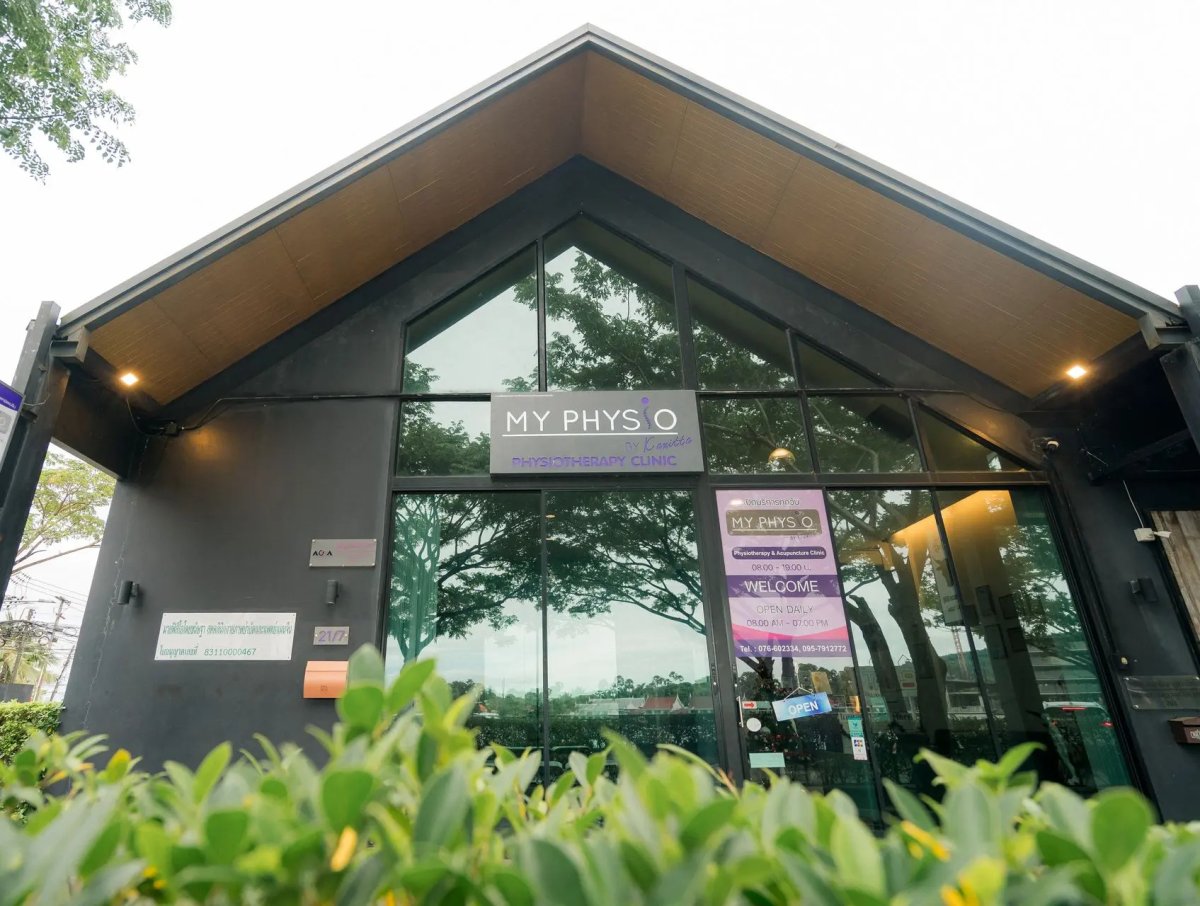
My Physio by Kanitta Clinic
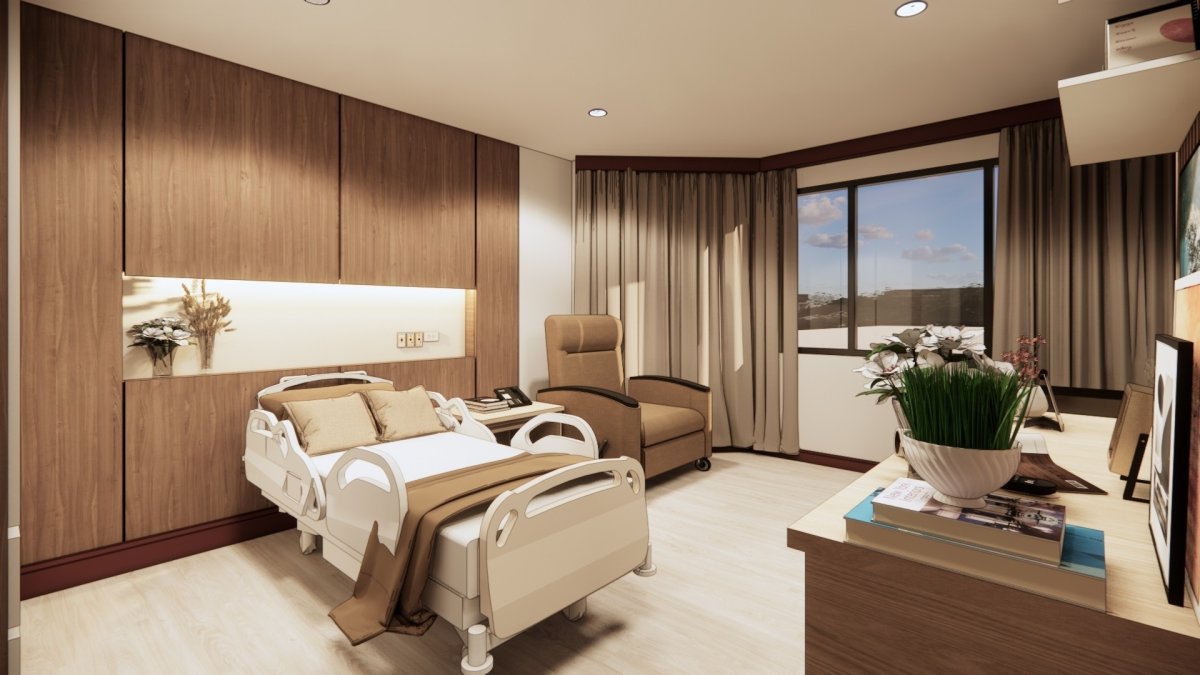
MALI CARE WELLNESS CENTER
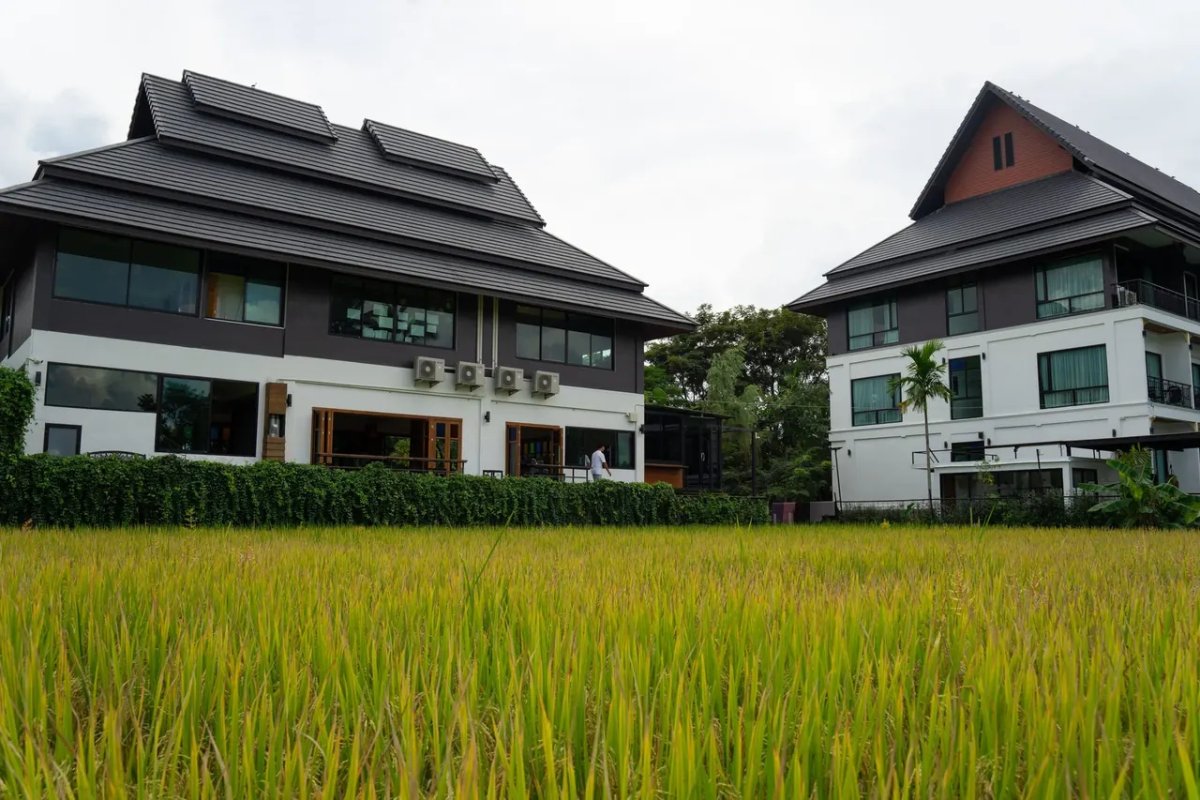
The Warmth Rehab
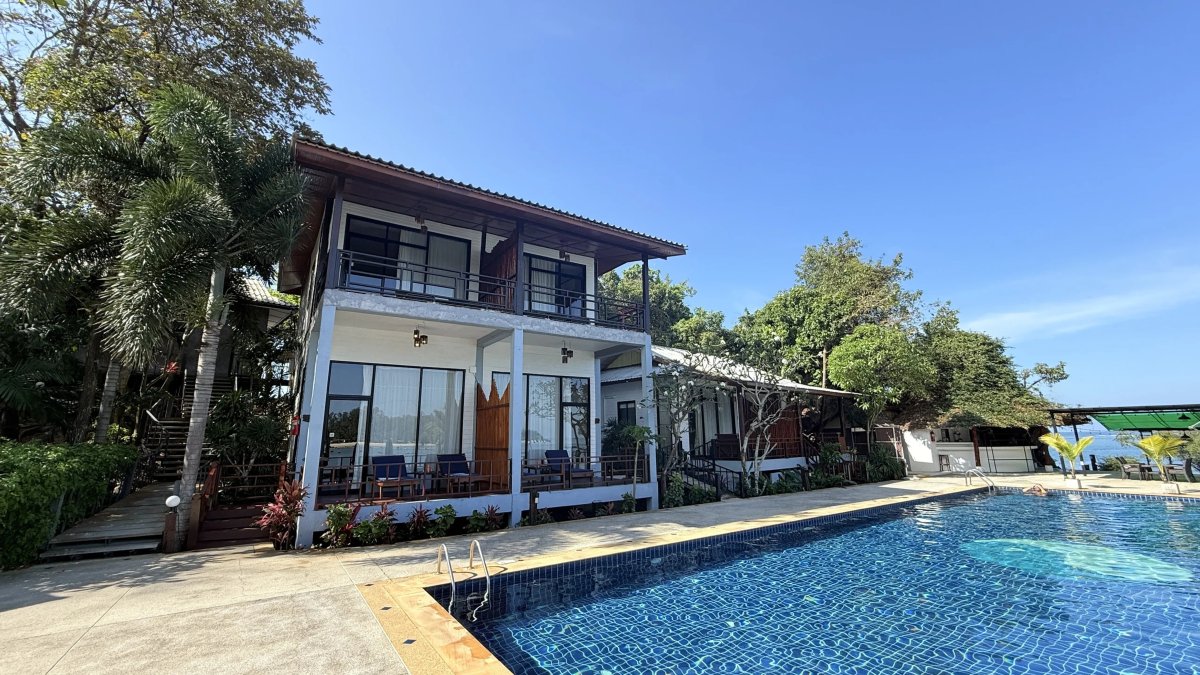
Inpatient rehabilitation Overview in Thailand
- Occupational therapy with the Head computer mouse - from AUD $151This therapy enhances motor skills and cognition through computer-guided head movements.
- Bobath therapy - from AUD $151This therapy is a specialized approach for neurological conditions, refining mobility and function through tailored exercises.
- Gross Therapy - from AUD $104This therapy helps improve motor skills through movement repetition, muscle training, and creative play.
- Rehabilitation after a stroke (per 1 day) - from AUD $1,086The therapy helps restore physical and cognitive abilities post-stroke, involving tailored, daily exercise and therapy sessions.
- Inpatient rehabilitation - from AUD $30,017This therapy aids recovery from severe issues through extensive, hospital-based care, focusing on comprehensive therapy sessions.
- Stroke rehabilitation - from AUD $1,237This therapy helps restore skills lost due to brain damage from a stroke, including speech, mobility, and daily routines.
- Neurological Rehabilitation - from AUD $4,525This therapy helps restore functions after brain or nerve injury, involving personalized exercises and therapeutic techniques.
- Bookimed deposit: $200 or €200.
- Clinic deposit: Pay a set percentage in advance.
Our Trusted Doctors for Australian Patients
View all Doctors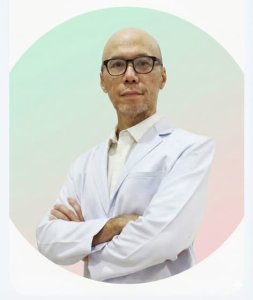
Songpoj Tanprasert
Dr. Songpoj Tanprasert specializes in Physical Medicine and Rehabilitation at Sanpiti Rehabilitation Center in Bangkok. He focuses on restoring function for patients with neurological and musculoskeletal disorders. Dr. Tanprasert builds evidence-based plans for stroke recovery and chronic pain management. He works at a specialized center treating 200 patients annually.
- Specializes in stroke rehabilitation, spinal cord injuries, and traumatic brain injury.
- Prioritizes non-surgical pain care and individualized therapeutic exercise programs.
- Performs specialized techniques including Bobath therapy and occupational therapy.
- Treats neurological conditions and post-surgical impairments in inpatient and outpatient settings.

Kultinee Klinpoon
Dr. Kultinee Klinpoon is a physical therapist and the founder of Sanpiti Rehabilitation Center in Bangkok. She has performed over 5,000 procedures throughout her career. She specializes in stroke recovery, cerebral palsy, and traumatic brain injury rehab. Dr. Klinpoon graduated from Mahidol University. She previously served as a National Team physical therapist for Thailand.
- Expert in the "Intensive Active Rehabilitation" method for neurological recovery.
- Treats stroke patients during the critical three-to-six-month recovery period.
- Performs specialized treatments like Bobath therapy and occupational therapy.
- Works at Sanpiti, a clinic licensed by the Thai Ministry of Health.

Kornwalai Klinpoon
Alastair Mordey
Reviews about Bookimed: Discover Patients' Insights
All reviewsShare this content
Video Stories from Bookimed Patients
 Anna Leonova

FAQ about Inpatient rehabilitation in Thailand
Is inpatient rehabilitation in Thailand safe for international patients?
Inpatient rehabilitation in Thailand is safe and highly regulated for international patients at licensed facilities. Most established centres in Bangkok hold international accreditations like AACI or JCI. These centres provide 24-hour nursing and medical oversight by specialists. This includes experts like Dr Songpoj Tanprasert and Dr Puenthai Thepmontda.
- Clinical accreditation: Many leading centres hold AACI or JCI seals for high safety standards.
- Specialist oversight: Qualified physical medicine and rehabilitation (PM&R) specialists lead multidisciplinary treatment teams.
- Round-the-clock care: Licensed inpatient packages provide 24-hour nursing to manage clinical risks and falls.
- Emergency protocols: Hospital-backed programs offer immediate access to acute medical care if complications arise.
Bookimed Expert Insight: Data reveals that top-tier Bangkok centres like Sanpiti include family training and home exercises. These are integrated into 1-month stays. This helps ensure care continues safely once the patient returns to Australia.
Patient Consensus: Patients find hospital-backed centres safer than standalone villas because doctors and imaging are onsite. Quality programs in Thailand provide clear rehabilitation plans. They also offer family training to help caregivers manage post-discharge care.
How are inpatient rehabilitation facilities regulated in Thailand?
The Ministry of Public Health (MOPH) regulates inpatient rehabilitation in Thailand through the Sanatorium Act. Facilities providing medical recovery must also secure specific clinical licensing. They must obtain a Sanatorium License. This mandates strict standards for medical equipment and 24-hour nursing care. It also requires emergency transfer protocols for patient safety.
- Facility licensing: Sanatorium Act B.E. 2541 governs all medical centres with overnight stays.
- Professional registration: Practitioners must register with the Medical Council of Thailand or Nursing Council.
- International standards: Premium centres like Sanpiti Rehabilitation Center often maintain AACI (American Accreditation Commission International) certification.
- Specialised audits: Addiction centres undergo rigorous audits by the National Committee on Treatment and Rehabilitation.
Bookimed Expert Insight: Thai regulations distinguish between medical rehab and wellness retreats. Centres like Sanpiti Rehabilitation Center provide intensive clinical programmes with 28–90 sessions per month. These must hold higher-tier medical licences compared to standard aged-care facilities. This difference helps acute patients receive supervised physiotherapy and neurological care.
Patient Consensus: Patients find that clinical outcomes and staff quality are more reliable at hospital-linked facilities. They recommend checking for official MOPH licence numbers before booking inpatient stays in Thailand. Patients should also check for hospital affiliations.
What happens if a patient requires emergency medical attention during inpatient rehabilitation in Thailand?
Patients needing emergency care during inpatient rehabilitation in Thailand are stabilised by on-site nursing teams. They are then transferred to acute care hospitals. Accredited facilities like Sanpiti Rehabilitation Center have 24-hour nursing. These centres use formal protocols for rapid specialist intervention through local hospital networks.
- Clinical stabilisation: On-duty nursing staff and doctors provide immediate first aid and life support.
- Hospital transfer: Patients move to acute wards or ICUs via private ambulance networks.
- Specialist coordination: Specialists such as Dr Songpoj Tanprasert coordinate handovers to emergency medical teams.
- Accreditation safety: AACI-accredited centres must follow strict, documented emergency and transfer safety protocols.
Bookimed Expert Insight: Many centres focus on the three-to-six-month golden period for stroke recovery. However, emergency readiness varies by facility type. Standalone centres like Sanpiti manage nearly 200 patients annually. They use 24-hour nursing to bridge the gap to acute care. AACI accreditation ensures these emergency transfer links are audited and reliable.
Patient Consensus: Patients find that Thai rehab facilities manage emergencies by transferring to nearby hospitals. These are used for surgery or intensive care. Confirming the specific partner hospital helps speed up consent and payment processes. Having a companion present is also helpful.
Do Thailand inpatient rehabilitation centres accept Australian international health insurance?
Private inpatient rehabilitation centres in Thailand often accept international health insurance policies. Standard Australian domestic private health insurance does not cover overseas facilities. However, policies from global providers like Allianz or Cigna typically apply. Coverage depends on the policy tier and pre-approval from the insurer.
- Insurance types: Only international medical plans or expat policies usually cover Thai rehabilitation stays.
- Direct billing: Facilities like Sanpiti Rehabilitation Center may coordinate billing after receiving a Letter of Guarantee.
- Claiming methods: Patients often pay upfront and reclaim costs if direct billing is unavailable.
- Licensing verification: Qualified centres must hold a Ministry of Public Health medical licence for insurance eligibility.
- Benefit checks: Finance departments at Bangkok clinics can verify coverage details and deductibles before arrival.
Bookimed Expert Insight: Thai rehabilitation packages often represent great value. Intensive 30-day stroke recovery programs start from A$2,600. This price gap exists because centres like Sanpiti bundle nursing, consultations, and therapy sessions into one rate.
Patient Consensus: Australians find that obtaining written pre-authorisation for a specific facility prevents unexpected expenses. Patients suggest confirming how a plan classifies the stay. This distinction between inpatient rehabilitation and residential care affects reimbursement.
What types of inpatient rehabilitation are available in Thailand?
Thailand provides specialised inpatient rehabilitation for neurological recovery, musculoskeletal injuries, and post-surgical care. Facilities like Sanpiti Rehabilitation Centre in Bangkok offer structured programs for stroke recovery. These include 24-hour nursing and multidisciplinary teams. These centres often combine evidence-based physiotherapy with traditional therapies like acupuncture.
- Neurological recovery: Targeted programs for stroke and brain injuries using intensive Bobath therapy.
- Post-surgical care: Residential stays for joint replacement recovery and complex orthopaedic trauma.
- Musculoskeletal rehab: Integrated physician-led plans for chronic pain and spinal cord injuries.
- Multidisciplinary approach: Teams include physiatrists, dietitians, and occupational therapists for holistic care.
- Acupuncture integration: Clinical centres combine Western medicine with traditional Chinese medical techniques.
Bookimed Expert Insight: Data shows that Bangkok centres specialise in the 3–6 month golden period for stroke recovery. Families benefit from packages that include formal caregiver training. Dr Songpoj Tanprasert at Sanpiti Rehabilitation Centre leads programs that bundle private suites with three daily therapy sessions.
Patient Consensus: Residential programs in Thailand often feel like retreats because of the VIP suites. Staff provide intensive support and help with transition plans back to Australia.
How long do inpatient rehabilitation programs in Thailand usually last?
Inpatient rehabilitation programs in Thailand typically last between 14 and 30 days. Most structured clinical programs focus on the critical three to six month "golden period". Residential stays provide intensive daily therapy within a medical setting. This helps increase functional gains before transitioning to home care.
- Standard duration: Programs are commonly organised into two-week or four-week residential blocks for stroke recovery.
- Intensive therapy: Packages often include three dedicated rehabilitation sessions daily to speed up functional progress.
- Medical supervision: Inpatient stays provide 24-hour nursing care. They also include regular consultations with neurologists and physiatrists.
- Family integration: Many month-long programs include family training to prepare for home-based care.
Bookimed Expert Insight: Data from leading facilities like Sanpiti Rehabilitation Center shows a preference for 30-day stays. These longer programs often include VIP private suites and nutritionist-led meals for about $19,900. This duration allows specialists to integrate acupuncture into standard neurorehabilitation. This is a common practice in Bangkok clinics.
Patient Consensus: Expect residential programs in Thailand to run in week-based blocks. Many patients find one month the standard for meaningful progress. Stays often focus on building a strong foundation for home-based exercise programs after discharge.
Do Australians need a special visa to enter Thailand for inpatient rehabilitation?
Australian passport holders generally enter Thailand without a visa for programs under 60 days. The Visa Exemption Scheme allows a 60-day stay upon arrival. For intensive recovery lasting up to 180 days, the Destination Thailand Visa covers medical treatments.
- Short-term stays: Get a 60-day entry stamp at the airport.
- Visa extensions: Apply at local immigration for an extra 30 days.
- Medical visa: Apply online for the MT visa before departure.
- Long-term recovery: The DTV visa permits stays up to 180 days.
Bookimed Expert Insight: While a 60-day entry is standard, serious inpatient programs often last 90 days. It is vital to choose a clinic that handles the 30-day extension paperwork. Many centres in Chiang Mai even provide dedicated staff for immigration visits. This removes the stress of visiting government offices during your recovery.
Patient Consensus: Travellers found the arrival process in Thailand very smooth and quick. They suggested checking medication rules with the embassy before flying from Australia. Most felt relieved that clinics managed all the local logistics for them. Everything from airport transfers to visa extensions felt organised and professional.