

26 years of experience
15000 treatments
Premium Fillers injection by Certified Surgeons
Fillers injection in Thailand typically costs from AUD $558 / ฿A18,967 to AUD $1,255 / ฿A42,675, depending on the brand, volume used, and the clinic's location in hubs like Bangkok or Phuket. In Australia, patients often face higher out-of-pocket expenses for similar aesthetic treatments, where prices average AUD $1,395 / ฿A47,417. By choosing Thailand, Australians can save approximately 40%. Most packages include the filler material, such as Restylane or Juvederm, and a personal consultation with a doctor.
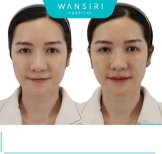
Bookimed Expert Insight: High-end Bangkok hospitals offer exceptional value by combining premium US-approved brands with specialist expertise. For instance, Wansiri Hospital serves 2,000 international patients annually and provides premium filler packages for approximately A$1,040. Alternatively, specialized clinics like Anjali Clinic offer FDA-approved treatments starting around A$440. Choosing JCI-accredited facilities such as Asia Cosmetic Hospital ensures that all procedures follow strict international safety standards.
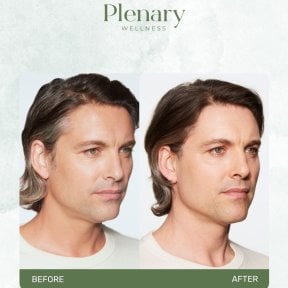
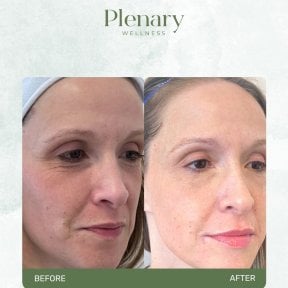
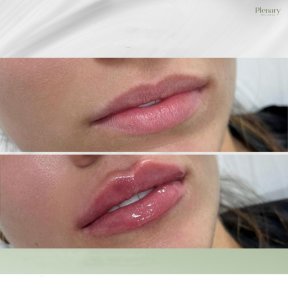
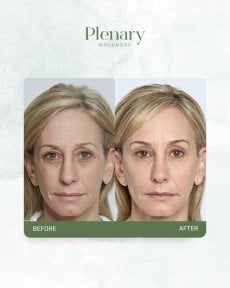

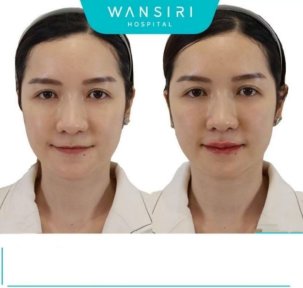
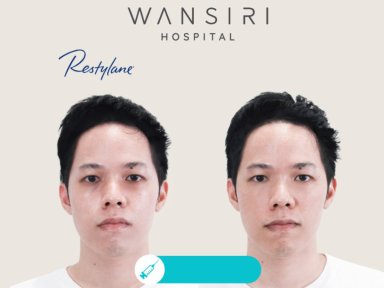


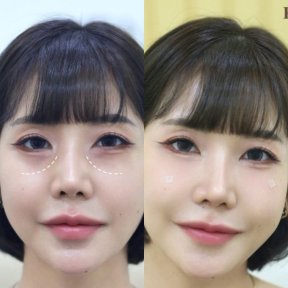
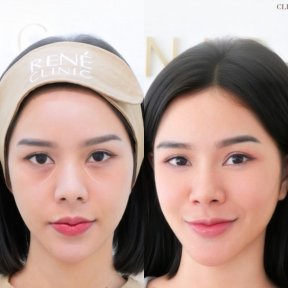

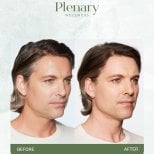
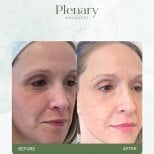
Dr Bee Thamonwan has performed over 900 successful aesthetic treatments, specialising in natural-looking facial rejuvenation at Plenary Wellness in Phuket.
Dr. Ariyapon Lortaraprasert has performed over 10,000 operations at the JCI-accredited Navamin 9 Hospital. He specializes in hair restoration and aesthetic medicine in Bangkok. Dr. Lortaraprasert is a member of the International Society of Hair Restoration Surgery (ISHRS).
Dr Sirintip Jira-adisai is a specialist in dermatology and anti-ageing medicine at Asia Cosmetic Hospital in Bangkok. She uses regenerative medicine techniques to help patients achieve natural-looking skin rejuvenation.
Dr Palapong Chayangsu is a board-certified facial plastic surgeon who brings surgical-level precision to non-invasive filler treatments at BKFL Clinic.
Filler injections in Thailand can cause blindness if incorrectly administered into a blood vessel. This rare complication occurs when filler blocks the artery supplying the eye. Australian patients can reduce this risk by selecting JCI-accredited hospitals and board-certified specialists. These experts use authentic brands like Juvéderm and Restylane.
Bookimed Expert Insight: Many local clinics offer fillers. However, high-volume hospitals like Bumrungrad International Hospital serve 500,000+ international patients annually. These major hubs provide a safety net through on-site ophthalmology departments. This is a critical advantage if a vascular emergency occurs during a cosmetic procedure.
Dermal filler injections in Thailand are safe when performed at accredited surgical hospitals and medical clinics. Professional centres prioritise authentic brands such as Juvéderm, Restylane, and Sculptra. Leading facilities in Bangkok and Phuket maintain JCI accreditation. They often employ injectors with international fellowships from the UK, USA, and Japan.
Bookimed Expert Insight: Bookimed data shows several Thai doctors hold specialist ENT or head and neck certifications. One example is Dr Sirikan Sasivimonphan at Dr Chen Surgery Hospital. These anatomical specialists provide extra safety for complex facial contouring compared to general aesthetic injectors.
Patient Consensus: Selecting a licensed medical clinic rather than a beauty spa helps obtain high-quality results. Patients in Thailand recommend staying locally for 2–3 days. This allows them to monitor for minor swelling before flying home.
A blunt cannula is a flexible, tube-like instrument with a rounded tip used to deliver dermal fillers. Unlike sharp needles, it pushes blood vessels and nerves aside rather than piercing them. Thai providers use this technique to reduce bruising, swelling, and the risk of vascular complications.
Bookimed Expert Insight: Thai clinics often pair cannulas with brands like Juvéderm® or Restylane® Lyft for better support. Wansiri Hospital and Asia Cosmetic Hospital even use clean-room operating theatres for these injections. This environment combined with cannula precision helps maintain very low complication rates in top Bangkok facilities.
Patient Consensus: Patients find the cannula feels more like a pushing sensation than a sharp sting. They appreciate returning to their holiday immediately with minimal bruising and notice very natural-looking results in Thailand.
Australian patients should discuss filler brand authenticity, the injector's medical credentials, and complication protocols. Requesting a millilitre-by-millilitre treatment plan matches volume expectations with costs. Confirming the availability of hyaluronidase is essential for managing potential vascular issues before returning home.
Bookimed Expert Insight: Thai clinics like Wansiri Hospital and Yanhee International Hospital serve thousands of international patients annually. Their staff handle diverse facial structures every day. Patients should ask if the clinic uses 3D face scanning. This technology helps guests see results before the first injection occurs.
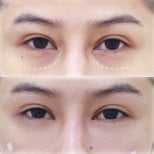
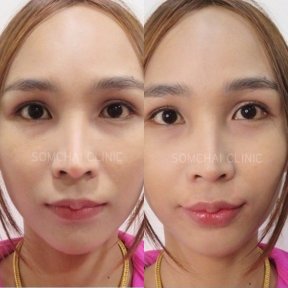
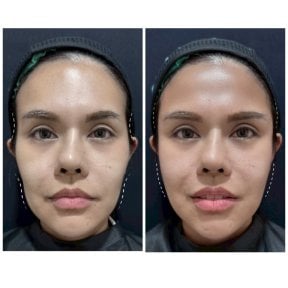
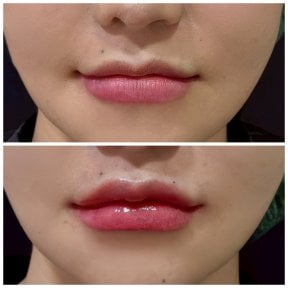
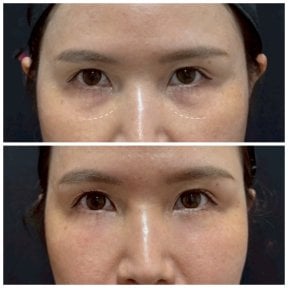
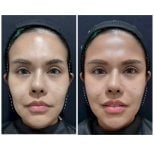
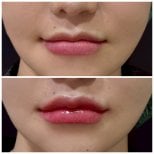
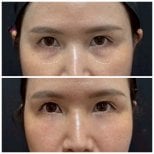
Patient Consensus: Patients in Thailand recommend getting a full cost breakdown. They also suggest looking at before-and-after photos of similar age groups. Confirm aftercare contact methods so support remains available after flying back to Australia.
Dermal fillers are gel-like substances injected beneath the skin. They restore volume, smooth deep lines, and contour facial features. These non-surgical treatments use materials like hyaluronic acid or biostimulators to replace collagen and fat loss. Results are visible immediately. They last from 6 months to 2 years depending on the product.
Bookimed Expert Insight: Data reveals a significant price gap based on the injector's medical background. For example, penile girth enhancement using 10CC of Restylane Lyft costs A$7,900 when performed by a board-certified urologist. In contrast, facial contouring with the same brand starts at much lower points. Choosing a specialist with region-specific expertise provides better safety and anatomical precision.
Patient Consensus: Fillers provide rapid results for smoothing lines and adding volume but require maintenance sessions. Results depend heavily on the injector's anatomical knowledge and the specific brand used in Thailand.
Filler results in Thailand typically last between 6 and 18 months. Longevity depends on the injection site and filler type. Hyaluronic acid brands like Juvederm and Restylane are the standard choice. High-movement areas like lips may last 6 months. Cheek and jawline enhancements often reach 18 months.
Bookimed Expert Insight: Thailand’s leading aesthetic clinics use sterile environments for fillers. Hospitals like Wansiri use Clean Room standard theatres for these procedures. This environment reduces sub-clinical inflammation. Lower inflammation levels can help prevent the body from breaking down hyaluronic acid too quickly. This potentially extends the results.
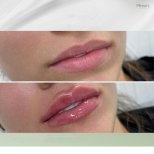
Patient Consensus: Patients in Thailand report that lip fillers settle quickly. Deeper contouring in the cheeks and chin stays visible for well over a year. Many suggest asking for the specific product batch sticker. This helps track exactly which filler was used for future top-ups.
Aftercare for fillers in Thailand involves avoiding heat, pressure, and sun exposure. Patients must stay hydrated and avoid strenuous exercise for 14 days. Clinics like Wansiri Hospital and Yanhee International Hospital provide protocols to manage swelling in tropical conditions.
Bookimed Expert Insight: Thai clinics often recommend staying indoors during peak UV hours for the first 3 days. Dr. Akkavich Harnnavachok at Siam Clinic Phuket notes that high humidity can increase initial swelling. Choosing centres with Clean Room standard theatres, like Wansiri Hospital, helps maintain hygiene during the procedure.
Patient Consensus: Visitors to Bangkok and Phuket appreciate the detailed instructions regarding heat management. Many mention that drinking extra water helps hyaluronic acid fillers settle comfortably in the Thai heat.