

11 years of experience
14000 treatments
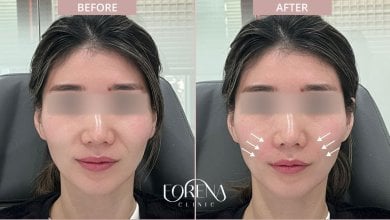
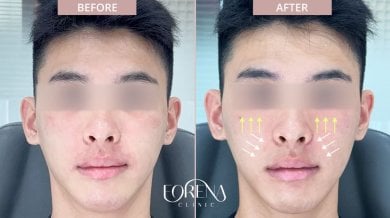
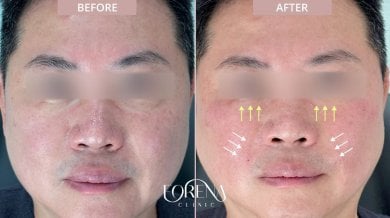
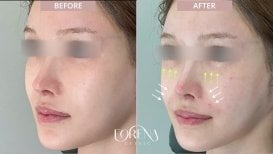
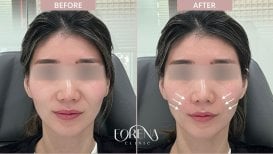
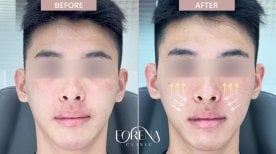
Radiesse (1 Syringe) with Signature Tightening Injection for Natural Volume
Fillers injection in the Republic of Korea typically costs from AUD $190 to AUD $470. Prices are determined by the volume of filler required, the brand origin, and the specific treatment area. Patients from Australia save approximately 66% compared to local prices, which average AUD $970. Standard packages in Seoul often include the filler material and expert application by board-certified specialists.
Bookimed Expert Insight: Choosing a clinic that specialises in high-volume injectable training offers superior value. Dr Jooyoung Park at BIOFACE Clinic has trained over 300 physicians in advanced filler techniques. Forena Clinic offers unique 3D design packages for approximately A$2,400, including 5cc of premium imported brands. These targeted approaches ensure natural-looking volume while maintaining the high safety standards expected by Australian patients.
| Republic of Korea | Thailand | Turkey | |
| Fillers injection | from AUD $190 | from AUD $290 | from AUD $330 |
| Vaginal Filler | from AUD $1,300 | from AUD $8,600 | ≈ AUD $500 |
| Male Lip Filler | ≈ AUD $500 | from AUD $570 | from AUD $530 |
| Male Jaw Filler | ≈ AUD $1,700 | from AUD $1,000 | from AUD $1,700 |
| Male Chin Filler | ≈ AUD $720 | from AUD $390 | from AUD $1,700 |
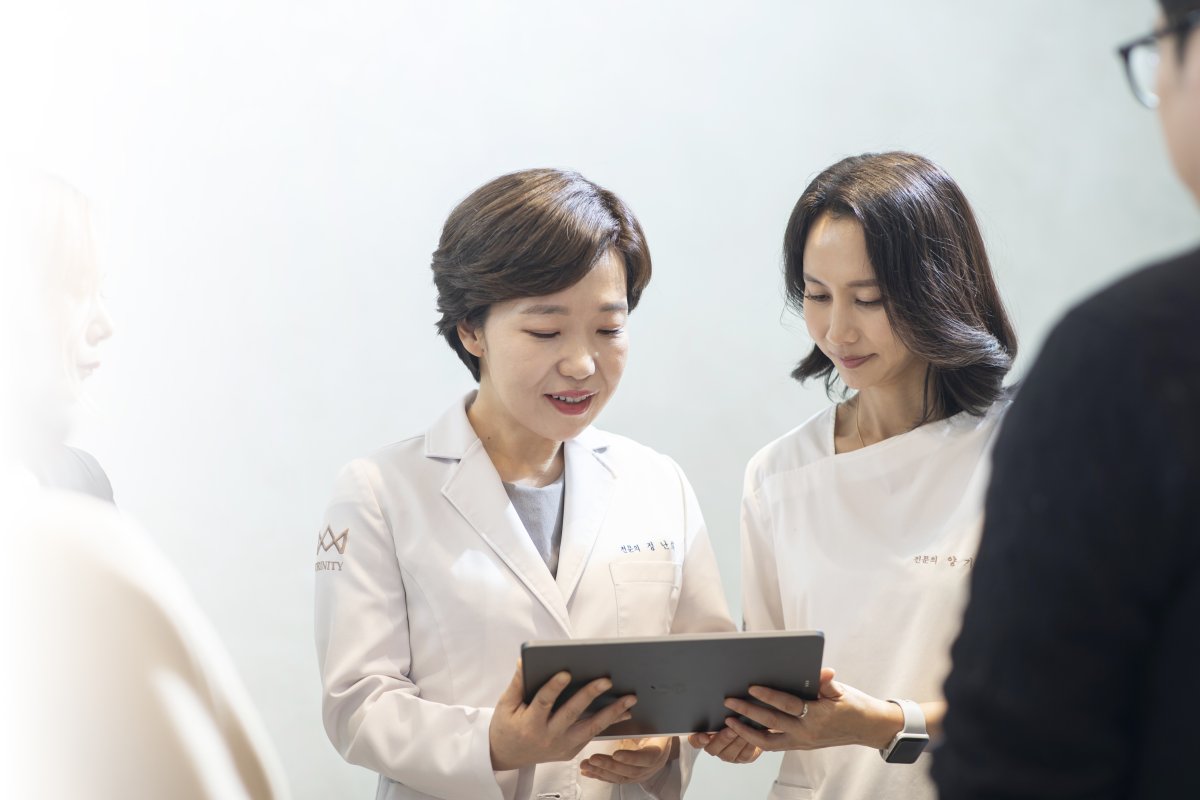
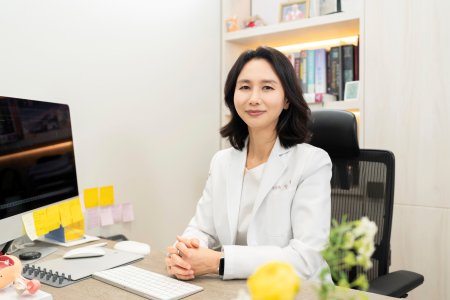
Dr Yeom Jihye is a highly active member of the South Korean aesthetic community and completed a clinical observership at UCLA in the United States.
Dr. Park Sangwook is a board-certified plastic surgeon and the Director of VG Plastic Surgery in Seoul. He completed his residency at Seoul St. Mary’s Hospital. He specializes in rhinoplasty and facial contouring. The doctor previously served as a Director at DA Plastic Surgery Clinic.
Professor Jung Young Choon is a leading advisor for Restylane fillers and is deeply involved in clinical research for facial rejuvenation. He founded HERSHE Plastic Surgery in Seoul, where he has performed over 900 cosmetic procedures.
Dr. Cho Sung Hee is a physician at Lienjang Plastic Surgery & Dermatology Center in Seoul. She earned her medical degree from Seoul National University College of Medicine. She completed family medicine specialty training at Seoul National University Hospital, a leading academic medical center in Korea.
She is a member of the Korean Academy of Family Medicine, the Korean Academy of Obesity and Aesthetic Treatment, the Korean Society for the Study of Obesity, and the Korean Society for Dermatologic Laser Surgery.
Her clinical focus includes family medicine, aesthetic medicine, and obesity care. She provides evidence-based, safe, and personalized treatment. She uses advanced aesthetic procedures to improve health, skin quality, and confidence.
In the Republic of Korea, filler results from domestic hyaluronic acid brands generally last 6–12 months. Imported brands like Restylane or Juvederm often maintain volume for 12 to 24 months. Results depend on the specific filler density and the treatment area.
Bookimed Expert Insight: Budget-friendly Korean brands are popular. However, data from clinics like Forena and RE:BERRY shows that top-tier specialists often recommend 3D-designed imported fillers for structural areas. These "heavy" fillers resist metabolism better than softer versions. Patients choosing CaHA fillers like Radiesse benefit from immediate volume plus long-term collagen stimulation. This effectively extends the aesthetic outcome.
Patient Consensus: Patients find chin fillers offer the best longevity due to minimal movement. Many combine forehead fillers with regular Botox. This prevents muscle contractions from breaking down the product too quickly.
Korean filler brands like Neuramis and Revolax are excellent alternatives to Western labels. Juvederm is one such brand. Both meet strict safety standards, such as KFDA approval. Western fillers offer longer-lasting results through crosslinking. However, Korean options provide a softer, more natural integration ideal for subtle volume enhancements.
Bookimed Expert Insight: Many patients mix brands to balance cost and durability. Some specialists, like Dr Yeom Jihye at Forena Clinic, use Western fillers for high-movement areas. They use Korean fillers for high-volume areas, like cheeks. This strategy can reduce total costs while maintaining structural results.
Patient Consensus: Patients find Korean fillers provide a natural look that integrates smoothly into the face. Most recommend using imported brands for under-eyes to avoid swelling. Domestic brands work perfectly for chin and jaw definition. Confirming brand authenticity via QR codes is a common tip amongst international travellers in Seoul.
Authentic fillers in South Korea require Ministry of Food and Drug Safety (MFDS) approval. They typically feature security holograms and QR codes. Most genuine Korean-made products, such as Neuramis or Chaeum, display a barcode starting with 880. They also include tamper-evident seals on the sterile packaging.
Bookimed Expert Insight: AB Plastic Surgery is a high-volume clinic serving 24,000+ patients annually. Such clinics often provide CCTV monitoring in operating theatres. This transparency allows patients to verify the product. They can check that the specific product they requested is the exact one being prepared and injected.
Patient Consensus: Scanning QR codes with the HiddenTag app is the standard way. This confirms Korean product origins. Patients say choosing board-certified dermatologists ensures transparency about where fillers are sourced.
In the Republic of Korea, filler injection recovery is rapid. Most patients return to normal activities immediately. Visible swelling and bruising typically subside within 2 to 7 days. Full integration and final results occur within 1 to 2 weeks.
Bookimed Expert Insight: Many leading Seoul clinics, such as Forena Clinic, serve over 20,000 patients annually. They do so because they use multi-layer injection techniques. Specialists like Dr Yeom Jihye often combine fillers with signature skin tightening. This approach provides natural volume. It also manages the settling phase more efficiently than standard single-layer methods.
Patient Consensus: Recovery in South Korea remains quick, with swelling usually peaking on the second day. Most find that drinking extra water enhances the filler effect during the first week. Patients recommend booking the appointment for the last day of a trip. This helps avoid heat and exercise restrictions.
Popular filler areas in the Republic of Korea focus on facial balancing and structural definition. Forehead, chin, and jawline treatments create the sought-after V-line shape. Lip enhancements and tear trough corrections for aegyo-sal are also highly requested. These treatments are popular at leading Seoul clinics in Gangnam and Myeongdong.
Bookimed Expert Insight: Many Australian patients seek imported brands like Juvederm. However, Korean domestic fillers such as Neuramis or Yvoire offer equivalent results. Choosing these local brands can reduce the procedure cost by 2-3x without sacrificing quality. Specialists such as Dr Yeom Jihye at Forena Clinic perform 14,000+ procedures. They often utilise these high-quality local options for facial balancing.
Patient Consensus: Lip fillers are the most common entry point for international patients visiting Seoul. Many appreciate the subtle results for smile lines. They also appreciate the structural definition added to the chin and jawline.
Korean fillers generally offer a softer, more natural volume and lower cost. Imported brands like Juvederm or Restylane provide firmer structural support and longer-lasting results. Local options cost about 50–70% less, which makes them ideal for high-volume areas. Imported brands are often preferred for delicate regions like tear troughs.
Bookimed Expert Insight: While local fillers are budget-friendly, Seoul’s top-rated clinics often recommend imported brands for under-eye treatments specifically. Data shows clinics like Forena Clinic bundle premium imported options into 5cc 3D design packages. This approach minimises the Tyndall effect — that bluish tint often seen with thicker domestic fillers in thin skin.
Patient Consensus: Patients in the Republic of Korea find domestic fillers provide a softer, water-glass finish for lips and foreheads. They appreciate that imported products like Belotero blend smoother in areas with constant movement and are less prone to lumping.
Reputable clinics in the Republic of Korea offer a vast range of international and local MFDS-certified products. So bringing personal filler brands is generally unnecessary. While technically allowed, clinics usually recommend using their stock. This guarantees authenticity, temperature-controlled storage, and safety during the injection process.
Bookimed Expert Insight: Seoul specialists often use a multi-layer technique, combining different brands for various facial planes. Dr Cho Sung-Jun at RE:BERRY Clinic performs over 3,000+ filler sessions using this method. Choosing clinic-provided stock lets surgeons mix structural and soft fillers safely. This gives the best outcome.
Patient Consensus: Patients find that Seoul clinics offer high-quality international brands at lower prices than Australia. The professional staff make the process smooth and provide excellent language assistance during consultations.