12 Best Hormone therapy Clinics in Thailand — AUD Prices


Medically reviewed by
Yesim Yildirim
How it works
How Much Does Hormone therapy Cost in Thailand in AUD?
Hormone therapy in Thailand generally ranges from AUD $680 / ฿15,300 to AUD $5,100 / ฿115,600. The final cost depends on the delivery method, such as pills, gels, or injections, and the specific clinical hub chosen. Basic clinic packages typically include initial specialist consultations and hormone screening blood tests.
- Androgen deprivation therapy: AUD $1,400 / ฿30,600 to AUD $3,600 / ฿81,600 for hormone-suppressing treatments.
- Bioidentical hormone replacement: typically costs 30-40% less than comprehensive medical packages.
- Monthly maintenance: often adds a recurring cost for ongoing medication like testosterone gels.
- Specialist consultations: typically cost between A$80 and A$250 for initial diagnostic assessment.
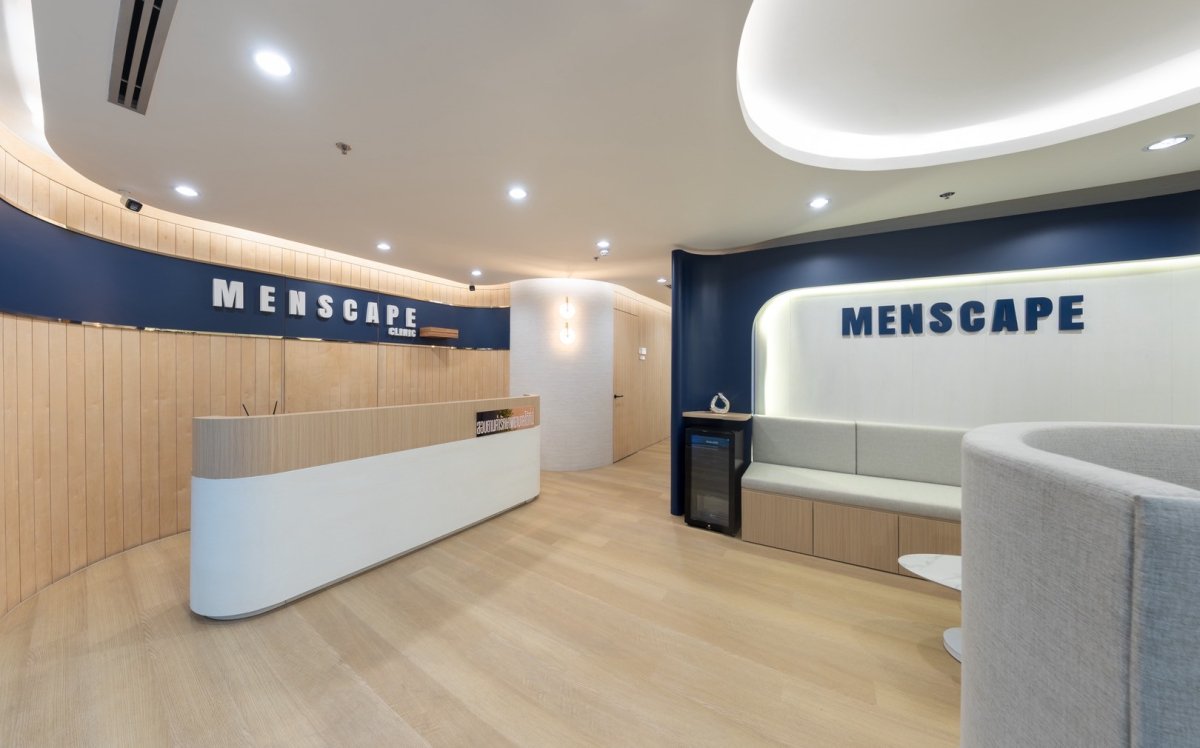
Bookimed Expert Insight: Choosing major hubs like Bangkok provides access to hospitals with Joint Commission International (JCI) accreditation. Some clinics, like Menness Wellness Clinic, offer specialised andropause consultations starting around A$150. This is a cost-effective entry point for Australians seeking expert diagnostics. High-volume centres like Wansiri Hospital report a 99% success rate for gender-affirming procedures. This data suggests that paying a slight premium at large hospitals often includes superior diagnostic technology.
| Thailand | Turkey | |
|---|---|---|
| Hormone therapy | from AUD $680 / ฿15,300 | from AUD $450 / ฿10,200 |
| Hormone therapy for prostate cancer | ≈ AUD $3,600 / ฿81,600 | ≈ AUD $2,700 / ฿61,200 |
| Androgen deprivation therapy | ≈ AUD $1,400 / ฿30,600 | ≈ AUD $1,100 / ฿23,800 |
Hormone therapy Packages in Thailand — November 2026 (AUD Pricing for Australians)

Best Hormone therapy Clinics in Thailand for Australians: 12 Verified Options and AUD Prices













MedConsult Bangkok Medical Clinic
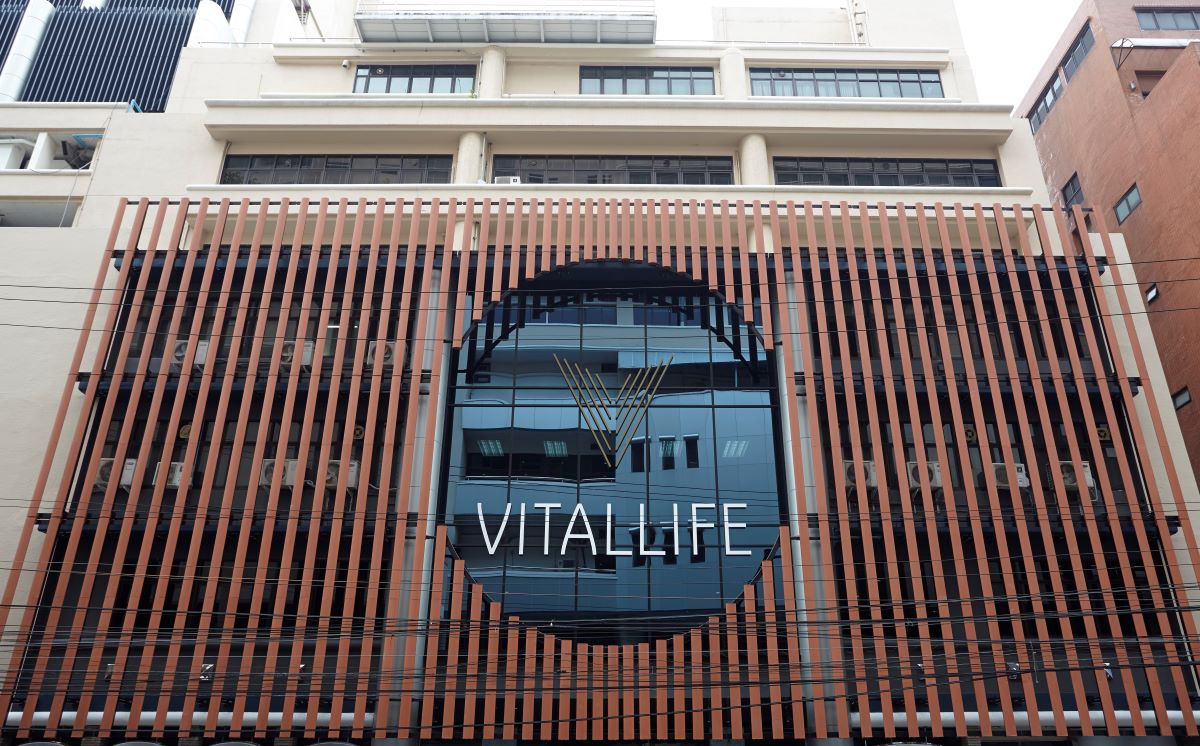
VitalLife Scientific Wellness Center

Menhance Clinic
Hormone therapy Overview in Thailand
- Hormone therapy - from AUD $678This therapy involves using medicines to adjust body"s hormone levels, often used in cancer treatment or menopause relief.
- Bookimed deposit: $200 or €200.
- Clinic deposit: Pay a set percentage in advance.
Our Doctors
View all Doctors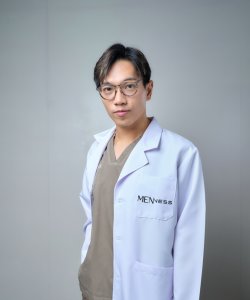
Napat Jirattitikarntavorn
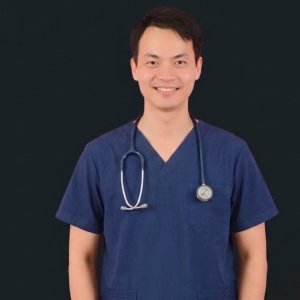
Dr. Napat Jirattitikarntavorn focuses on facial aesthetics and regenerative therapy at Menness Wellness Clinic in Bangkok. He specializes in non-surgical facial design using Botox, fillers, and thread lifts. Dr. Napat also integrates longevity treatments like hormone balancing and IV therapy into his anti-aging protocols.
- Performs liquid facelifts and jawline contouring using hyaluronic acid fillers.
- Treats hair loss and skin aging with Platelet-Rich Plasma (PRP) therapy.
- Manages metabolic health through gut health programs and detox protocols.
- Works at a clinic accredited by the Royal College of Surgeons Thailand.
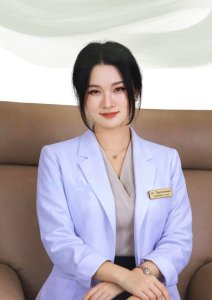
Bee Thamonwan Trongpanyachot
Dr. Bee Thamonwan is an aesthetic and regenerative medicine specialist at Plenary Wellness in Phuket. She focus on natural rejuvenation using stem cells and collagen-boosting biostimulators. Dr. Thamonwan earned her medical degree from the Medical University of Lublin in Poland. She speaks Thai, English, and Chinese fluently.
- Performs advanced stem cell therapy to regenerate skin and support anti-aging from within.
- Specializes in Sculptra and biostimulator injectables for gradual, natural facial volume renewal.
- Provides PRP hair therapy and mesotherapy microinjections for restorative scalp health.
- Collaborates with Prince of Songkla University on wellness research and innovation.

Wanna Supasirilak
Dr. Wanna Supasirilak is an aesthetic doctor at Wansiri Hospital in Bangkok. She specializes in regenerative medicine and anti-aging therapies. Her practice focuses on hormone treatments and nutritional wellness. She earned her medical degree from Chulalongkorn University. Dr. Supasirilak holds multiple diplomas from the American Academy of Anti-aging Medicine.
- Certified by the American Board of Anti-aging and Regenerative Medicine.
- Holds a diploma from the American Board of Nutritional Wellness.
- Practices at Wansiri Hospital, which reports a 99% success rate for plastic surgery.
- Trained in stem cell applications for aesthetics and hormone therapies.

Phattaraphum Phophong
Dr. Phattaraphum Phophong is an Associate Professor and fertility specialist at Bumrungrad International Hospital. He focuses on infertility treatments such as IVF, ICSI, and preimplantation genetic testing. Dr. Phophong earned an M.Sc. in Prenatal Genetics and Fetal Medicine from UCL, UK. He holds diplomas in both Obstetrics and Gynecology and Reproductive Medicine.
- Expertise in laparoscopic and hysteroscopic conservative surgery.
- Completed a fellowship in Human Reproduction and Infertility at UCH, London.
- Member of the Thai Society for Reproductive Medicine.
- Practices at a JCI-accredited hospital ranked among the world's best by Newsweek.
Video Stories from Bookimed Patients
Reviews about Bookimed: Discover Patients' Insights
All reviewsShare this content
 Anna Leonova

FAQ about Hormone therapy in Thailand
Are private clinics and hospitals in Thailand safe and certified for medical tourists?
Thai private hospitals and clinics are highly safe for medical tourists due to strict national oversight and international benchmarks. Over 60 facilities hold Joint Commission International (JCI) accreditation. Leading Bangkok centres features Western-trained specialists and advanced technologies like robotic surgery and AI-driven diagnostics.
- Regulatory oversight: The Healthcare Accreditation Institute (HA Thailand) monitors every licensed hospital for infection control.
- International standards: Major hospitals like Bumrungrad hold JCI, ISO, and Global Healthcare Accreditation (GHA) status.
- Specialist credentials: Top doctors often hold diplomas from the Royal College of Surgeons or specialised international boards.
- Infrastructure quality: Accredited hospitals provide 24/7 ICU support and on-site emergency teams for complex procedures.
- Patient support: Large facilities offer multilingual translation departments and dedicated international patient wings for Australians.
Bookimed Expert Insight: Thailand ranks second globally for medical tourism volume because its top-tier hospitals integrate wellness and pathology. While hormone therapy starts from $450, high-volume clinics like Menness Wellness handle 1,000+ patients annually. This scale ensures doctors manage diverse cases with high proficiency levels.
Patient Consensus: Patients find major Thai hospitals professional and appreciate the hospital-grade infrastructure. They recommend securing a detailed plan for follow-up blood tests before returning to Australia.
What side effects are common with hormone therapy, and how are they monitored?
Common side effects of hormone therapy include mood swings, fatigue, breast tenderness, and hot flushes. Specialist clinics in Thailand, such as Bumrungrad International Hospital, monitor these effects through quarterly blood tests, bone density scans, and symptom journals to adjust medication dosages and delivery methods.
- Regular pathology: Blood tests every 3–6 months check hormone levels and liver function.
- Bone density: DEXA scans prevent osteoporosis in patients on hormone-blocking cancer therapies.
- Metabolic monitoring: Clinicians track blood pressure and lipids to manage cardiovascular health.
- Dose adjustments: Doctors tweak medication timing or formats to resolve persistent mood shifts.
Bookimed Expert Insight: Data from 12,500+ requests shows Thai clinics often pair hormone therapy with DNA testing for personalised dosing. VitalLife Scientific Wellness Center uses these genetic markers to predict side effect sensitivity. This proactive approach often reduces the initial trial-and-error period typical of hormone replacement.
Patient Consensus: Patients in Thailand report that tracking energy levels and sleep in journals helps specialists refine treatments. Dose adjustments are common and successfully resolve early symptoms like brain fog or irritability.
Can I continue my Thai hormone prescription once I am back in Australia?
Australian residents can legally bring a three-month supply of hormones from Thailand under the Traveller's Exemption. Refilling Thai prescriptions at Australian pharmacies is not permitted. Patients must see an Australian-registered GP or specialist to secure a local prescription and ensure continued care.
- Border declaration: Tick Yes on the Incoming Passenger Card to declare medications to customs.
- Supply limit: Bring a maximum three-month supply at the manufacturer's recommended dosage levels.
- Original packaging: Keep all hormones in original containers with clear pharmacy dispensing labels.
- Doctor letter: Carry an English medical letter stating the condition, dosage, and prescriber details.
Bookimed Expert Insight: Thai clinics like Menness Wellness Clinic use Royal College-certified specialists for men’s health cases. Data shows these centres manage high volumes, with some treating 1,000+ patients annually. Patients should secure a transition summary from these specialists to avoid Australian GPs requesting repetitive baseline tests.
Patient Consensus: Successful transitions depend on having comprehensive paperwork with generic drug names and recent blood results. Patients suggest booking an Australian GP early to avoid treatment gaps while transitioning between brands.
How do patients start gender-affirming hormone therapy in Thailand?
Patients start gender-affirming hormone therapy in Thailand through a formal medical pathway. This process typically involves a psychological assessment, comprehensive blood panels, and informed consent. Specialist facilities like the Pride Clinic at Bumrungrad International Hospital and Wansiri Hospital provide these regulated medical services.
- Psychological assessment: Patients meet with a psychiatrist to discuss transition goals and identity.
- Blood screening: Specialists check hormone levels, liver function, and kidney health before starting.
- Informed consent: Adults over 18 sign waivers after reviewing long-term physical changes.
- Expert oversight: Clinics like Wansiri Hospital maintain a 99% success rate for MTF procedures.
- International standards: JCI-accredited hospitals like Bumrungrad ensure care meets global safety benchmarks.
Bookimed Expert Insight: While community pharmacies in Bangkok still sell hormones without a prescription, medical supervision is vital. Leading private centres perform thousands of screenings annually. Choosing a clinic with an endocrinologist ensures dosages remain safe and effective. This structured approach avoids the cardiovascular risks commonly linked to unmonitored self-medication.
Patient Consensus: Using private gender clinics in Thailand speeds up the process. Bringing medical history helps, but always confirm drug names to avoid confusion with Australian equivalents.
Do I need a prescription to buy hormone medications in Thailand?
Most standard hormone medications are available at community pharmacies in Thailand without a prescription. While medical oversight is recommended, pharmacists often dispense oral oestrogen, progesterone, and some injectable medications legally over the counter. Local independent chemists are generally more lenient than large corporate chains like Boots or Watsons.
- Pharmacy access: Independent shops near hospitals or tourist areas frequently stock hormone medications.
- Medication types: Oestrogen tablets, patches, and gels are widely sold without doctor notes.
- Testosterone status: Though technically prescription-only, many local pharmacies supply testosterone and anabolic steroids.
- Customs rules: Australians must have a valid prescription to legally bring testosterone back home.
Bookimed Expert Insight: Thailand is a global hub for gender-affirming care, serving over 1 million international patients annually at hospitals like Bumrungrad. While pharmacies offer convenience, clinics like Menness Wellness provide specialist consultations for around A$140. This ensures correct dosages and prevents complications that are difficult to manage once back in Australia.
Patient Consensus: Availability varies by location so verify active ingredients and strengths carefully before buying. Carry a formal doctor letter to ensure consistency and avoid confusion with Thai pharmacy staff.
What is the difference between conventional HRT and Bioidentical Hormone Replacement Therapy (BHRT) in Thailand?
Conventional HRT in Thailand uses synthetic or animal-derived hormones in fixed doses. Bioidentical Hormone Replacement Therapy (BHRT) uses plant-derived molecules identical to human ones. Specialist clinics in Bangkok and Phuket tailor BHRT doses through extensive blood panels to achieve physiological optimisation.
- Molecular source: BHRT uses plant extracts whilst conventional HRT often uses synthetic components.
- Dosing flexibility: BHRT offers tailored strengths whilst conventional options come in fixed doses.
- Delivery methods: BHRT options include pellets and compounded creams alongside standard gels.
- Clinic specialisation: Centres such as Lyfe Medical Wellness focus on BHRT-led preventive care.
Bookimed Expert Insight: Thai medical centres often integrate BHRT into broader longevity programs. For example, VitalLife Scientific Wellness Center was Asia's first preventive facility. Their approach often combines DNA testing with hormone therapy. This level of data-driven customisation is rarely available in standard Australian primary care clinics.
Patient Consensus: Bioidentical often describes the delivery system and dosage precision rather than a different outcome. Confirm how doctors handle blood monitoring after travel. Standard HRT is often easier for Australian GPs to manage post-treatment. Clinics in Thailand give detailed written dosages for future care.
Are there specific requirements for adolescents accessing gender-affirming hormone therapy?
Adolescents accessing gender-affirming hormone therapy must meet rigid clinical and legal criteria. Key requirements includes a formal diagnosis of gender incongruence from mental health specialists and reaching puberty stage 2. Many clinics follow World Professional Association for Transgender Health standards to ensure safe, ethical treatment transitions.
- Parental consent: Legal guardian or parental authorisation is mandatory for all minors under 18.
- Mental health review: Assessment by psychological specialists confirms readiness and manages any co-existing concerns.
- Physical maturity: Treatment typically commences only after reaching Tanner Stage 2 of puberty.
- Fertility counselling: Specialists provide detailed guidance on reproductive preservation before starting hormone interventions.
- Clinical consensus: Pediatricians and endocrinologists must agree on the treatment plan before prescribing.
Bookimed Expert Insight: Thailand is home to top-tier JCI-accredited facilities like Bumrungrad International, which serves 1,000,000 patients annually. While adult care is widely accessible, adolescent services are highly specialised. Leading clinics like Wansiri Hospital report a 99% success rate for gender-affirming surgeries, reflecting the high clinical standards maintained across Bangkok for complex care cases.
Patient Consensus: Seeking care in Thailand requires preparation of guardianship papers and prior referrals. Patients find the process smoother when their GP and psychologist coordinate with the Thai team to ensure care continues after returning home.